

Classic Shrimp Lo Mein Recipe
We may receive a commission on purchases made from links.
Though there are many Chinese recipes that taste even better than takeout, there's really no need to reinvent the wheel with takeout classics. Lo mein is one of those iconic dishes we often associate with takeout, but the noodle-forward favorite originated centuries ago in Northern China, and its roots date back all the way to the Han Dynasty. Through the late 19th century and into the early 20th, lo mein became a recognizable American takeout favorite thanks to an influx of Chinese immigrants and early Chinese-American restaurants and noodle parlors. Naturally, lo mein you'd order from a restaurant nowadays might look a little bit different from a traditional Chinese stir-fry version, but those elements like chewy noodles, salty, savory sauce, and possibly some sort of veggie or protein inclusion are key.
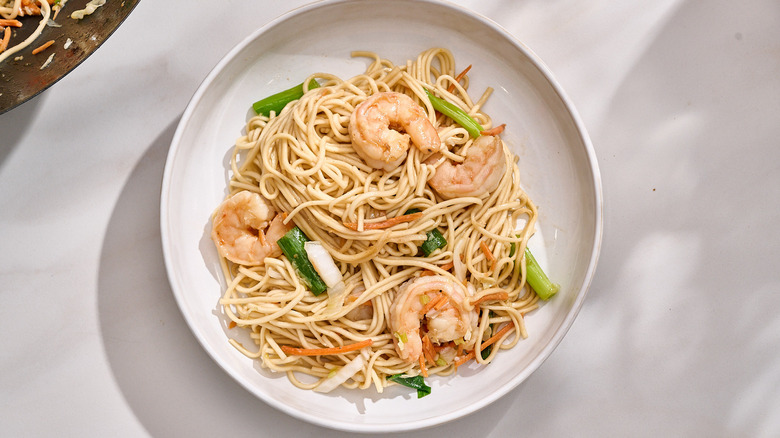
I love ordering takeout as a way to avoid cooking on my busiest days, but often, I really prefer making my food fresh at home. This classic shrimp lo mein recipe highlights the best of takeout in a homemade version — I can have saucy, chewy noodles, crunchy vegetables, and plump jumbo shrimp in about the same amount of time that it might take a delivery order to arrive. Easy, satisfying, and perfectly salty-savory, this shrimp lo mein recipe brings a takeout favorite home without ever needing to place an order.
Gather the ingredients for classic shrimp lo mein
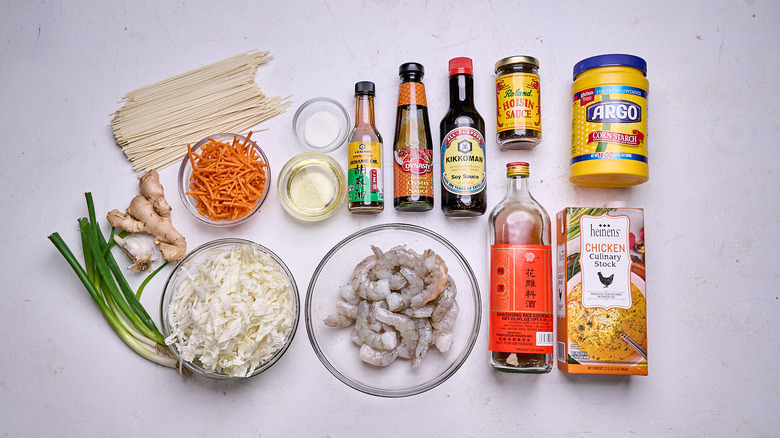
You'll first need shrimp, Shaoxing wine, cornstarch, and soy sauce to marinate the shrimp before cooking. Then, the stir-fry sauce will consist of chicken broth, oyster sauce, hoisin, sesame oil, Shaoxing wine, sugar, and soy sauce. From there, you'll need vegetable oil, green onions, ginger, and garlic to start the stir-fry, as well as julienned carrot and Napa cabbage to add crunch. The last and most important ingredient to grab is lo mein noodles, or Chinese egg noodles, which are similar to spaghetti noodles but are a bit shorter with a bouncier texture.
Step 1: Marinate the shrimp
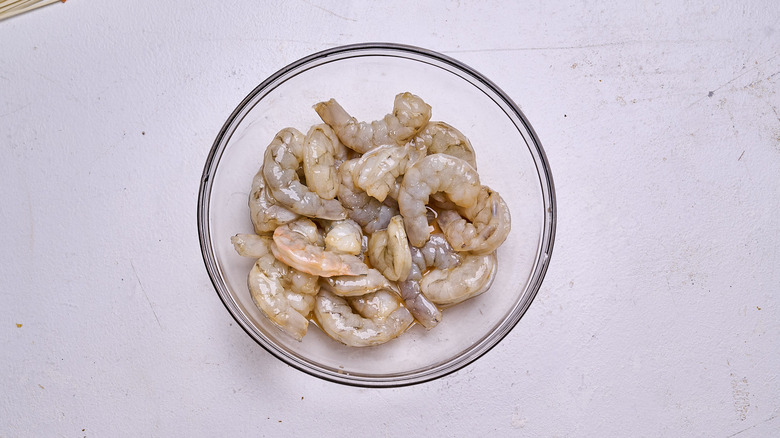
Add the shrimp to a bowl with 1 tablespoon Shaoxing wine, cornstarch, and 1 teaspoon soy sauce. Toss to coat, then let marinate for 10 to 15 minutes.
Step 2: Boil a pot of water
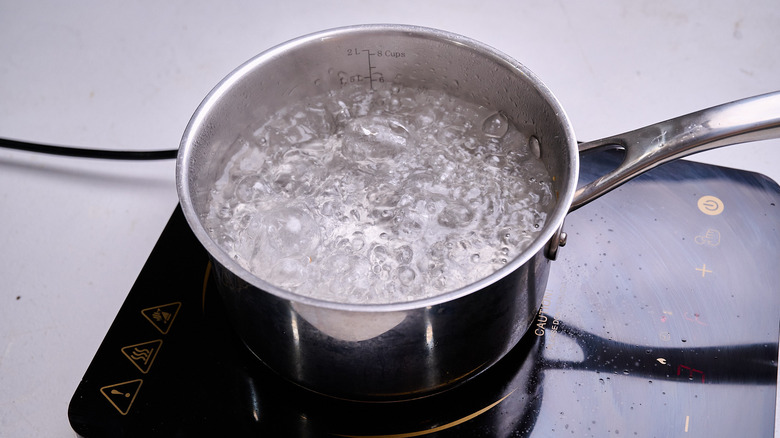
Bring a pot of water to boil over medium heat.
Step 3: Cook the noodles
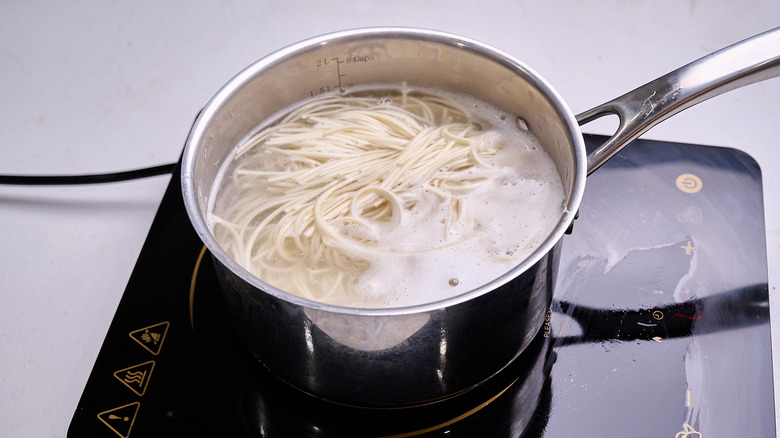
Add the noodles and cook 1 minute under package instructions.
Step 4: Drain and rinse noodles
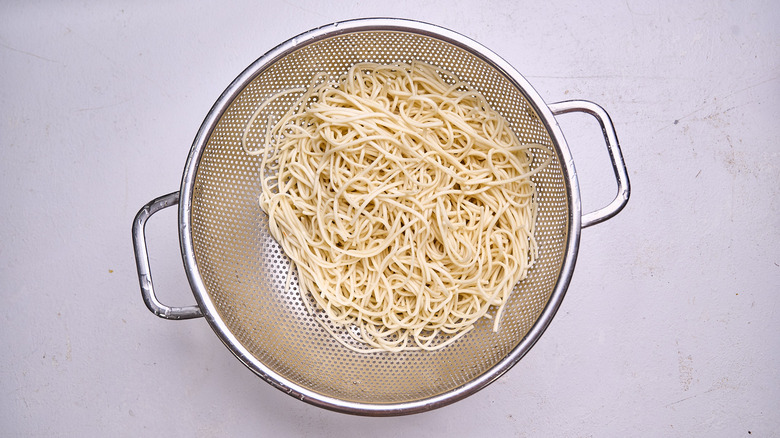
Once cooked, drain and rinse the noodles under cold water. Set aside.
Step 5: Whisk the sauce together
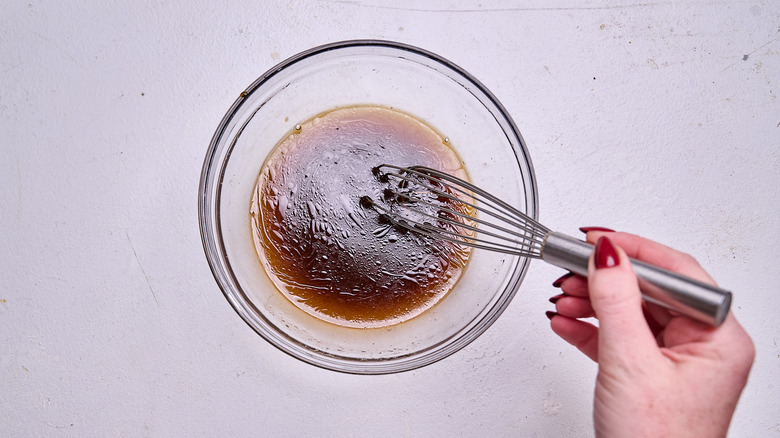
Whisk together the chicken broth, 2 tablespoons Shaoxing wine, 1 tablespoon soy sauce, oyster sauce, hoisin sauce, sesame oil, and sugar in a small bowl. Set aside.
Step 6: Heat oil in a wok
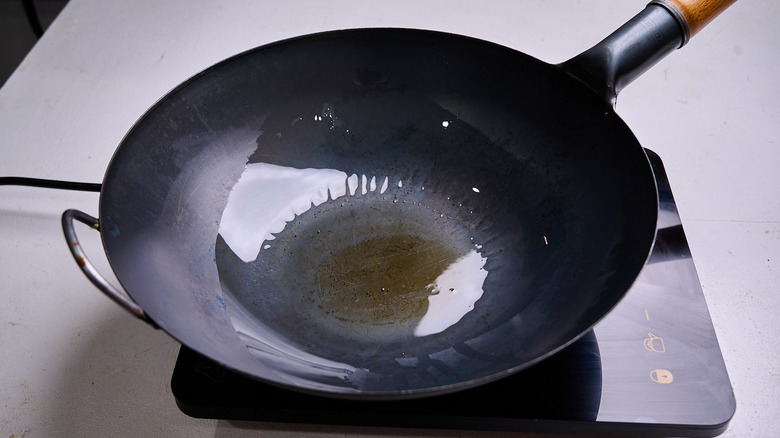
Heat 1 tablespoon vegetable oil in a large wok over medium heat.
Step 7: Cook the shrimp
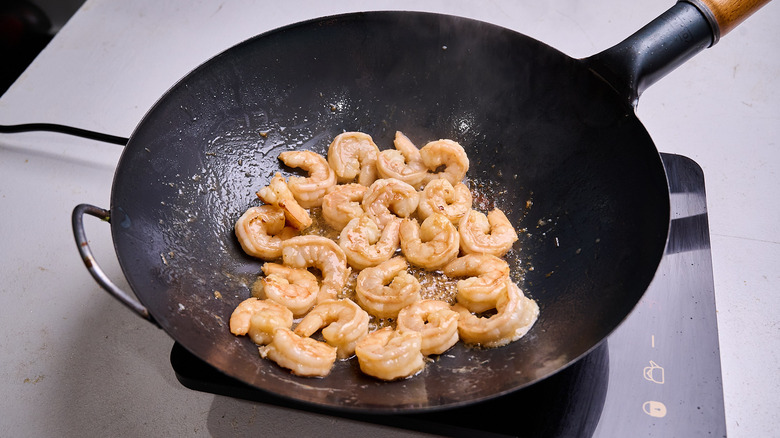
Once hot, add the shrimp and marinade and cook until pink and curled, about 5 minutes, tossing while cooking.
Step 8: Remove the shrimp
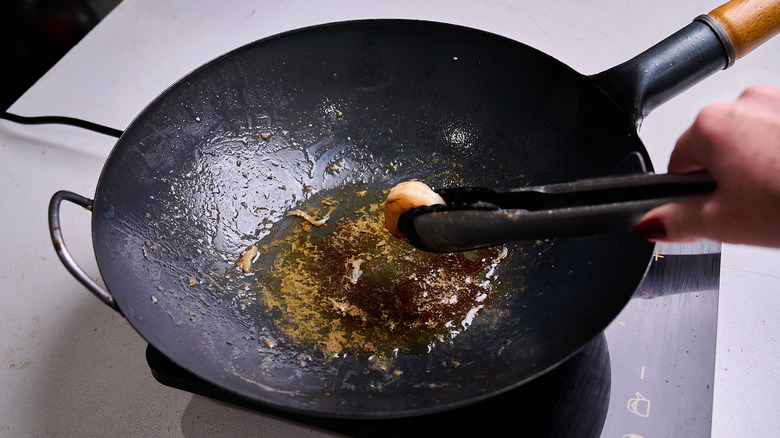
Remove the shrimp and add remaining 2 tablespoons of oil.
Step 9: Add the aromatics
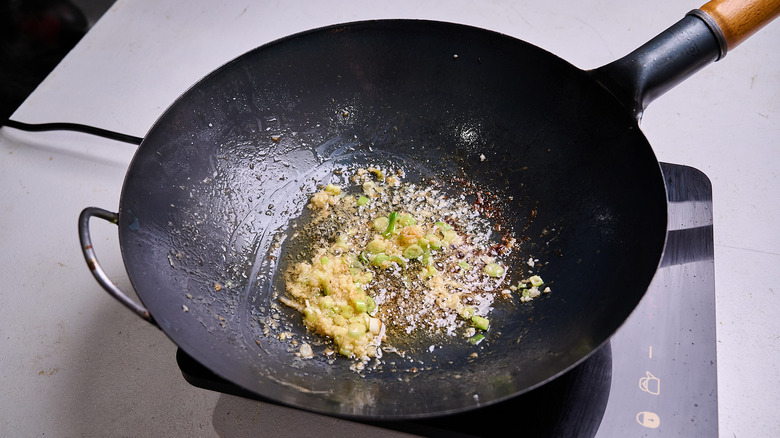
Add the garlic, ginger, and scallion whites and cook until fragrant, about 30 seconds.
Step 10: Add the carrots and cabbage
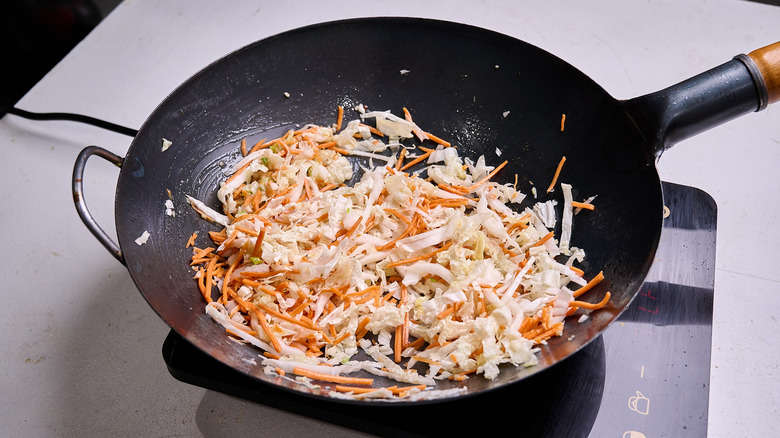
Add the carrots and cabbage and continue to cook until slightly softened, about 4 to 5 minutes.
Step 11: Toss in noodles and sauce
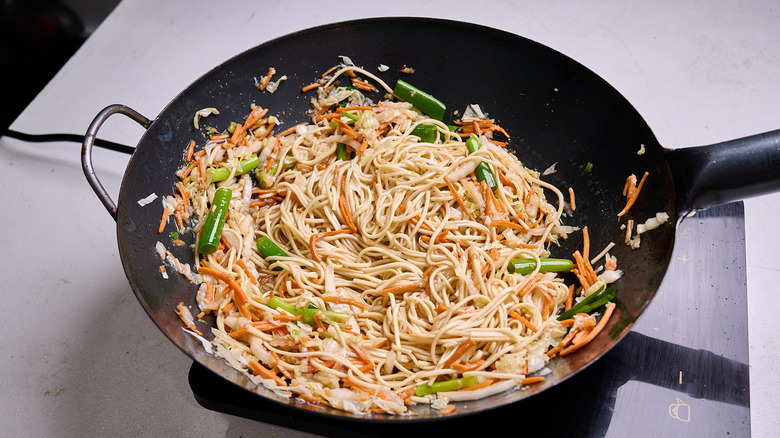
Add the noodles, sauce, and scallion greens and toss to combine.
Step 12: Toss in shrimp and serve the lo mein
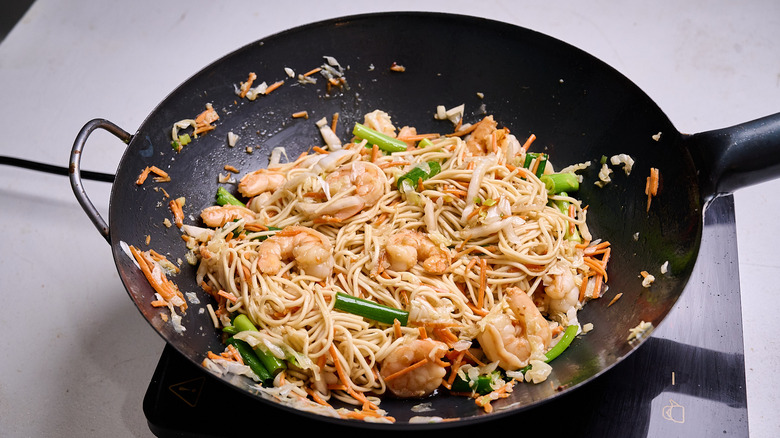
Add the shrimp, toss, and cook until just warmed through, then serve.
What to serve with shrimp lo mein
Classic Shrimp Lo Mein Recipe
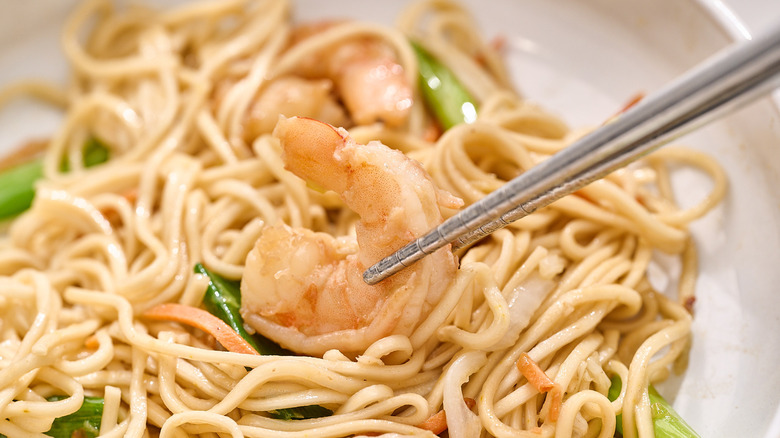
Enjoy a taste of takeout right at home with this classic shrimp lo mein recipe, which features tender noodles, marinated shrimp, and a rich, salty-savory sauce.
Ingredients
- 1 pound peeled and deveined shrimp
- 3 tablespoons Shaoxing wine, divided
- 2 teaspoons cornstarch
- 1 tablespoon + 1 teaspoon soy sauce, divided
- 8 ounces lo mein noodles (Chinese egg noodles)
- ¼ cup chicken broth
- 2 tablespoons oyster sauce
- 1 tablespoon hoisin sauce
- 1 teaspoon sesame oil
- 2 teaspoons sugar
- 3 tablespoons vegetable oil
- 2 teaspoons minced garlic
- 2 teaspoons minced ginger
- 3 scallions, whites and greens chopped and divided
- 1 cup julienned carrot
- 2 cups shredded Napa cabbage
Directions
- Add the shrimp to a bowl with 1 tablespoon Shaoxing wine, cornstarch, and 1 teaspoon soy sauce. Toss to coat, then let marinate for 10 to 15 minutes.
- Bring a pot of water to boil over medium heat.
- Add the noodles and cook 1 minute under package instructions.
- Once cooked, drain and rinse the noodles under cold water. Set aside.
- Whisk together the chicken broth, 2 tablespoons Shaoxing wine, 1 tablespoon soy sauce, oyster sauce, hoisin sauce, sesame oil, and sugar in a small bowl. Set aside.
- Heat 1 tablespoon vegetable oil in a large wok over medium heat.
- Once hot, add the shrimp and marinade and cook until pink and curled, about 5 minutes, tossing while cooking.
- Remove the shrimp and add remaining 2 tablespoons of oil.
- Add the garlic, ginger, and scallion whites and cook until fragrant, about 30 seconds.
- Add the carrots and cabbage and continue to cook until slightly softened, about 4 to 5 minutes.
- Add the noodles, sauce, and scallion greens and toss to combine.
- Add the shrimp, toss, and cook until just warmed through, then serve.
Nutrition
| Calories per Serving | 484 |
| Total Fat | 15.3 g |
| Saturated Fat | 1.7 g |
| Trans Fat | 0.1 g |
| Cholesterol | 230.8 mg |
| Total Carbohydrates | 52.7 g |
| Dietary Fiber | 3.6 g |
| Total Sugars | 6.8 g |
| Sodium | 817.8 mg |
| Protein | 33.0 g |

What are the best noodles to use for lo mein?
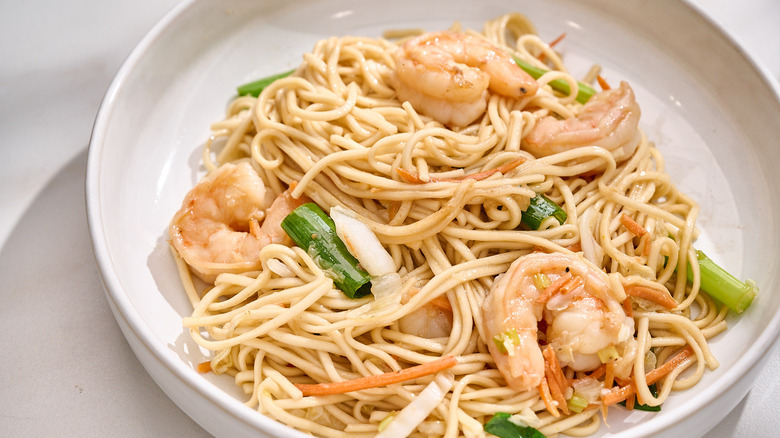
When it comes to making lo mein, you aren't necessarily limited to any one type of noodle, but Chinese egg noodles are one of the best options. These noodles look similar to spaghetti in shape and width, but are chewier and bouncier in texture. I'd recommend specifically using fresh Chinese egg noodles if you can find them, though dried noodles will work as well. Look for fresh ones in the refrigerated section of Asian grocery stores, or dried ones in the international aisles of most grocery stores. The latter will likely be labeled as lo mein noodles and will require boiling for a few extra minutes, while fresh noodles are likely to be labelled as egg noodles and only require a few seconds to a minute of boiling water (but of course, follow package instructions for best results).
If you can't find lo mein noodles specifically, any wheat-based, long, thin noodle will work. This can mean long ramen noodles, flat wide noodles, or even spaghetti in a pinch. Whichever noodle you go with, though, make sure to undercook only slightly and rinse with cold water to prevent further cooking. Keep in mind that the noodles will cook a bit more once they're mixed into the stir-fry, so the goal is to keep them from becoming clumpy and mushy.
What makes restaurant lo mein different from homemade?
You may notice that there's a discernable difference between the lo mein that this recipe yields and lo mein you might order from a restaurant, and it goes beyond one simply being made by somebody else. One key difference is the kitchen equipment, which reaches higher heats in professional restaurants and is designed to cook the stir-fry very quickly. This quick, high-heat cooking method means the noodles, vegetables, and shrimp can remain crunchy without steaming and develop a charred, almost smoky flavor.
Another key difference comes down to the ingredients that might go into the sauce, and naturally, this will vary from restaurant to homemade version. In a restaurant lo mein version, it's common to find a combination of light and dark soy sauces in the noodle sauce, which can alter the final flavor and look of the dish as a whole. Dark soy sauce, which is notably thicker and often a bit richer than light soy sauce, adds a little extra umami depth to the dish, and notably, a darker, glossier color. If you want your homemade lo mein a little closer to a restaurant-style version, try adding a few splashes of dark soy sauce (don't go overboard), cook in a large, seasoned wok over high heat, and work quickly to get that perfect tender-crisp texture and avoid burning.