

15 Underrated Spirits Worth Trying If You're Bored With Your Usual Drink

It's easy to get stuck in a rut, and if you feel that way about your drink menu, we see you. Because it's true: While there are a variety of three-ingredient vodka cocktails you can mix every night, sometimes we just look at that vodka bottle and wish we had something a little more creative. Vodka, bourbon, and whiskey are popular for good reasons, but there are many unique, funky, and often-overlooked spirits that you can — and should — add to your home bar.
We wanted to get some input from the professionals to hear some recommendations for spirits that aren't as popular as they should be, so we reached out to our wonderful network of industry experts. They certainly didn't disappoint, and they gave us all kinds of ideas for spirits that are sure to impress.
The responses we got were outstanding, so we'll opt for introducing our experts as we go along. We will say that we spoke with food and beverage directors, bartenders, and mixologists at some of the hottest hotels and bars around, and when it came time to recommend those under-the-radar spirits, they were very, very passionate about their favorites.
Chili liqueurs and spirits
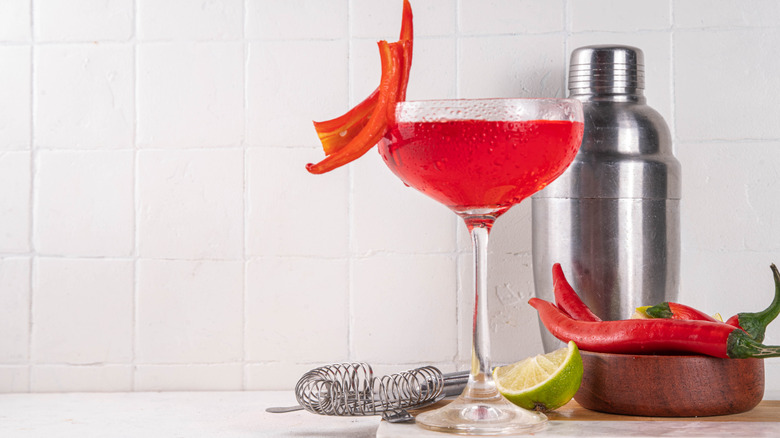
Using new spirits that feel like they're a little bit out of your wheelhouse can be intimidating, but it doesn't have to be. Clinton Fowler, the Director of Food and Beverage at Black Rock Mountain Resort, told us that taking old-school cocktails and classic favorites as a starting point is a great way to build something new by adding a little bit of creativity. "We try to create cocktails that evoke a sense of place, while retaining the character of their components," he explained, mentioning the bar's Adios NOLA cocktail as a great example. The cocktail uses chili liqueur in combination with tequila to create something that's wonderfully — but not overpoweringly — spicy.
Chili liqueurs and spirits are a great thing to keep on hand for any drink that might benefit from a little bit of warmth, and there is no shortage of cocktails that can be given a serious upgrade with this spicy spirit. Add it to an old fashioned, bloody mary, your favorite mule, or even a margarita for an easy upgrade.
Amaro
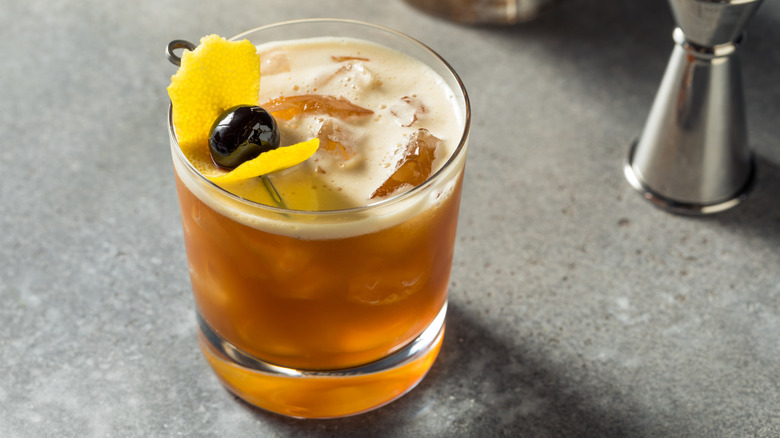
Clinton Fowler also recommends looking to amaro to add herbaceous balance to cocktails. It's an herbal liqueur, but at the same time, it's so much more. Amaro has been around for a long time, and there are many varieties, ranging from citrus-forward to spicy and floral. It was originally invented as a medicinal tonic and digestive in the 1200s, and Aperol is one of its most famous representatives. Aperol Spritz is an easy-to-make cocktail that anyone can master, but that's just the beginning of the amaro world — and once you spend some time reading labels, you're bound to find there's one out there for you.
Rohit Ray, the Food & Beverage Operation Manager at The Ritz-Carlton, Tysons Corner, agrees. "Amaro is probably the category I have the most fun introducing to guests because there is no single 'amaro flavor.' Some are citrusy and easy-drinking, while others are intensely bitter, herbal, or earthy. ... That discovery is part of what makes the category so interesting," shared Ray.
Jennifer Turano is the Food and Beverage Manager at Topside Terrace Kitchen & Bar at Hotel Republic San Diego, and she suggested fernet, a type of amaro that might be one of the best-kept secrets in the bar industry. Fernet, and Fernet-Branca as its most famous representative, is a very distinctive, complex type of amaro – a liqueur that's herbal, very minty, and offers a bitter kick. It's a favorite among industry professionals, and though it makes a great digestif, you might also find it mixed with cola.
Genever
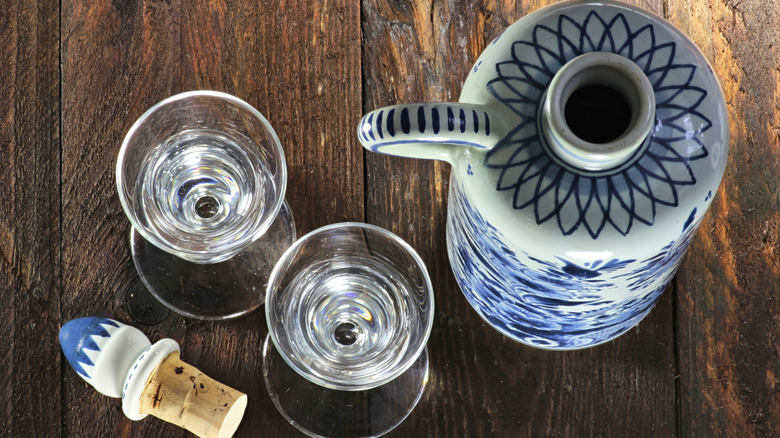
For this one, we're going to head to Oklahoma City and check in with Zak Lindahl, Beverage Director at The National, Autograph Collection. He recommends genever, a Dutch spirit with a unique drinking ritual. This neat spirit is gin-adjacent, somewhat Scotch-like, and it owes its existence to the spice trade of the 16th century. You'll see it spelled a bunch of different ways and there are almost as many variants that include aged and unaged spirits, botanical-forward varieties, malty types, and more neutral spirits. It was so popular that it quickly spread through nations allied with the Dutch.
"[Genever] has got some of that familiar gin character, but the malted grain base adds more weight and depth," Lindahl explained. "[It] works great in classic cocktails, while still tasting like something new." Look at this one to spruce up a Negroni, julep, or for a boozy hot chocolate — it's sure to be a warm-you-from-the-inside favorite.
Rhum agricole
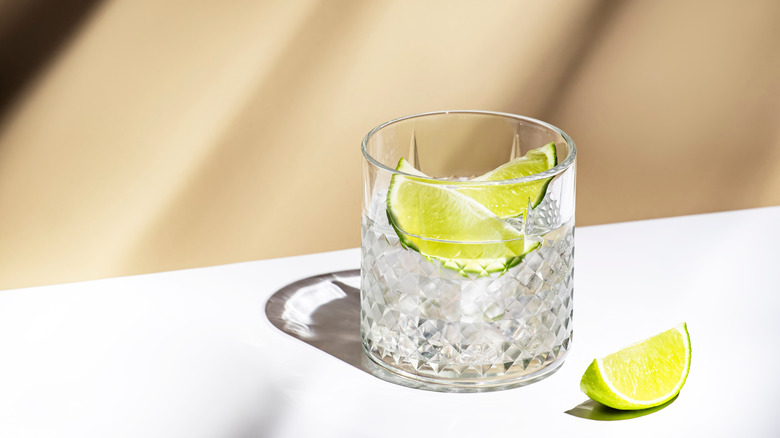
Zak Lindahl also recommended rhum agricole as an oft-overlooked option. This isn't your typical rum. Thanks to molasses and sugar, rum can lean into the sweet side of things, which is not for everyone. As Lindahl explained, rhum agricole doesn't do this. "If you're used to the usual molasses-based rums, it's a totally different animal: grassy, earthy, and a nice way to add complexity without leaning sweet or fruity."
Rhum agricole traces its history back to French colonies in the Caribbean, and the key ingredient in its production is the fresh sugarcane juice. A fascinating mix of history that involved Napoleon, the cross-Atlantic sugar trade, and a blight that nearly destroyed the French wine industry all led to the evolution of rhum agricole as the preferred drink option. With its herbaceous and subtly bitter profile, incorporate it into a piña colada or a daiquiri for something wonderfully different.
Aquavit
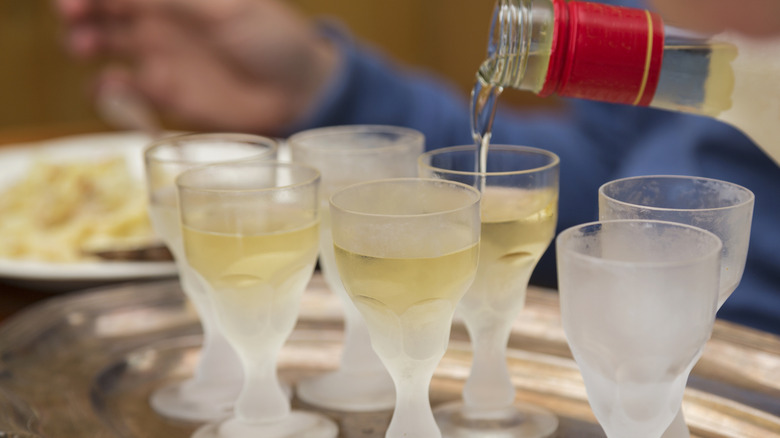
If you've heard of aquavit and written it off as something that's just sort of vodka-adjacent, you're seriously missing out. That's according to Kenna Chipman, a bartender for Farley at Cavallo Point. Chipman told us, "Aquavit is easily one of the most underrated spirits out there, especially for gin drinkers looking for something new. It brings a bit more weight to the glass with those traditional caraway, dill, and fennel notes, making it perfect as the weather cools down. Because every region and distillery uses a slightly different botanical blend, opening a new bottle is always a fun experiment."
If there's anything we can get behind it's finding a new style of spirit to explore, and that's what aquavit delivers. This traditional Scandinavian spirit might be made in a way similar to vodka, but that kick from caraway is actually required by law. If you're wondering about the right way to drink aquavit, it can be chilled and enjoyed neat, used in cocktails like a martini or Tom Collins, or even added to coffee.
Green Chartreuse
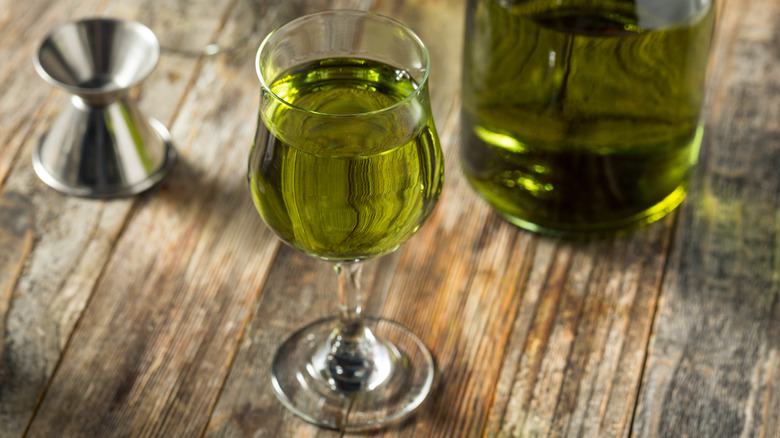
Green Chartreuse is a delightful, botanical-forward liqueur originally made with a whopping 132 different plants and spices. There's no mistaking the unique, over-the-top flavor this one brings. It's also a great way to add some variety to your home bar, a suggestion that comes from Teddy Petit, a bartender at Casa 71 at The Westin La Paloma. "The most underrated spirit to try if you're bored of your usual cocktail is Chartreuse, specifically Green Chartreuse," Petit told us. "I prefer it neat, but it's just as good incorporated into modern-style classic cocktails, if done correctly."
Use it in the last word alongside gin, or dress up a celery gimlet, but it's also pretty amazing in a Sazerac. Pairing it with rum can be a little tricky but entirely possible, but keep in mind that it's very, very strong. There's a little bit of peppery kick to be found here and some licorice vibes that definitely don't hide behind the botanicals, and you can also use it to give a whole new dimension to your favorite tiki classics.
Cachaça
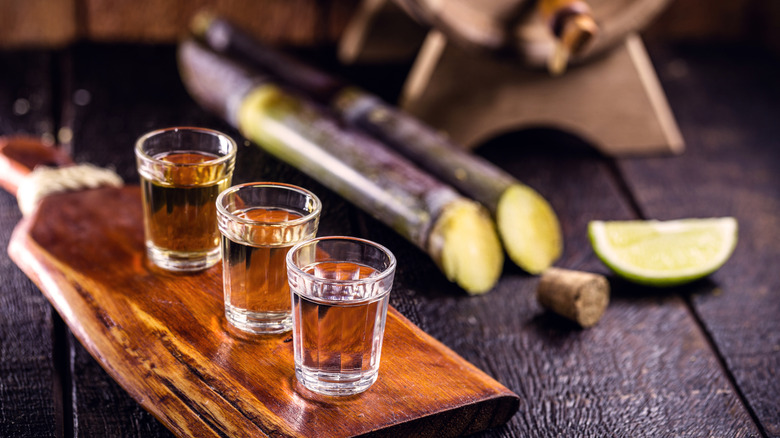
Cachaça is the historic spirit that stars in Brazil's national drink, the caipirinha. It's also a bottle you should have on your radar, a recommendation that comes from Brandon Crumpler, a bartender at The Ranch at Laguna Beach. Crumpler told us that even though cachaça might be considered rum-adjacent, it still "differs completely in taste and distillation method from Caribbean rums." Since the best cachaça comes from pure cane sugar juice, you can expect a completely different flavor. "This gives cachaça its unique vegetal, grassy, and tropical fruit notes," he said, adding that he usually recognizes banana-like notes.
The classic caipirinha cocktail calls for cachaça, lime, sugar, and ice, and it really is super easy to make. Cachaça has some sweetness and herbal notes on the nose that put it right at home in a number of drinks. Crumpler suggests using it in a mai tai, and you can also swap it into something like a Negroni or vesper.
Grappa
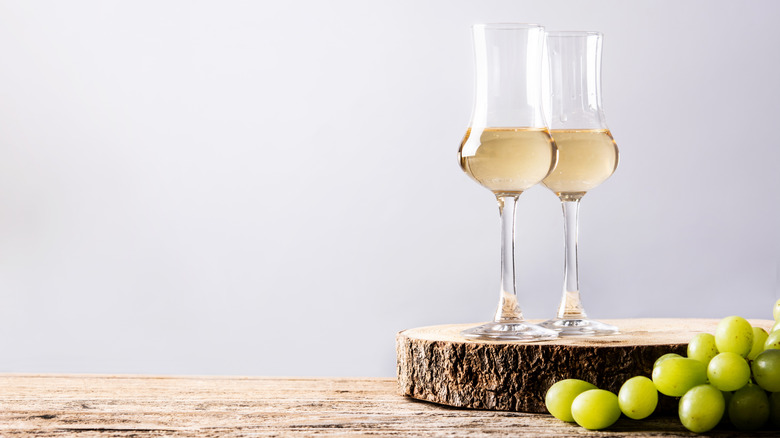
It's entirely possible that someone who tried grappa a few decades ago might not be eager to recommend this spirit. These days, that seems unfair, as this Italian brandy-esque spirit has come a long way. Initially created from the waste products left behind by the winemaking process, it's become a little more upscale. Today, more attention is paid to the quality and flavors that come through in the final product — this mainly comes from the use of different grape varieties. According to Andrea Baldi, it's a wonderfully diverse spirit.
Baldi, the Bar Manager at Kimpton Grand Roatán Resort & Spa, explained: "Grappa is worth exploring if you're looking for something different. It can vary hugely depending on the grape, aging, and whether it's flavored, so there is a surprisingly wide range of variations to discover." Grappa has a long history back to the 15th century, and while you can use it in some cocktails, you can also use it to add an extra kick to your coffee, or just sip it straight, preferably slightly chilled.
Sotol
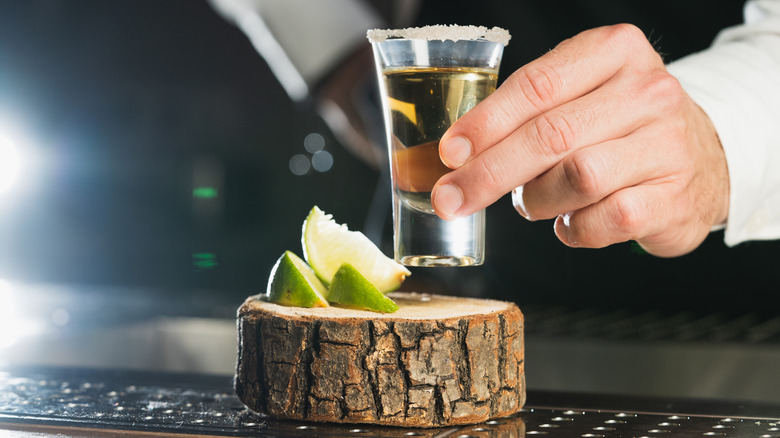
Tequila can bring complexity to a cocktail, but working with it can have a learning curve. There are a lot of dos and don'ts involved in crafting quality, tequila-based cocktails, and if you're looking for something that's just a little bit different, Nicolas Pierregrosse — the Director of Beverage at The Ritz-Carlton, Naples – suggests turning to sotol. Think of it as a cousin of tequila in that it's made from a sotol plant that's similarly related to agave, with methods that are just a little bit different. The result, Pierregrosse says, is something extraordinary.
"Sotol, without hesitation, is absolutely underrated, and deserves more attention," he told us. "It's earthy, herbal, and can range from fresh and grassy to mineral and subtly smoky. It is really the next step between tequila and mezcal. Needs to be tried neat first, and then you can appreciate it in a cocktail, as it brings depth and body to a drink." As for what cocktails to experiment with, sotol makes an excellent margarita, martini, old fashioned, or sour, especially when paired with things like orange, pineapple, grapefruit, and lime.
Pisco
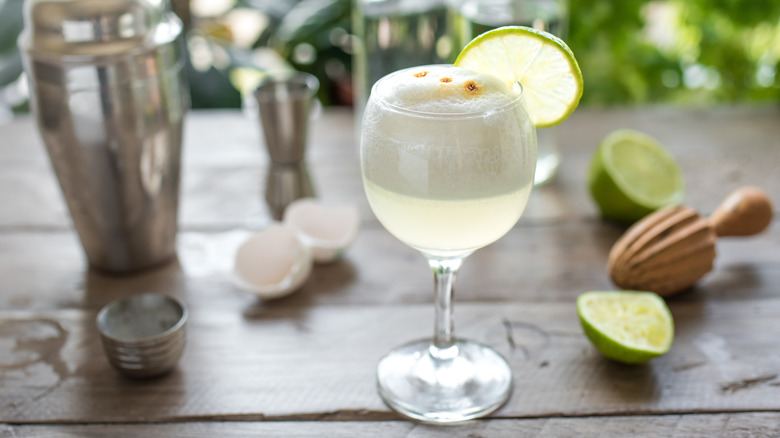
Pisco is closely associated with Peru and Chile, and it had a moment in the spotlight back in 2015. Peruvian pisco is a little unique in that it has to be made from only eight different grape varieties, and while many spirits spend some time mellowing out in wood, regulations forbid that step in the Peruvian pisco-making process. The spirit is distilled once, there's no water added to adjust the proof, and there's no extra additives allowed, either. Because of the different varieties and combinations of grapes that can be used, you'll find pisco that ranges from sweet and spicy to tropical and earthy.
Rohit Ray told us that pisco remains a vastly underrated spirit in the U.S., and says that even though the pisco sour did become trendy, it's still vastly underutilized. "It can be floral, fruity, and really aromatic, which makes it very versatile in cocktails," Ray advises. It also makes a brilliant Collins, martini, or fizz, and it's also pretty delicious in a sangria-adjacent punch.
Calvados
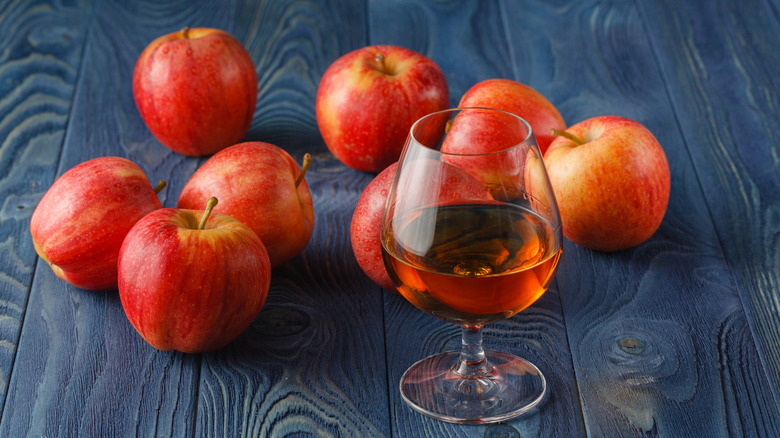
Rohit Ray also recommended that we go to France and discover Calvados, an apple brandy with a history that goes all the way back to the mid-16th century. Making Calvados is strictly regulated and must be done in Normandy. This aged spirit — sometimes made with the addition of pears — makes an excellent after-dinner sip or the kind of drink that you'll use to wind down in the final hours of the day.
Ray explains: "If someone enjoys whiskey or Cognac, it can be a really interesting next step. You still get the complexity and oak, but then you have that apple and orchard-fruit character in the background." It's also an ideal bottle to keep on hand for those nights when you don't want to fuss with a cocktail. It's complex enough that it can stand on its own, and Ray says that a neat pour is all you really need.
Nixta
Samantha Diaz, the Director of Food & Beverage at The Westin Nashville, recommends checking out Nixta, a unique and funky corn liqueur from Mexico. It's made using an incredibly old process, which predates the Mayan civilization, called nixtamalization. The method involves treating corn in alkaline mix that changes the structure and nutritional content of the corn. Now, it's also used to create a liqueur that's earthy, sweet, savory, and wonderfully complex, all at the same time.
Nixta doesn't just bring the flavor, it also brings a distinctive mouthfeel that can help elevate the texture of a cocktail. If you're wondering what that's going to work in, have no fear, Diaz assures us. "It's versatile and can be a substitute for syrup in really any cocktail recipe. I recommend replacing the demerara in an Old Fashioned with Nixta for something familiar, but completely different than your usual cocktail."
Mezcal
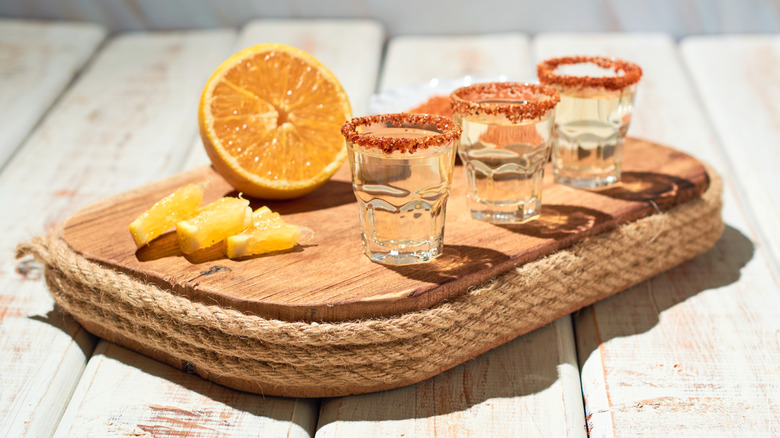
There are some stellar mezcal brands on the market these days, and if you've ever debated about trying this spirit but never got to it, consider this the sign you've been waiting for. Luigi Tartaglia, the head bartender at The American Bar at The Stafford London, told us that mezcal is a great way to change things up. "It's incredibly versatile and can add a completely different dimension to familiar cocktails," he says. "For example, swapping tequila for mezcal in a Paloma brings a subtle, smoky character while keeping the drink fresh, bright, and refreshing." Tartaglia also says that mezcal can sometimes be used in the place of gin, yielding a different yet still well-balanced complexity.
If you're wondering what the difference between tequila and mezcal is, we've got you covered. Tequila is a specific type of mezcal, as mezcal can be made from a wide range of plants within the agave family, while tequila gets much more specific. You'll find a lot of variety in mezcal, particularly when you start exploring the difference between aged and unaged spirits.
Bénédictine
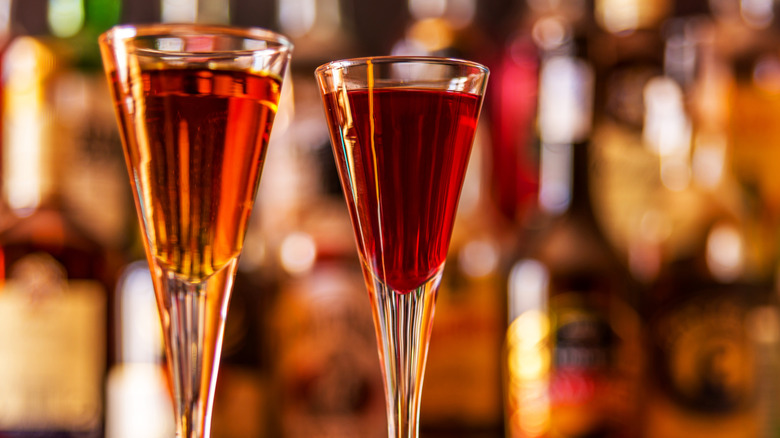
Carla Carbone is the Bar Manager at W Sardinia — Poltu Quatu, and she suggests checking out a liqueur called Bénédictine. It's one of the ingredients in a Vieux Carré, a cocktail that she describes is "enhanced by the herbal and honeyed Bénédictine and precise bitters."
Bénédictine is another one with a very long history. It is said to have been originally created by — as the name suggests — 16th century Benedictine monks. The production process is complex and top secret, while the liqueur is amazingly deep, delivering spiciness and sweetness with notes reminiscent of cedar, ginger, and warm winter spices. It works well with several spirits — including whiskey and gin — and makes excellent cocktails. Use it to turn your favorite old fashioned, Tom Collins, whiskey sour, or Manhattan into something delightfully new.
Absinthe
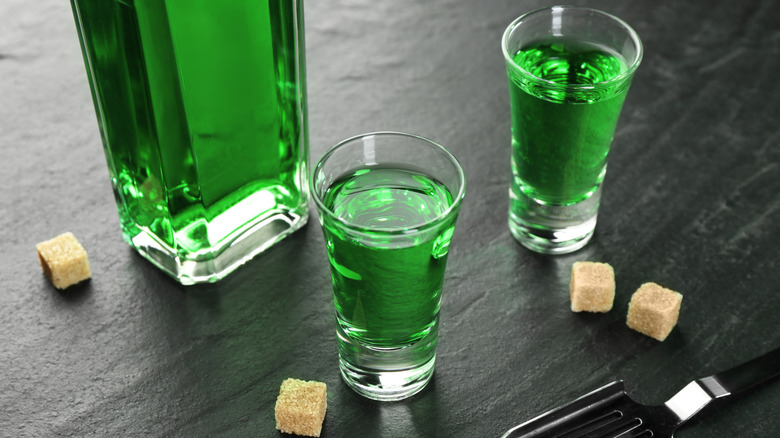
Here's one more suggestion coming from the author. Absinthe is something I've enjoyed for a long time, and it's also something I was able to explore more during my time behind the bar at a restaurant my husband and I ran together. When customers came looking for something new, there was something unparalleled about their reaction when you put a bottle of absinthe in front of them. To be clear, there's absolutely nothing that makes absinthe more dangerous than any other strong spirit, but it's a drink with a reputation. It's the drink of artists and decadence, and it still has an allure of being a little bit risqué – which is an incredibly fun thing to share.
That said, absinthe isn't for everyone. If you like black jelly beans, black licorice, and anise, you'll love it. (If you hate those strong flavors, maybe give this one a miss.) The ritual of preparing absinthe with those special spoons, sugar, and a drip of water is absolutely part of the experience, and absinthe actually makes outstanding frozen cocktails. You're unlikely to get a visit from any actual green fairies these days, but I'd argue it's still delivering an outstanding experience from start to finish.