

10 Common Mistakes Everyone Makes Using Electric Cooktops
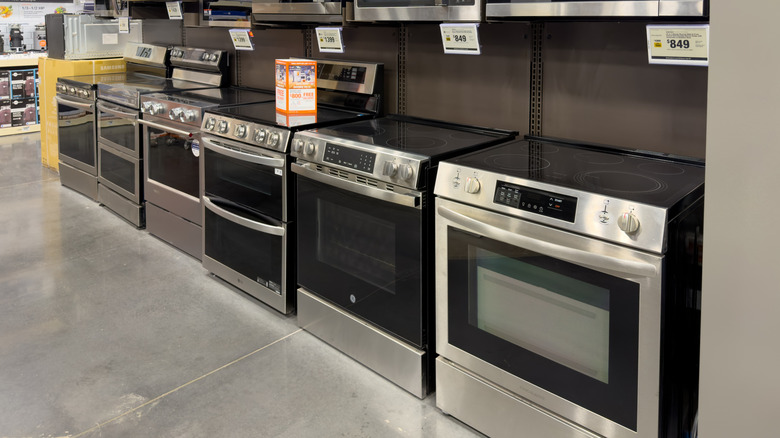
If you love renovation shows or home design magazines, you know that almost every showpiece kitchen revolves around an oversized, professional-looking gas stove. There's lots to like about gas stoves (even the ordinary, everyday kind), but for a lot of us, electric cooktops are our daily reality.
There are a lot of reasons for this. Gas isn't available everywhere, for one, and adding it to your house can often run up to $1,000 or more. (And that's before you add in the cost of the range!) Some people also worry about the potential for explosions or the growing health concerns around gas stoves. You may be a renter in a building with all-electric appliances or a homeowner whose budget only extended to electric range options. Whether you're on a budget or a "recovering" gas lover looking to make a change, there's an electric cooktop for you. They fall into three main camps: smooth-surfaced glass and ceramic cooktops, modern induction cooktops, and old-school electric-coil cooktops.
As a trained chef — and at home, as well — I've worked with gas stoves and all three kinds of electric cooktops. Each has its own quirks, and I've seen (and made) plenty of the mistakes that can happen with them. Here are 10 examples that I've seen most often.
Forgetting to level the stove
Let's start with a Day One problem. Slide-in and freestanding ranges have adjustable feet underneath, so you can level them when they're installed. That's an important step in the process, so if you didn't do it then — or if the house has settled in the years since — you'll need to do it again.
Why does this matter? Well, first and foremost, an off-kilter cooktop interferes with even cooking. If it's off-level, the water in your pots will be deeper on one side than the other, which means you can boil dry and scorch on one side while there's still water on the other. In your skillet, oil and liquid ingredients like eggs will all tend to gather to one side, leading to uneven and inconsistent cooking. It's an annoyance you can do without, and it's easy to fix.
You'll need a wrench or a pair of locking pliers, plus a carpenter's level. Place the level diagonally across one pair of front and back burners, then again across the other two. Note how far out of level it is, and then turn the feet clockwise or counterclockwise to raise or lower each corner until your range is level. On older ranges, one or more of the feet might be broken and need replacing, in which case you'll need to pull out your range partway, tip it back, and put blocks in place to hold it while you replace the affected legs. This applies to all electric cooktops.
Not cleaning underneath the burners
One of the big positives of glass-topped conventional and induction cooktops is that they're easy to clean. Spots and spatters show up easily on their smooth surfaces, but you can wipe them away just as easily.
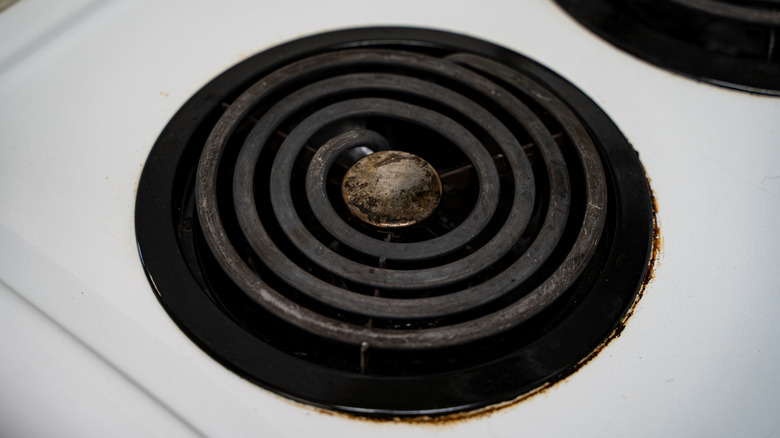
Electric-coil cooktops are a different story, but they're still plentiful because they're inexpensive and provide solid, durable day-to-day practicality with minimal maintenance. Minimal doesn't mean no maintenance, though, and one of the most common chores is cleaning underneath your burners. If you don't take the time to do this, spills, drips, and food debris will build up there, and the built-up gunk can cause smoke, unpleasant smells, and sometimes even pest infestations.
Your first step is removing the coils, so you can get at the drip pans underneath. On most cooktops, they'll just pull out easily. Wipe the coils with a damp cloth and set them aside, then pull out the drip pans. Drip pans aren't hard to clean, though they might take some soaking and scrubbing. Some food debris always manages to make it past the drip pans onto the sheet metal below, but you can usually lift the entire cooktop to expose that area and make it easy to clean. (Check your user guide or the manufacturer's website.) This applies to coil cooktops only.
Not cleaning the electric cooktop after every use
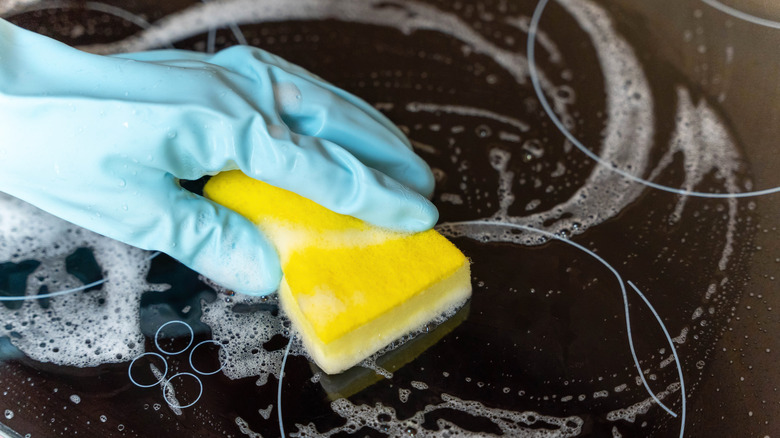
Even the busiest home kitchens don't turn out the same volume of food as a restaurant, but some of the same rules apply. One of them is that the best time to clean your cooktop is as soon as possible after every use.
Simply put, it's easier to keep your cooktop clean than to get it clean after it's dirty. If you leave spills and spatters on your stove, they'll tend to dry up and harden, and heat from your next meal can cook them in place. Either way, they become a lot harder to clean after the fact. What might have needed only a quick wipe with a damp cloth if it was dealt with at the time now requires soaking and scrubbing. (There's a reason "clean as you go" is a mantra in commercial kitchens.) This is especially important with electric coil cooktops, the kind I currently use, because food and drips can get under the coils. That can lead to a sudden, malodorous reminder of the oil or cheese sauce you spilled last night.
As generations of line cooks have learned, it's better and easier to clean everything while the drips and spatters are fresh and clean. It's less work for you in the long run, and it helps keep your kitchen clean and eye-pleasing. You can even steam-clean your stovetop to make this process super-convenient. This applies to coil, ceramic, and induction cooktops.
Carelessly using cast iron
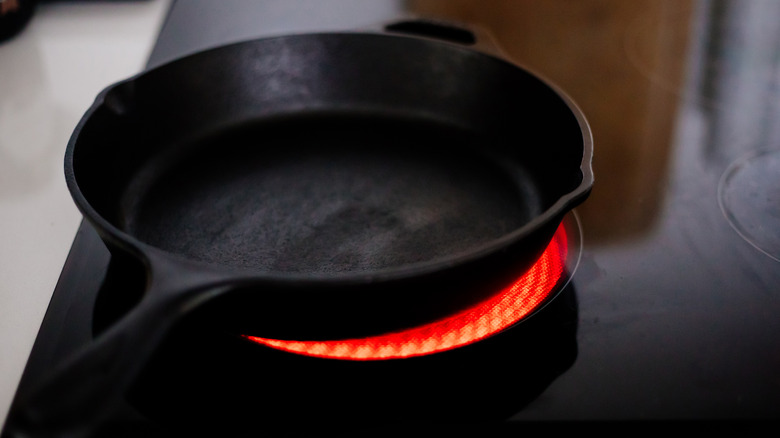
Cast iron has a devoted following, despite (or because of) being such a low-tech form of cookware. Cast iron skillets and Dutch ovens are especially valued, from collectible vintage rarities to long-lasting enamel-coated Le Creuset in bright colors.
One of the cool things about cast iron, despite its low-tech status, is that it'll work on any kind of cooktop, up to and including state-of-the-art induction. It will give you the same benefits — excellent heat retention, great searing, and stovetop-to-oven capability — no matter where the heat is coming from. But cast iron can also pose a significant threat to your cooktop if you use it carelessly.
They're most problematic for glass-topped conventional and induction cooktops, because of their weight and the relatively coarse texture of cast iron. Sliding your pans along the glass can scratch and mar the surface, marking it permanently and (potentially) leading to further damage in future. Because the pans are heavy, they can also chip or crack the glass if dropped and can even chip the enameled finish of a coil-type cooktop. You can use cast iron on glass cooktops if you're careful not to slide it along the surface, but the best pan for glass surfaces is usually something lighter and with a smooth bottom. This applies to glass cooktops, conventional or induction.
Forgetting how long the elements stay hot
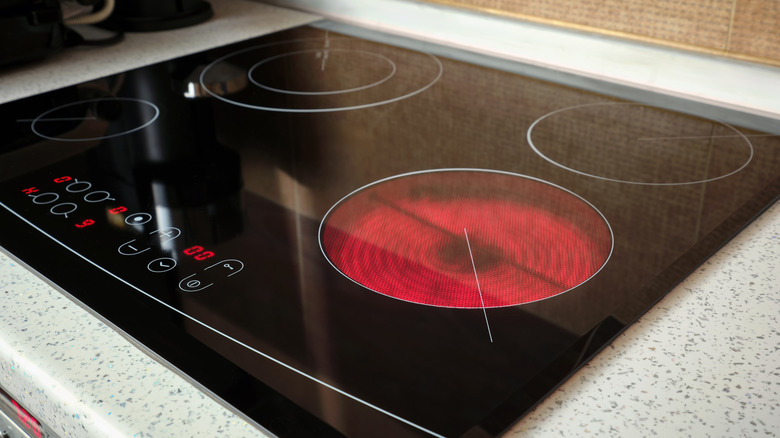
One of the big reasons cooks and chefs love gas is its responsiveness, meaning that when you raise or lower the heat, you'll see the result in your pan right away. Conventional electric cooktops, including both the glass-topped and conventional electric coil variety, are quite the opposite.
Glass cooktops, especially older models, take a relatively long time to heat up, because the actual heating elements are set beneath the tempered glass or ceramic surface. Then, once the glass surface has absorbed that heat, it's quite slow to cool again. If you're used to the quick responsiveness of gas or induction, that can be maddening. Electric coils aren't as slow to heat or cool, but the coil itself retains heat for longer than you might think.
This poses a risk, should you absent-mindedly touch the burner area before it's fully cooled, or set a shopping bag or plastic food-storage container on one as you pack up your leftovers. Recent-model glass cooktops typically have some kind of "hot burner" warning indicator, but older models may not, and neither do coil-ring cooktops; the coils cool more quickly, because air can circulate around them. Induction cooktops have an advantage there, because they don't get hot like regular burners. (They heat the pot instead.) They can still be uncomfortably hot to touch, because they'll absorb some heat from the pot, but you probably won't be injured. This applies mainly to glass and electric-coil cooktops.
Using abrasive scrubbing tools or cleansers
I've mentioned that cleaning the cooktop after each use is the smart (and easier) way to keep it clean and working well. But it's entirely possible to go too hard on the cleaning, especially if you've let things build up.
The problem is the tools you use to get your stove clean. If they include things like steel wool, curly-coil metal scrubbing pads, or aggressively abrasive cleaning products, those can all cause damage to any type of glass cooktop. Over time, they can even degrade the tough, enameled surface of an electric-coil cooktop. The problem is that these all cause fine scratches and abrasions on the surface, which spoil your cooktop's appearance in the short term, and in the long term, this may lead to deeper cracks or permanent damage.
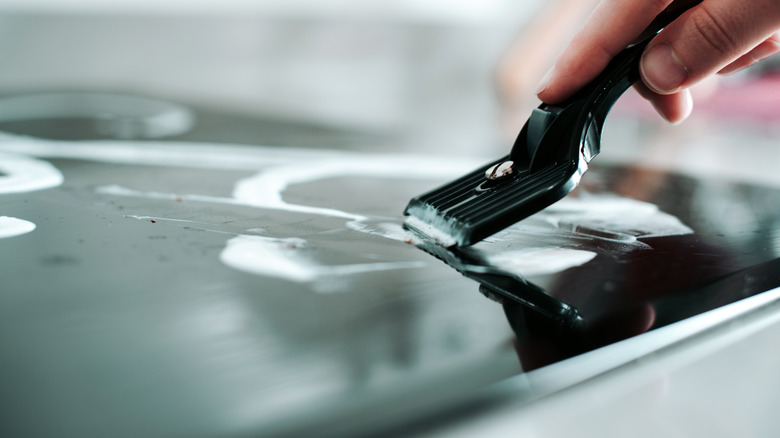
Manufacturers typically recommend using a specialized ceramic cooktop cleaner, which is non-abrasive and leaves the surface gleaming when you're done. Use nylon scrubbing pads, rather than metal, to work on the spills with your chosen cleanser. A single-edged razor-blade scraper (with a fresh, undamaged blade) is the best tool for removing stubbornly burnt-on food. You might also opt for natural alternatives to commercial cleansers, cleaning your stovetop with borax or baking soda. This applies mainly to glass and ceramic and induction cooktops.
Ignoring signs that your coil burner is failing
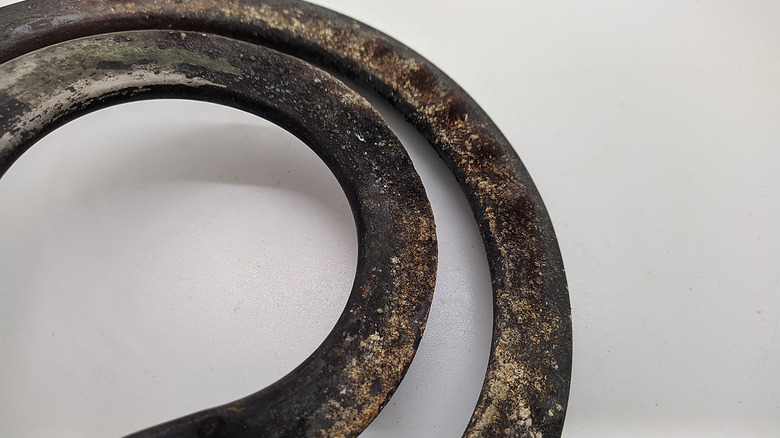
As a home cook, I've used coil burners for much of my life, because gas historically hasn't been widely available in my home region of Atlantic Canada. After working with them for decades, especially in a few ill-maintained rentals, I've seen coil burners fail repeatedly. It's not fun.
The most alarming symptom is sparks when you turn on the burner. That's usually a loose wire where the element connects, which may or may not be a DIY fix — when in doubt, call a pro. If the burner itself is failing, you may see blisters, bubbles, or cracks on the burner element, or one spot where the coil glows red-hot at any temperature setting. (I had this happen last year.) Those all mean you should replace the element immediately. I've personally had a failed burner melt a hole in a pot in the few moments I had my back turned.
If you see any of these symptoms, don't procrastinate. It cost me an expensive clad Dutch oven, but it could have been much worse. A failing burner is a fire risk. Replacement elements are inexpensive and easy to find for most major brands; just remember to look for one with the same connectors on the element. This applies to electric coil cooktops only; a failed burner in a sealed glass cooktop or a failed coil in an induction unit requires a service call.
Not matching the pan to the burner
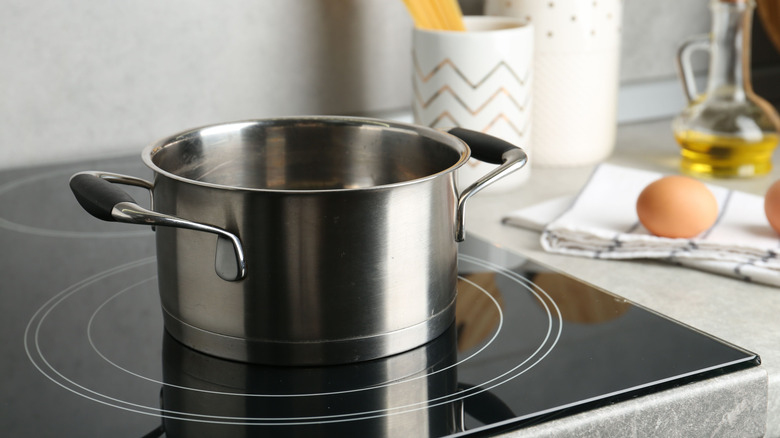
This covers a couple of issues. The biggest is a matter of size and efficiency: A large pot or pan on a small burner won't heat edge to edge, so you'll see uneven cooking, and a small pot on a large burner wastes heat (and money on your power bill).
A small pot on a large burner can also result in the handles becoming dangerously hot to the touch or possibly even melting, although the risk isn't as high as it would be with a gas stove. In restaurant kitchens, we say that "every handle is hot until proven otherwise," and I can personally vouch for the accuracy of this piece of professional wisdom. In the case of an induction cooktop, excessive heat isn't an issue, but a pan larger than the cooktop's heating coil will (again) not heat evenly to its edges, while an undersized pan may not be detected by the cooktop. In that case, it simply won't heat at all.
One final mistake is not choosing a pan made of suitable materials. Induction cooktops won't work with every pan, for example, because they rely on magnetism. That rules out aluminum at the low end and copper at the high end. On the other hand, copper is prized for its quick, responsive heating and cooling, so you won't have much incentive to spend the big bucks if you're using it on a slow-heating glass cooktop. This mistake applies to all electric cooktops.
Forgetting about thermal shock
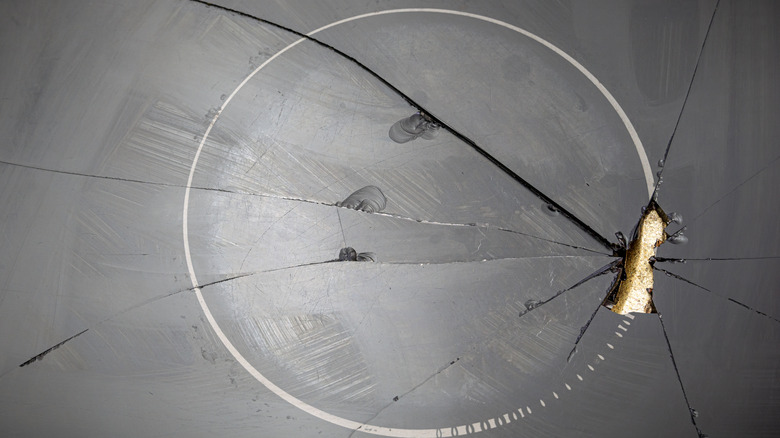
Have you seen those viral videos of "heatproof" glass shattering violently? Usually, it happens when liquids are poured into a roaster or measuring glass, or when a glass roaster comes out of the oven and is set down on a stone countertop or a metal stovetop.
There are several possible reasons for glass dishes to explode like that, but they all boil down to a thing called thermal shock. The short version is that by going too quickly from hot to cold (or vice versa), you stress the glass past its limits. Thermal shock can damage even metal pans, but glass is especially susceptible, and that applies to glass cooktops, as well.
They're made from an especially sturdy, heat-resistant form of glass, which means they tolerate temperature changes up to a point, but no further. If you take one of those freezer-to-oven casserole dishes and put it on a hot burner, or if you splash a still-hot cooktop with cold water to clean it, the resulting thermal shock can crack the cooktop or in some cases shatter it completely. Either way, you'll need to have the cooktop serviced or replaced at your earliest opportunity, because a cracked glass stovetop can give way completely with little or no warning. This applies to conventional glass cooktops, and less so to induction cooktops (because, as mentioned before, they don't get as hot).
Putting too much weight on a burner
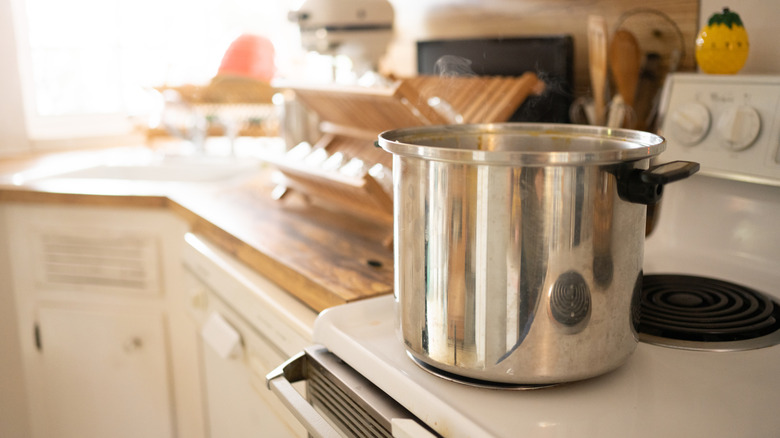
Do you love to cook for a crowd, put up vast batches of jams and jellies, or do meal prep for a whole week? Well, you may be stressing your cooktop to the very edge of its weight limits, or beyond.
Overloading a glass or induction cooktop can crack the tempered glass, which, as I've just mentioned, will usually lead to the cooktop's slow failure. At best, it calls for a costly repair. Overloading an electric coil burner can cause damage to the coil itself or to the wiring underneath, which can also result in a call to your local repair shop.
If you frequently use big pots, there are two numbers you'll need to think about. The first is the weight of everything you're putting into the pot. In the case of a big canner, for example, you'll need to work out the weight of the water ("a pint is a pound" isn't completely accurate, but it's close enough), then the weight of the full Mason jars and of the canner itself. Next, check the manual for your cooktop if you still have it, or the manufacturer's site if you don't, and find out what's the maximum weight the burners are engineered to support. All current GE models, for example (at the time of this writing), are designed to hold up to 50 pounds. This applies to all types of electric cooktops.