

8 Hottest Food Trends Of 2026 (So Far)
At the end of every year, PR agencies and research firms attempt to answer the question: What food trends will take off in the upcoming year? Now, halfway through 2026, we're starting to see which food trends have really had some staying power. Some of these trends are more health-focused, while others are more about flavor or even aesthetics. All of them, though, do the work of showcasing where the food culture currently is ... and where it's going in the future.
We're taking a look at some of the hottest food trends of 2026 so far, from various green veggies to alternative sources of fat. Perhaps you've seen some of these trends taking off yourself, and maybe you've even participated in some of them. On the other hand, since these trends are still pretty fresh, you may not have seen the evidence of these items' popularity yet. Whatever the case may be, learning about what's on trend in the food world can give you a glimpse of culture as a whole and how it's shifting as the world — and what we eat — continues to change.
Functional beverages
Have you noticed the absolute proliferation of fun-looking and colorfully branded beverages popping up in grocery and convenience store refrigerated sections lately? If so, you're not alone. Customers aren't just looking for any kind of tasty drink, though — these days, it seems like they want their beverage to do something for them beyond providing basic flavor and hydration. This is why companies are rolling out beverages that promise to boost immunity or mood, pack in the protein, or even help with gut health. Move over, energy drinks. These supposedly health-focused drinks are all about optimization, perhaps a symptom of the hustle culture that incentivizes us to push forward in all areas of our lives at seemingly every available opportunity (although many question whether these drinks are even healthy in the first place).
Some of these brands include Koia, a soda that somehow also offers protein, and COOP NeuroRefreshers, which contain adaptogens and nootropics that apparently give you more energy and help calm you at the same time. Considering that many people are drinking less alcohol in 2026, it only makes sense that a new category of beverages would swoop in to find a new angle into the drinks market.
Cabbage
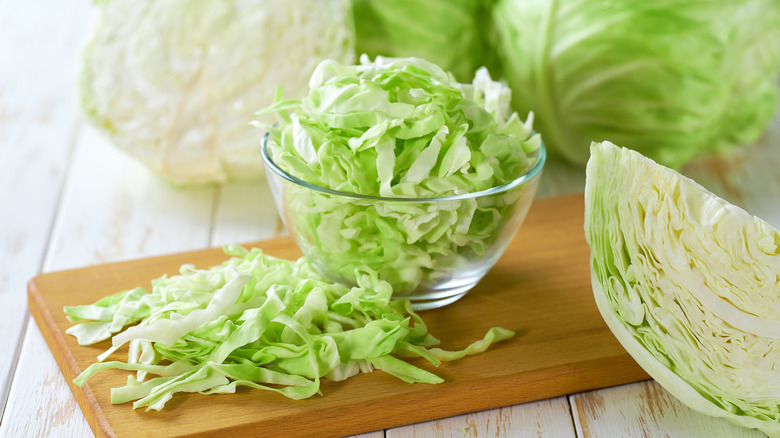
When you think of food trends, you probably first imagine innovative new products that are hitting shelves for the first time. But some of the most prominent food trends of 2026 are basic ingredients that people have been eating for ages and ages. For example, one of the biggest food trends of this year so far has been cabbage. Yes, the same affordable, green vegetable you used to hate as a kid is now stealing the produce spotlight in many grocery stores. Is this a recession indicator? Maybe! But it's definitely not a bad thing that people are getting excited about eating more cruciferous vegetables.
Some argue that this marks a shift toward more practical ingredients that can be used in a variety of ways in many different dishes. After all, grocery prices are on the rise, forcing shoppers to make smarter choices about what they buy and how they use it. Since cabbage keeps well for a long time and is quite a versatile veggie, it's a clear winner in this category. At the same time, it offers a flavor complexity that truly can elevate dishes in no time at all. If you haven't gotten in on the cabbage trend yet, now might be the time to check out some of our best cabbage recipes.
Alcohol alternatives

We've already discussed the fact that people are cutting back on their alcohol consumption in 2026, and a lot of it comes down to health concerns. For a few years now, major health organizations have claimed that alcohol consumption is essentially unsafe across the board — there's no amount you can drink that won't negatively affect your health. But another reason people are drinking less is simply the fact that alcohol is expensive, and tightening budgets mean that consumers are pulling back on non-essentials like alcohol.
For those who can ostensibly afford alcohol but simply choose not to partake, a new type of beverage is flooding the market: alcohol alternatives. These are not quite the health-focused tipples in the same realm as functional beverages but are rather made to mimic or imitate alcoholic beverages ... just without any of the actual alcohol itself. These alternatives come in a wide range of varieties, from NA cocktails and alcohol-free wines to beers and zero-proof liquors. Do they all taste like the real thing? Not really. But they're a solid option for those who want something to sip on at a party or after a long day but want to avoid the negative effects of alcohol.
Fiber
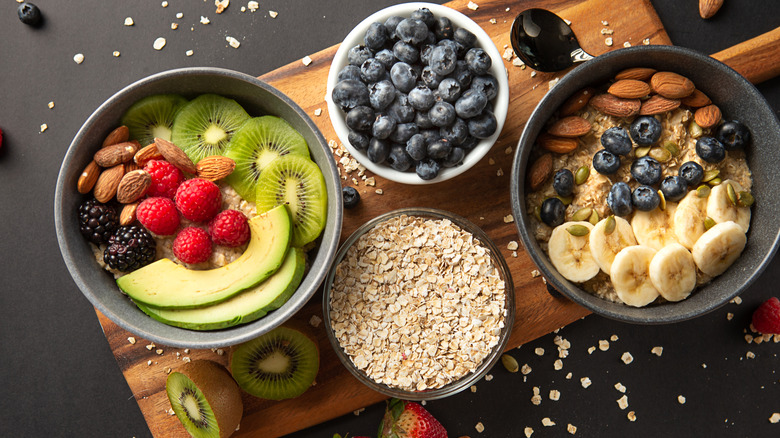
Just like food trends, health trends come and go. And this next 2026 trend falls into both categories. This year, fiber seems to be ascendant: Everything is suddenly packed with extra fiber, and fibermaxxing is all the rage amongst those who wish to increase satiety and feel more regular. Some even seem to suggest that fiber is the new macronutrient du jour, replacing protein as the obsessive health trend seemingly every fitness influencer is trying to capitalize on. This is a symptom of nutritionism, or nutritional reductionism, that prioritizes single, isolated nutrients instead of looking at a diet as a whole, complex system that requires a wide range of both micro and macronutrients. But considering that an estimated 95% of Americans don't get the daily recommended amount of fiber in their diets, this trend could definitely be beneficial on the public health front.
If you want to take part in this 2026 food trend, you need to learn about easy ways to boost your fiber intake. Eating more beans and legumes is a great place to start, but drinking more smoothies and incorporating avocado into your meals are also easy, sustainable ideas that can easily boost your fiber intake (and help you feel more on trend).
Protein-rich foods
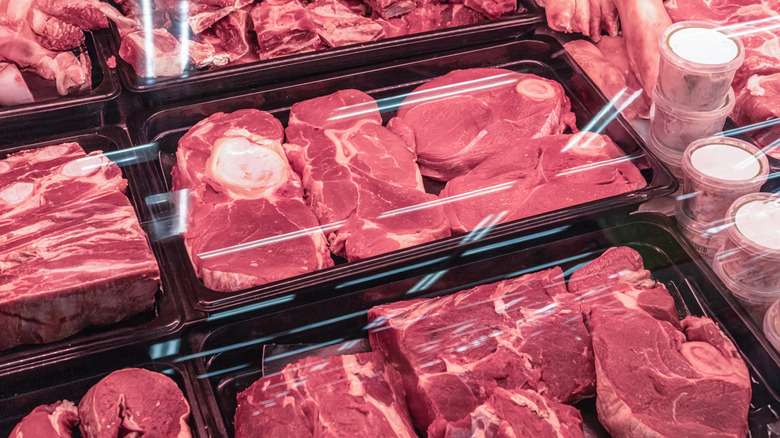
Some claim that as fiber ascends in popularity, protein is on the decline. Others say that the protein obsession, which has been brewing for a few years now, is still going strong. Johns Hopkins calls the protein trend an "obsession," which you probably don't think is an exaggeration if you've seen all those TikTok videos of people eating massive amounts of steak (somehow always off of a wooden board) for seemingly every meal.
So, what's behind the obsession with protein? A lot of it comes down to health. Many people assume that more protein automatically means a healthier diet, although real, holistic nutrition is arguably a bit more complicated than that. But it also may have to do with a newfound societal desire for thinness. "Proteinmaxxing" has been rising in popularity along with GLP-1s, and patients taking these drugs are often pushed to consume more protein. This makes sense, since protein increases satiety, generally making it easier for people to feel full and perhaps even prompting them to consume fewer calories overall.
This is another health-focused trend that is pretty easy to tap into with a few easy changes to your diet. There are so many ways to add a protein boost to your favorite meals, and we even have a collection of one-pot high-protein recipes that you can whip up on even your busiest nights of the week.
Beef tallow
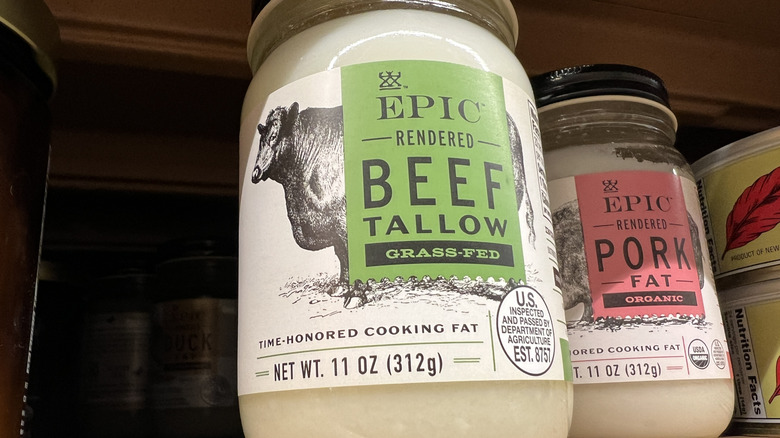
You've probably heard it before: Seed oils are bad for you, since they cause inflammation and other health issues, which means you should avoid them at all costs. But many experts say that they're actually not that bad for you and can be used in moderation. Still, though, the rising trend of beef tallow in 2026 is an indication that some consumers are turning toward animal-based fats instead. This embrace of beef tallow isn't random, though. It's been associated with the MAHA (Make America Healthy Again) movement spearheaded by U.S. Secretary of Health and Human Services Robert F. Kennedy Jr.
But the Harvard T.H. Chan School of Public Health says that beef tallow isn't actually healthier than seed oils, and some experts even claim that it's actively unhealthy in a lot of cases. There's a reason to try it for its flavor alone, though — it has a complex, umami taste that's arguably a lot more interesting than canola oil.
Broccolini
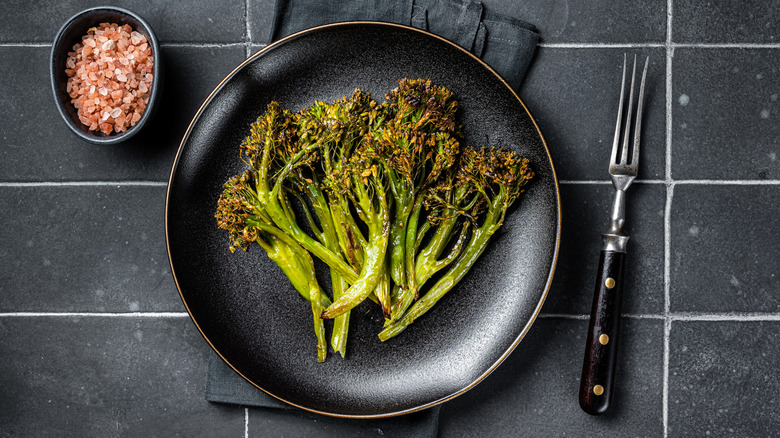
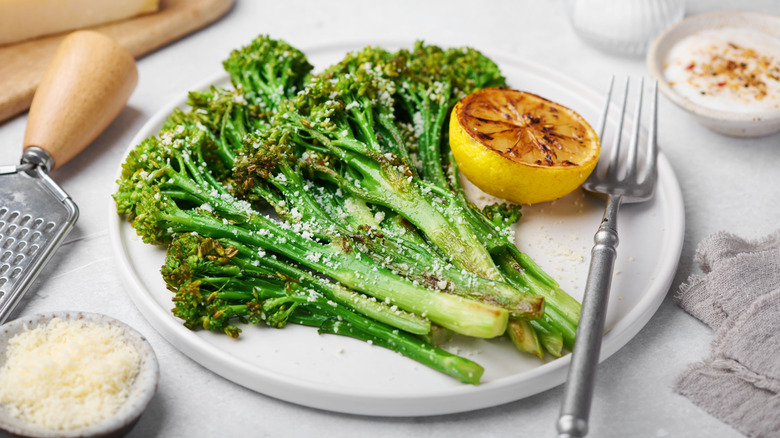
We have yet another green vegetable that's winning the hearts of eaters everywhere, although this one seems a bit fancier than the ubiquitous cabbage. It's broccolini, and chances are, you've seen it at grocery stores and on restaurant menus alike. The vegetable is actually a hybrid of two different varieties: the version of broccoli that most Americans are familiar with and gailan, also known as Chinese broccoli. It first came onto the veggie scene in 1990, and since then, it's risen precipitously in popularity. Now, it's regarded as one of the biggest food trends of the year, so chances are that you'll be seeing a lot more of it moving forward.
Broccolini's rise represents a larger trend of cruciferous vegetables popping up more and more in popular recipes and restaurant offerings, although its sweeter flavor profile can make it more appealing to those who may not love the strong, bitter notes present in cabbage or kale, for instance. Plus, it cooks quickly, making it an easy ingredient for restaurants to work with. Hopefully, this healthy, tasty trend is one that's not going anywhere soon.
Complex flavor combos
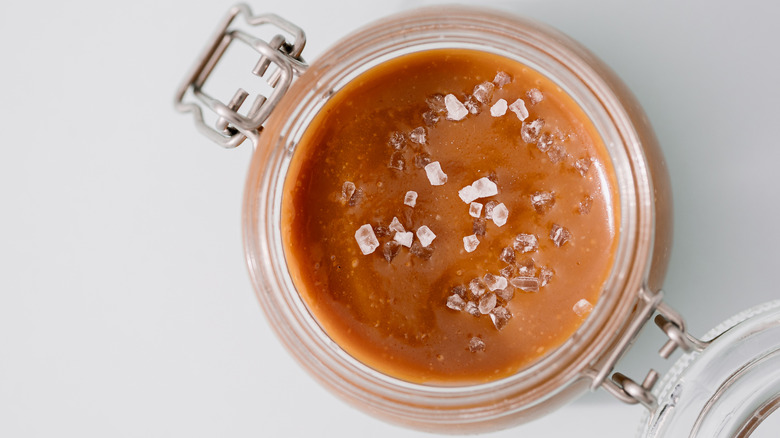
Sure, there's still demand for simple flavor profiles in foods. After all, sweet chocolate chip cookies and salty potato chips are always going to have their appeal. But in 2026, customers are also looking for more complexity in their food, adopting complex flavor mashups that feature distinct notes that don't immediately seem to go together. For example, "swokey" (which means sweet and smoky) foods are on the rise, as are "swalty" (sweet and salty) dishes. There's also "swangy" and "savery," which are meant to describe foods that are sweet, spicy, and tangy, and sweet and savory, respectively.
Swalty foods, in particular, are having a moment in 2026. Salted caramel is an excellent example, of course, but these days, we're also seeing miso-flavored caramel, which offers an extra, interesting layer of umami into the mix. This can also be seen with sweet and salty cheese pairings. These combos work because salt enhances flavors generally, really making that sweetness pop more. At the same time, it tempers bitter flavors in dishes, creating more balanced bites. If you're looking for more complex, sophisticated flavors that go beyond the basics, then this is a trend you'll definitely want to lean into more.