

What Are Functional Beverages, And Do These Drinks Have Actual Health Benefits?
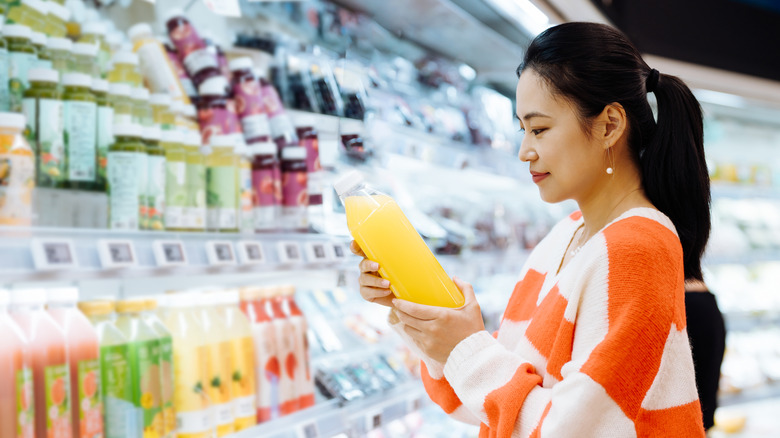
Imagine a drink that just ... does more. Functional beverages go further than basic hydration; these cups and cans might alter moods, repair muscles, or enhance focus. Each brand has carefully concocted ingredients, commonly including supplements like magnesium and ashwagandha. Risen from health-conscious consumer demands, it's drinkable wellness — marketed and packaged as specific solutions (aka "functions") in a cup. Who'd have guessed the drinks aisle would become the best spot in the grocery store?
Interestingly, just about any beverage can go functional: from teas to tonics, the drink is simply a vessel for supplements and enhancers. For instance, healthy energy drinks you can find in any grocery store include stress-reducing Rebbl Maca Cold-Brew Coffee and brain-boosting Neurosonic. Companies are also upgrading non-alcoholic beverages with functional elements. Take Sentia, for instance. Its products enhance the neurotransmitter gamma-aminobutyric acid to get drinkers confidently woozy without actually becoming drunk. In short, the movement is reimagining stale shelves and plotting a restock with scientifically inspired alternatives. Can't sleep? Struggling with gym progress? There'll be something to sip for that.
Do functional beverages have actual health benefits?
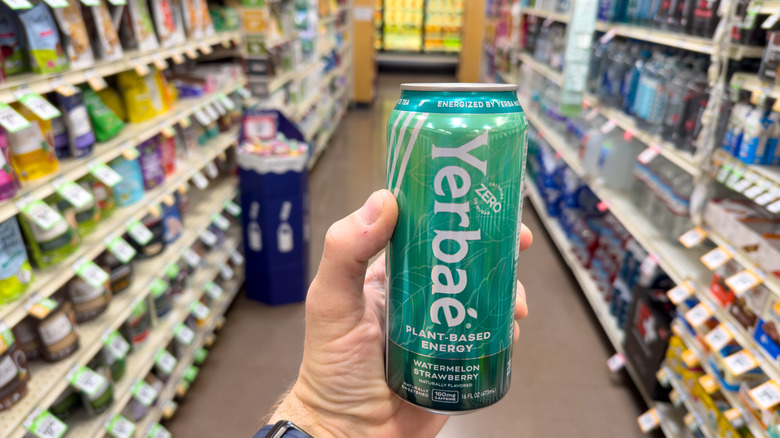
That's a big question for an increasingly saturated market. In theory, functional beverages have a legal duty to perform what they claim on the label, but there have been controversies. In July 2025, a U.K.-based company, Trip, was forced to remove an advert for unauthorized claims around preventing anxiety. In 2024, a U.S.-founded company, Poppi, was sued for misleading advertising, criticized on the basis that consumers would need to drink four cans per day to note any significant benefit.
Since functional beverages are a newly developing sector, research is currently limited; dosages, in particular, remain under evaluation. Too little, or too much of a botanical? It might fail to produce positive benefits or even induce adverse effects. Some companies are more transparent about this unpredictability than others. For instance, Sentia's founder admitted in an interview with The Independent that individual susceptibility plays a role in efficacy.
That said, health benefits don't come solely from ingredients. Certain experts have highlighted that the relaxation of enjoying a drink can unleash benefits in its own right. Additionally, for companies like non-alcoholic spirit brands, positive impact often comes from removing, not adding ingredients — functional beverages still tap into that. Whether it's buying 0% ABV, avoiding sugar, or dodging GMOs, consciously selecting drinks presents opportunities to make different choices.