

Forget Costco: Why These Frozen Staples Aren't Worth Buying In Bulk
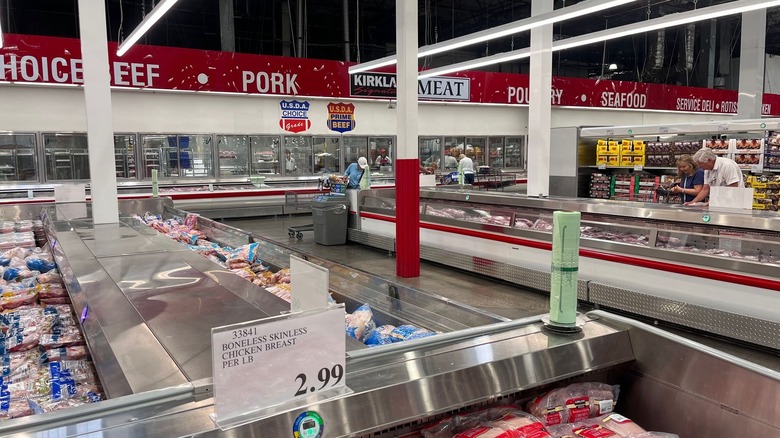
For shoppers who love to make sure their cupboards are stocked to the brim all year round, Costco is a haven. And we get it. We love heading to the warehouse retailer to bulk buy everything from condiments to bakery items like chocolate chip cookies. But it turns out, not everything is worth buying in big quantities.
We took a closer look at some of the items in Costco's freezer section to figure out if they're really worth bulk-buying at all. The truth is, when it comes to these specific items, unless you're hosting a party or making yourself a very, very big dinner (hey, no judgement here), it's probably a good idea to save the freezer space and buy smaller packets from your local grocery store.
We understand some may disagree (debate is healthy, after all), but here are some of the things we think just aren't worth buying in bulk. Apologies in advance to all of the French fry lovers out there.
Seafood
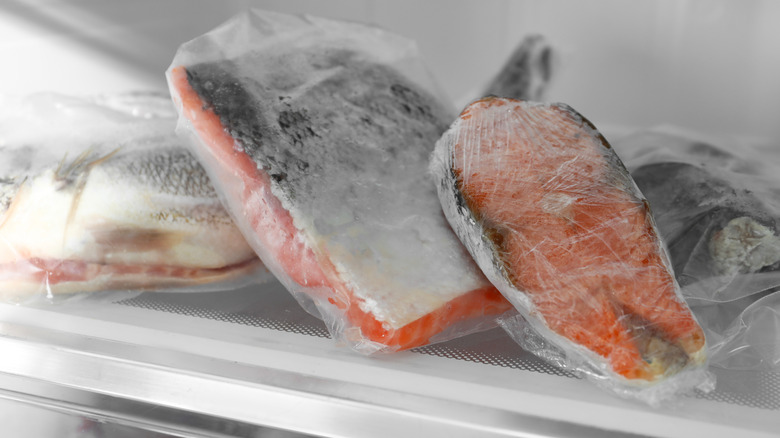
If you're a seafood-lover, you might be drawn to Costco's wide range of frozen options. But while, say, six pounds of wild Alaskan halibut for under $230 or 12 frozen lobster tails for under $250, might sound like a good deal, it's probably not worth it unless you're hosting a party.
Trying to store large quantities of seafood in the freezer for a long period of time can increase the risk of spoilage. This is because you're probably going to be taking the bag in and out of the freezer regularly, causing the temperature to fluctuate. Technically, you can refreeze seafood if it's only been out of the freezer for less than an hour or two, but some experts say it's still not advisable to buy lots of frozen seafood in bulk for this reason. It makes sense, as food poisoning from seafood can be brutal.
But food safety isn't the only issue with freezing a lot of seafood. Fish is very high in moisture (go figure), which means it's more prone to freezer burn. If the seafood isn't stored properly (which is harder when there is a lot of it), freezer burn can set in within a few days. It's not unsafe, but it will likely impact the taste and texture.
Ice cream
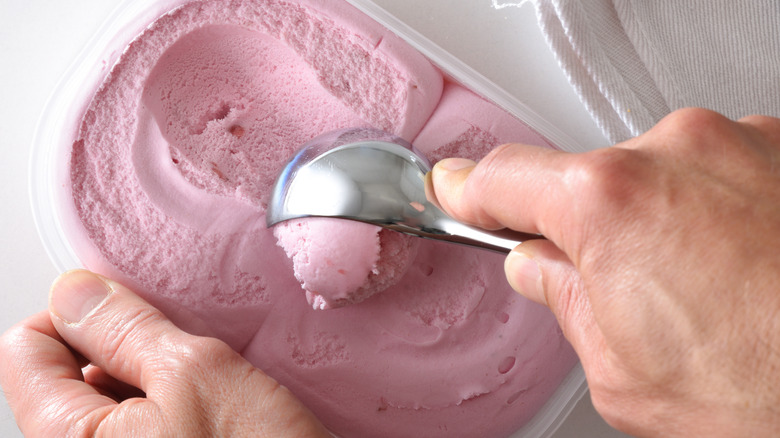
Let's be honest, if you've got a sweet tooth, stocking up on half a gallon or a gallon of ice cream from Costco is pretty tempting. But before you start loading up your cart, it might be best to take a moment and consider how much ice cream you can realistically eat in a short period of time.
It turns out, ice cream is delicious, but not invincible, and will likely only keep its quality for a few months in the freezer. And that's when it's unopened. Opened ice cream that has been thawed and refrozen multiple times can taste pretty grim. And again, there are safety issues. If food is left at room temperature for too long, bacteria can start to multiply, increasing the risk of food poisoning. Ice cream is often made with products like eggs, milk, and cream, which are vulnerable to bacteria growth.
So, if you're the type who likes to sit in front of the television eating ice cream straight from the tub, before placing the rest in the freezer for another time, it might be a good idea to consider buying smaller tubs than the ones you can find at Costco. Walmart's Great Value ice cream, for example, is budget-friendly, but comes in smaller, pint-size tubs.
Ground meat
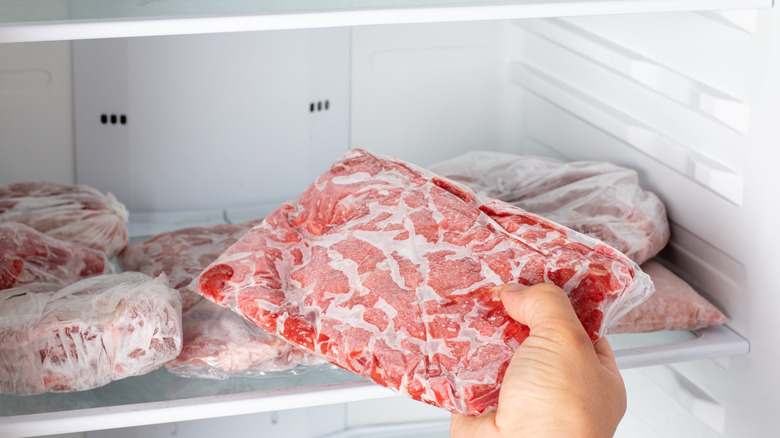
Costco sells many different ground meats in bulk. At the time of writing, you can grab eight packs of ground beef for just over $100, for example, or nine packs of ground lamb for less than $150. But do you actually need to? If you're hosting a lot of people, it makes sense, but if not, maybe do the math on how much you're going to eat in the next few months first.
According to the USDA, ground beef, for example, will keep for a long time if it's frozen correctly, but just because it's safe to eat doesn't mean it's enjoyable to eat. In fact, after about four months, ground beef will start to deteriorate in quality. If you're storing frozen ground chicken, which Costco also sells in 12 packs, experts say it's best to eat it even sooner than three months or the quality will significantly start to degrade. And again, the longer you store ground meat, the more prone it is to freezer burn, which can also negatively impact taste and texture.
French fries
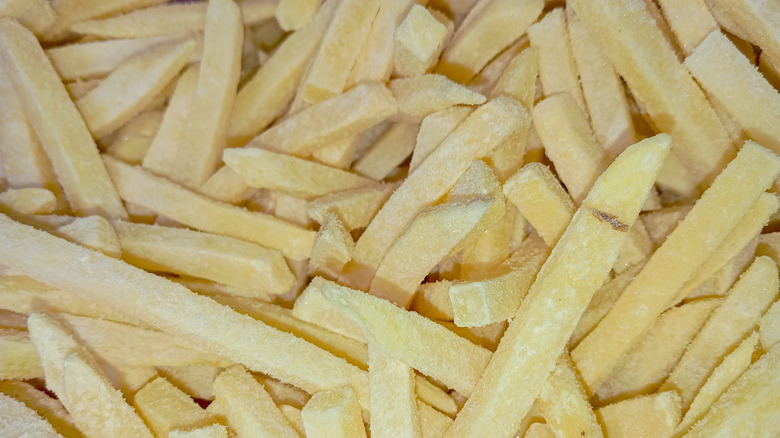
If you don't love French fries, you're in the minority. In fact, according to YouGov, only 3% of Americans actively dislike them. And per Talker Research, the average American eats around 17 pounds of fries per year. So, based on this research, we can understand why it might be tempting to pick up a five-pound bag of Kirkland Signature frozen fries the next time you're in Costco.
But, let's pause for a moment. Five pounds is more than a quarter of the average person's annual intake of fries. Unless you have a very large freezer, it's going to take up a fair amount of room for a fair amount of time, and you'll be playing freezer tetris all year. Now, if you're a frozen fry superfan, maybe you're prepared to do this. But we're willing to bet that at least some of the fries you eat every year come from a fast food chain, and not from the freezer. So, save yourself the storage space and consider buying a smaller bag from the grocery store. Our favorites? A one-pound bag of Arby's Seasoned Curly Fries.
Waffles
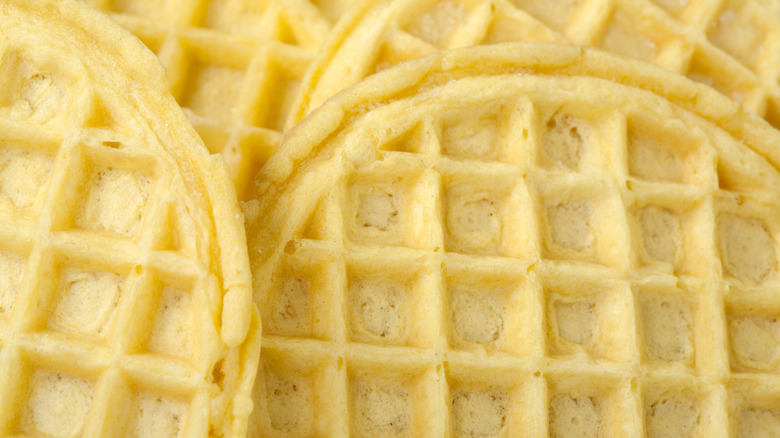
Waffles are a great way to start the day. You can turn them into breakfast nachos, for example, or cover them in spicy maple syrup for swicy twist. If you and your family eat frozen waffles daily, you could pick up a pack of 72 from Costco, but if you don't, it might not be worth it.
Frozen waffles only last around three to four months in the freezer. Like many others on this list, they will likely still be safe to eat after this point, but they just won't taste as good. For a family of six who are planning to eat waffles once a week for three months, a pack of 72 might be worth it (if you have the room), otherwise, it's probably better to buy a smaller box and keep your freezer space free.
In case you were wondering, our taste-tester's favorite frozen waffles come from Whole Foods' 365 range. They're in a much smaller pack of six, so you can just pick them up ahead of Sunday brunch and know they'll still be good quality when it's time to serve up.
Water-heavy vegetables
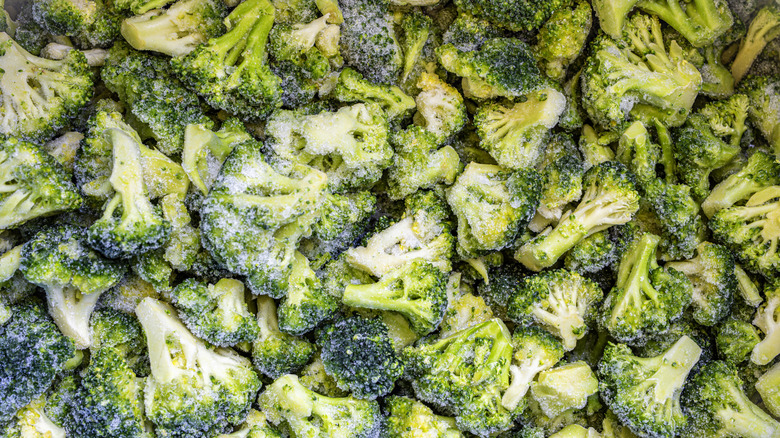
Bulk-buying frozen vegetables, like a one-pound bag of organic broccoli or a 5.5 pound bag of stir-fried peppers, mushrooms, green beans, onions, and other stir-fry essentials, seems like the healthy, responsible thing to do. But actually, it might be best to leave them on the shelf. This is because, like fish, many vegetables are high in water, which means they are also more prone to freezer burn. Broccoli, bell peppers, and mushrooms, for example, are about 92% water each, while onions are nearly 90%.
Another issue with frozen water-heavy vegetables is more of a texture thing. When thawed, they can be a little soggy and mushy, which can impact the overall quality of your meal. If you like your broccoli or peppers to be nice and crisp with a bit of a crunchy bite, a frozen bag won't deliver. That's why some people view each of these as some of the vegetables you should never buy frozen at all — regardless of whether they're in a bulk pack or not. But, of course, this all comes down to personal preference.