

7 Forgotten Old-School Bourbon Cocktails You Rarely See Anymore
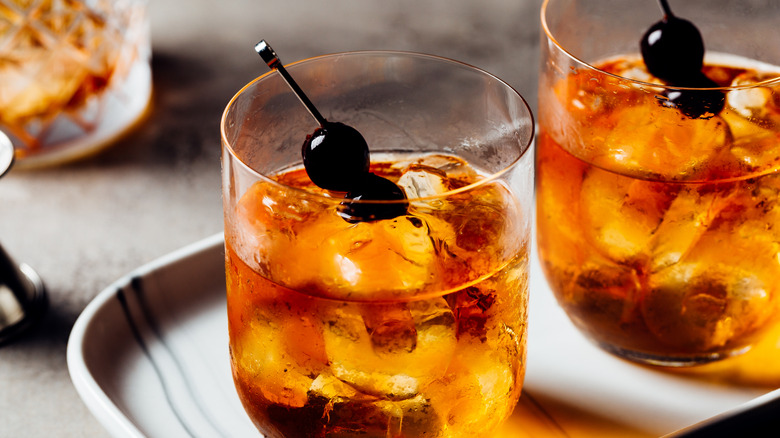
Bourbon cocktails have been around since Prohibition and remain popular today, especially the classics like the Old Fashioned, Manhattan, Whiskey Sour, and the Boulevardier. However, the way people drink bourbon and how we see it on menus differ.
"The biggest trend is that people are drinking less but better, while also looking for convenience and new experiences," says H. Joseph Ehrmann, owner at ELIXIR bar in San Francisco. Some of the main trends we are seeing are premium pours over volume; higher-end bourbon cocktails rather than drinking bourbon neat; RTD (ready-to-drink) cocktails; and experiences & experimentation to get people to buy in. The experience around bourbon is becoming almost as important as the bottle itself. Consumers want flavor stories and differentiation rather than just another standard Kentucky bourbon."
This shift we're seeing could explain why some bourbon cocktails that were once popular are no longer on menus today. We spoke to a few industry experts in the drinks scene to learn which old-school bourbon cocktails are rarely seen but not necessarily forgotten and maybe should be tried today.
Brown Derby
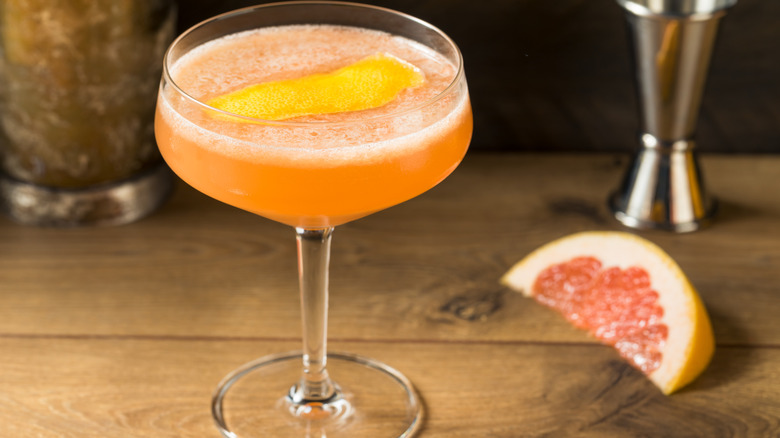
The Brown Derby has a bit of a glamorous Hollywood history. It's said the drink originated in the 1930s at Vendôme Café on Sunset Boulevard in Hollywood, California, but it wasn't until it was revived at the Brown Derby restaurant, also in Hollywood and near the famous movie studios, that it grew in popularity.
The cocktail itself is an interesting mix of just three ingredients: bourbon, freshly squeezed pink grapefruit, and honey or maple syrup. While it sounds sweet, the flavor profile is surprisingly complex yet refreshing, thanks to the tartness of the grapefruit and the sweetness of either honey or maple syrup, which complement the bourbon nicely.
The reason we don't see the Brown Derby on menus much anymore has a lot to do with the ingredients and possibly the location where you're trying to order one. "Grapefruit and bourbon are likely an obscure combination for most people," says H. Joseph Ehrmann. "It's also a drink whose story is tied to Los Angeles, so it may have more regional appeal in Southern California."
Lion's Tail
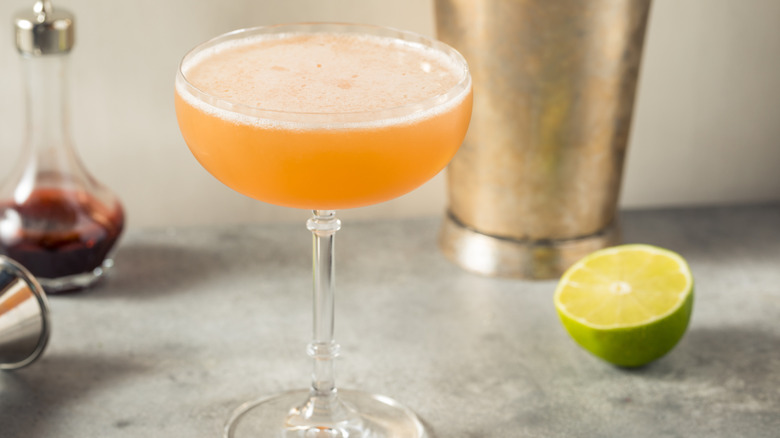
The Lion's Tail is thought to date back to the Prohibition era, but it was first published in 1937 in "The Café Royal Cocktail Book," gaining wider recognition. Here, we have a concoction of ingredients that resembles a little more of what we might see at the bar today, though not necessarily in the same cocktail. The Lion's Tale consists of bourbon, allspice dram, freshly squeezed lime juice, simple syrup, and Angostura bitters served with an orange twist. The end result is a bit on the spicy side but is also light and aromatic. "I love the Lion's Tail," says H. Joseph Ehrmann. "It's whiskey, tiki, and delicious."
However, it is the allspice dram that is said to have made this drink disappear for a while, as this ingredient was no longer being imported in the 1980s. Thankfully, allspice dram returned to the United States in 2008, and during the modern craft cocktail revival, the Lion's Tale also made a comeback.
When it comes to these old-school bourbon drinks with juice and a sugar source, Ehrmann explains that traditional-recipe bourbons, from 86-100 proof, work best. "I want the whiskey to punch through," he says. "My go-tos are Cyrus Noble and Four Roses."
Scofflaw
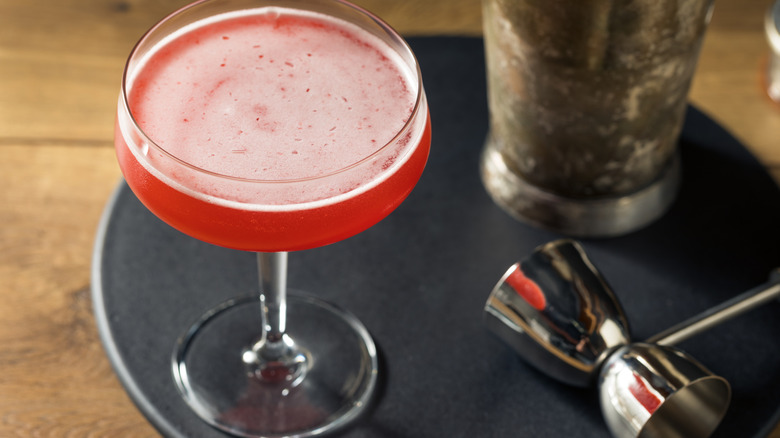
The Scofflaw cocktail dates back to January 1924, when a bartender from the bar named Maxim's in Paris apparently invented it." Speaking of, only days before the term "Scofflaw" came about during a competition held by Prohibitionist Delcevare King, with a prize of $200 for a nickname that would describe a "lawless" menace of a drinker.
One of the reasons the drink vanished could be because larger cocktails came into style, leaving this small but mighty sipper in the dust around the mid to late 20th century. But that's not the last we've seen of the Scofflaw, as it's been making a triumphant return.
Head bartender of Brooklyn's Gage & Tollner, Garry Severin, says the Scofflaw is "one of my new favorite bourbon cocktails" and is, in his opinion, "the cat's pajamas" of bourbon cocktails. The ingredients include bourbon, dry vermouth, grenadine, lemon juice, and orange bitters, to create what Sahil Ehsani, head bartender of Room 207 in New York City, calls "bright, fruity, and balanced."
Bourbon julep
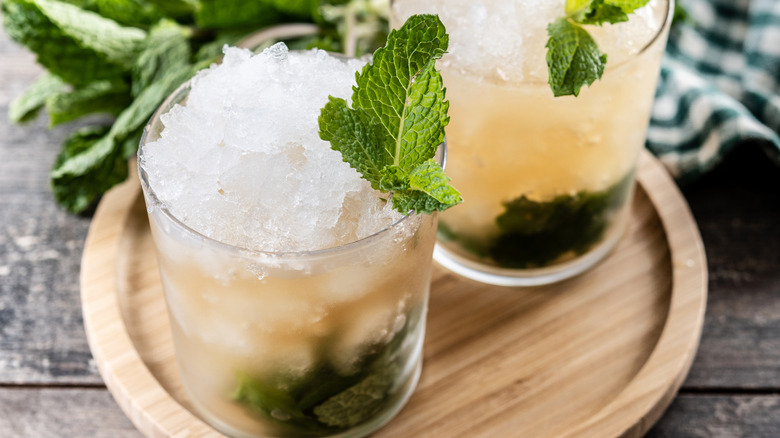
The south welcomed the mint julep in the 18th century and was used mainly as an medicinal elixir for certain illnesses. Now, we view it as the go-to drink for the Kentucky Derby.
Once the annual horse racing comes around in May, the julep gets a lot of love. Made with bourbon, sugar, and mint, all served over crushed ice, the drink is a perfect, refreshing beverage on a warm Kentucky day at the race. However, after the derby winds down, the Julep isn't all that sought after, partially because it is so closely tied to such a major sporting event. Drinking it any other day, say in Febraury, just seems, well, out of place.
"The julep deserves a revival," says Sahil Ehsani. "It eases you into bourbon and immediately takes away from the notion that bourbon is all big, bold, boozy drinks." Ehsani adds that this is the perfect cocktail for experimenting with bourbon flavors and strengths. "The bourbon Julep is an excellent way to explore the nuances of different bourbons," he says. "By swapping bottles, you can experience how diverse bourbons can be."
One bottle you may want to try is Woodford Reserve. With its smooth vanilla and caramel flavors and strength to withstand a lot of crushed ice, it makes sense it's the official bourbon of the Kentucky Derby.
Kentucky Colonel
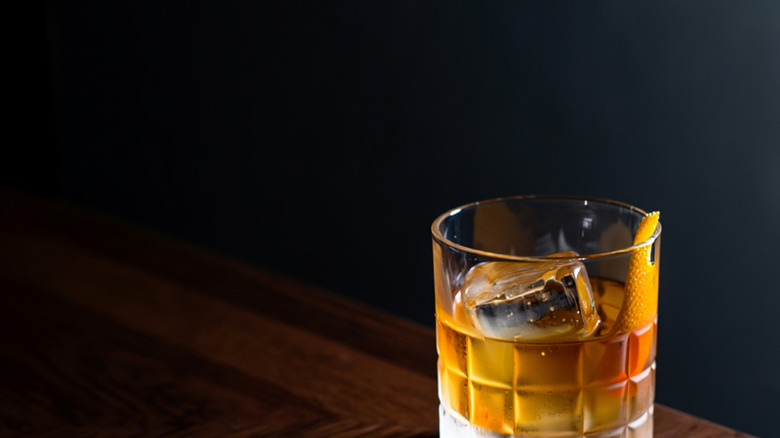
The Kentucky Colonel is often considered a more herbaceous alternative to the classic Old Fashioned. The drink recipe was first published in Jacques Straub's Manual of Mixed Drinks in 1914, highlighting its ingredients: bourbon, Bénédictine (a French liqueur from the 19th century) Angostura bitters, and lemon peel.
The Kentucky Colonel is often thought to be a substitute for the Old Fashioned, which as Jessie Salvia, bar manager at Lofted Spirits Louisville in Kentucky points out contributes to why we don't see it on menus. "The Kentucky Colonel lacks the strong identity and marketing of more famous bourbon drinks," she says.
Bénédictine can also take some of the blame, as Salvia states the French liqueur has now "became less common and now been substituted out for vermouths and amaros." It's a shame the Kentucky Colonel is not popular today because as a spirit-forward, pre-Prohibition cocktail, you know there are some bold flavors to be had. If you've been craving more spirit-forward cocktails lately, you may have noticed they can be hard to come by. The cocktail culture is shifting, and some older bourbon cocktails, especially the Kentucky Derby, have faded in the dark.
Modern cocktail preferences have now moved toward approachability, with many patrons looking for balance, not intensity, which means even spirit-forward drinks are often tuned down, so the bourbon is no longer the first and last thing you taste.
"Bartenders may add more dilution, softer vermouths, sweeter modifiers, richer syrups, or lower-proof ingredients to make a drink more broadly appealing," says Salvia. However, it's also the bourbon being used that takes a big part in the lighter flavor profile.
Bourbon smash
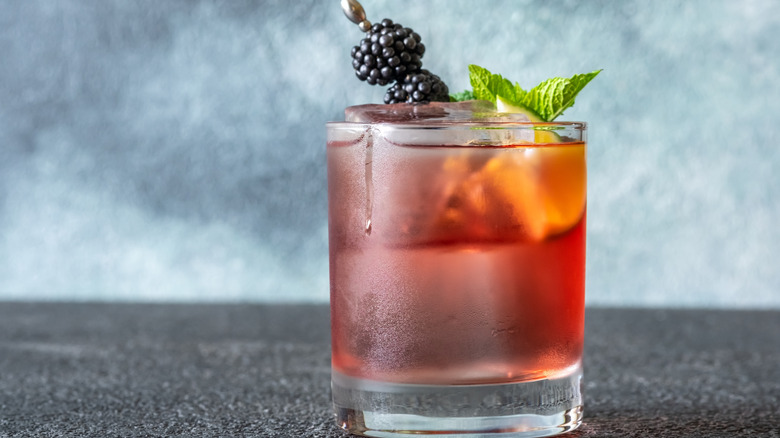
The bourbon smash dates back to the 19th century and is said to be closely tied to the mint julep. Perhaps it has something to do with both being relatively easy to make, not requiring too many ingredients or intimidating methods.
Lizzie Edwards, bartender at Widow Jane's Botanica in Brooklyn, explains that all you need to craft a bourbon smash is bourbon, lemon, mint, and sugar, which gives it a refreshing, bright-citrus taste that pairs well with the bourbon's smooth caramel. Throughout the years, we've also seen plenty of spins off the original smash, incorporating different ingredients like basil, peach, blackberry, and even tequila to offer new takes on the classic.
However, the bourbon smash is still a drink we rarely see these days, and even industry experts are baffled as to why. "It's one of those drinks that is surprisingly uncommon on cocktail menus," she says. "Despite it being incredibly straightforward and simple." The reason behind the fall back could be that many bars are moving away from American whiskey due to price and focusing more on agave spirits and RTD can options.
Stone Fence
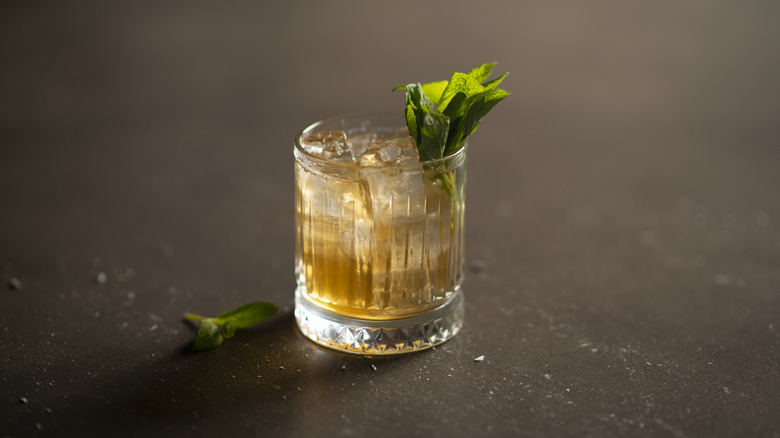
If you're looking for a rustic cocktail to cozy up with and that only requires two ingredients to make, the Stone Fence may be what you've been waiting for. Made with only bourbon and hard cider, it's a potent drink that also captures the taste of fall in a glass.
"It's a hardy Revolutionary War-era 'cocktail' that was popular among soldiers and farmers in the 1700s," says Jacob Melinger, head of experience and design at Widow Jane Distillery. "It has resurfaced from time to time during the modern cocktail revival."
He adds that the original recipe was a simple yet effective combination, but it could also sometimes include "a touch of maple syrup if the cider leaned dry," which helped add a smooth, light sweetness to each sip.
Ehrmann points out that even though these cocktails are rarely seen today, that doesn't necessarily mean they are gone forever, and cannot be ordered when out. But there are a few things to consider before asking your bartender to make them. He says to be sure to assess the bar's menu and chat with the bartender before ordering a rare, seen bourbon cocktail. "If they are familiar with the drinks and willing to make them, go for it," he says. "If they consider themselves a whiskey bar, you're likely to have an easy time trying these classics."