

5 Common Reasons Your Tomatoes Are Refusing To Grow Any Bigger
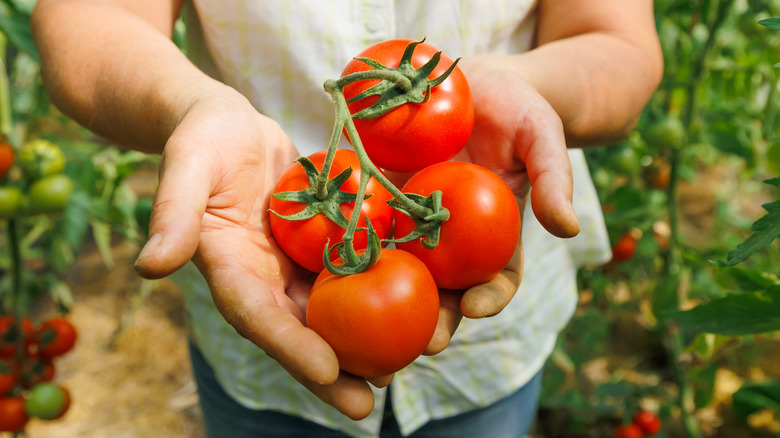
After spending so much time germinating and tending to tomato seeds, it's a huge bummer if they fail to thrive. If you feel like you did everything right but you're still finding small, undersized, or shrunken fruit on your vines, there is probably a simple explanation. Tomatoes are notoriously finicky and require highly specialized care, including the optimal temperature, humidity, water level, and sun exposure. Even small environmental stressors can lead to big problems. This shouldn't discourage you from growing tomatoes in your container garden, however.
As long as you follow some simple tips and hacks for growing the juiciest tomatoes, and familiarize yourself with the common issues that affect tomatoes, you should have success. The most likely explanations for smaller fruit are poor pollination, drought or lack of sufficient water, extreme temperature fluctuations, a lack of adequate sun exposure, and excess nitrogen or overfertilization. These are all relatively easy issues to fix, and in some cases you may even see your plants quickly flourish.
Adjusting the fertilizer you use can improve soil pH and nutrient uptake, and watering deeply and using shade cloth can counteract the effects of extreme heat and drought. Regularly harvesting and thinning your plants may improve pollination, and moving containers from sun to shade (or vice versa) can improve fruit production and quality. You should also regularly check fruits and leaves for signs of pests and diseases. Here's a closer look at the five common reasons your tomatoes are refusing to grow any bigger.
Poor pollination
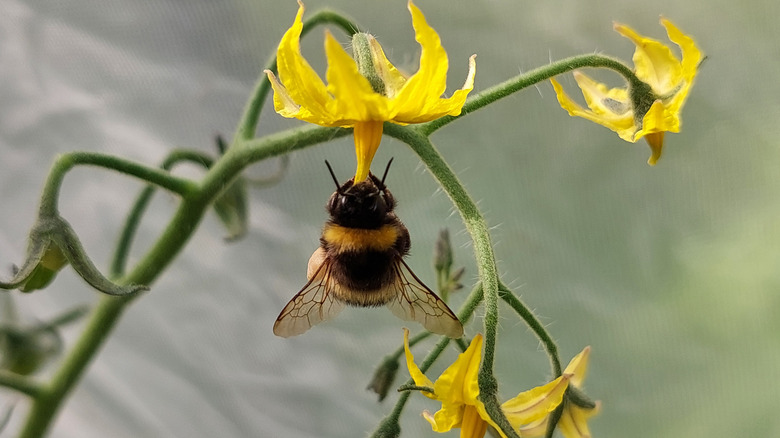
Though tomato plants are self-pollinating, which means their flowers contain male and female parts, they rely on wind and help from bees, hummingbirds, and other pollinators. For proper fertilization, the pollen must move from the flower to the stigma. This can happen if the plant is gently moved, either via wind, a fan, or even your hand. Bees and hummingbirds accomplish this by gently moving the flower as they feed, or by getting pollen on their heads or bodies and transferring it to another plant. If your plants are indoors, in a screened-in patio or enclosed greenhouse, or an area that doesn't regularly get wind or pollinators, you may notice that that the fruit turns out small and weak. A sudden increase in humidity, such as 70% or higher, or plants that are too close together, can also affect pollination, resulting in small fruit or no fruit at all.
You can fix this by either moving the plants into an area where they will be exposed to some wind and/or pollinators, or hand-pollinating the plants. Do so by gently tapping the stem or flowers to simulate the effect of wind or pollinator activity. However, properly timing your pollination efforts is key to success with this method. Aim for the middle of the day or periods of low humidity; this will make pollen easier to dislodge. Do this consistently every other day for best results. There are also a number of edible shrubs you can plant to attract hummingbirds and other pollinators to your backyard garden.
Lack of water
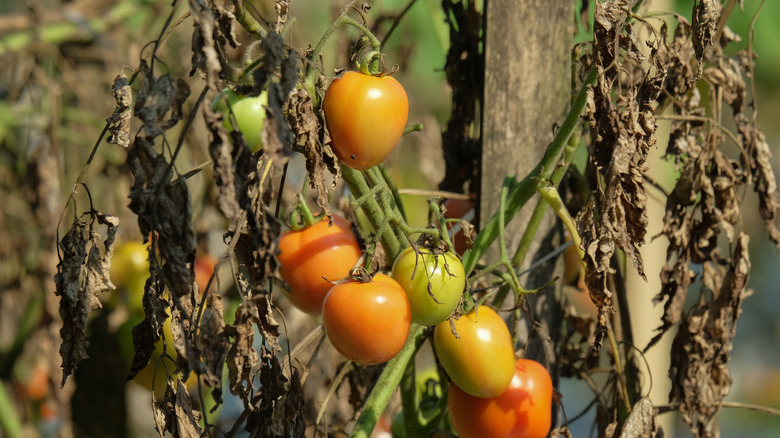
The amount of water you give your plants requires a delicate balance, and one of the most important factors in growing healthy tomatoes is consistently moist soil. If you don't water tomato plants regularly, the fruit might split, the plants won't develop fruit, or the fruit will be undersized. If you live in a hot, dry climate, the water may evaporate before it can be used by the plants. The best way to determine if it's time to soak your tomatoes is by checking the soil. Stick a finger an inch or two into the dirt. If it feels dry an inch or more down, it's time to water your plants. You should also pay attention to the weather. If your plants have gotten a lot of rain recently, you may be able to skip watering for a day. But if the temperatures are rising, the plants are in direct sun, or your area is going through a period of drought, it's time to act.
Aim for one to one and a half inches of water each week, more if you live in a hot climate. Once the soil feels dry, water the plants deeply, taking care not to drench the stems and leaves. During the summer, you can minimize evaporation and encourage water retention by applying mulch around the base of the plant, about an inch from the stem. If you notice that plants are wilting or look heat stressed or scorched, consider moving them indoors or into a heavily shaded area until the heat wave passes.
Extreme temperatures or temperature fluctuations
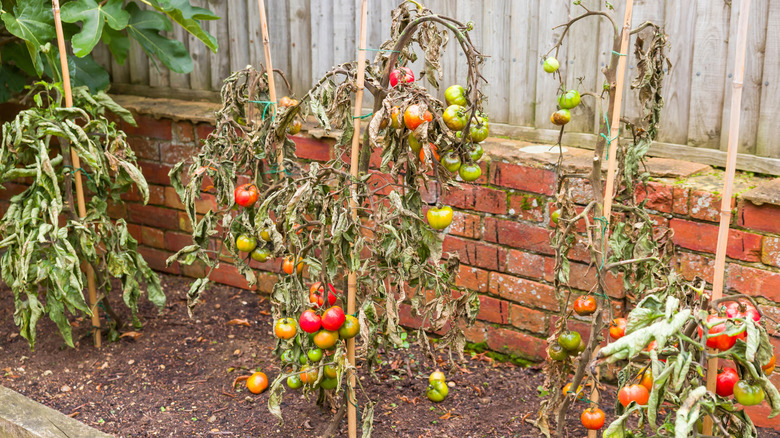
If you live in an extremely hot, dry climate, you may have trouble growing tomatoes. Although tomatoes are warm-season plants, they can't handle extreme temperature fluctuations very well. The ideal climate is between 75 to 90 degrees Fahrenheit when growing tomatoes from seedlings, and consistent temperatures of over 52 degrees Fahrenheit at night and over 60 degrees Fahrenheit during the day for transplanted crops. The temperature of the soil also matters: If the soil is too cool, young plants may not thrive; too hot and the roots will get stressed, plants won't grow, and fruit won't set.
Rapid changes in temperature, such as extreme overnight lows followed by high daytime temps, can stress plants and prevent them from flowering or fruiting — as can temps over 95 Fahrenheit during the day and 72 Fahrenheit at night. If they do fruit, you may end up with stunted tomatoes. However, you can select cold-hardy varieties or research the best kinds of tomatoes to grow if you live in a hot climate. Some popular tomato varieties that can handle the cold are Orange Pixie, Celebrity, and Manitoba. Heat-tolerant tomato varieties include Bella Rosa, Sunbeam, and Quarter Century. You can also protect plants from cold and frost by moving them indoors or using frost tarps and mulch. If you're concerned about heat, consider moving plants indoors or into a shaded area, or using shade cloth. Look for a shade cloth with a 30-50% shade rating to block heat without completely restricting sun exposure and ventilation.
Lack of sun exposure
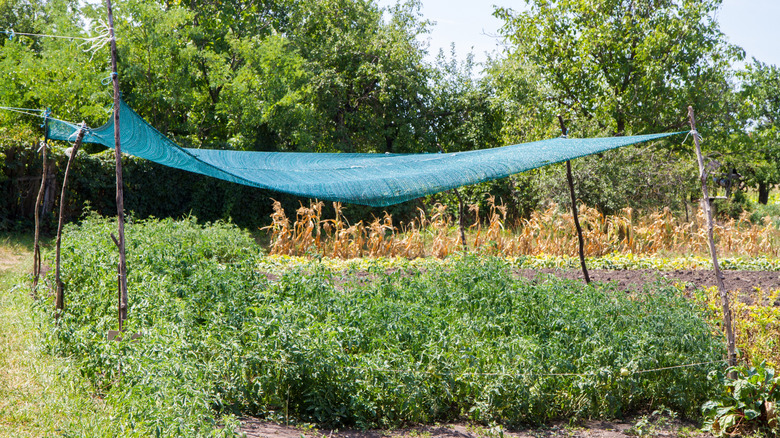
Too much shade can also negatively impact plant growth. Shade restricts photosynthesis, which will stunt plants and reduce fruit yield. Tomatoes need about six to eight hours of direct sunlight each day. Another common reason plants may not be getting enough sunlight is if they are planted too close together. This is one of the biggest mistakes you should avoid when growing tomatoes. Overcrowding your plants will cause them to get leggy, or grow extremely tall while trying to get sunlight. This results in a weak plant less likely to thrive.
Luckily, these are very easy problems to solve. Choose a growing area that gets enough direct sunlight, or plant them in containers so that you can move them in and out of the sun as needed. You can prevent overcrowding by properly spacing tomatoes when planting. When you transplant seedlings into containers or a garden bed, place them at least two to three feet apart. Use tomato cages or stakes to control growth and keep plants from getting too crowded or competing for sunlight or nutrients. Familiarize yourself with the needs of the specific type of tomatoes you are planting; for instance, bushy tomato varieties don't need as much space as vining tomatoes. If you aren't using cages for vining tomatoes, make sure they have three to four feet of space on all sides.
Overfertilization
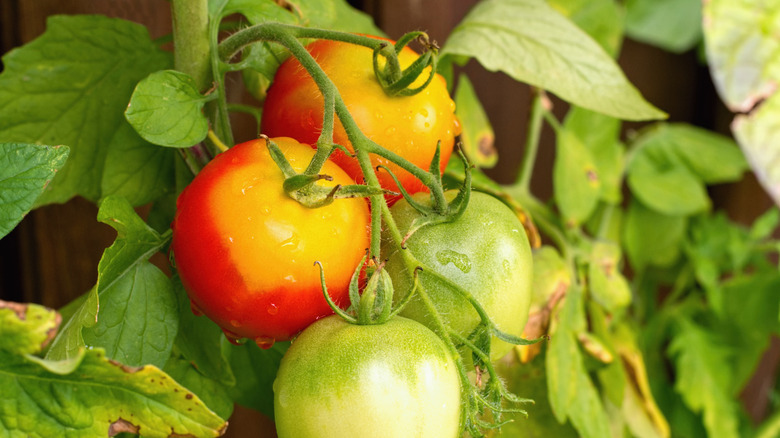
Tomatoes are heavy feeders, which means that they require high amounts of nutrients to sustain rapid growth. If they don't get the ideal level or balance of these nutrients, they will grow slowly, look small and weak, and produce limited yields. Tomatoes need supplemental nutrition via fertilizer, and you can encourage healthy tomatoes using natural fertilizers made from kitchen scraps and organic materials. However, it's critical that you understand what type to use and when based on the soil type and plant varietal. Overfertilizing your plants or using a fertilizer that has too much nitrogen can inhibit flowering and fruit development. Excess nitrogen will cause the plant's leaves to grow rapidly, and the leaves will rob nutrients, water, and sunlight from flowers and fruit. If you notice lush, tall, leafy plants that aren't producing fruit, you may be overfertilizing them.
Start by testing your soil. This will help determine what needs to be done before planting seeds or transplanting tomatoes. You can use commercial liquid or granular fertilizer or an organic option like compost, fish emulsion, bone meal, blood meal, or manure. When you first notice that plants are developing flowers, you can determine the right fertilizer schedule for thriving tomato plants by testing the soil again and applying a high-phosphorous fertilizer. Once fruit sets, you should fertilize plants every two weeks with a balanced, complete fertilizer that contains all three macronutrients necessary for plant growth: nitrogen, phosphorus, and potassium.