

The Hands Down Best Summer Produce To Buy At The Farmers Market
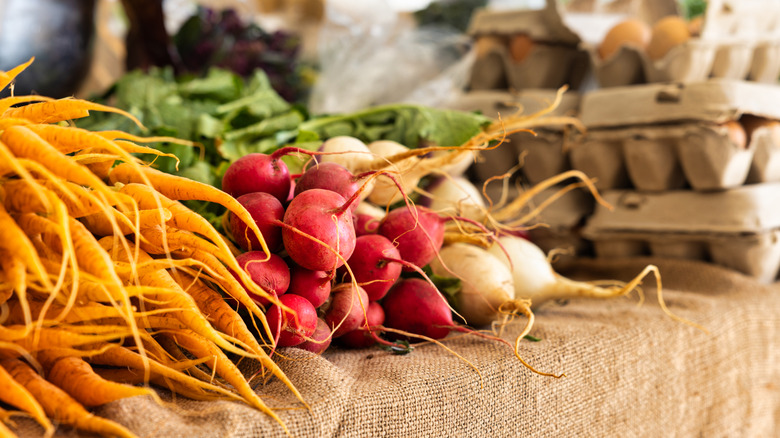
What draws us to farmers markets in the summertime? Is it the cheery demeanor of the nonchalant market-goers? The folk band plucking twangy strings as they turn up dust with their Birkenstocks? Perhaps the aroma drifting from the chafing dishes, mixing with the lazy summer breeze, is what pulls in the crowds. For many of us, it's the farm-fresh summer produce that tastes much better than what you can get at the grocery store. It's likely been harvested recently (if not that very morning); it's hand-selected by real people, and these fruits and veggies are sometimes result of generations of farming experience. There are certain foods to target as the hands down best summer produce to buy at farmers markets. So, as a chef and recipe designer who grew up around farmers markets, as well as obtaining a Plant-Based Nutrition Certification from Cornell, I'm going to share which foods to target on your lazy summer weekend market stroll.
A few factors come into play when analyzing which summer produce is best to buy locally. The first is transportation. Market products are almost always locally grown and produced. This means that you have an opportunity to get your hands on some fruits that don't hold up well during long transport (as well as reducing your environmental impact). In addition, produce that tastes best when freshly harvested (and doesn't need to ripen further) made our list. Sometimes, it's best to jump at the opportunity to stockpile items that don't typically make an appearance in grocery stores. And, if you live in a rural community, you can focus on targeting produce that is cheaper when bought straight from the farmer.
Garlic scapes
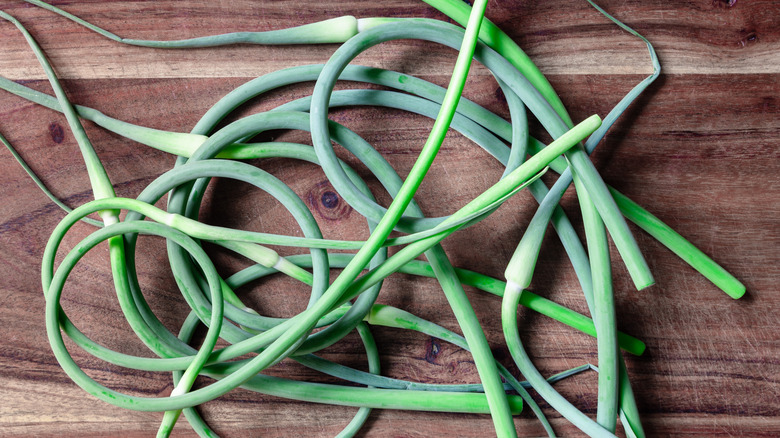
One of my favorite local foods that you can often find at farmers markets during your region's growing season is scapes. They are those long, green, curly veggies that look more like swamp weeds than food but are incredibly flavorful. Technically, they are flower stalks that grow from hardneck garlic. Farmers trim these stalks off so that the underground bulbs grow larger, as the plant redirects its growing energy towards the base. By enjoying scapes, you're ensuring the tops don't go to waste, while also crunching into something truly delicious. I wouldn't necessarily recommend eating scapes raw, unless they are made into a pesto or harvested young and finely sliced. They have a similar flavor to garlic, but are less intense, and hold up beautifully on the grill.
You should act fast if you spot garlic scapes at the farmers market because they have a very short growing season, which takes place in late spring and early summer. I rarely find them at my local grocery store, so this niche product is one of the hands down best summer produce to target at the farmers market. Besides grilling and pesto, you can sauté or roast scapes whole or chopped, mince them for your salad, or blend them into a mild garlic-like sauce. They pair well with butter and olive oil, salt, and umami ingredients like meat or mushrooms. I recommend cooking them whole because of their unique appearance, as they can add whimsy to the plating experience.
Strawberries
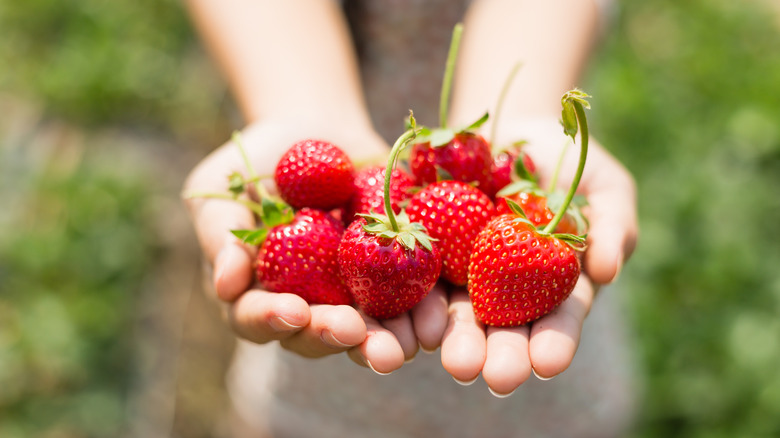
Boy, do I love strawberries. But not those tough, huge, watery ones with the white interior that you get in plastic containers at the grocery store. I'm talking about rounder, red-throughout, juicy, small berries that are maxed out with flavor. The kinds that leave red drips down your chin and fingers. These varieties are often much more tender and have a tough time with transport, which is one reason they aren't sold as often in big chain grocery stores. This means that most of the time you'll have to get them at your local farmers market or a farm stand.
If you're targeting these softer, sweeter varieties, look for the strawberries' color to indicate the sweetest flavor. It's possible that your local vendor is selling a particular strawberry variety, so it's up to you to ask questions and look for indicators that these are more specialized types like Jewel, Earliglow, or Sparkle. Color and size matter, and you're always welcome to ask for a sample. If you can get berries like these in your area, jump on the opportunity to snatch some up at the farmers market before the season ends.
Winter squash
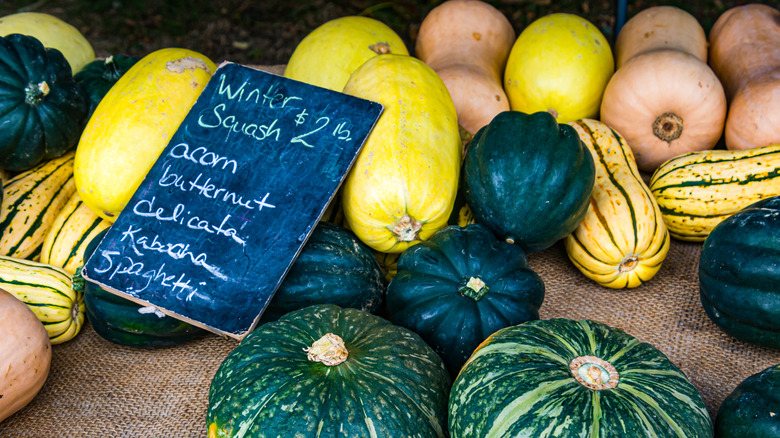
Although winter squash aren't typically ready for harvest until the early fall, sometime around late September, they can be harvested in late summer and cured in the fall and winter. This is why we call them winter squash though these fruits make the list of the best summer produce to buy at the farmers market. The flavor, when bought from a farm stand or farmers market, is noticeable. When products, like winter squash, are tough and have a long shelf life (sometimes over two to three months), grocery stores can take advantage of this. While one to two weeks of hanging out off the vine cures the fruit and improves the flavor, waiting too long can create a dry and flavorless squash. There are few opportunities in life when you can ask the farmer when the squash was harvested, and the farmers market is one of them. This way, you can find that sweet spot on your own.
You might notice that these local squashes that have hit their sweet spot during the ripening process to be sweeter, have more colorful flesh, be more water-dense, and pack stronger flavor. In addition, you might find a larger variety of winter squash to choose from beyond your standard acorn, butternut, and spaghetti squash that frequent grocery store shelves. Select your produce carefully, and the basic rules for buying squash from a store still apply.
Sweet corn
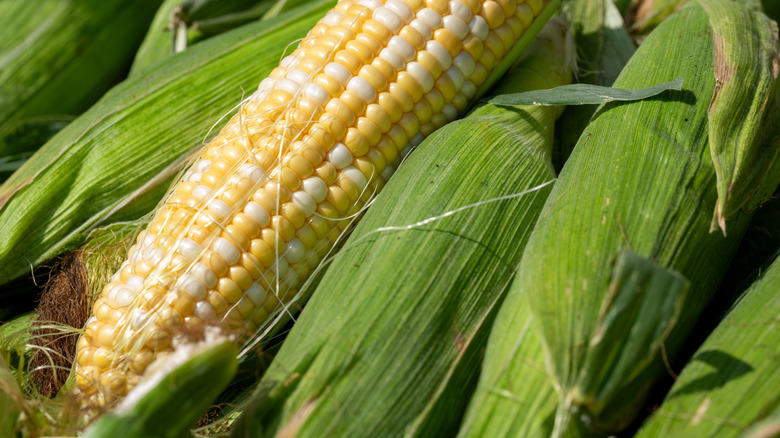
There are some foods that need to rest, cure, or ripen before being enjoyed, and corn isn't one of them. Have you ever noticed that corn doesn't taste as good after it sits out for a few days? It's not in your head. Sweet corn on the cob is best harvested in the summer when it's fully ripened, and it should be eaten right away, when the sugar content is highest. After being plucked from the stalk, sugar slowly turns to starch as the corn sits. Having grown up with a neighborhood corn cooperative, I can attest to the difference between day-old and freshly picked corn as being highly noticeable.
When you shop at a farmers market, the produce is local and typically freshly picked. It doesn't sit on transport freights for days or weeks and isn't spending a great deal of time in cold storage. When you meet the farmers or their team at the market, you can ask them when the corn was picked, which can give you insight into how long the sugars have been converting. You might consider looking for corn on the cob signs of freshness, like a moist, vibrant green husk. Once you've tried a fresh harvest, you'll never go back.
Herbs
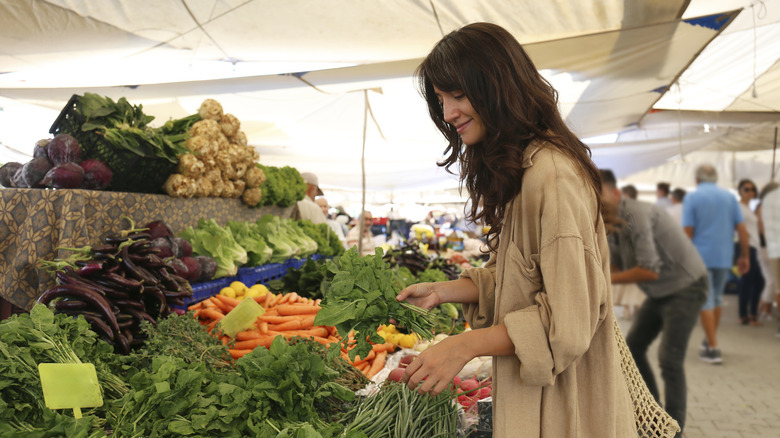
Herbs are incredibly delicate and are best enjoyed picked fresh and eaten right away. Farmers market produce is very often harvested recently, if not that very morning. In grocery stores, you can assume that most of the produce was grown afar, stored, shipped, and has been sitting in warehouses or on shelves for some period of time. In addition, grocery stores often sell wide varieties of fresh herbs in small quantities at high prices, except for cilantro, scallions, and parsley, which tend to be more accessible. Buying herbs grown in the summer sun and harvested fresh maximizes their flavor as this is when the essential oils are at their optimum.
Fresh herbs are nutrient-dense, packed with flavor, and can upgrade almost any recipe. Markets often have a surprisingly large variety of fresh herbs in the summer, usually at a reasonable price, and sometimes even offer plants with the roots intact. This way you can buy it once and enjoy all summer long, saving you even more money in the long run. Also, each time you want to use your herbs, you can pick them fresh from the plant, ensuring the best overall flavor.
Fiddleheads
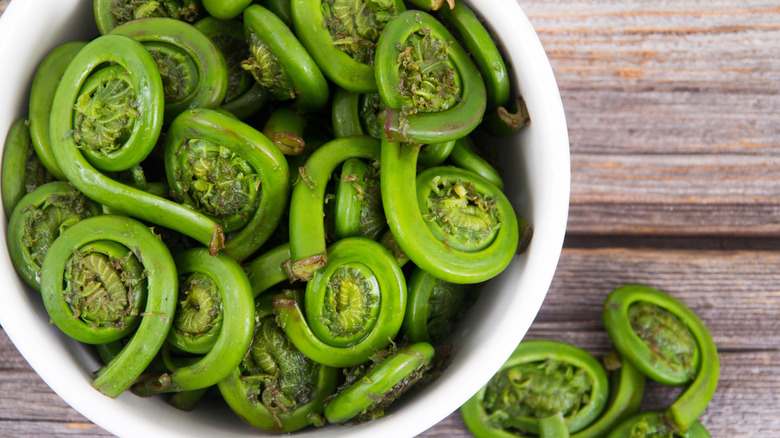
If you're lucky enough to live in a region with fiddleheads, then one of the only places you might find them besides a local coop is the farmers market. If you're scratching your head wondering what the heck a fiddlehead is, you're not alone. These leafy greens are a variety of ostrich fern before it's fully grown. Before a fern spreads its leaves, it grows from the ground in a tightly curled spiral that slowly expands over time. Their earthy and grassy flavor is desirable, but the real treat is how much sauce those immature leaves can soak up, while the stem delivers a pleasing crunch.
Fiddleheads are foraged in the forest, mostly in the Northeast of the United States and Canada, and have a short window before they fully develop into ferns. If you live in a northern or colder region like Canada or north Maine, you may find fiddleheads as late as early summer. Though they are mostly foraged in spring, if winter lingered, head to your local farmers market when summer starts, or do a little research about your region to target a narrower window of opportunity. Foraged foods are more frequently found at farmers markets, while grocery stores tend to supply from commercial growers and large-scale farms. Note: Never eat raw fiddleheads – they have been linked to some food-related illnesses.
Rhubarb
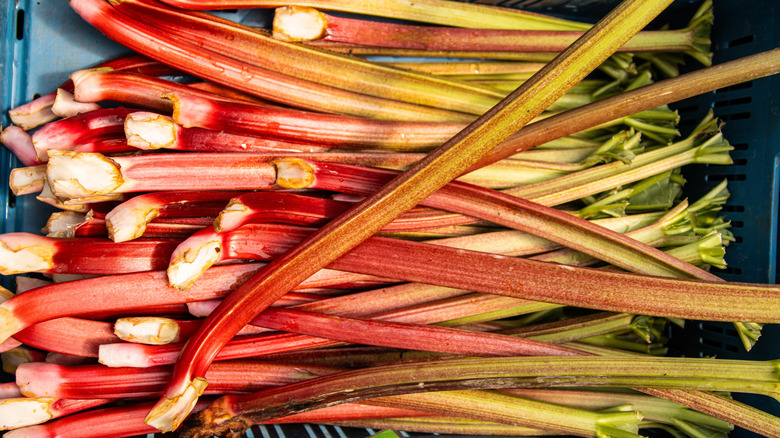
If you love tart, tangy fruits, then it's likely you'll love rhubarb. In fact, it's quite sour, with just subtle undertones of sweetness. Much like cranberries, it's typically cooked with a sweetener to balance and enhance palatability. You won't often find rhubarb in the grocery store because it has a very short-lived harvest season (if you prefer tender stalks), and the stalks have a relatively short shelf life. In early spring, you can find young, tender rhubarb at farmers markets and farm stands if you live in the northern half of the United States, while fully mature stalks are available in early summer.
If you purchase a whole plant or starter, note that the leaves are poisonous. When purchasing rhubarb, there are a few things to look for. Zero in on stalks that have few to no blemishes. They should also be firm and shiny, and they shouldn't flop when you hold the end. Lastly, target thinner stalks for a less fibrous texture.
Mushrooms
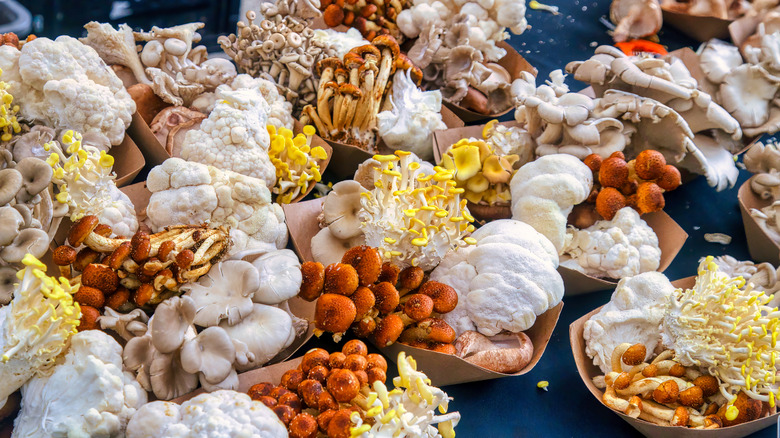
As a huge mushroom fan, I can say with confidence that grocery stores are failing to provide enough when it comes to varieties. Yes, you can get some beautiful portobellos, baby bellas, and even some white buttons at just about any grocery store. At specialty stores, shiitake and oyster mushrooms are more prevalent but often come with a large price tag and are only fresh if you're lucky. A reliable place to get decently priced mushrooms is the farmers market, where you can likely find a wide selection of beautifully fresh summer fungi. In fact, I don't think I've ever seen a spoiled or aged mushroom at the farmers market.
Depending on your market, you might find many types of mushrooms, including blue oyster, king oyster, lion's mane, shiitake, hen of the woods, and even chestnut. Additionally, some mushroom-focused stands have tinctures, mushroom teas, coffees, and powders that might help improve cognitive function.
Arugula
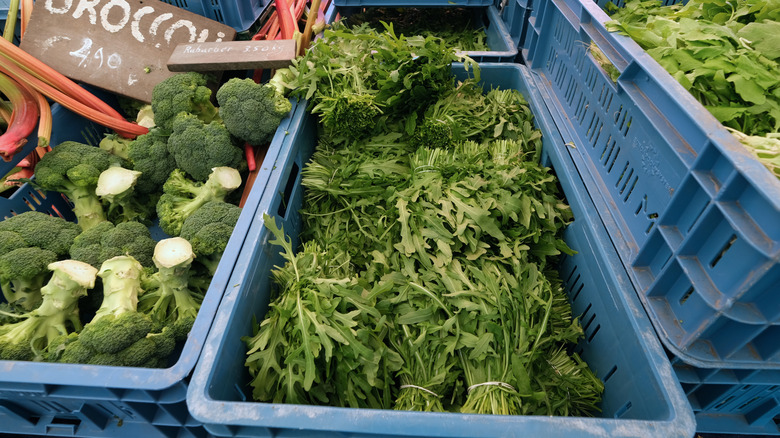
As I grew up with a vegetable garden overflowing with endless produce, I can confidently say what you get in the store does not taste like garden-grown food in the slightest. One of the foods with the most drastic difference in taste and texture is arugula. Fresh arugula is peppery, delicate, aromatic, and slightly nutty. You can detect a sharp, bitey, or bitter finish, and the flavor is unique and bold. Also, you should know that baby arugula is different from regular arugula, as it is harvested earlier it has a more tender leaf with a milder flavor. Grocery stores often offer a chewier, milder arugula that's more fibrous and bland, which is less pleasing in my opinion — unless your goal is to add texture to the dish or plan on heating it.
Typically, arugula bolts in the heat of summer (depending on your region) and produces bitter leaves, but there are ways that farms prevent this so you can enjoy summer arugula at your farmers market. Even if you enjoy the milder store-bought arugula, once you try home-grown and fresh arugula from the local farm, it's hard to go back. In addition, depending on your area, you may find that the farmers market offers quite a bit more bang for your buck. However, sometimes, if a market is trendy and located in the city, the prices might exceed those in the grocery store. Rural farmers markets tend to be cheaper, so it might be worth taking a trip out of the city to see what the surrounding towns have to offer.
Mustard greens
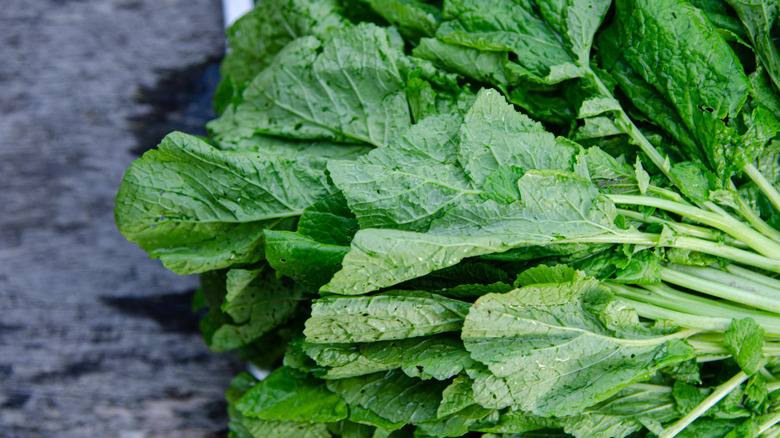
Mustard greens are leafy vegetables that are hard to find in generic grocery stores. Essentially, mustard greens are a fantastic kale alternative for those seeking something with a bit more flavor and a more tender leaf that can be eaten raw or cooked. If you enjoy the peppery notes of arugula, then you might want to consider grabbing some mustard greens to cook with. Raw, they are bitter with a horseradish-like flavor, which softens as they are cooked. While they are scarcely sold at commercial grocery stores, they are frequently found at farm stands and farmers markets during their growing season.
This niche leafy green is best eaten shortly after being harvested, as it's tender. Look for leaves that are plump and retaining moisture, and avoid overly floppy, rubbery, or dried leaves. You'll especially want to target fresh greens if you plan to use them in a mustard green salad or in another raw capacity.
Potatoes
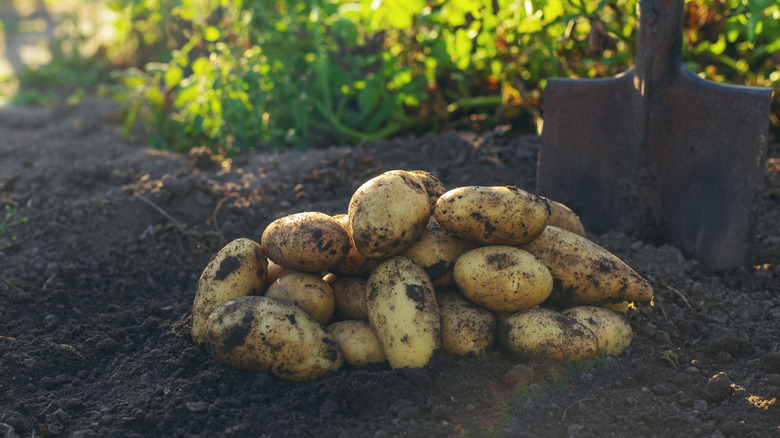
Most of us know potatoes as the bland and boring root vegetable that accompanies flavorful entrees. As it turns out, potatoes are anything but bland. They may be mild and neutral, but fresh, homegrown, or local potatoes are actually quite complex. Depending on the variety, they can be intensely creamy, subtly sweet, and carry a unique flavor.
Studies show that soil can affect a potato's starch content, which is why potato producers often proudly stamp the location right on the packaging. This, in turn, affects the texture. In addition, soil quality affects nutrient density. Smaller-scale farms tend to use regenerative farming practices more than commercial farms, which have a positive association with soil quality. If you live in a region with prized taters that start arriving in the summer, there is even more incentive to buy potatoes locally. Having grown potatoes in my neighborhood's garden cooperative, as well as on an individual basis, I can confidently declare a noticeable and pleasing difference in farm-grown spuds.
Squash blossoms
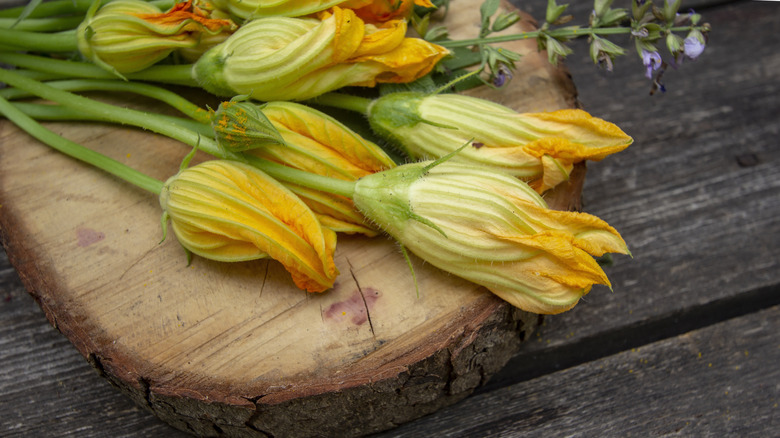
Have you ever seen squash blossoms at the grocery store? If so, you're lucky and part of the minority. This is because large-scale grocery stores need food that lasts in warehouses, on transportation vehicles, and on the shelves. Squash blossoms wait around for nobody and start to shrivel and close up within a day or so, and sometimes even hours after harvest. Ideally, you'd use them the day they are picked. If you're hoping to get your hands on some, then your best bet is directly from a farm, and sometimes they will bring their harvest to the farmers market.
Squash blossoms, besides being finicky, are slightly sweet and mild, and can be cooked using a variety of methods. Most commonly, they are stuffed with soft cheese and fried or sauteed in a delicate sauce — as the petals cling to the flavors they are cooked with. If you can get your hands on them, try your farmers market squash blossoms in a quesadilla, sauteed as a niche side dish, or fried and sauced as a crispy appetizer.
Your local prize crop
The best part about the farmers market is the local produce. So, the best summer produce to buy at the market just happens to be whatever your region deems its specialty. If you're traveling and enjoying a market in a new area, do some research so you can target the fruit and veggie gems of the state.
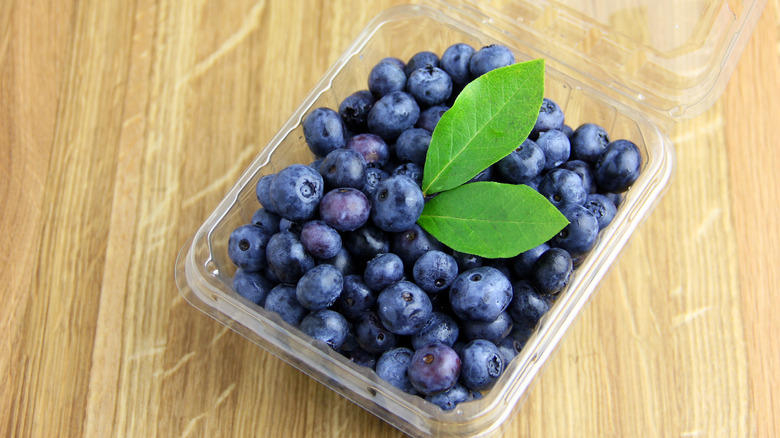
For instance, good eats in Maine include fiddleheads, Aroostook County potatoes, and wild Maine blueberries. In Georgia, you'd better load up on those famous peaches and sweet corn. In Southern California, grab a handful of Hass avocados, Oceanside Pole tomatoes, and subtropical fruits. Support your local farmers, enjoy fresh produce, eat seasonally, and feel good about lessening your environmental impact by cutting out the middleman.