

10 Lagers At Walmart To Buy, And 5 To Avoid
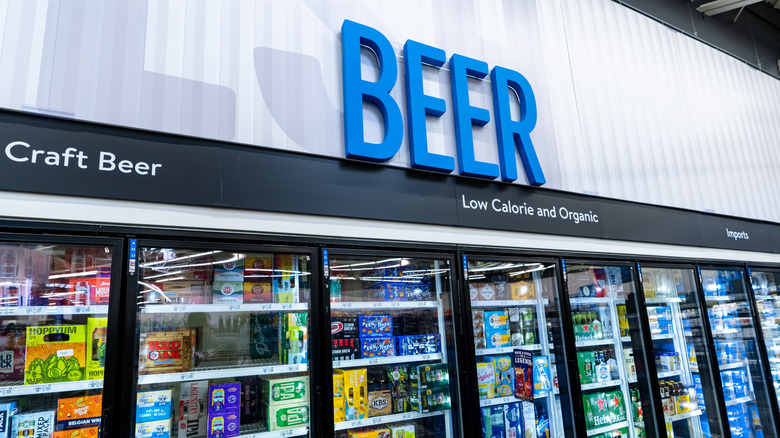
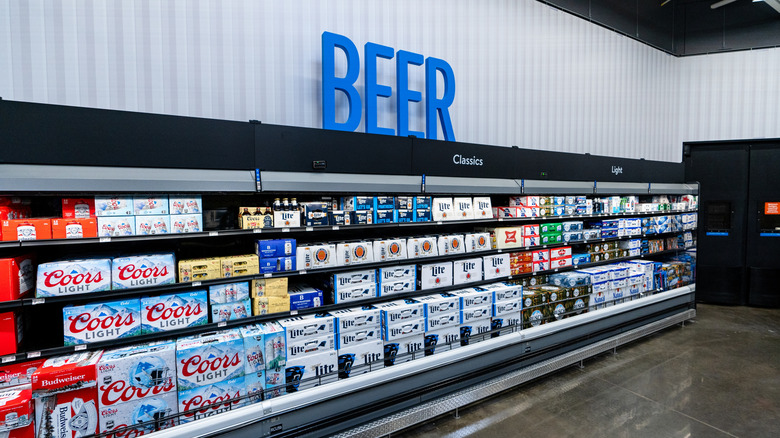
For those buying beer at Walmart, you'll typically find a wide mix of domestic and imported options, with prices ranging from budget-friendly picks to surprisingly expensive imports. With so many choices sitting at similar price points, it can be difficult to figure out which ones actually deliver the best quality and value.
I've broken some of Walmart's beer offering down into lagers worth buying and those better left on the shelf, considering flavor balance, style execution, ingredient character, drinkability, consistency, availability, and overall value for money. Each lager was also judged against the expectations of its style.
These picks are based on my personal tasting notes, backed by years of experience with these beers and how they compare to others on the market. All of these beers are commonly available at Walmart, and by the the time you've finished reading, you'll know exactly what to pick up on your next visit.
Buy: Peroni Nastro Azzurro
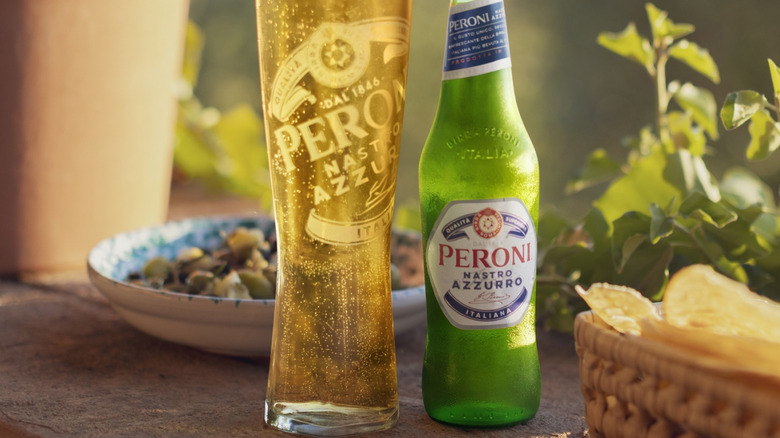
As with many of the best Italian beers, what you'll get here is a beautiful, crisp, light-bodied lager that will provide maximum refreshment. It provides subtle and delicate grain sweetness, herbal hop bitterness, and a crisp finish without becoming overly assertive. It avoids the excessive sweetness or watery character that can undermine other mass-produced lagers. Part of the appeal of Peroni is that it's a high-quality import lager that remains accessible.
Peroni simply feels more sophisticated than many other Walmart beers while still being reasonably priced. Added to the appeal is that it pairs with, well, just about anything. That light body and smooth mouthfeel make Peroni especially suitable for drinking alongside rich or greasy food, such as a margherita pizza or a spicy sausage pasta, and it's equally great for a barbecue.
Buy: Modelo Especial
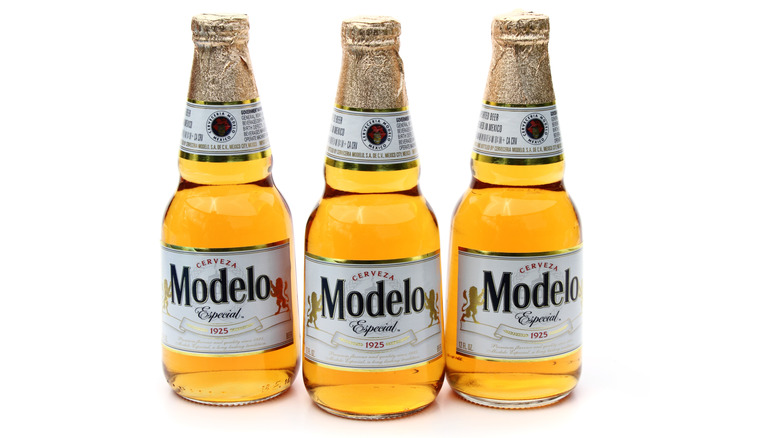
It's fitting that we just looked at Peroni, as Italian and Mexican lagers are fairly similar. They often have a clear and refreshing taste, while being perfect for pairing with rich food and ideal for cooling down on warm, sunny days. There are plenty of impressive Mexican beers out there, and Modelo Especial is a shining example. It's flavorful enough to stand out from many other mainstream lagers, but it doesn't sacrificing the drinkability that defines the style. Compared to many other lagers, it has a bit more presence.
Modelo features a corn-sweet malt backbone with light biscuit and cracker notes, and a slightly herbal hop character. These lead to a crisp finish with very little lingering bitterness. The beer maintains a fuller body without tasting too heavy or intense. Whether you're relaxing at home, enjoying a Mexican feast, or chilling by the beach, Modelo is a solid choice. It also offers excellent value for money — while Modelo may cost more than budget domestic beers, the price is more than justified by the beer's fuller flavor profile, stronger ingredient character, and consistent quality. When judged against other widely available Mexican-style lagers, Modelo Especial stands out for its balance, consistency, and overall execution.
Avoid: Stella Artois
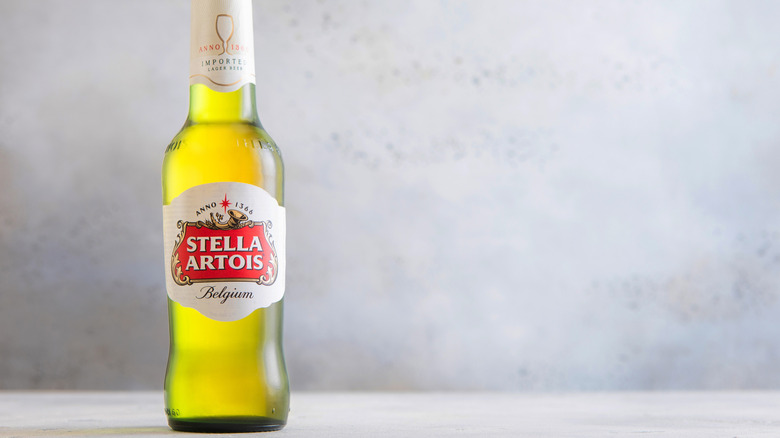
Stella Artois is a beer that, at a glance, promises a premium drinking experience. However, all it truly delivers is a premium price tag. It's not a terrible beer, but when judged on flavor, balance, and overall value, it struggles to earn a place alongside some of the superior imported lagers at Walmart.
Stella is easy enough to drink, with light grain sweetness, restrained hop bitterness, and a crisp finish. Yet these flavors rarely develop into anything particularly distinctive. Not only is the character too subtle, but it can also display slightly synthetic or metallic notes. This isn't a major flaw, but it's prominent enough to stop Stella from standing above similarly priced competitors.
The beer's lack of definition is even more noticeable when you compare it to other import lagers in this list that offer greater malt depth, cleaner bitterness, or a more defined sense of style. Stella's shortcomings wouldn't be as relevant if it was a budget domestic beer, but it simply doesn't offer that value.
Buy: Dos Equis Especial
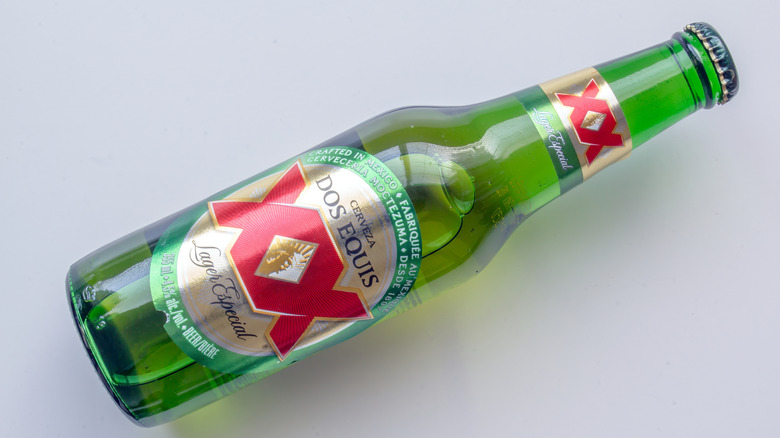
What makes Dos Equis Especial stand out is its smoothness and subtle complexity. It has light grain sweetness with faint herbal character and a cracker-like malt profile. There is also a balanced level of hop bitterness that isn't overwhelming, but it's enough to prevent the lager from tasting too flat or overly sweet. At 4.2% ABV, Dos Equis packs enough punch without feeling too heavy, hitting the spot that many lager drinkers look for with decent flavor and maximum freshness befitting of a Mexican-style pilsner.
Dos Equis is another lager with excellent versatility, and it pairs especially well with spicy food thanks to its clean profile and restrained bitterness. It tastes fine with a lime wedge but stands up on its own, too. Dos Equis also deserves praise for its value, sitting in a middle ground where it's not a budget option but doesn't feel overpriced either. Dos Equis Especial delivers a strong combination of balance, consistency, and drinkability, offering enough flavor and style definition to justify choosing it over more generic alternatives.
Buy: Kirin Ichiban
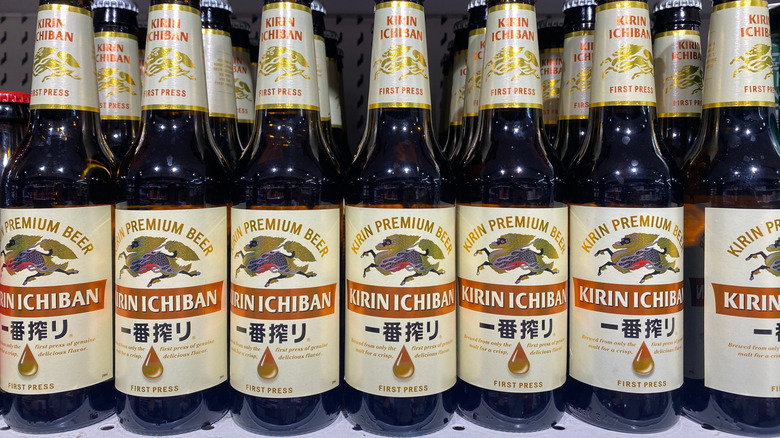
Kirin Ichiban is unique in that it's brewed using the first-press method. This means the first extraction of wort from the mash is used, which tends to produce a smoother, less grain-harsh profile. This is partly why Kirin Ichiban feels more refined than many other mass market beers. It generally avoids any husky grain character and most perceived off-flavors, resulting in a subtle but well-balanced beer.
You get light, soft malt sweetness and gentle bitterness in line with many high-quality pale lagers. This finish is exceptionally smooth, with delicate biscuit notes, lightly honeyed grain character, and a restrained floral hop character beneath the surface. Another strength of Kirin Ichiban is that it delivers refreshment without relying on aggressive carbonation. For something crisp, clean, and reliable, it's an easy recommendation.
Avoid: Heineken
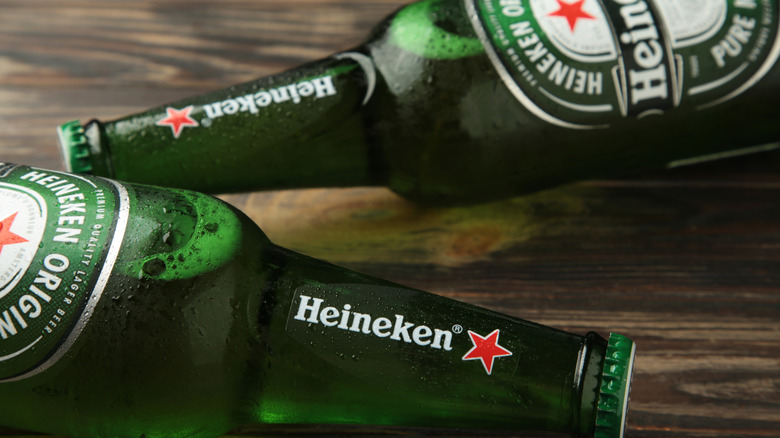
Heineken's flagship lager is starting to feel like a beer to avoid. Prices of beer have increased drastically over the last few years and Heineken hasn't been exempt from these rises. With so much competition, this has moved the beer from being a reliable choice to one that is harder to justify buying. That price increase would be easier to take if the lager were more distinctive. Yet, Heineken is just a run-of-the-mill beer, the type of lager you'd be fine with drinking in the absence of more appealing alternatives.
Brewed as a European pale lager, it still has that familiar light malt base along with its distinctive herbal, grassy, and slightly earthy hop profile. It could be that you enjoy its slightly skunky edge, or you may just view it as harsh instead. Heineken is far from a bad beer, but if you're browsing the beer aisle for something better than the basics, it's no longer a choice that makes a lot of sense.
Buy: Michelob Ultra
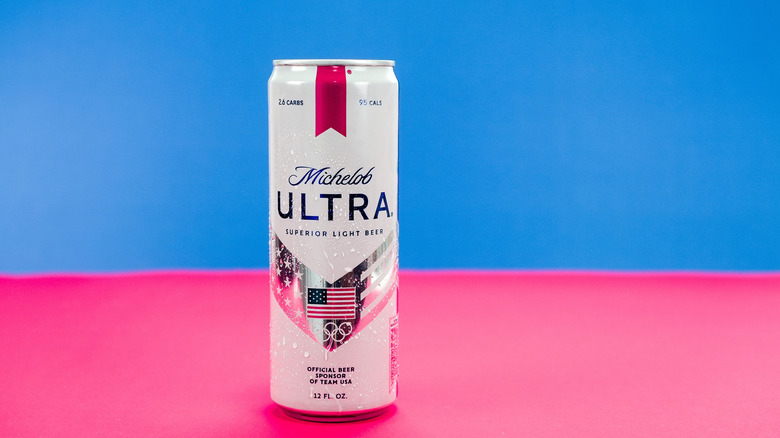
Michelob Ultra isn't a beer you should buy specifically for the flavor. That may sound odd, but the reason it has become one of America's top selling beers by retail sales volume goes beyond its tasting notes. It has managed to carve out a niche as a light lager that is low in calories, at 95 calories per 12-ounce can. In comparison, Heineken contains 142 calories in the same serving. It is often marketed towards those who live an active life but still want to enjoy beer as a treat.
Michelob is light-bodied but it isn't overly thin, and there isn't any artificial aspect to this beer. Instead, there's low malt sweetness, very low bitterness, and only subtle grain character. As a light American lager, Michelob Ultra is designed to maximize drinkability while keeping calories and carbohydrates low, and it executes that goal remarkably well. Its light nature makes it great for sipping ice cold after some physical activity or alongside lighter foods, such as grilled chicken or seafood.
Buy: Pilsner Urquell
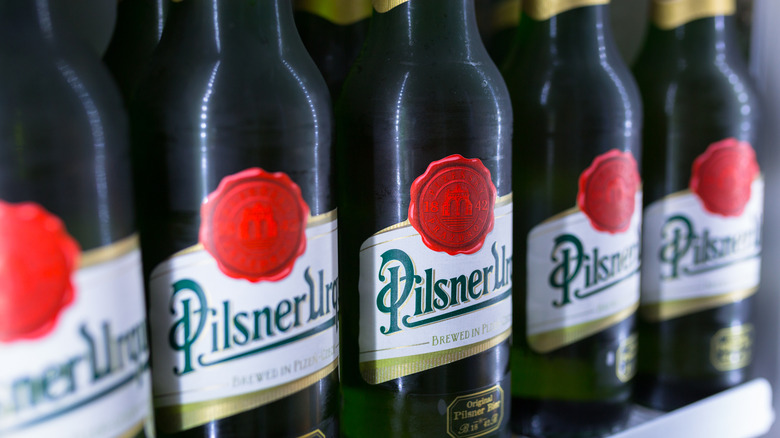
Pilsner Urquell is an iconic beer, known as the world's first pale lager when it was created back in 1842. It also still brews all of its beer in Plzeň, Czech Republic. We've long been fans of Czech beer, and this is a great example of what makes the style so well regarded. Pilsner Urquell shows you can still stand by your traditional methods and be successful. If you want to learn what a proper pilsner should taste like, this is arguably the best starting point you can find at Walmart.
A rich, bready malt character forms the foundation, accompanied by subtle honey and toasted notes that give the beer a satisfying fullness. Saaz hops add to these malt-driven characteristics with warming, herbal tones. Yet it manages to offer this depth without compromising on refreshment. Pilsner Urquell somehow feels fuller than most lagers but without ever becoming heavy, and it's great with heartier foods, such as sausages and roasted meats.
Avoid: Foster's
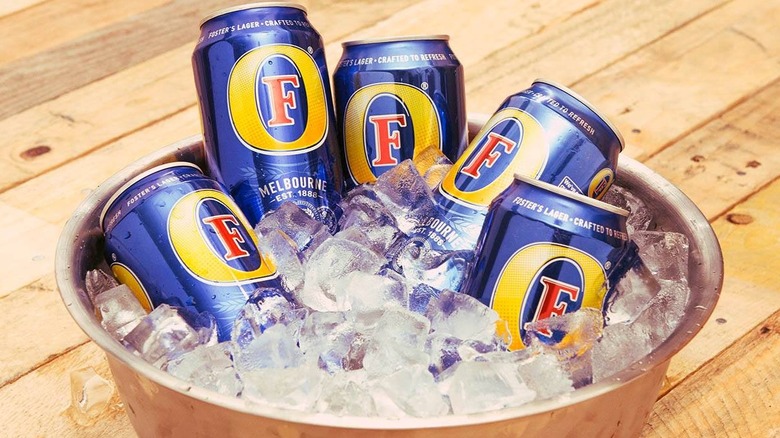
To give Foster's credit, it's a master of marketing. Despite what decades of advertising campaigns may say, Foster's popularity in Australia is minimal, but it's still sold worldwide. It's the epitome of a mass-market beer, and while this list demonstrates that macro lagers can have plenty of flavor, Foster's isn't one of them.
There is a light malt sweetness, mild grain character, and very little hop presence or complexity to make Foster's memorable. The body is light and the finish is clean enough, and Foster's still delivers a smooth mouthfeel with lively carbonation, but it comes across as far too bland. Foster's just isn't any better than the vast majority of domestic lagers available, and that's before you compare it to other imports. It makes more sense to pick a different lager with more flavor — or save yourself a few dollars and buy domestic – and that's why it's one to avoid.
Buy: Samuel Adams Boston Lager
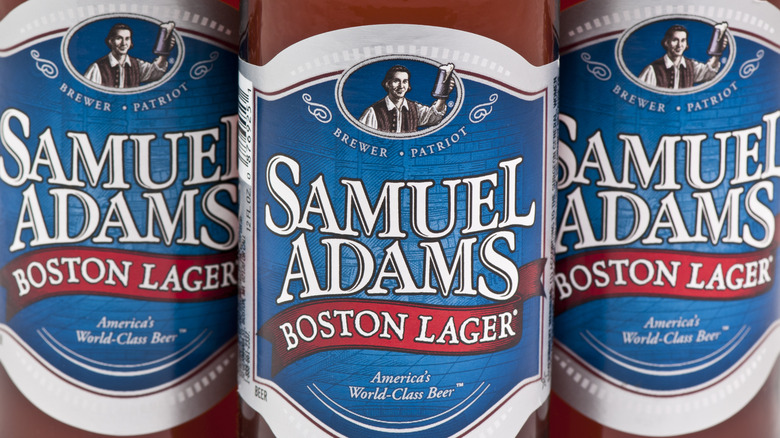
Samuel Adams credits itself for being a pioneer in the U.S. craft beer movement, and still produces one of the most appealing lagers you can find in Walmart. It's become such a familiar name that it's often easy to overlook the brewery's significance and the fact that this is still a genuinely great beer.
Boston Lager offers far more character than most of the mass-market competitors sitting beside it in Walmart's coolers. That character mainly comes from a more malt-forward profile than you usually find in lighter lagers. It delivers light biscuit notes from the malt along with a touch of caramel sweetness, while displaying subtle citrus qualities from its noble hops.
It also works well as a gateway beer. There's a clear gap between basic lagers and more experimental styles, and Boston Lager helps bridge that divide by introducing more pronounced tasting notes without jumping into anything too intense. For many drinkers, that makes it an accessible step up. Added to its appeal is its wide availability at a fair price, making it an easy pick when you want something with a bit more character without moving into more complex styles.
Buy: Red Stripe
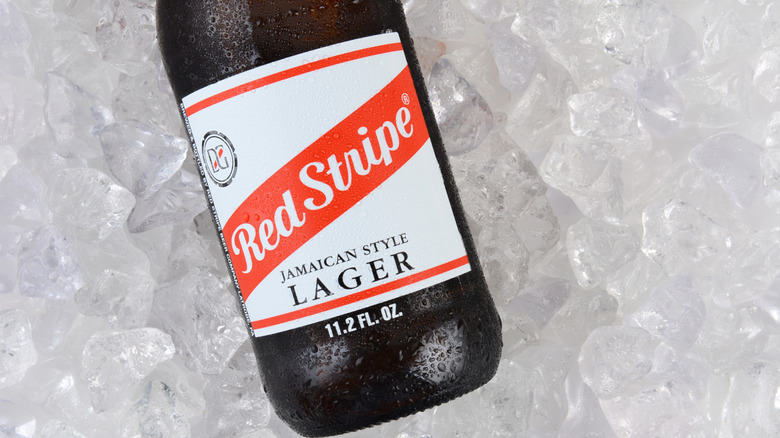
Once you taste Red Stripe, you'll notice how it differs from most other pale lagers. It has a noticeable corn sweetness that develops on the palate into a cracker-like malt profile, followed by subtle fruitiness from yeast esters. It's one of those beers that an aficionado might easily recognize in a blind taste test. Still, it remains smooth and approachable, making it a versatile beer for a wide range of occasions.
As with most lagers, Red Stripe is a product of its environment, so it's unsurprising that the Jamaican beer is particularly well suited to spicy foods and anything you'd find at a barbecue, its slight sweetness and crisp finish helping to temper the heat from any sauces or spices. Red Stripe may not be the most complex lager you're ever going to drink, but it is distinctive and may intrigue you for that reason alone.
Avoid: Natural Light
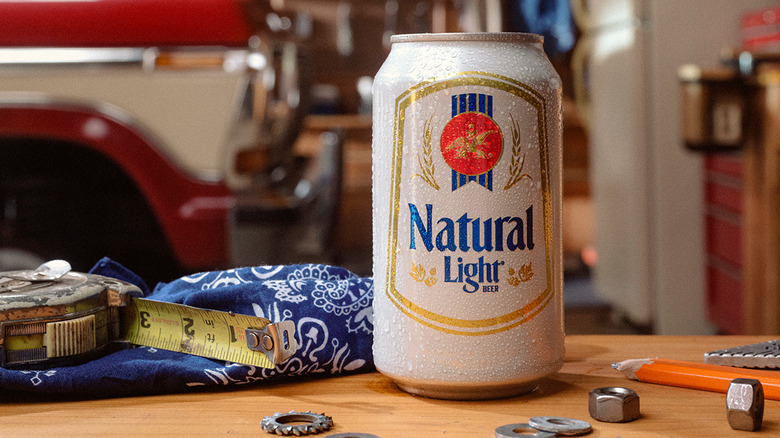
There is nothing inherently wrong with cheap, simple beer; otherwise, it would have been much easier to find options worth avoiding. Just because you're looking for a budget beer doesn't mean you have to completely sacrifice flavor, and while Natural Light is both cheap and accessible, it's sorely lacking on the taste front.
The biggest issue with Natty Light isn't the presence of off-flavors but the absence of, well, any flavor. The body is extremely light, bordering on watery, and there is very little in the way of malt character or hop presence to create a sense of balance. There is a small amount of corn-like sweetness but it's faint and disappears quickly. Light lagers are not supposed to be heavy or complex, but they can still be interesting while providing crisp refreshment. Ultimately, there are better light, low-cost, domestic lagers out there.
Buy: Sapporo
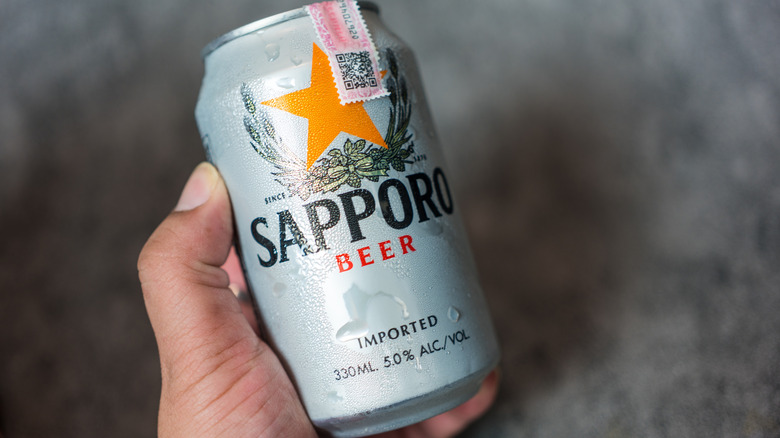
Sapporo is Japan's oldest beer brand, and its flagship lager is excellently balanced. It has a crisp malt sweetness and a slightly herbaceous hop bitterness that gives subtle hints of citrus. It's often referred to as a rice lager but this is incorrect — Sapporo is made with barley malt, but it's clean, delicate profile can create that impression. It's not a beer that will intrigue you with deep and complex flavors, but a polished lager that you'll likely return to time and time again.
Sapporo has a fairly smooth mouthfeel yet is highly carbonated, leading to a dry finish. There's no lingering aftertaste here, just a straightforward beer that still brings out enough malt character and bitterness to stop it from feeling flat. Its crisp profile means it pairs well with a wide range of foods, including Japanese classics. It can cut through oily or salty foods, making it a natural partner for ramen, but it also doesn't overpower more delicate dishes, such as sushi.
Buy: Pabst Blue Ribbon
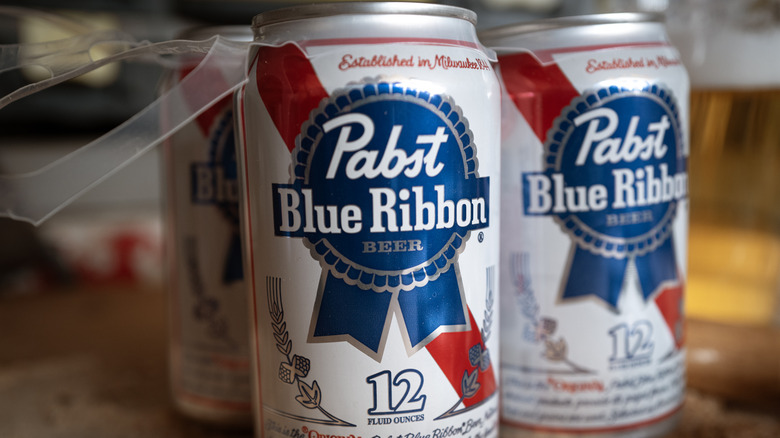
It makes sense to include at least one budget "buy" lager in this list for balance, so if you're looking for strong value but still want a decent, easy-drinking beer, Pabst Blue Ribbon is a solid choice. It delivers on affordability and consistency with a straightforward profile that doesn't pretend to be anything more than it is. PBR is still a fairly thin lager, but it has a bit more body than many of its rivals.
It has a light, grainy malt character with subtle notes of corn, and low hop bitterness, but most importantly, it provides a crisp finish with every sip. The flavor profile is very basic but it still feels balanced rather than watered down — a key distinction when assessing American pale lagers. There are, of course, more flavorful lagers available, but if you're after something cheap and drinkable, it's hard to beat PBR's easygoing charm.
Avoid: Corona Extra
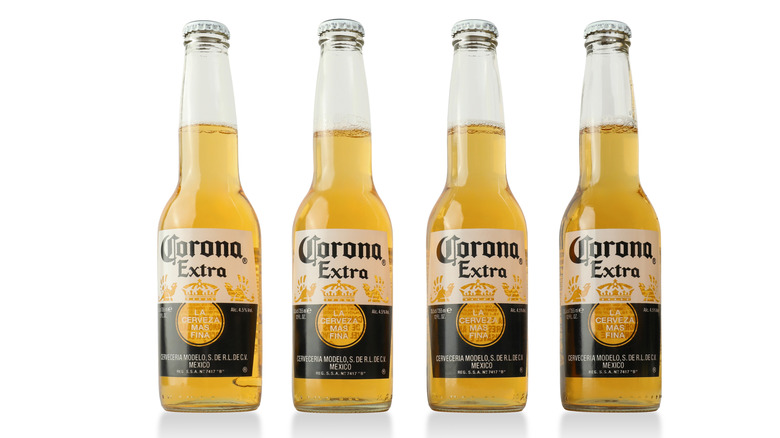
Corona Extra is one of several Mexican beers available at Walmart, but it struggles to stand out against the stronger options we've already covered above. Its branding remains extremely strong, and the ritual of adding lime to Corona has helped define its image while making it feel just a little bit special.
However, strip all of that away and you're left with a fairly mild, undistinguished beer. The flavor profile is restrained, offering light malt notes, subtle corn sweetness, and minimal hop character. While it is pleasantly crisp and highly approachable, Corona lacks depth, complexity, or any real defining character. There is nothing offensive about this beer, but nothing memorable either. It's not alone in this respect, but it's another example of how brand recognition and heavy product placement doesn't necessarily translate into better beer.
Methodology
While price can be a key factor in choosing a beer, I considered whether the cost of each lager listed represents genuine value for money. To assess the quality of each beer and whether it delivered real value, I looked at the overall flavor, character of the ingredients, body, finish, balance, and consistency of the brand.
Another key consideration was how well each beer performed within its expected style. For example, a pilsner is judged on malt character, hop complexity, bitterness, and balance, while a light American lager is expected to deliver cleanliness, refreshment, and a crisp profile. Some lagers are not necessarily poor, but fail to meet these style expectations. When selecting beers to avoid, I also considered whether there were better or more distinctive options available at a similar price point.
All of these picks are based on extensive tasting experience with these beers and comparable styles over time. This long-term perspective allowed me to assess how quality and consistency have held up, and whether each beer continues to meet the standards outlined above.