

Keep Your Cabbage Plants Far Away From These Popular Garden Staples
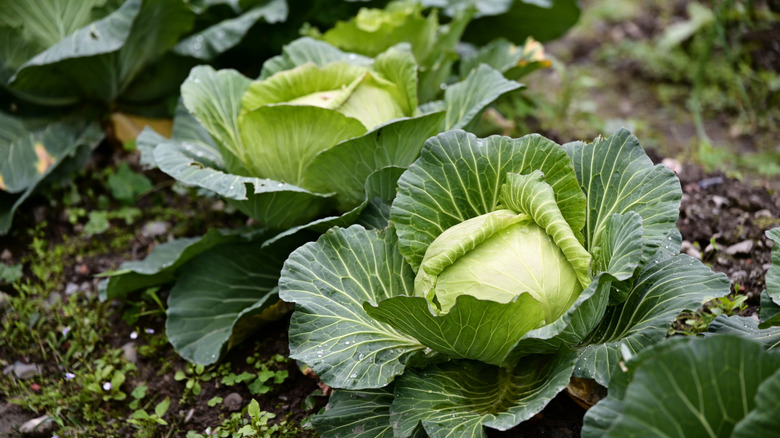
If you've ever heard that basil and tomatoes should be planted together, or that corn, beans and squash are known together as "the three sisters," then you've heard of companion planting. It's the idea that certain plants can be mutually beneficial to each other, either by helping to repel pests, provide nutrients the other needs, or create an ideal growing condition.
The opposite is also true. One of the mistakes people make with companion planting is not considering which plants might need to be kept apart. There is a whole host of reasons that two types of plants might not get along. Some are fast growers, notorious for stealing space and valuable nutrients. Others create environments where pests and disease can more easily settle in and destroy your plants.
Cabbages grow well alongside aromatic herbs such as rosemary and sage, which will help keep away some of the critters that feed on young leaves. They also do well with beans and peas, which will provide the nitrogen than cabbages love.
Cabbage is fairly hardy and easy to grow, but it's not immune to pests and disease. Even plants that survive these setbacks can be low yield if they don't get enough nutrients. If you want your gardening efforts to be rewarded with a healthy crop of cabbages, here are some fruits and vegetable you should avoid having in the same garden bed.
Kale
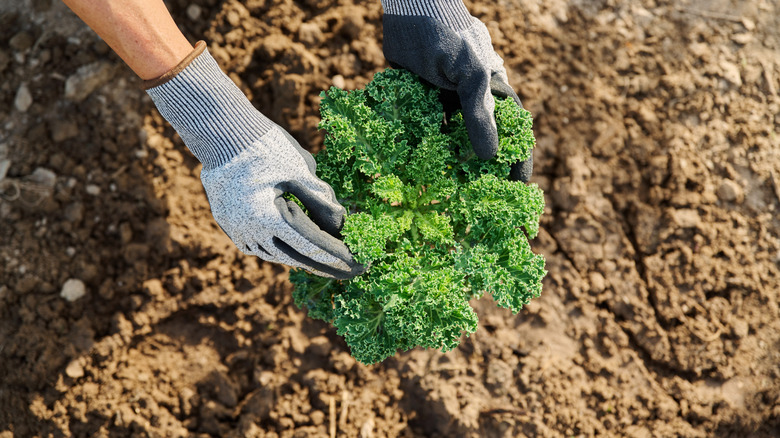
Kale is technically a type of cabbage, so it might come as a surprise that it shouldn't be planted right alongside. But it's the similarity that causes the problem. A part of the same family, kale is prone to the same pests as cabbage. By putting the two vegetables together you're creating a bigger and more attractive target for critters, where insects can quickly spread from plant to plant, decimating both crops.
Tomatoes
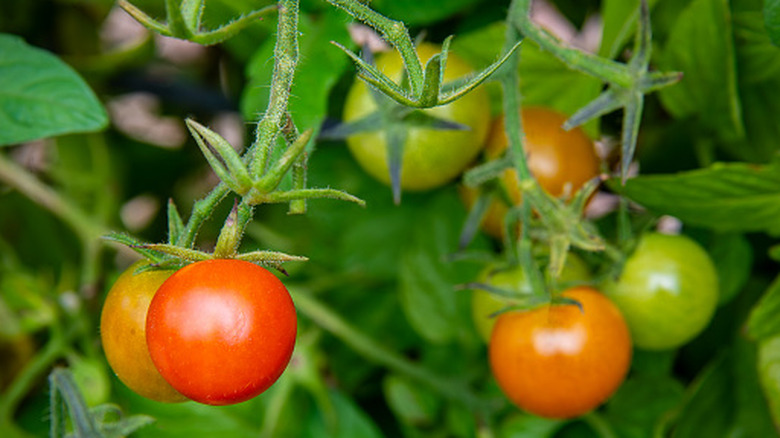
Tomatoes are one of the most rewarding plants you can add to your garden. They are easy to grow and provide a huge return on investment, with a single seed potentially turning into pounds of fruit. They require nutrient rich soil, and will draw heavily on what's available. Cabbages are also heavy feeders, so the two vegetables together will quickly deplete the soil, resulting in reduced growth for both plants, but more often the tomatoes.
Broccoli
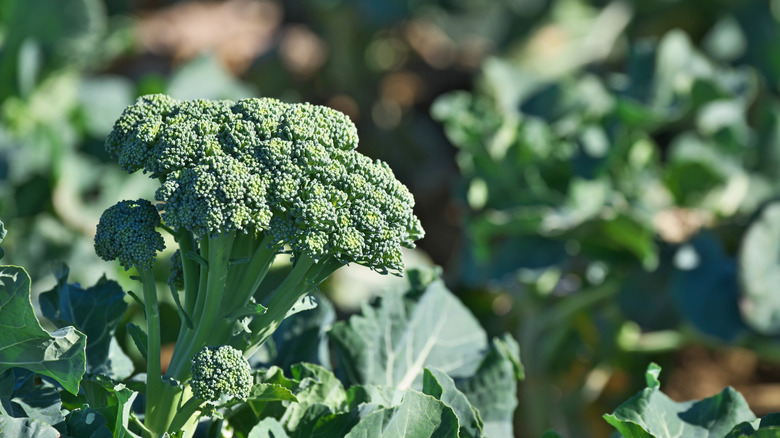
As another cruciferous vegetable closely related to cabbage, broccoli is going to give you the issue of the two plants attracting the same problems. You'll be at the mercy of destructive insects like cabbage loopers and diamondback moth larvae, and a bacterial disease known as black rot that can't be treated once it takes hold on plants. Black rot can remain in the soil, so crop rotation is particularly important for cabbages.
Strawberries
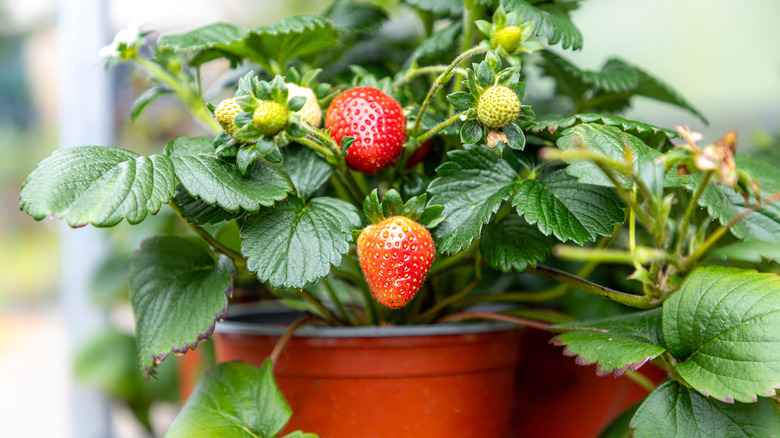
Despite their dainty appearance, strawberries can be aggressive growers, with the sprawling plants stealing space from young cabbages. Below the soil, the roots of cabbage plants take up vital nutrients, so you end up with both plants suffering. If you don't have enough garden space to separate the two, try growing strawberries in guttering along a fence, where their spread is limited and they have their own supply of nutrient-rich soil.
Fennel
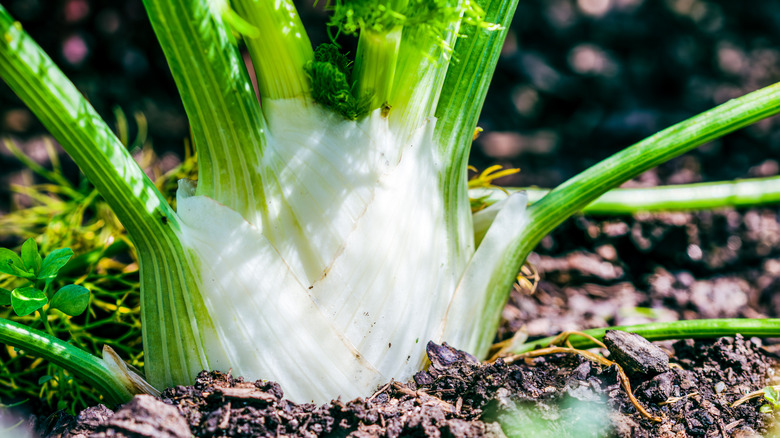
Fennel isn't just an unwise companion for cabbage, it's famously unfriendly to a wide range of plants. As it grows it releases allelopathic compounds into the soil, which can interfere with how cabbage roots develop and their ability to draw up nutrients. Even if the cabbage plants survive, their growth will likely be stunted. Fennel should ideally be grown in isolation, though fast growing greens like lettuce and spinach will tolerate it.
Radishes
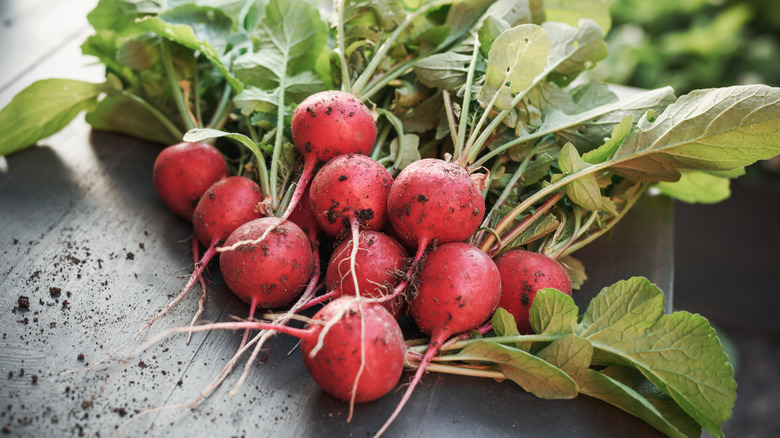
Peppery radishes are very fast growers, one of the few vegetables you can plant and harvest in as little as a month. But planting them near other members of the same broader family (such as cabbage) can make it harder for them to germinate. If you're short on space, radishes can be used as a precrop for cabbages that will help to prepare the soil, but you'll need to be vigilant about pests and disease that can affect both plants.
Eggplant
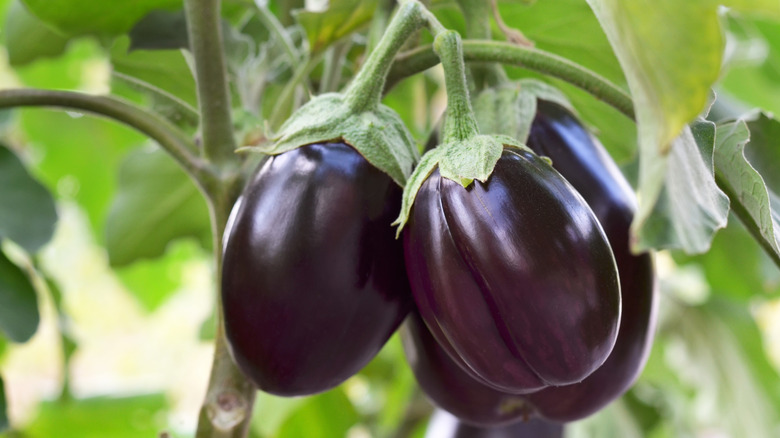
Just like tomatoes, eggplants are heavy feeders, requiring plenty of rich organic matter to produce their large glossy fruit. To compound the problem, cabbages and eggplants have a similar shallow root structure, so they're competing for the same nutrients in the top layer of soil. Eggplants are prone to pests like flea beetles, which can migrate to cabbage, while cabbage worms can be very damaging to young eggplants.
Potatoes
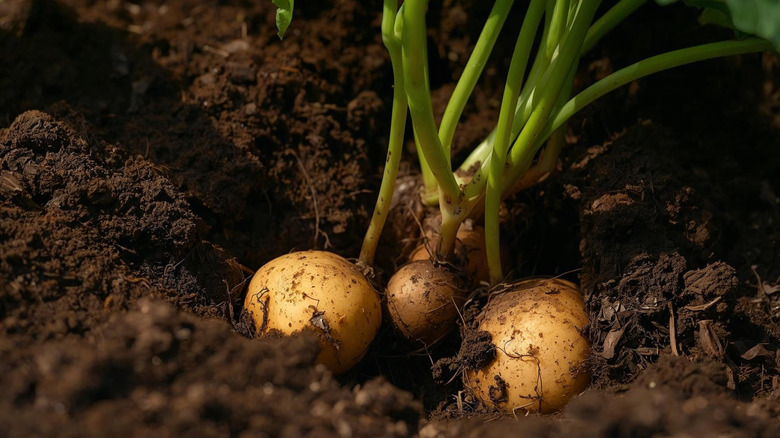
While some plants are a mismatch because of their similarities, others won't grow well together because they have such different requirements. Growing potatoes is best done in an acidic soil, while cabbages thrive in slightly alkaline environments. Even setting this aside, they both require a lot of nutrients and space. Potato tubers can crowd out cabbage roots, and above the soil the leafy tops can smother young cabbages.
Cauliflower
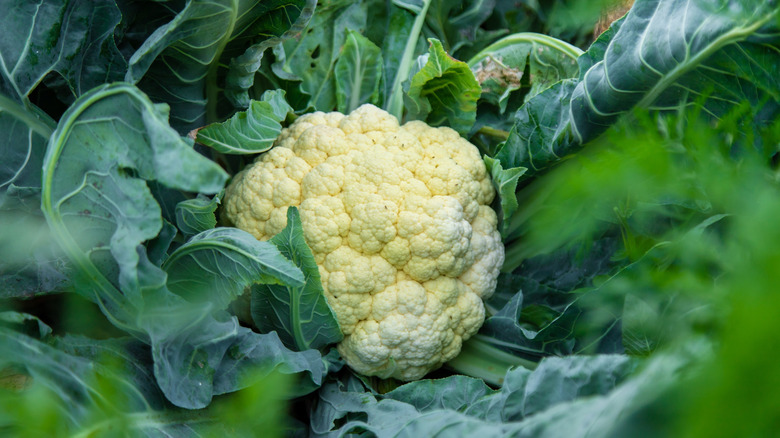
The number of vegetables that form part of the brassica family can make it difficult to plan out your garden. If you're a fan of both cabbage and cauliflower recipes, you'll need space to put more beneficial plants between the two crops. As with other related vegetables, close planting creates a hot spot for club root, black rot, and hungry caterpillars.
Squash
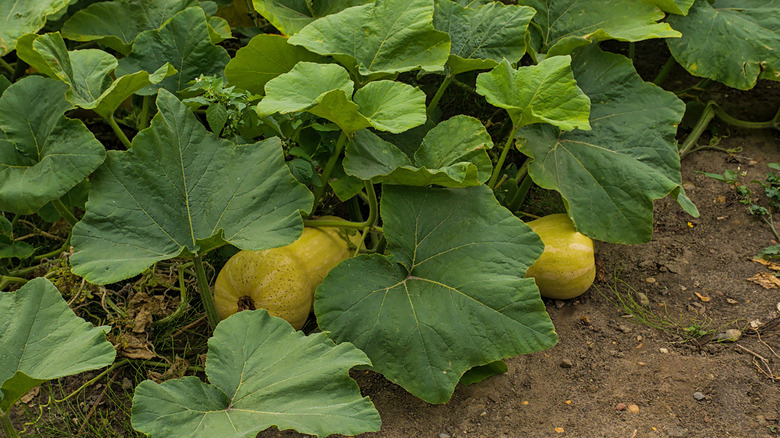
If you've previously planted squash in the garden, you'll know what enthusiastic growers the plants can be, with vines that spread up to 15 feet in any direction. As well as crowding out young cabbages, the leaves on the squash vines create a shady environment that encourages powdery mildew. Plants with mildew will often be weaker and more prone to pests and other diseases. Powdery mildew isn't considered toxic, but may cause an allergic reaction in some people.
Brussels sprouts
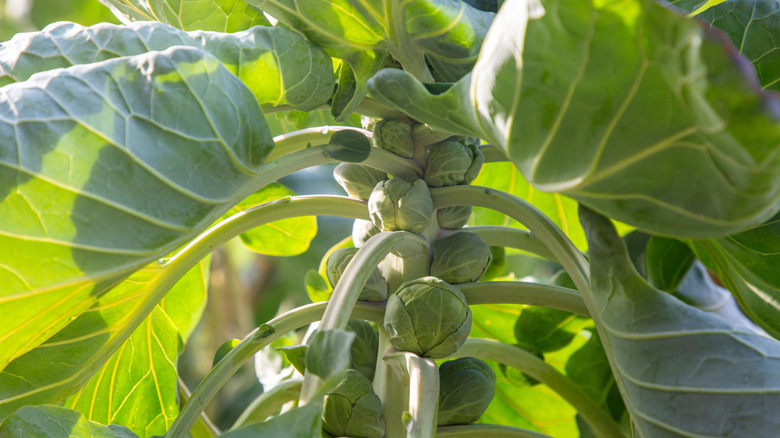
There is sometime a misconception that Brussels sprouts are just baby cabbages, but they are completely separate plants. They do however, both belong to the brassica family, and as we've seen, planting these together is a no-go. If you want to harvest both vegetables, Brussels sprouts can be successfully grown in containers. This not only allows you to keep them separate from the cabbages, but gives you flexibility to move them around to capture the sun.
Grapes
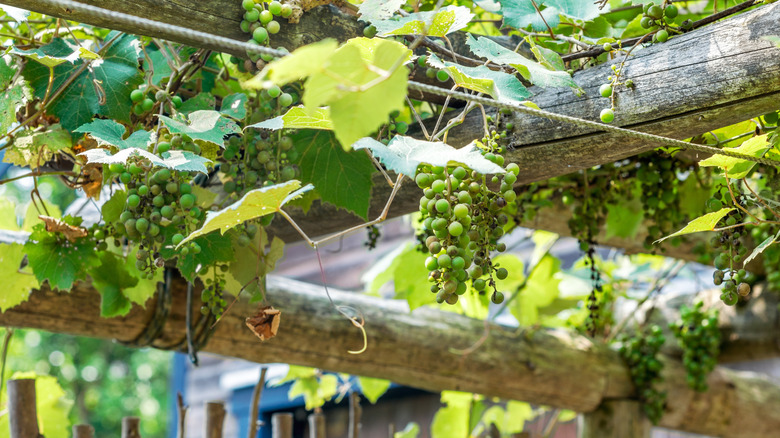
Grape vines can cause problems for cabbage plants both above and below the surface. As a plant with a long life, grapes have rigorous and extensive root systems that won't leave much room, water, or nutrients for cabbages to thrive. Cabbages do like a little shade, but leafy vines and their trellises can block out too much sun and result in stunted growth. Cabbages are also said to be detrimental to grape vines to the point that they grow tasteless fruit.