

12 Veggies To Plant That'll Be Ready For Harvest In One Month
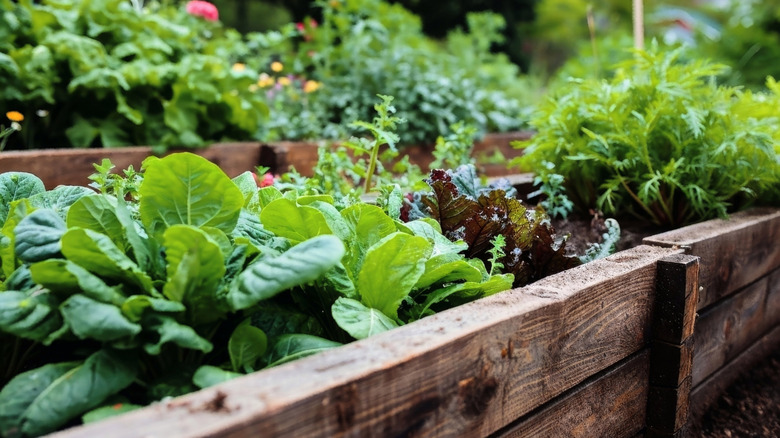
When you plant seeds, you're putting in time and effort that usually won't yield reward for months. But for anyone short on patience or beginner gardeners who need quick results for a bit of reassurance, there are some fast-growing vegetables that you'll be able to harvest in a matter of weeks. You won't get any fruiting vegetables such as tomatoes or squash in this short time — they need months to both grow and ripen — but certain leafy vegetables and even some root vegetables can be on your plate in under a month. Many leafy greens can also be eaten at the baby stage of growth, making your wait time for those types even shorter.
When buying vegetable seeds, be sure to check the packet for the harvest or maturity time. Even with the same vegetable, the specific variety can make a big difference to how long it takes to grow.
Cress
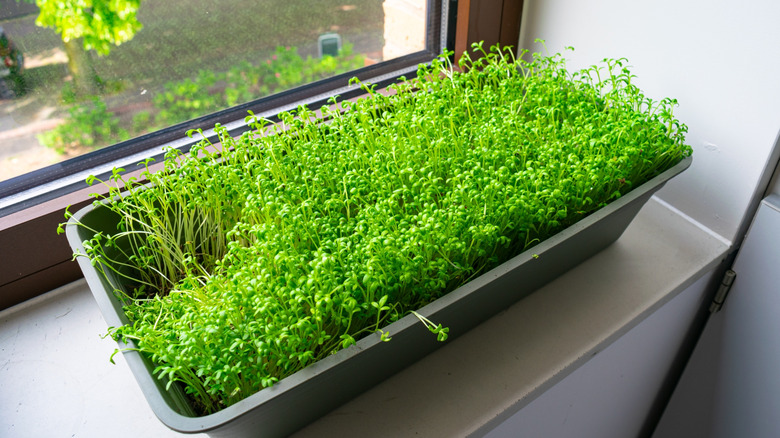
If you're looking for something with pretty much instant gratification, start with cress. This peppery green can be harvested in as little as a week. Growing cress is as simple as scattering seeds over a shallow tray with soil and spraying them daily to keep them moist. After 7-14 days, or when they reach 1-2 inches in length, simply cut some stalks for a spicy kick in salads or sandwiches.
Microgreens
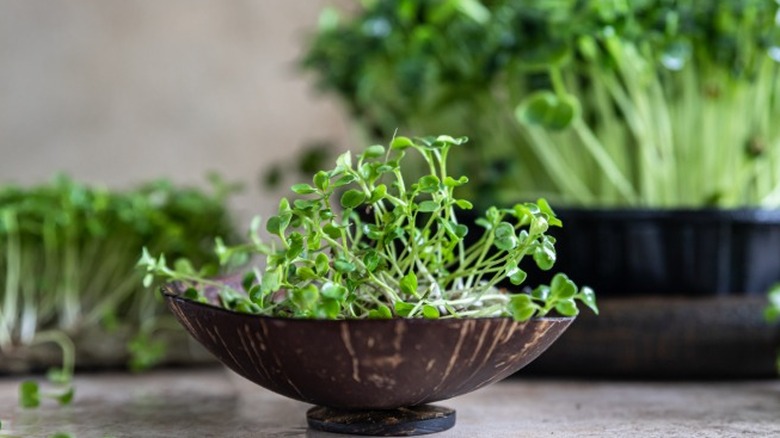
Microgreens are the first leaves of a whole range of plants, including broccoli, amaranth, beets, and cabbage. They're often used as a garnish, but with up to 40 times more nutrients than the mature leaves, it's worth adding more of these to your dishes. From seed to harvest can take as little as a week (depending on the plant), and they're one of the few plants that survive a low-light kitchen.
Green onions
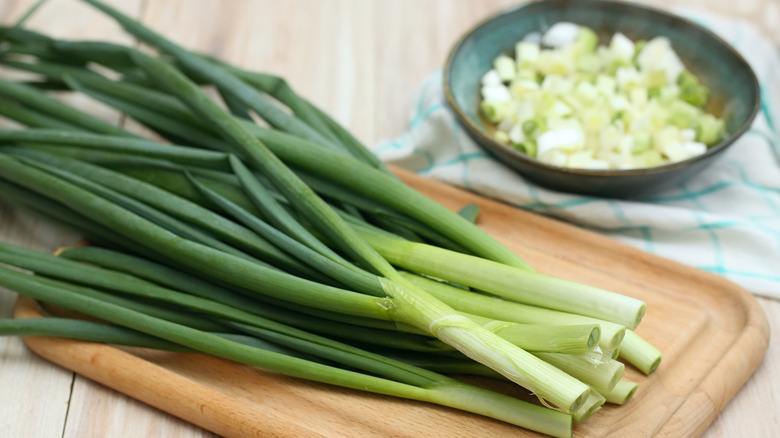
Green onions are one of our favorite things to add to a kitchen garden. They're low effort, high reward, and can be grown anywhere from a garden plot to a jar on the windowsill. You just need the roots of some store-bought green onions, which can be planted directly into soil or left in water. In 1-2 weeks, they will be long enough to cut — after which they'll grow again.
Arugula
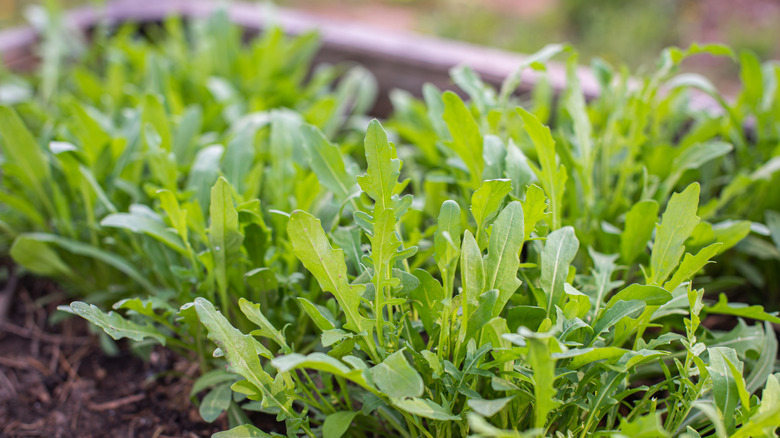
For the quickest way to fill your salad bowl, plant arugula. You can start harvesting at around 20 days for a milder taste, or get the full peppery experience from mature leaves in around 30 days. If you have space, seeds can be planted every two weeks for a continuous supply. And when you get sick of salad, we have plenty more arugula recipes to try.
Radishes
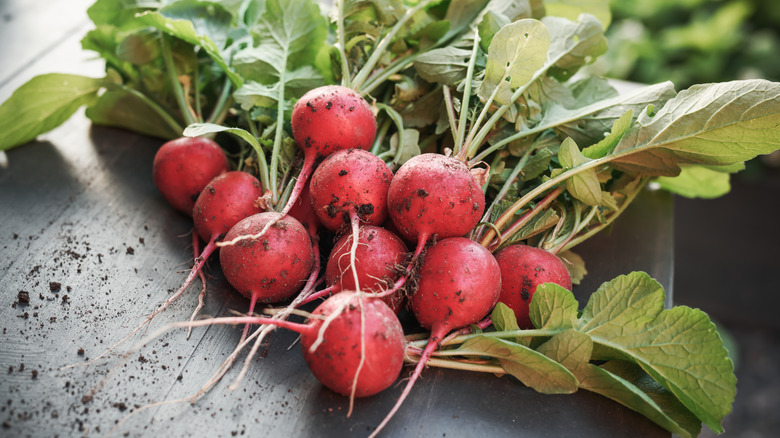
Leafy greens are all well and good, but if you want something with a bit of crunch, radishes are the best option. They're the fastest-growing root vegetable, with varieties including cherry belle, pink beauty, and French breakfast ready to harvest in as little as three to four weeks. Young radishes are milder and more tender, perfect for eating raw, while the radish greens can be used for salads and pesto.
Turnip greens
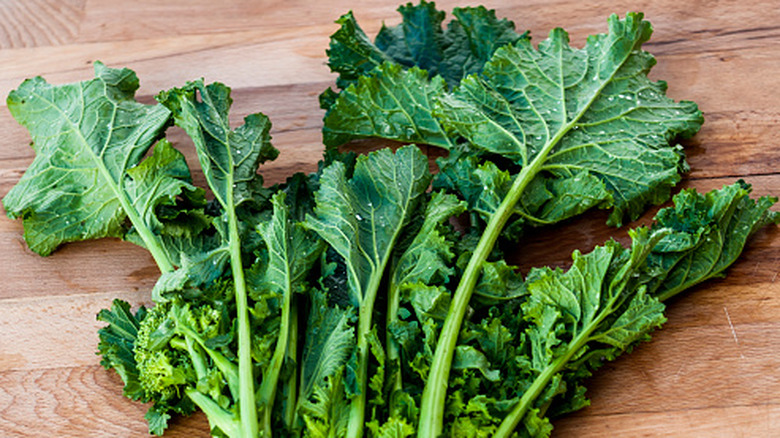
When you plant turnips, you're getting two vegetables in one. The root might seem like the main event, but turnip greens are suitable for eating raw in salads or sauteed like spinach. Turnip roots take around two months to mature, but you can harvest the greens once they reach 4-6 inches at about 30 days. Just leave some greens on the plant to ensure it continues growing.
Mustard greens
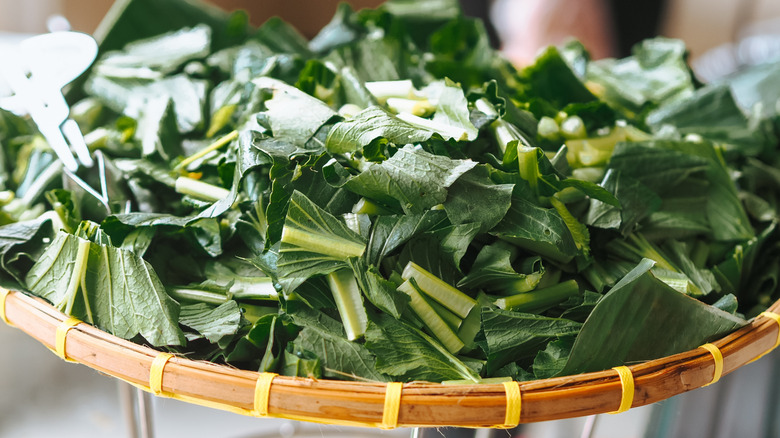
Mustard greens are a surprisingly versatile ingredient, used in Southern cooking, Indian saag curries, and Asian stir fries. They also make a good swap for kale. With a patch of soil and regular watering, you can be harvesting your own mustard greens in a month. Like many fast-growing greens, you can pick the outer leaves and the plant will continue to produce more.
Leaf lettuce
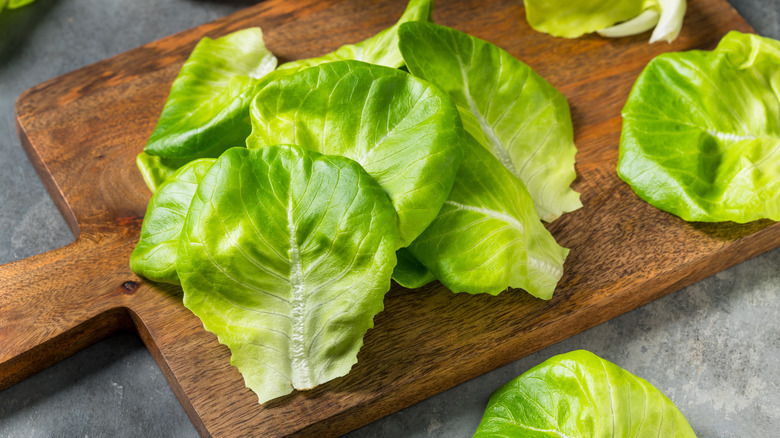
For anyone who's guilty of letting their produce go bad in the fridge, growing your own lettuce can save you from food waste. With leaf lettuces you harvest just the outer leaves as you need them, as opposed to cutting the whole head at once. The loose leaf structure also means they're faster to grow, with lettuce varieties such as black-seeded Simpson and butterhead ready in around 28 days.
Baby kale
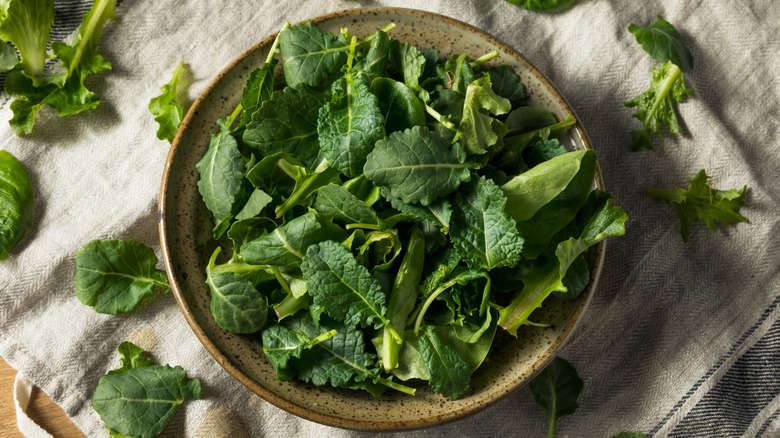
If the tough texture of kale puts you off eating it, then try baby kale. The young leaves are still packed full of nutrients but are more tender, meaning you can add them straight to salads without the kale massage treatment. It's also quicker to grow, with baby kale leaves ready to cut in just three weeks, compared to upwards of two months for the mature version.
Baby mizuna
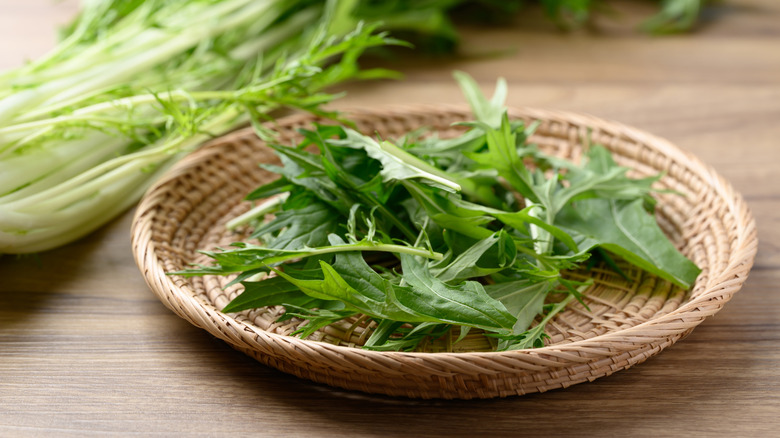
Mizuna tends to fly under the radar in the U.S., but it's a great green to add to salads. Originally cultivated in Japan, mizuna has a peppery flavor similar to arugula or mustard greens, but milder. Full sized leaves that are traditionally used for cooked dishes take around 35-50 days to mature, but tender baby leaves that can be eaten raw are ready to harvest in around 21 days.
Baby spinach
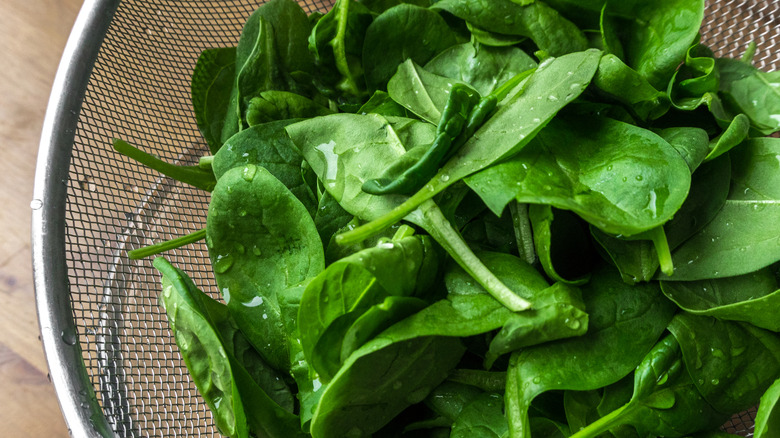
Immature spinach leaves are what you pay a premium for with the bagged baby spinach used for salads. Whether you grow it in pots or directly in the ground, you can harvest the small outer leaves within 20-30 days. If you do want mature leaves that are more suitable for cooking, you'll only need to wait an extra two weeks.
Baby bok choy
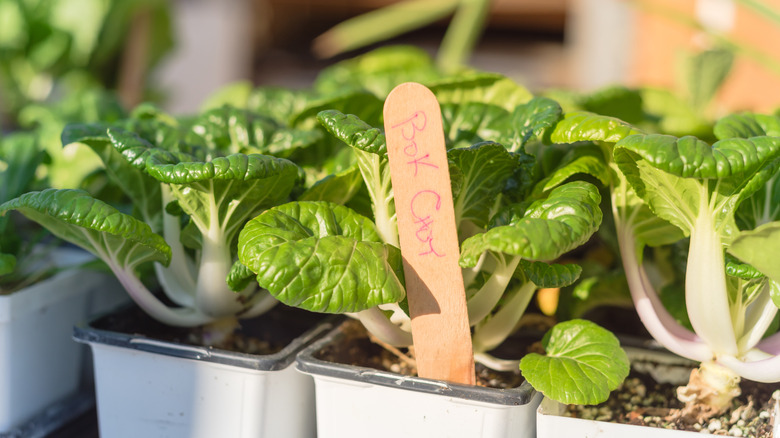
A hearty bok choy soup or simple stir-fried bok choy will be so much more satisfying with fresh homegrown produce, and even more so if you can grow it quickly. This Asian cabbage can be grown in both spring and fall, giving you plenty of fresh greens throughout the year. Individual leaves can be harvested at 3-4 weeks, and some varieties of baby bok choy develop full heads in 30-35 days.