

The Absolute Worst Plants To Grow Next To Your Peppers
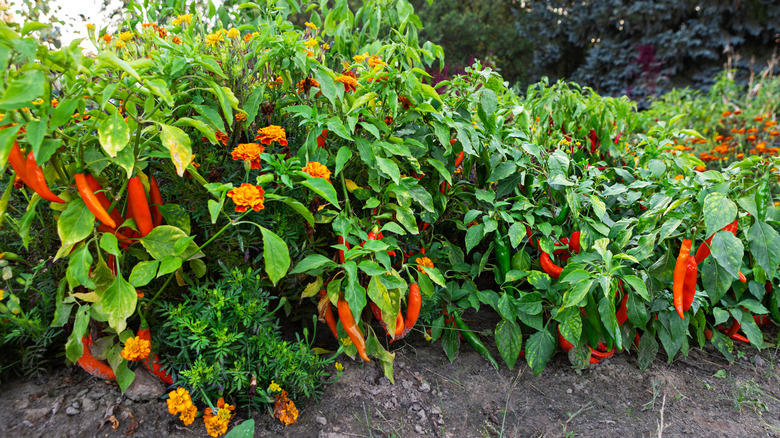
Peppers are one of the simplest summer veggies to grow at home. Since these warm-season vegetables are fast-growing, versatile, and come in many different varieties, you can add them to almost every summertime meal from salads and sandwiches and pizza. To encourage your pepper plants to grow tall and strong, put them in an area where they can get six to eight hours of sun per day, are protected from garden pests, and won't be competing for nutrients with other plants in the same family.
Companion planting can make the most out of small garden beds and build a diverse edible garden. Some of the best companion plants for peppers include basil, cilantro, oregano, spinach, and root veggies. Alternatively, grow green onions next to peppers in your garden to keep bugs away. But be careful when choosing plants for your raised garden, as some will actually harm your peppers if planted too closely. Antagonistic or incompatible plants may increase the risk of disease or pests; emit chemicals that damage (or even kill) your peppers; or compete for similar nutrients in the soil and fertilizer, eventually stunting the growth of your plants.
So, before you add peppers to your summer vegetable garden, plan carefully and make sure to keep these five plants and plant varieties away from your peppers. Trust us, it's better to know this now before it's too late.
Other nightshades, like eggplants and potatoes
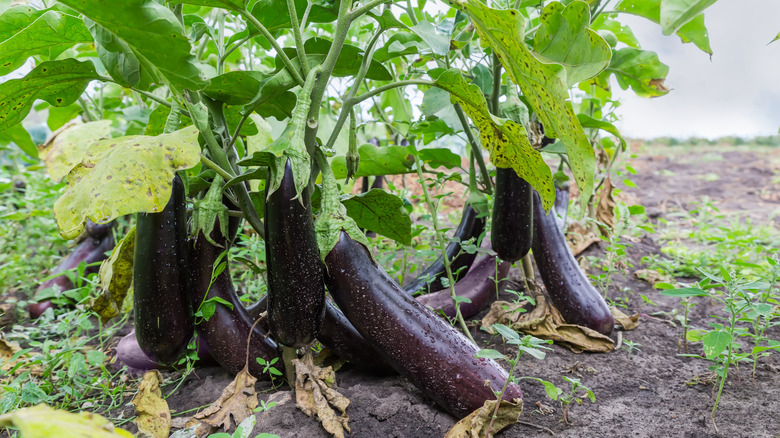
Since peppers are in the nightshade family — and it's generally recommended to avoid planting nightshades together — avoid using the same garden bed to grow peppers, tomatoes, eggplants, and potatoes, among other plants. Nightshades often share the same pests and diseases, particularly aphids and blight. Tomatoes and peppers also both attract the tomato hornworm. When you plant them in close quarters, you risk those diseases spreading rapidly among the plants. Certain nightshades may also compete for nutrients in the soil, which can inhibit pepper plant growth.
Some do have success planting tomatoes along with peppers. In fact, peppers may keep your tomato plants pest-free and thriving. Just take care when planting them together, placing them at least two feet apart to maintain optimal airflow and reduce the risk that they will transmit diseases or share pests back and forth. You should also use stakes or tomato cages to keep plants from infringing on each other's space and blocking out sunlight. Cherry tomatoes may be the ideal choice, especially if you are growing small pepper varieties like Shishito, ice peppers, or Thai hot peppers.
Brassicas like cabbage, broccoli, and kale
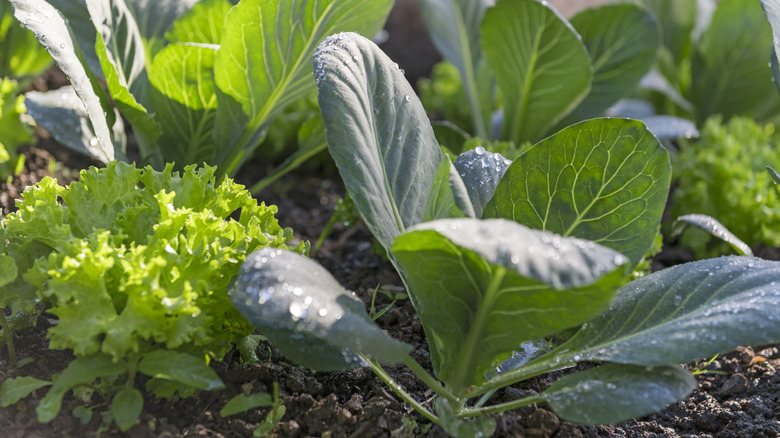
Brassicas are cool-season plants that are a part of the mustard family. These are sometimes called cruciferous vegetables, and include cabbage, broccoli, cauliflower, kale, turnips, bok choy, and Brussels sprouts. You may already know that you should never plant brassicas with tomatoes, but you should also use a different raised bed for planting pepper plants. Brassicas require high levels of nutrients and can quickly rob them from the soil. This resource competition will ultimately deprive your peppers of the nitrogen, phosphorus, and potassium they need to thrive.
Unsurprisingly, these plants also attract some of the same pests. Cabbage worms, flea beetles, aphids, and thrips can infest both brassicas and peppers. Because pests spread so quickly, they become difficult to eradicate quickly. If you want to grow cabbage, broccoli, and kale as well as peppers, it's not hard to avoid a common companion plant mistake in your garden. Choose a pepper variety that thrives in a pot or container and place the pot in a different area of your garden.
Fennel
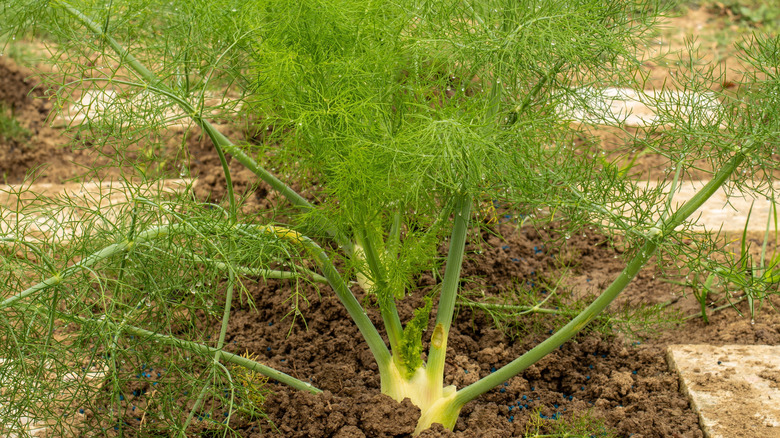
Fennel is a Mediterranean herb with a slightly sweet and spicy licorice-like flavor. It's easy to grow fennel in a kitchen herb garden, preferably in a raised bed or pot of organic soil with a pH between 6.5 and 8.0. However, you're better off not placing fennel and pepper plants in the same garden place. Fennel plants can attract pests. Like brassicas and other nightshades, fennel also steals crucial nutrients in the soil, inhibiting the growth of your pepper plants. Because the fennel grows fast, it can quickly become so tall that it casts too much shade on your peppers.
Additionally, peppers are quite sensitive to the chemicals released by the fennel. Its allelopathic compounds can cause your peppers to grow too small or even die. These compounds also affect the structure of the soil and its microbial composition in a way that may not contribute to the healthy growth of your peppers. If you want to grow perfect peppers, it's best to plant either the fennel or peppers in separate pots or containers that can be placed at least five or six feet away.
Pole beans and vining peas
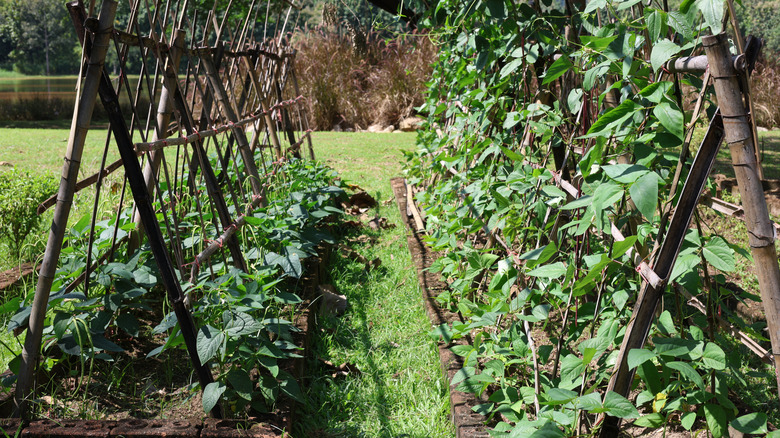
Both peppers and green beans are easy veggies that every beginner gardener should grow, just avoid planting any tall, climbing veggies alongside your peppers. Pole beans and vining peas both sprout tall very quickly and may start to infringe on the growing area of other nearby fruits and veggies. Eventually, they can take over, choking the pepper plants by shading them and stunting their growth. These plants thrive in different soil types. While vining beans and peas prefer nitrogen-rich soil, too much nitrogen for pepper plants results in a bushy exterior and affects fruit production.
Beans and peas both attract beetles, aphids, and corn earworms, which will make quick work of your pepper plants. Those last two can especially destroy the fruit and drain its juices, leaving you with sad, rotting peppers. If you want the biggest harvest from your pepper plants, don't plant them in the same bed with pole beans or vining peas. And though no pepper plant is completely immune to pests, you can choose a variety that is more resistant to disease, such as the Super Habanero, Jimmy Nardello, and Hot Sunset.
Corn
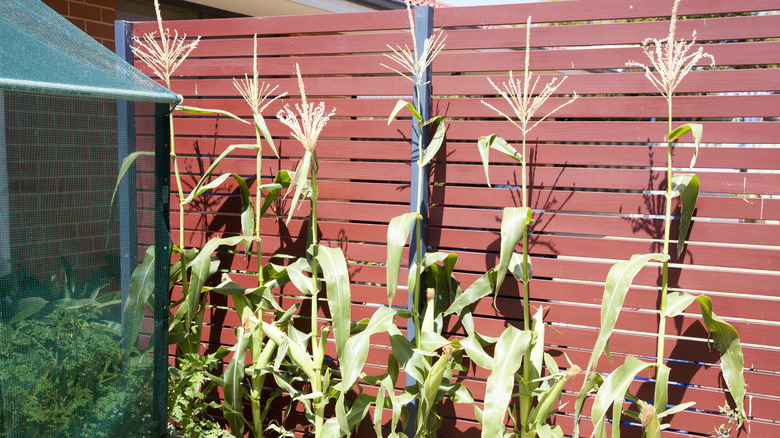
Like the other plants on our list, corn will fight for the nutrients your pepper plants need to survive, all while attracting pests that threaten the growth and health of your plants. Both corn and peppers are susceptible to similar diseases and pests, including the obvious corn earworms, as well as aphids, cutworms, bacterial spots, and rot. Because corn grows tall and leafy, it can prevent your pepper plants from getting the sun it needs.
Some birds and other wildlife also feed on corn plants and may cause damage to your pepper plants as well. While deer, rabbits, and birds may or may not eat the fruit, they will likely dig the plants up or chew on the leaves. Raccoons, squirrels, and gophers may consider themselves at home while visiting your garden, destroying pepper plants in the process.
If you suspect that wildlife is getting into your vegetable garden, protect your pepper plants with barriers like chicken wire fencing, which can keep animals away from low-growing plants in soil or raised beds, or gopher wire. Just avoid this raised bed mistake that can cause stunted crops in your garden: not burying the gopher wire deep enough. Make sure it's placed deep enough into the soil that your pepper plants have room to grow healthy roots.