

9 Best Additive-Free Tequilas To Try In 2026
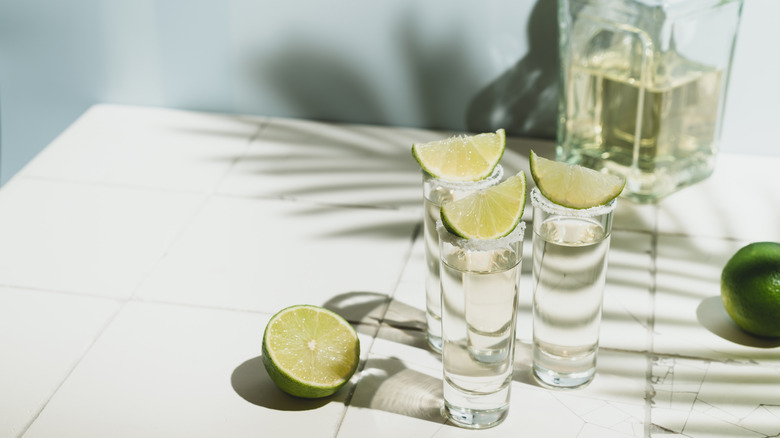
Picking out a tequila isn't as easy as it used to be. You used to be able to walk into a liquor store and only have a handful of labels from which to choose. But these days, there are so many more popular tequila brands it can be overwhelming. First, you need to think about whether you'll be drinking it straight or using it as a base for your favorite cocktail. Then, you need to consider which type of tequila you're interested in. Finally, you want to look into how it's made.
There are those well-known brands that use agave, of course, but then add a small percentage of syrups and dyes to give the spirit its flavor and color. They taste fine enough and may make a great cocktail, but they probably don't have the greatest mouthfeel or have a harshness that could turn you off of tequila completely. Then, there are those brands that believe the only thing you need to make a great tequila is agave, yeast, and water.
These are the additive-free tequilas — tequilas that comes from distillers who believe their brand doesn't need any extra, hard-to-pronounce ingredients to improve upon the final product. A product thats flavor and texture is based solely on natural ingredients, where the agave comes from, and how it's distilled. Below are the best additive-free tequilas based on those criteria and the numerous accolades they've received.
Lalo
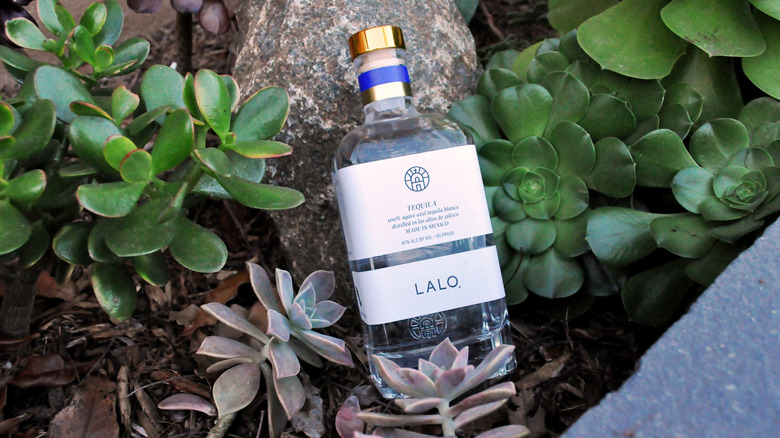
Unlike other tequila brands out there, Lalo Tequila makes just one type of tequila: blanco. This way its creators, Eduardo "Lalo" González and David "R" Carballido, don't have to worry about aging or special finishes, and can make the best possible tequila they can. This tequila that hasn't just won awards, it also frequently appears on several "best of" lists.
It's hard to miss the square bottle with a white label and blue and gold topper (the colors are meant as an homage to Jalisco, as blue and gold are the colors of the Jalisco flag). It makes sense that González and Carballido want to represent this denomination of origin since the Highlands of Jalisco is where Lalo is distilled.
The agave used to create this blanco is hand-harvested once it's fully matured, which takes about six or seven years. It's then cooked in steam ovens and the juices are extracted with a roller mill. Those juices are combined with champagne yeast for three or four days in order to achieve full fermentation. Finally, the spirit is diluted using deep well water from the same Highlands where the agave is grown. The end result is a smooth, sweet tequila with notes of vanilla and a subtle pepper finish.
Mijenta Maestra Selection No. 2
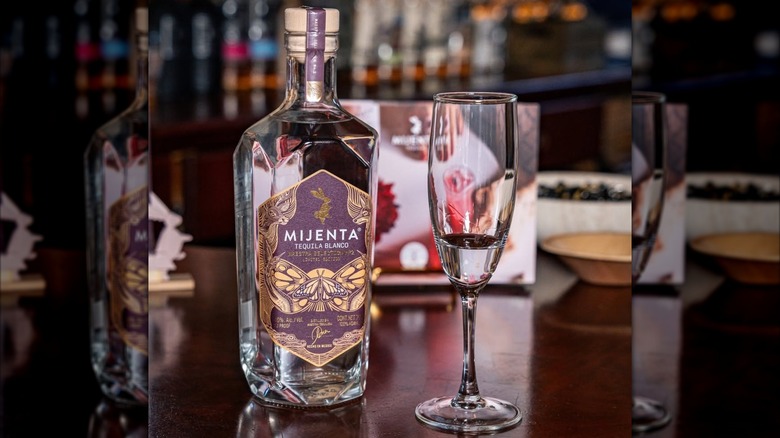
All of Mijenta's award-winning tequilas are super sippable, but it's the newest expression from the brand that definitely deserves a look. What makes the limited edition Maestra Selection No. 2 stand out is the fact that it doesn't use just one tequila distillate to create this special spirit. It uses five. That's right, all of the agave plants that are cooked, mashed, and then separately distilled come from each of the five tequila Denominations of Origin: Guanajuato, Nayarit, Michoacan, Jalisco, and Tamaulipas. So, what you end up with is a very unique spirit, since each state has its own soil, minerals, and temperatures — all important elements that will effect the flavor of the agave.
This limited edition tequila is the second in the Maestra Selection series. The previous expression used only one type of agave and had a 50% alcohol by volume. No. 2 is more in line with most blancos, coming in at the still-potent 40% ABV.
Since five different agaves are used to create this bottle, you end up with a tequila that has a definite earthiness, but also notes of citrus and vanilla. There's an oakiness to this spirit, but it isn't at all harsh. While we wouldn't mix this into a cocktail, it would be nice to sip after dinner with some dried figs.
Tequila Ocho Reposado
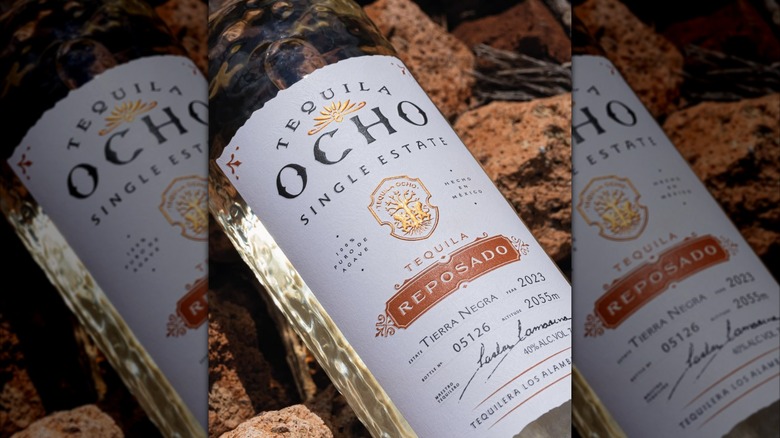
Spirits can be very expensive. So, when a delicious, clean tequila is spotted at Costco, we jump right on it, especially when it's a reposado (a tequila that's been aged at least two months and up to a year). Another tequila whose creators focus on the terroir, Tequila Ocho has four different expressions, but it's the reposado that's won numerous awards, including best reposado and best tequila at the Las Vegas Global Spirit Awards and BevTest Awards, respectively.
Carlos Camarena is one of Ocho's co-founders, as well as its master distiller. He comes from a long line of agave farmers and tequileros, so he knows a thing or two about the land. In fact, the land is an important part of Ocho's process, as Camarena only uses blue agaves from a single estate, so that each expression will have the flavors unique to the soil, weather, and climate imbued into those particular agaves. Camarena then takes that unique flavor even further (and keeps with the eight theme for which Ocho is known) by aging the reposado for just eight weeks and eight days. The final product is a tequila that's smooth and crisp with hints of apricot and a floral finish. It's another tequila that would be great on its own, and also excellent in a tequila old fashioned.
White Cascahuín
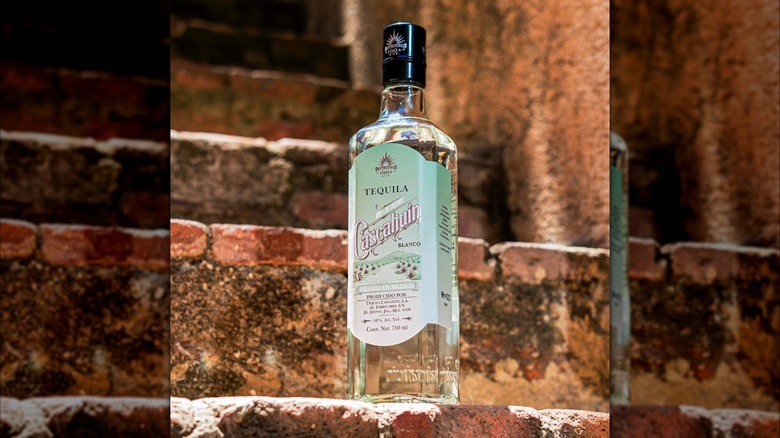
The term "additive-free" may seem like something that tequila brands slap on their products to increase sales in this new health-conscientious world, but believe it or not, several brands have been creating their tequilas with only a handful of natural ingredients for generations. Cascahuín is one such brand. It's been following the same process to create its six tequilas for three generations.
It all starts with Weber Blue agave from the Jalisco Valley, which is harvested after at least five years. The hearts are cut and cooked low and slow in stone ovens for 25 hours. But where other tequila brands extract the agaves as soon as the roasting is done, Cascahuín leaves the plants alone, allowing them to rest for another day to preserve the juices that will eventually make up the spirit. The plants are then crushed in a steel mill and fermented with natural yeasts to create a crystal clear tequila with a distinct herbaceousness that comes from the soil of the valley where the agaves grow. With a process so focused on creating such a pure spirit, it's no surprise that White Cascahuín has won several awards over the years. And if you don't want to spend a mint, this is definitely a bottle that should be added to your bar, since it's only around $55.
Siete Leguas Blanco
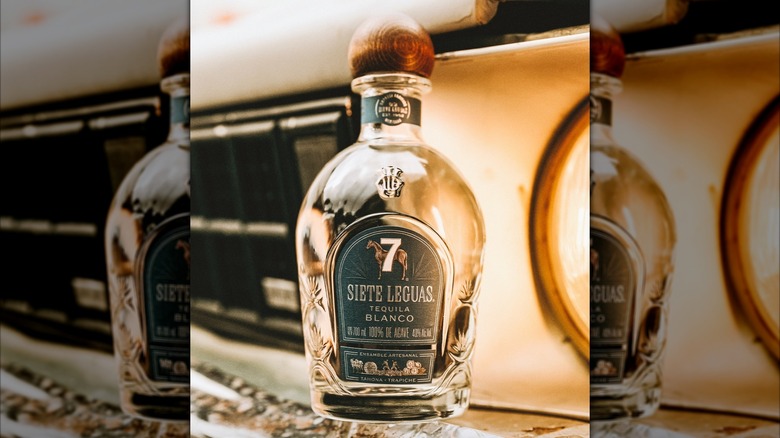
Siete Leguas gets its name from Pancho Villa's mare. The Mexican revolutionary's horse was so fast, she could supposedly travel seven leagues in just one day. But that number isn't just in the tequila's name, it's also the number of years the jimadores wait before they harvest the Weber Blue agaves. That's when they're sure the plants have reached their full maturity.
What makes Siete Leguas so unique is the process the distillers use to create it. Unlike other tequilas, Siete Leguas uses the hearts of the agave, as well as small pieces of the leaves. But the differences don't stop there. Once the agaves are cooked, the distillers crush them twice: once with a tahona then again with a steel mill. The agaves go through two millings to ensure that every last drop of juice is extracted from the plants. Those leaves, coupled with the tahona, are the reason Siete Leguas has such an unusual flavor and why it's been recommended by bartenders, as well as receiving its fair share of awards. A prime example of that classic tequila flavor, the blanco has an earthiness with hints of citrus and mint. But it also has a velvety mouthfeel that coats the tongue making it a great choice to sip or as the base of your favorite tequila cocktails.
G4 Tequila Blanco
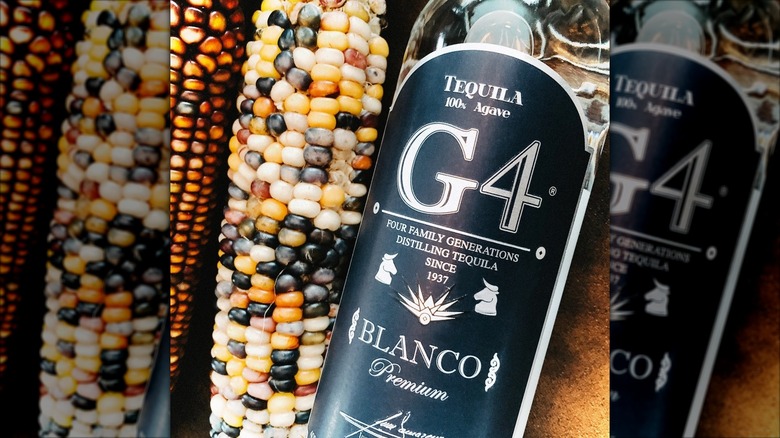
Most tequila brands use only one type of water to dilute the spirit down to its typical 80 proof. But G4 uses two: spring water and rain water that's gathered through the specially designed roof atop the El Pandillo distillery in Jesus Maria, Jalisco. Felipe Camarena, the man behind G4, wanted to marry the traditions he learned at his family's La Alteña distillery with the innovation he gleaned as a trained civil engineer. So, even though Camarena is using state of the art equipment to create his tequila, all the ingredients that go into the spirit come from nature.
The rain water that's collected during Jalisco's long rainy season is stored in a 200,000 liter tank that's hidden underground at the distillery, so that it can be consistently tapped during the drier months. The agaves are grown on his ranch right next to citrus and cherry orchards, imbuing the tequila with its distinct citrus and floral notes, and the yeast he uses to ferment the spirit is the same yeast his grandfather used. All this leads to a tequila that's not only won numerous awards from several different groups, but is also the perfect choice for beginners.
Código 1530 Rosa
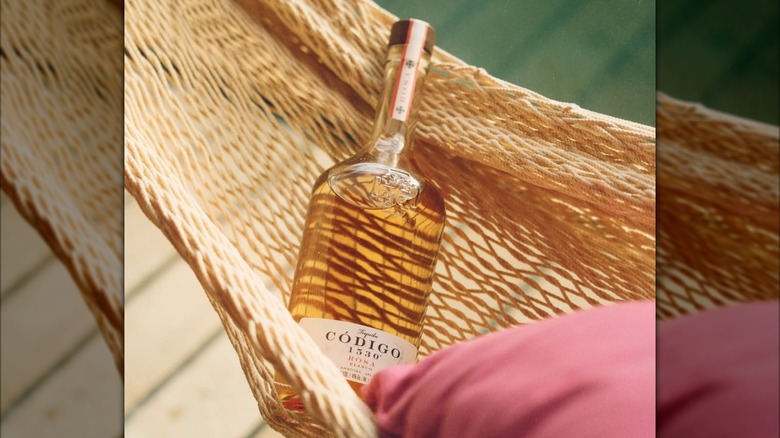
Several tequila brands have been around for generations, then there are those whose recipes were kept secret, reserved for people who truly understand tequila. It was a private, family recipe created at a tiny distillery in Amatitán over several generations that became Código 1530. Named for the old codes and customs the family followed to create its tequila, Código wanted to represent its heritage even further, and so added the 1530 and Jerusalem Cross to its logo. The cross is part of the Jalisco coat of arms, which dates back to 1530.
With 18 different expressions under the Código moniker, it's the Rosa that comes up again and again for best additive-free tequilas, thanks to its unique color and flavor. Created in much the same way as most tequilas, using fully matured agave and water, it's the barrels that sets Código apart from other brands. See, most tequilas use American white oak ex-whisky barrels, but Código uses French white oak red wine barrels from the Napa Valley. Resting for one month in those red wine barrels gives the Rosa its pale pink hue and delicate floral flavor. A flavor that's best suited with sparkling water or mixed up in a zesty paloma.
Suavecito Añejo
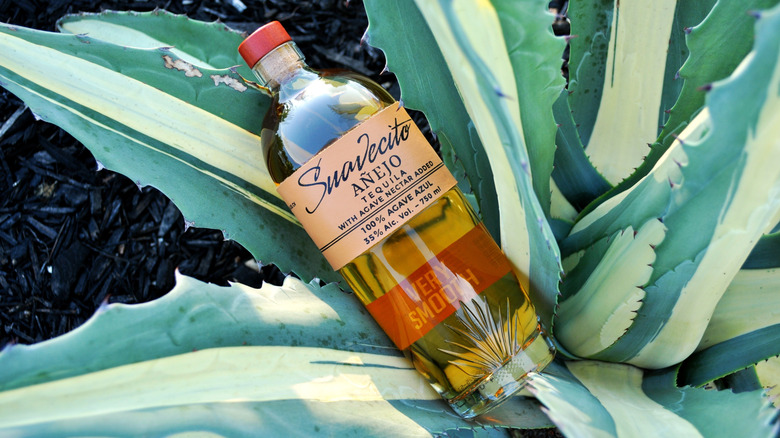
The only añejo on this list, Suavecito also happens to be one of the younger tequilas here, having only been created in 2008. But just because it doesn't have a long, storied history doesn't mean it isn't one of the best additive-free tequilas available. Less that 20 years old, the tequila has already won awards, but how this tequila is made is even more interesting.
Suavecito doesn't come from a multi-generational tequila family with a tried and true recipe. Instead, CEO Bill Foss created his own recipe after his son convinced him to make tequila, rather than lose his Jalisco-based agave farm when the economy collapsed in 2008. His tequilas still use Weber Blue agave, water, and yeast, but Foss adds an extra ingredient: agave nectar. A natural sweetener that comes directly from his plants, 2% of the nectar is returned to the spirit during distillation, creating a smoother, silkier tequila that drinks like a fine liqueur. It has distinct hints of burnt caramel with a subtle cinnamon finish.
Foss' unique recipe doesn't stop there. Where other tequilas only age their añejos for a year, Foss ages his for two, allowing it to mellow and extract even more flavor from the barrels. The combination of age and agave nectar create a tequila whose name exemplifies its smooth quality. See, Suavecito actually means smooth or soft in English, which is exactly how this tequila feels as it coats the tongue and gently glides down your throat.
Loca Loka Blanco
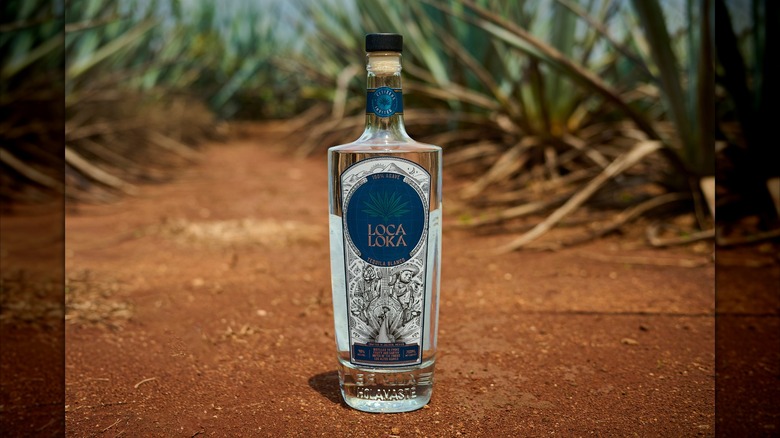
Celebrity-owned spirits span the gamut from wines to gins, whiskies, and of course tequilas. While some celebrity brands aren't worth the money, simply slapping a famous name on the label to promote sales, there are those that pay attention to the craft and really care about what goes into the bottle. Loca Loka is one such brand.
The brainchild of three Indian men — actor Rana Daggubati, music composer, Anirudh Ravichander, and entrepreneur, Harsha Vadlamudi — the tequila is grown, fermented, and distilled in the highlands of Jalisco, Mexico, truly blending both cultures into one delicious spirit. Even the tequila's name is a blend pairing the Spanish Loca, which means crazy, with the Sanskrit Loka, which means world.
That mix of ideas has led to a clean, clear spirit that's won numerous awards for its flavor and viscosity, a flavor that couples notes of citrus and pear with hints of pepper and fresh grass. It's both fruity and earthy at the same time, a true blend from start to finish.
Methodology
I've tasted a lot of tequila in my time. Some I enjoy sipping, while others are best mixed into cocktails. I used to think it had to be a reposado or anejo to hit that sweet spot, but recently I've discovered blancos can be just as flavorful as those that have been aged in barrels for months. But it's not just about the flavor — the mouthfeel is just as important to the experience. Tequilas that are silky smooth without the harsh burn are the most enjoyable by far.
Unfortunately, I was unable to try all these tequilas, so to make sure my opinions matched those who taste and sip tequila regularly, I scoured several well known spirit competitions to see which brands consistently won medals. I also reviewed several "best of" lists. Once I saw overlap between my picks and those in the know, it was easy to pick and recommend the best additive-free tequilas currently available. While some may be more recognizable than others, each tequila on this list is worthy of its placement and should be tried if you get the chance.