

This Is What Grocery Shopping Looked Like In The '80s
We may receive a commission on purchases made from links.
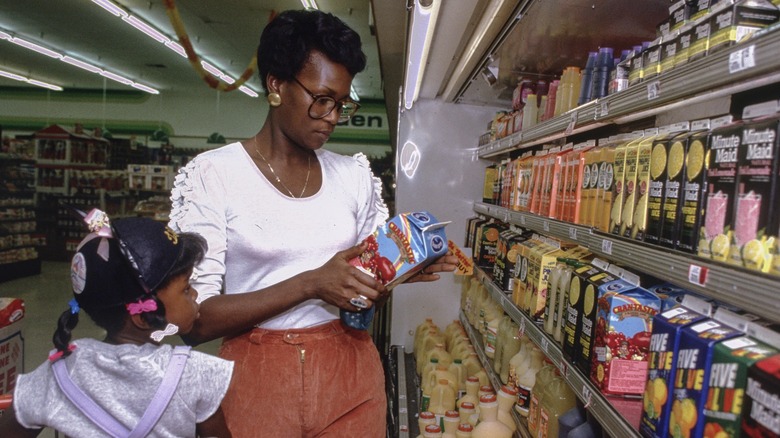
These days, many Americans buy their groceries at modern superstores like Walmart, but Baby Boomers, Gen X'ers, and millennials may remember when food shopping was a smaller, slower-paced, and considerably more colorful experience. Back in the 1980s, grocery store decor was neon, pastel, and patterned; couponing was an extreme sport; and the aisles were chock-full of comfort foods every '80s kid remembers. If that rings a bell for you, you'll want to dive into this list of unique experiences that defined grocery shopping in the '80s.
The 1980s marked a special time in grocery store history, as many old-fashioned fixtures from previous decades — like cereal boxes with prizes inside; popular canned and frozen foods; and zero bans on public smoking — were still around. However, the '80s also saw new innovations that would come to define modern grocery shopping, such as cheap generic products marketed as alternatives to name brands, as well as the revolutionary barcode scanner. Shopping supercenters and big box stores also rose to prominence, including the first Costco.
The mix of nostalgia and exciting changes is what made grocery shopping in the 1980s so memorable. Whether your family shopped at a newly-opened Walmart, a tiny local grocer, or even a now-defunct chain like A&P, this look back at '80s shopping will transport you to the past. Grab a cart and let us take you down memory lane (or perhaps, the memory aisle).
People bought groceries with cash or a check
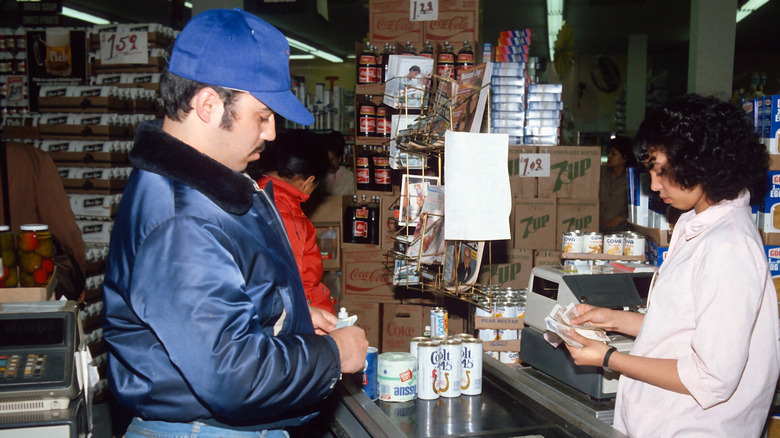
Forget cards or Apple Pay; in the 1980s, grocery shoppers either took out cash or their checkbook at the cash register. Debit cards hadn't caught on yet and credit cards were very rarely used for groceries, so '80s shoppers have memories of counting out change, writing a personal check, or waiting for the people in front of them to do so. Sound annoying? Actually, many people miss the slower pace of grocery shopping back then.
Now-discontinued snacks lined the shelves
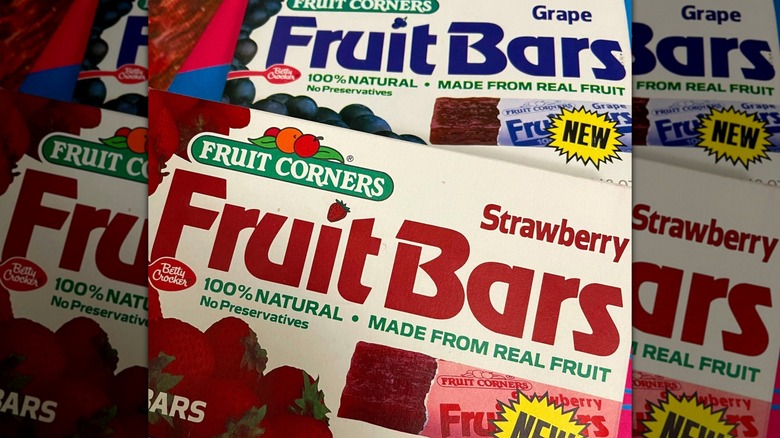
While today's snack aisles certainly don't lack variety, '80s kids might feel like something is missing — namely, iconic snack foods of the decade that are no longer with us. From discontinued 1980s candies like Choco'Lite and Space Dust to Tato Skins, Fruit Corners Fruit Bars, and other snacks from the '80s no one remembers, browsing through shelves upon shelves of these colorful boxed-and-bagged delights was a unique experience that can't be replicated today.
Groceries were a lot cheaper in the '80s
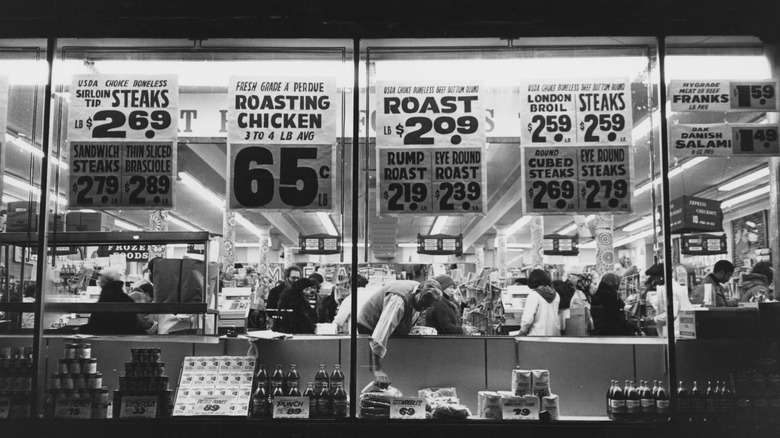
Everyone knows that U.S. grocery prices have risen over the 2020s, but comparing today's costs to the 1980s may still shock you. In 1980, a gallon of milk cost $2.18; eggs cost 83¢ per dozen; and a loaf of bread cost 50¢. '80s-era grocery fliers also show meats priced under $2 per pound, while dairy, produce, canned foods, coffee, and snacks cost $1 to $2 per pound or unit.
Employee uniforms were less casual
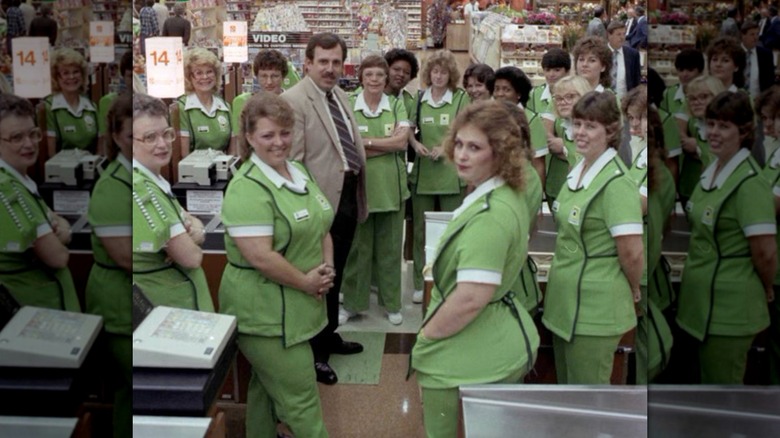
With the exception of Trader Joe's employees' hawaiian shirts, 1980s grocery store employee uniforms were bolder yet more structured than today. Rather than khakis, a name tag, and a branded polo, grocery chains often dressed their staff in colorful head-to-toe outfits reminiscent of fast food uniforms, or more formal wear like collared shirts, vests, and ties (though these were also vividly splashed in the store's signature colors, more often than not). Some workers also wore aprons, hats, or bow ties.
Plastic grocery bags entered stores in full force
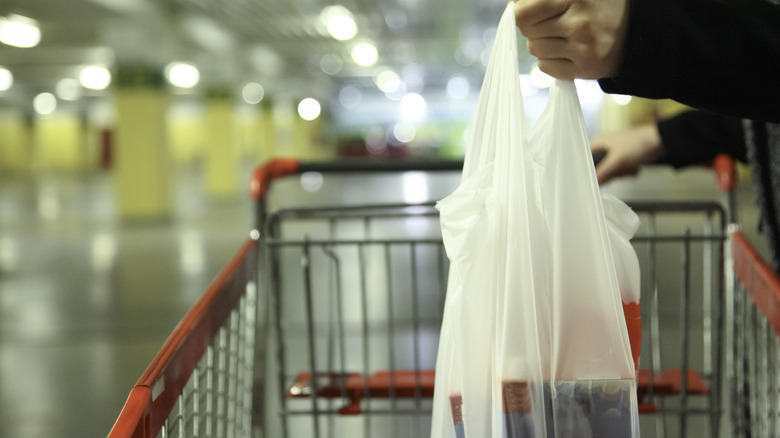
Multiple U.S. states have banned plastic grocery bags as of 2026, but forty years ago, they were an exciting innovation. Major grocery chains Safeway and Kroger switched from paper to plastic bags in 1982, and other chains began following suit around 1985, after the bags gained a reputation for being far cheaper for stores to use. Many shoppers actually disliked the switch, but with its money-saving potential, plastic usurped paper by the end of the '80s.
Customers could smoke while grocery shopping

Start smoking a cigarette inside a grocery store today and the staff will tell you to take it outside, but in the '80s, smokers could light up inside most public establishments, including malls, restaurants, and of course, food stores. However, starting in the '70s, U.S. states and cities began enacting bans on smoking in public areas. The movement gained serious traction in the late '80s, and by the 1990s, such laws had become widespread.
You could play arcade games or buy comic books in grocery stores
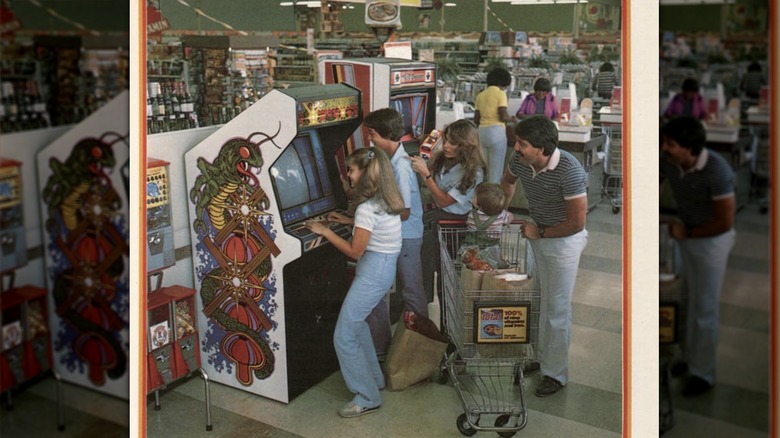
Few objects embody the '80s quite like an arcade machine spouting cheerful 8-bit music, and tons of grocery stores housed game cabinets like Donkey Kong, Pac-Man, and Centipede for kids to play while their parents checked out. Most grocers stocked comic books, too, mainly of the DC and Marvel variety. Sadly, these comic book racks began vanishing from grocery stores in the '90s, and we can only imagine the same went for the arcade cabinets.
Stores like A&P and Hinky Dinky were still around
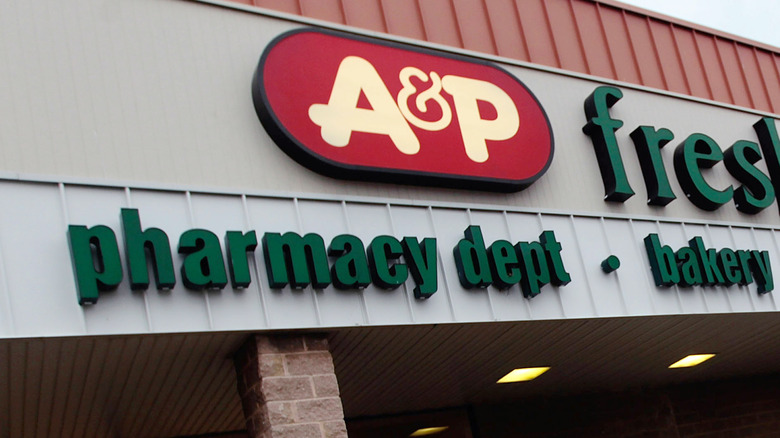
Before national grocery giants took over, many Americans shopped at regional chains that sadly have no presence today. Still remembered fondly by Nebraska residents, Hinky Dinky is one Midwest grocery chain that fizzled out in the '80s, closing the last of its stores in 1985. Wondering what happened to A&P stores? Once one of the biggest retailers in America, by 2015, A&P could no longer compete with bigger discount grocers like Walmart and went bankrupt.
Many shoppers bought generic groceries
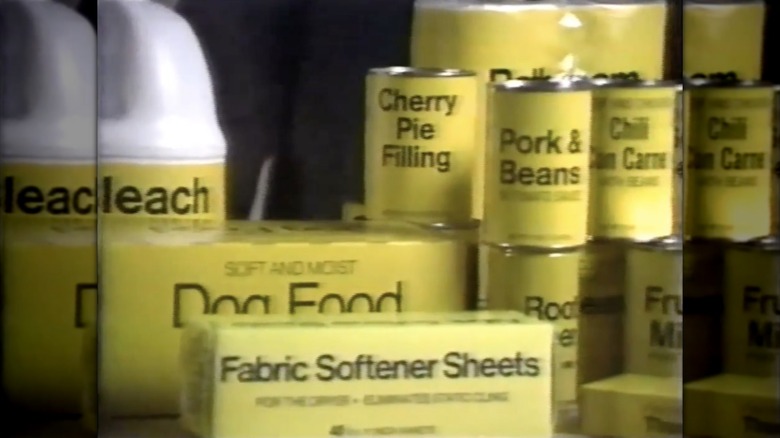
While store-brand groceries are still popular, some '80s companies took the concept further with cheap generic foods that bore no name whatsoever. The brand Jewel was the first to offer such products, sold in black-and-white packaging that only displayed the item's name, and Eagle brand generic foods with yellow and black labels were also widespread. Shoppers who remember buying these remark that eating name-brand foods was a special treat for their households at the time.
Stores still handed out S&H Green Stamps
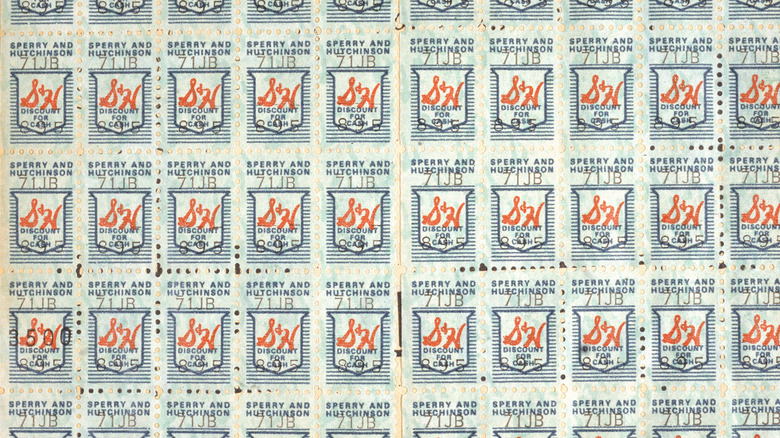
From the 1960s to the '80s, countless American shoppers collected S&H Green Stamps by spending cash at stores like A&P, Publix, and Kroger. You would lick the stamps to paste them into booklets and save them up, then exchange them for items like appliances, furniture, and even video game systems and car gas. However, Green Stamps were pretty much on their way out in the '80s, and no grocers hand them out today.
Cereal boxes had prizes inside
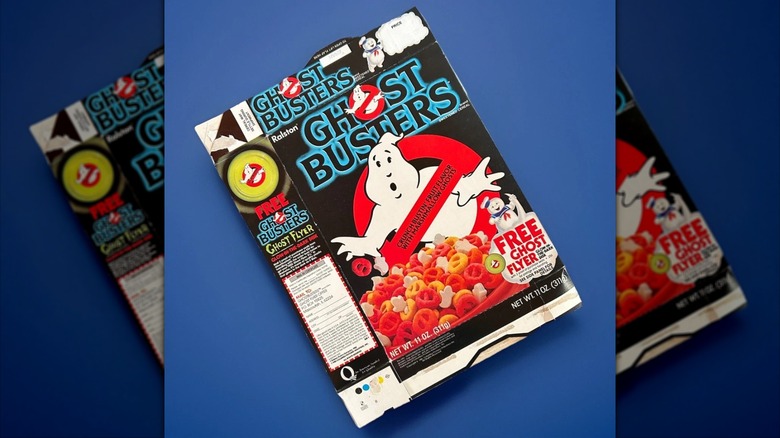
Few vintage grocery items are more missed than kids' breakfast cereals with free toys or other doodads in the box, and some of the most memorable cereal box prizes from the '80s include Wacky WallWalkers and Garfield bike reflectors. Kids of the '60s, '70s, and '80s remember begging their parents for cereals purely based on the toy inside, though the bright colors and sugary sweetness of these breakfast treats were also a draw for sure.