

10 Companion Plant Mistakes To Avoid In Your Garden
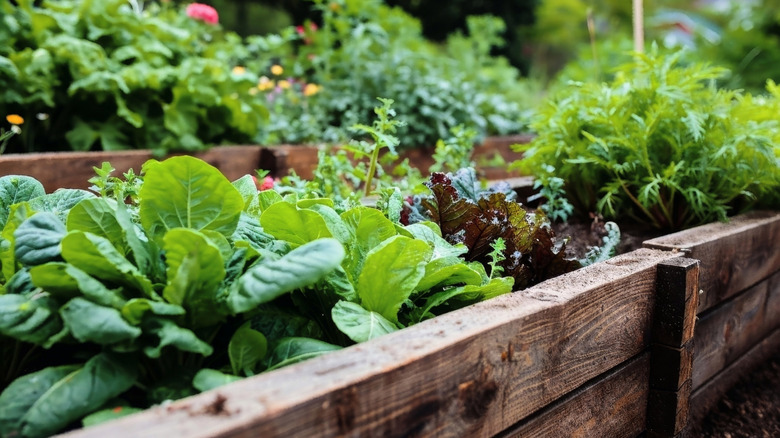
Companion planting is an idea that sounds almost magical. In theory, you can arrange your garden in such a way where all the plants live in perfect harmony and help each other grow. Companion planting can be genuinely effective, but it's not quite as simple as pairing a few plants together. If you make crucial mistakes, you can even have the opposite effect and harm the plant you're trying to encourage. Great companion planting requires flexibility and experience to get it right. That's because it relies on knowing all the factors that can help a plant grow, instead of a simple list of "good" or "bad" pairings.
It's due to this that something which may seem like a magical gardening trick can quickly become quite daunting. Thankfully, I'm here to help. I run my own gardening business, including selling plants. Over the years, I've seen the benefit of great companion planting and also the negative results of all the missteps you'll read about here. That makes me well placed to walk you through these common companion planting mistakes, so you don't ever have to make them. With the right steps, you'll know how to have a beautiful and productive garden.
1. Not having a long-term plan
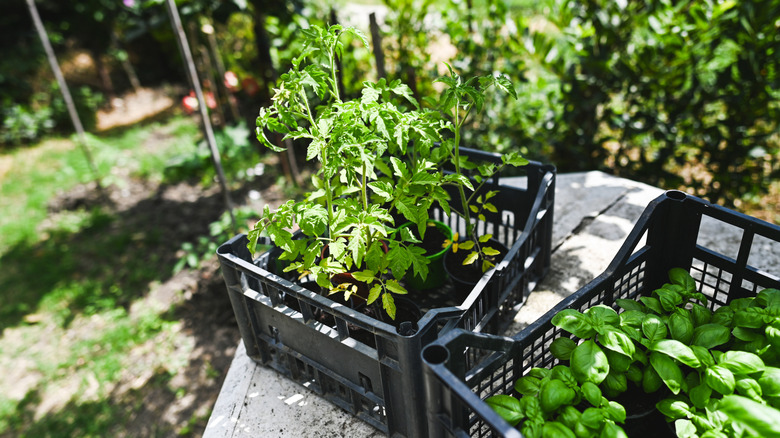
Perhaps the most common mistake I see is gardeners companion planting without having any real idea of their end goal. You need to ask yourself specifically what crops you want to thrive. Let's take perhaps the most famous companion planting pair, tomato and basil.
Tomato plants can grow exceptionally tall and become quite resilient to weather swings. In contrast, basil can be frustratingly delicate, especially if you're keeping it outdoors. If you plant them in the ground side-by-side, basil is vulnerable. Therefore, I personally feel that when I use basil in this way, it's mostly as a sacrificial plant rather than expecting a harvest. Instead, I keep the basil plants I want to use on a sunny windowsill indoors or use inside hanging baskets to grow this herb. It keeps them protected and away from the slugs and snails that can destroy them in one night.
Therefore, the mistake here is not knowing where your priorities are. A tomato plant can help basil a little with shading and wind protection, but really, you're planting these side-by-side to enhance the tomatoes, not the basil. When companion planting, decide which plants you want to thrive and which are there to just support the growth of others. While it may be called companion planting, the best pairs are rarely mutually beneficial. They usually favor one plant much more than the other.
2. Over-relying on companion planting
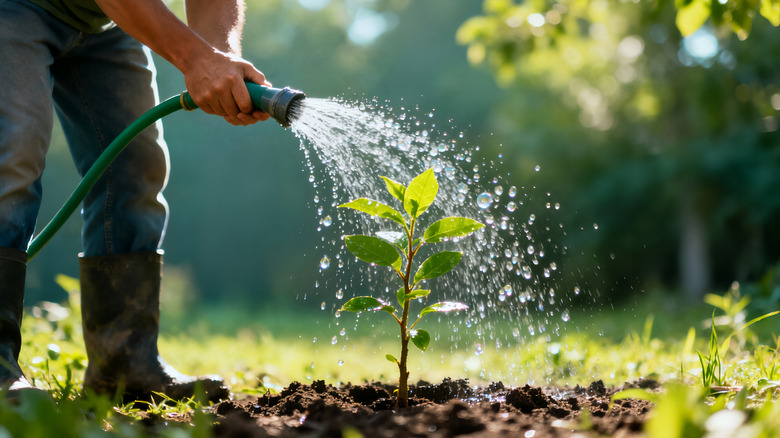
In my opinion, companion planting can be a little overrated. It can be a useful tool, but it isn't something you should rely on. To use an analogy, it can be like trying to season a poorly made meal. There is only so much you can do if you're not addressing the fundamental problem. There is no substitute for the fundamentals that a plant will rely on. Companion planting works best when you're working from a solid foundation. Due to this, you may think your companion planting isn't working, but in reality, the needs of your plant aren't being fully met.
Companion planting can take time and effort to get right; it's time that could be wasted. For example, you may have surrounded your tomato plants with marigold and nasturtiums for pest control, but if you're making the mistake of overwatering your plants, you could be providing the perfect conditions for disease to take hold. Companion planting isn't a solution, as it will never overcome an underlying issue. When you see it as a support system instead, that's when it can be hugely effective.
3. Trying to do it all at once
It's easy to get carried away with the idea of companion planting. Yet if you're starting from a proverbial blank canvas, it can feel like you need to plant dozens of flowers and crops at once to implement everything in one go. You can map out everything, but putting this plan into action can be overwhelming.
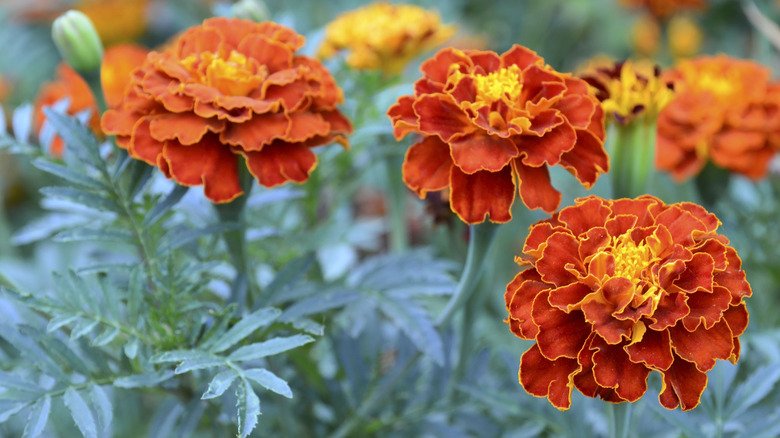
As stated above, your first thought should be to first get the fundamentals right for the crops you want to grow. After this, you can start to incorporate companion plants. What I find incredibly useful here is planting flowers that are almost always a sure win. Take marigolds, for example. They deter pests, as mentioned, and attract pollinators. Added to this, they work equally well in beds and pots. I always like to have them in pots in my garden, as they are as much of a sure win as you can get in companion planting.
Marigolds are just one example here, as you can choose flowers that bring you aesthetic joy along with their companionship qualities. Especially while you're learning about specifics, simply having flowers around your garden that can bring in the right insects makes things a lot easier. As you gain experience, you can start to get more strategic about the placement of specific plants.
4. Planting companions too closely
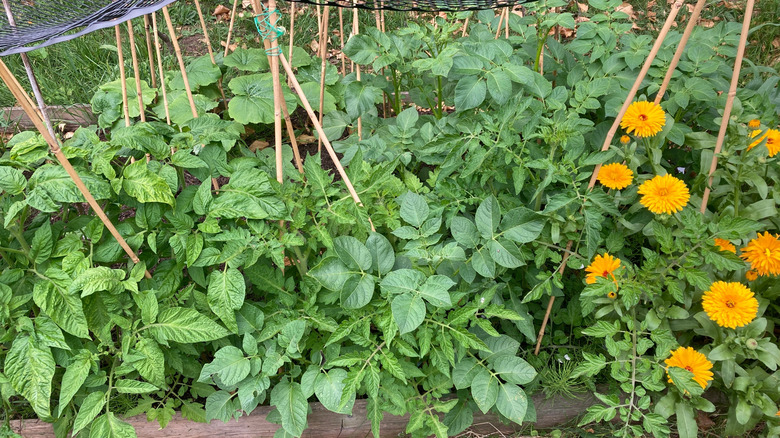
Even with the greatest companions, plants still need space to grow and spread. It can be easy to forget that even though plants look evenly spaced above ground, it can be a different story below the surface. When you crowd plants together, they can end up competing for water, light, and nutrients. This can not only undermine any potential benefits, but the "companion" plant may actually be harming the crop you were hoping to grow.
Rather than thinking about the space they take up right now, you need to plant based on what will be their mature size. This is especially true for root vegetables. Onions can be a great companion for carrots, but you want to ensure both have enough space to thrive. A great companion plant doesn't have to be touching, far from it. In some instances, such as using nasturtiums as a trap crop, you want to avoid any chance for pests spilling back on to your crops. All you need to do here is follow spacing guidelines. That way, you'll avoid creating unnecessary competition and allow both plants to thrive.
5. Not considering the influence of pots vs. in-ground planting
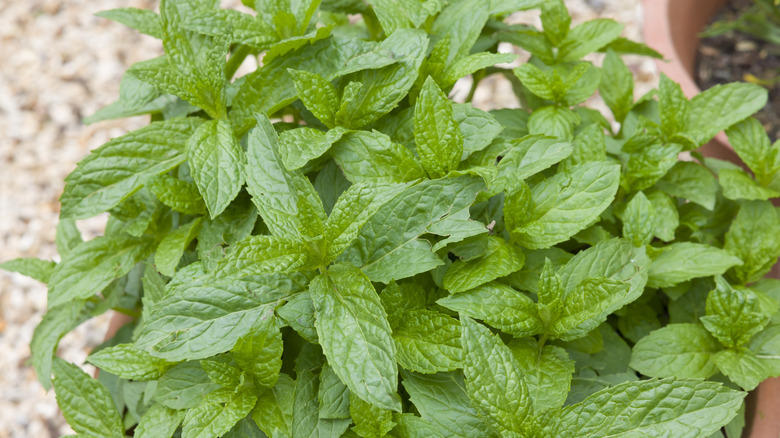
The effectiveness of some companion plant pairings will depend on how you allow them to interact with each other. Mint is a great example here. Mint spreads aggressively as it sends out underground runners. This means it can quickly take over a garden bed and suffocate other plants. It's for this reason that mint should never be planted into the ground, regardless of whether you want it as a companion or not. However, when contained in a pot, mint can be a wonderful companion, as its strong smell can mask the smell of other crops, preventing them from being attractive to pests.
However, planting companions in pots isn't just about preventing negative interactions; it can also be about versatility. For example, if you put your nasturtiums in pots, then you can move them around your garden to strategically deploy them where they are most needed. If one nasturtium plant does its job a little too well and has an infestation, you can remove it for treatment and replace it. Before choosing a companion plant, decide if it may be better served being in a pot rather than statically in the ground.
6. Not thinking about interactions beyond the headline benefit
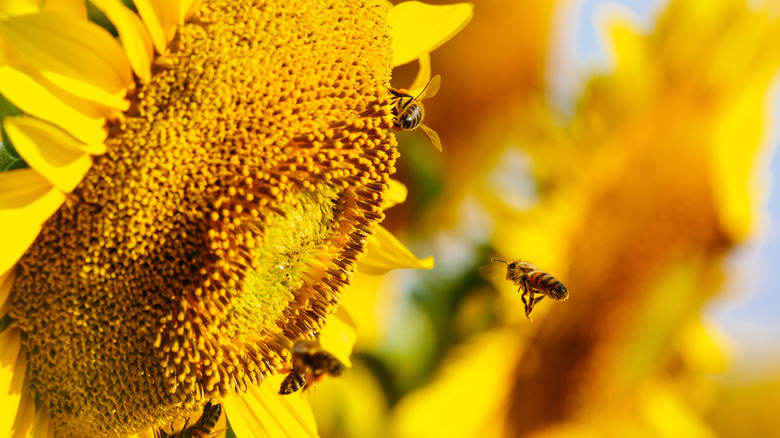
It's easy to see a natural connection between two plants and assume they'll make great companions. However, a key mistake is focusing on a single benefit but ignoring any problems another plant may bring. We've already looked at one example of how mint's aggressive growth can be an issue. Another good example here is sunflowers. Due to their striking size and height, they are an incredible pollinator magnet. Bees love them, but they can also attract insects such as ladybirds and hoverflies, which are elite predators of harmful pests. Their seeds can also feed birds, which can, in turn, reduce your slug and snail numbers, as they are prey for our winged garden friends.
However, the shade flowers can provide can be either a pro or a con. It can be ideal for leafy greens to keep them cool, but it can take crucial sunlight away from plants that need it, such as strawberries and tomatoes. Added to this is the invisible menace of sunflowers being allelopathic, which is where they release compounds that can slow the growth of plants that surround them. I feel the effect of this allopathy can sometimes be exaggerated, but it's real.
It may just be one example, but sunflowers are a great case of a plant that can be either beneficial or harmful depending on how it's used. Before committing to planting a companion, think about the potential negative implications and not just the positive ones.
7. Relying solely on companions for pest control
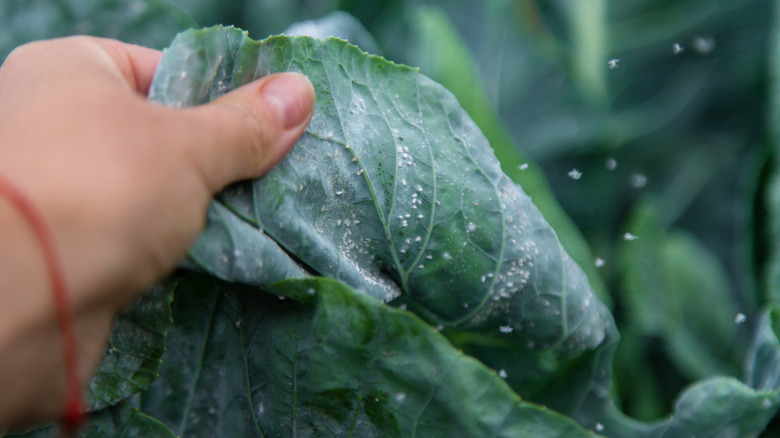
There are other reasons for companion planting, but pest management is number one. When done the right way, it can allow you to avoid using more extreme pest control methods, especially chemicals. Yet, companion planting is just one line of attack against this issue. If you're anything like me, you will love your garden being biodiverse. A part of that is accepting that you will always get a certain level of pests. However, you can keep them at a level where they don't affect your crops. The big mistake here is planting a series of brilliant companions and presuming the job is done.
You still want to check on your plants daily. This will not only allow you to spot an outbreak, but to also adjust your strategy. For example, you may check on the underside of a leaf and spot a few aphids. Without companion planting, this may have already been an infestation. With companion planting, a quick spray of water can stop it from becoming an issue. You still need to remain proactive. Companion planting will make your gardening life easier. But it won't make it effortless.
8. Not practicing crop rotation
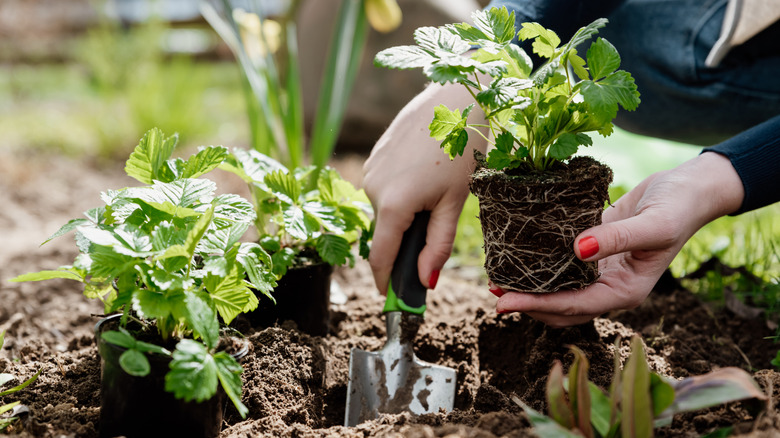
This isn't a rule specific to companion planting, but it has a strong connection. If you feel as though you've perfected your planting strategy, you may be tempted to plant the same crops in the same spot year after year. There can be a few issues with this, including the build-up of soil-borne disease or crop-specific pests becoming established in the soil. There is also the possibility of the soil becoming depleted of nutrients over time.
Due to this, it's a good idea to rejuvenate the soil with fresh compost each year, as well as planting crops from a different family. For example, in the same spot you plant tomatoes, you shouldn't have any other nightshade plants, such as peppers or potatoes. Instead, you can switch to brassicas, such as broccoli, or an allium, like onions. Without crop rotation, you can end up with issues that no clever pairing can fix.
With companion planting, or any type of crop growing, you need versatility each year. This can be as simple as switching which garden beds you use for growing crops. In the bed that you had tomatoes, marigolds, and basil last year, you can now plant cabbage, garlic, and nasturtiums. You can then put your tomatoes and friends in a different bed. This allows your companion planting to be at its most effective year after year for continually good harvests.
9. Expecting instant results
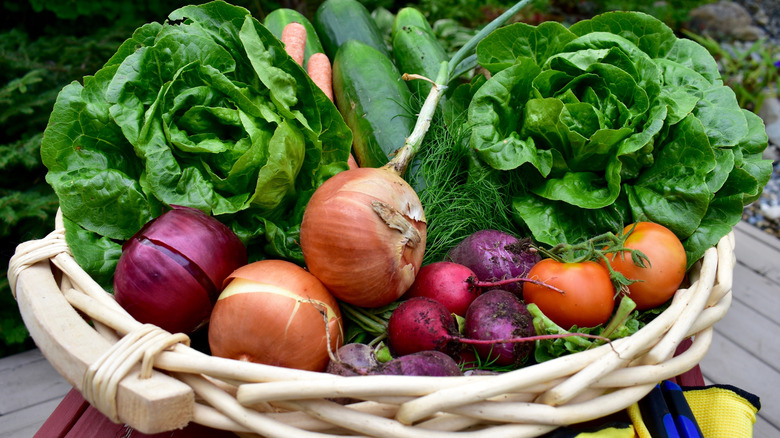
It's easy to lose heart with companion planting. It's a great idea in theory, but it takes time. If you have the impression that you'll get instant results, then you can be disappointed and assume it was a pointless use of effort. You'll be much more enthused when you see companion planting as a gradual process and part of a bigger picture.
For example, if one of your crops has an infestation and you place a nasturtium next to it, the pests aren't just going to abandon the crop straight away and save it from harm. In this scenario, you'll still need to attack the infestation with alternative methods. What that nasturtium will do is make it less likely you'll get another infestation again. If your garden is full of pests, it can take time. Gradually, the balance between companions doing the job and human intervention will shift more towards the natural approach.
Ecosystems can't change in the blink of an eye. And as we looked at with the second tip, companion planting can be ineffective if you aren't meeting the core needs of your plant. Patience and observation are key. Pay attention to how plants respond over time and make a note of whether adjustments are making the situation worse or better.
10. Not considering the microclimate of your garden
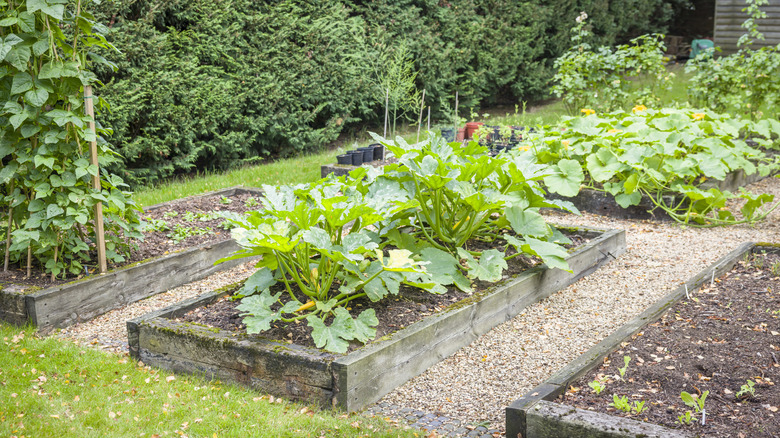
Everyone's garden is different, and it's important to understand that what works perfectly for one person may not work at all for you. If you blindly follow generic advice, it means that you can end up solving problems that didn't actually exist. For example, many people in my area have a big issue with slugs, but I don't. It can still be an issue, but it's one I can solve with natural barriers and the likes of beer traps. If it was something I was nervous about, I may have been tempted to plant lettuce as a sacrificial crop instead of placing it in a pot where I can enjoy fresh leaves year-round.
There are factors that affect every plant, such as sunlight, wind exposure, soil type, and moisture levels. Nearby structures can also affect how a plant will interact. For example, your next-door neighbor's garden may be more vulnerable to the wind just because of how their fences funnel the moving air.
Therefore, you want to take a moment to consider which specific issues your plants may face. When you observe your garden over days and across seasons, you can make adjustments. This way, you'll have a companion planting strategy that is perfect for your garden and not someone else's.