

The Types Of Dishes That Are Never Safe In The Oven
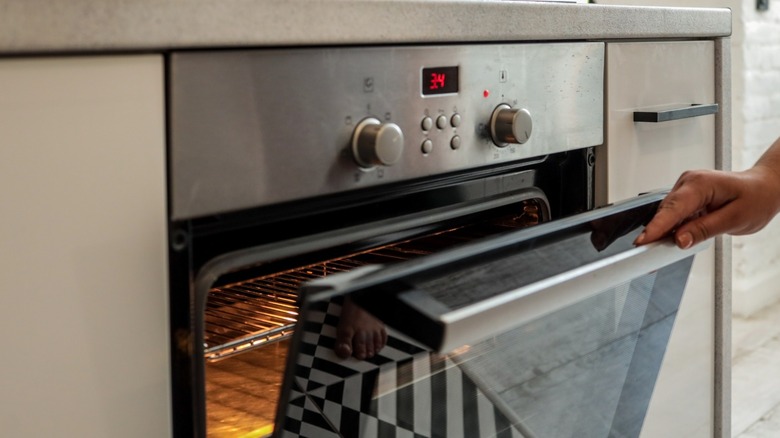
If you don't often bake sweet treats or whip up tasty casserole recipes, you may not have a clue if your cooking dishes are truly oven-safe or not. As some unfortunate cooks can tell you, this is one kitchen safety concern to never gloss over, as some dish materials can melt, shatter, or even start a fire when used in the oven. Some of the top culprits include plastic, untempered glass, and items with sneaky flammable parts like wooden handles.
Whether it's a snap-top container or a dining tray, most plastic dishes will melt under the intense heat of the oven. This not only smells nasty and creates a stubborn mess, but it can also start a fire inside the appliance. Even if a plastic item survives its time in the oven, heating up the material can leach chemicals and microplastics into your food. As it's a type of plastic, Styrofoam can also be dangerous in the oven, so don't try to reheat your takeout lunch before moving it to an oven-safe dish.
One exception here is CPET (crystallized polyethylene terephthalate), a specially treated type of plastic that can tolerate high temperatures, but CPET dishes are rarely manufactured for home use. Silicone is another type of plastic that can be oven-safe, such as with silicone baking mats or molds. However, you must look at the product information for your silicone gadgets to see if they're intended for oven use and what temperature range they can tolerate.
Other dish materials that are not always oven-safe
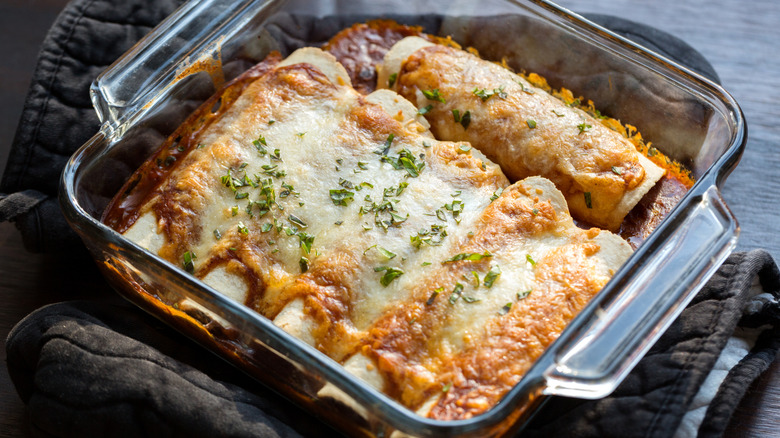
Many glass dishes are great choices for baking, but never assume yours are oven-safe without double-checking. Only glass that's undergone special treatment can withstand oven temperatures without cracking or shattering. Tempered glass is a widely known material, but another type is common type used in kitchen products is borosilicate. This durable glass is best known as the material used in Pyrex, and it can tolerate high heat as well as extreme temperature changes that would make other glass dishes explode.
Nonstick materials are also a gray area. You can find all kinds of nonstick baking dishes made for oven use, but for recipes like frittatas, you might wonder if it's safe to put nonstick frying pans in the oven. Again, you can find the answer by looking up the safety instructions for your pan, and keep in mind that even oven-safe nonstick dishes can only be heated up to a certain temperature. Overheating is the worst mistake you can make with a nonstick pan, as it compromises the chemical coating and leaches harmful substances into your food. Never put a nonstick item in an oven that's too hot or under the broiler setting.
Additionally, watch out for parts on dishes. Your Dutch oven lid might not be as oven-safe as you think if it has wood, plastic, rubber, or untempered glass elements, and the same goes for all other pots, pans, and dishes. Before sticking anything in the oven, make sure every single component is heatproof.
What kind of dishes are usually oven-safe?
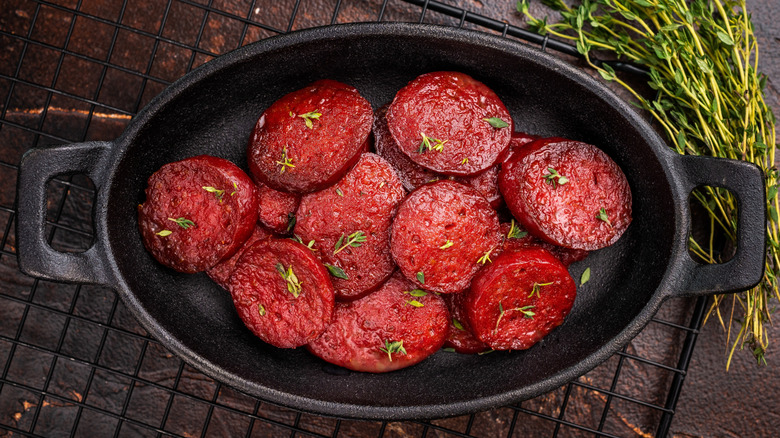
There are some popular dish materials that are almost always oven-safe, with a few exceptions. Durable metals like stainless steel, cast iron, and carbon steel are usually a safe bet, though the actual heat tolerance of a dish depends on its construction. As usual, the best way to know if stainless steel pots and pans can go in the oven is to inspect them for non-oven-safe parts and read the products' care instructions thoroughly.
Another metal that is usually oven-safe is aluminum, including both reusable dishes and disposable aluminum trays. However, you shouldn't put disposable trays directly on your oven rack, as they can be flimsy and may warp or bend when you move them around. To avoid spilling food and potentially burning yourself, always put disposable metal trays on a sturdy baking sheet.
Many ceramic vessels are safe for oven use, offering great heat distribution and a beautiful appearance for baked dishes that truly impress. However, those pretty glazes, painted designs, or decals on your dishes might compromise their oven safety. Decorative materials and glazed finishes can break down under heat, ruining the dish and potentially emitting harsh fumes. Also, ceramics are susceptible to thermal shock, meaning they could crack or shatter if taken from a cold environment, like the fridge, straight to a hot oven. You should also never use glass or ceramic bakeware in a toaster oven, as the more direct heat in these appliances will make ceramics crack.