

8 Cocktail Trends To Look Forward To In 2026
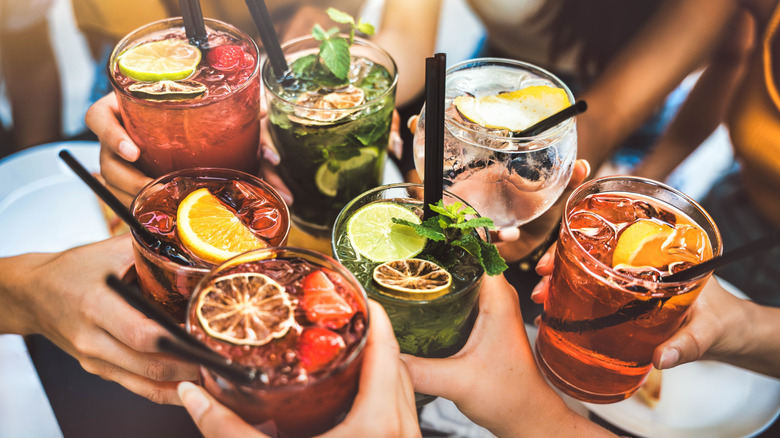
When it comes to cocktails and bar culture, trends are in a constant state of ebb and flow. One moment people are seeking out speakeasy bars where you need a password, key, and secret dance to gain entrance; the next, they're flocking to rooftop tiki bars. You might spend your evenings enjoying a Negroni Sbagliato, then switch to a whisky highball, or even a glass of neat sotol. It can be hard to keep up — figuring out what you should be drinking, and understanding how it got to be so trendy in the first place.
In 2026, there's a lot to look forward to. But how can you know what to expect the next time you visit a cocktail bar, while also having the pleasure of knowing more than your friends in the group chat? By asking the industry experts. These cocktail aficionados can often identify trends before they happen, and see why they're going to be an important part of your cocktail-loving life in the near future.
We had the chance to pick the brains of martini-minded Lynn House, Heaven Hill Brands National Spirits Specialist and Portfolio Mixologist; Lauren Trickett, National Brand Ambassador for Remy Cointreau; and Ana Carvalho, Beverage Program Manager at Galpão Gaucho Brazilian Steakhouse. After discussing the latest cocktail trends for 2026 and beyond, needless to say, we're thirsty for what's ahead.
Pickled and fermented flavors are on the rise
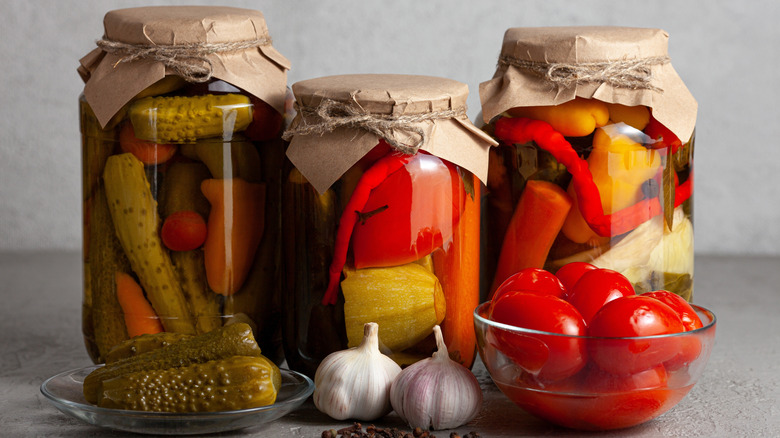
When we see a pickled carrot or pickled pepper in a bar, we tend to assume it's just the garnish for a Bloody Mary. It's understandable — the classic brunch cocktail has been in a tangy league of its own for a long time — but with this latest trend, that's no longer the case. In 2026, you'll be seeing far more pickled and fermented ingredients swirling around in your cocktail glass.
"I'm seeing pickles and pickling show up everywhere, from brines and bitters to full-on pickle cocktails," says Lynn House. "This goes beyond cucumbers, pulling in pickled vegetables and fruits too. It piggybacks off the kombucha trend and a growing desire for cocktails that feel more thoughtful, savory, and even a little healthier." House also points out that you can probably expect to see these playful, pickled elements start to appear more frequently in whiskey cocktails, noting how well their salty, sour flavors work with the sweet-and-spicy characteristics of bourbon.
Low-alcohol cocktails are here to stay
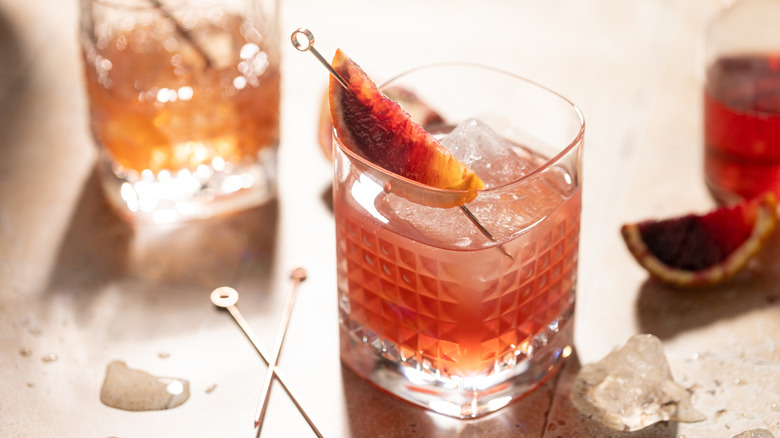
For many, Dry January is a way to start the new year off on a healthier note, but when February rolls around, that temperance evaporates. But it doesn't have to, and you can still keep up with cocktail trends in 2026 by choosing low-ABV (alcohol-by-volume) drinks. Opting for a low- or no-alcohol lifestyle doesn't mean you have to give up on drinking cocktails — quite the opposite, in fact.
"Low ABV isn't a trend anymore, it's a part of how people drink," notes Lynn House. "Spritzes and lighter takes on classics are staples on menus now, and I'm seeing bartenders use even high-proof spirits, like whiskey, in more balanced ways."
If you've always preferred higher-proof spirits, like whiskey or tequila, moving toward drinks with a lower alcohol content won't limit your cocktail choices. Ana Carvalho sees the low-ABV trend as a way to consume less alcohol while still enjoying interesting drinks. "People still want to drink, but not every round needs to be a high-proof heavy hitter," she says. "This is where vermouth, aperitivo-style spirits, amaro, and sparkling wine-based cocktails will keep growing."
Savory, food-inspired cocktails are having their moment
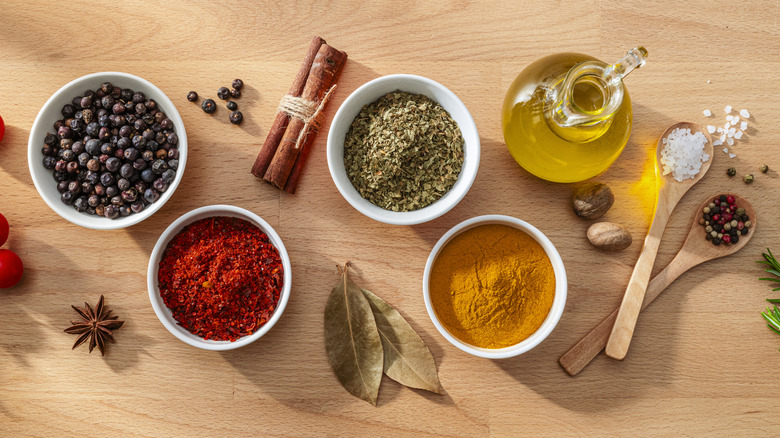
Bartenders are often seen as "cocktail chefs," and for a good reason. They're thinking creatively when they work with different ingredients, considering how one component might blend with another to produce a novel flavor experience. They consider presentation too, from how aesthetically pleasing a drink looks to the type of glass it's served in. In 2026, bar professionals are becoming even more inspired by the culinary world, aiming to invent drinks that hone in on savory, food-inspired flavors.
"Wellness is definitely influencing what people order — lower sugar, fewer overly sweet mixers, and a focus on fresh ingredients," says Ana Carvalho. "This shows up a lot through variations of spritz-style cocktails and drinks that feature citrus, herbs, tea, ginger, and sparkling components." This year, Carvalho believes we're steering away from "candy-sweet" flavors and heading toward more natural, grown-up cocktails. She believes that saline, olives, and cucumber will be showing up more frequently, as well as Asian-inspired flavors and exotic citrus fruits.
"Savory is having its moment," explains Lauren Trickett, "evolving from the classic salt rim on a Margarita to now including miso, mushroom, and umami-based profiles." Think of that salty or spicy rim on a cocktail as a gateway — the more you explore, the more creative the cocktails you'll find.
Lynn House is seeing an uptick in combining savory and tropical flavors — a sign bartenders are coming up with more balanced, intentional creations. "Herbs, spices, and vegetables are gaining traction, while fruits like guava, banana, melon, and pineapple continue to drive bright, crowd-pleasing cocktails," she says.
Cocktail garnishes will be a focus in 2026
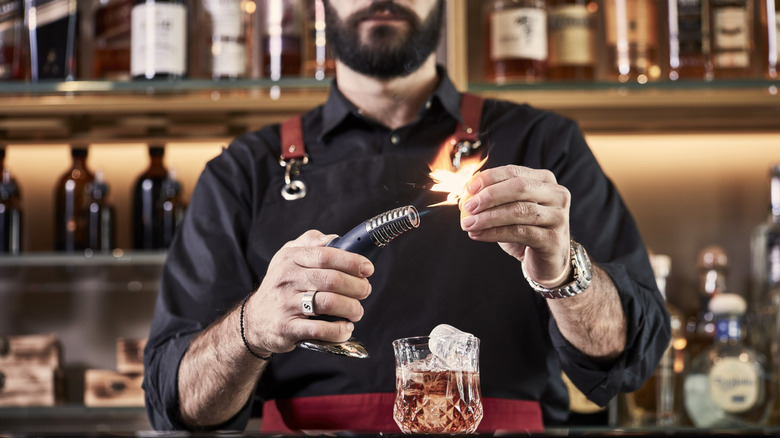
The brandied cherry. The olive spear. The twist of lemon. These are just some of the classic cocktail garnishes that have stood the test of time, whether they're incorporated into a drink or gently perched on the rim of the glass. While many bartenders understand the importance of garnishing a cocktail, 2026 will see these accompaniments take a more prominent role.
"I've seen lots of toasted marshmallows as of late," says Lynn House. "This might be because of the season, but riffs on a s'mores old fashioned have also been popular. I'm also seeing more ornate garnishes — think cocktail amuse-bouche. Fun little homemade cookies and candies are additionally being used to enhance the cocktail experience."
Will you be seeing toasted marshmallow garnishes at every cocktail bar you visit in 2026? It's doubtful, but you will start to see more thoughtful garnishes. For Lauren Trickett, this means garnishes that are supposed to be enjoyed just as much as the liquid in your glass. She thinks that it will also encourage bartenders to ask themselves an important question when creating a new, garnished cocktail: "Are you adding an orange wedge because it's pretty, or does it benefit the flavor profile?"
Tequila, mezcal, and rye whiskey are becoming increasingly popular
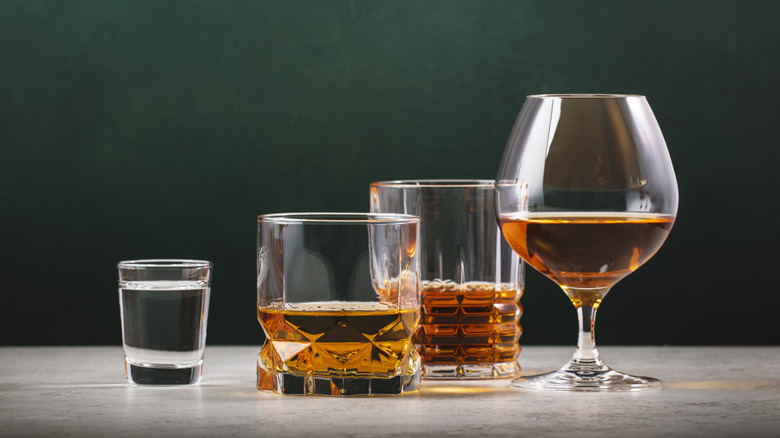
"Tequila and mezcal aren't going anywhere in 2026," says Ana Carvalho, and the figures back her up. According to The Spirits Business, while the growth of agave-based spirits slowed down in 2025, they still managed to outperform the rest of the alcohol sector as a whole (which is in decline). Plus, countries outside of the U.S. are increasingly embracing tequila and mezcal, showing an uptick in their global consumer appeal.
Mezcal, especially, is having a real moment to shine in 2026, notes Carvalho, with drinkers moving away from overly-sweet agave-based cocktails. Variety, better quality, and experimentation are how drinkers will view these spirits in the year ahead. "Mezcal is becoming a go-to base spirit for guests who want a drink with more character," she says. "More people are ordering mezcal versions of classics they already know, not just mezcal margaritas."
Lynn House chalks the love for these spirits up to palate maturity, with drinkers leaning into more grown-up flavor profiles. "Drinker's palates are growing up, and spice and smoke are everywhere," says House. "When we look at availability, 20 years ago, only a handful of great tequilas and mezcals were available...there are bars today that carry exclusively agave spirits, and the range is endless."
And then there's rye. Not agave-based by any stretch, but still falling into that spicy, smoky spirit category. According to House, many American distilleries haven't been making rye whiskey for that long, but now that's all changed. Greater availability and product creativity are giving bartenders and consumers more opportunities to have fun with the whiskey style. "There is also rye being made in Ohio, something I never thought I would see!" exclaims House.
Look out for creative cocktails inspired by global flavors
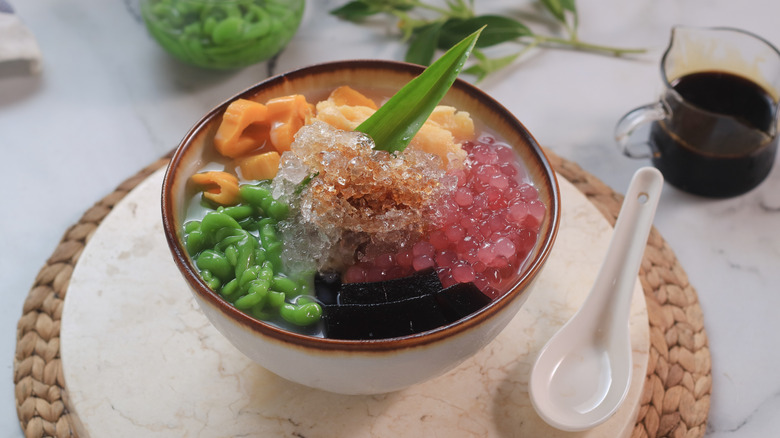
When creativity happens behind the bar, it begs the question: what inspired the bartender to create this drink? Is it seasonality, curiosity about a particular ingredient or flavor, or something else entirely? In 2026, it's likely that the most unique creations being shaken and stirred will be globally inspired, giving us cocktails well outside the norm.
"The bar community is truly globally connected, and we are lucky to have world-class bars come to the U.S. and do pop-ups all the time," notes Lauren Trickett. Using ingredients that don't typically appear on American cocktail bar menus is an opportunity for consumers to have a stronger connection with the person making the drink, too. It's a chance for the bartender to tell a story by way of original, perhaps even unusual, flavors.
Flavors like garam masala, ube, and pandan have all been making their way onto recent cocktail menus. For Lynn House, this embrace of global flavors will define cocktails in 2026: think coconut milk punches, martinis infused with ube and vanilla, and Negronis made with pandan syrup. "Bartenders are embracing their heritage and bringing those flavors to drinks in really creative ways," explains House.
The classic martini is having a renaissance
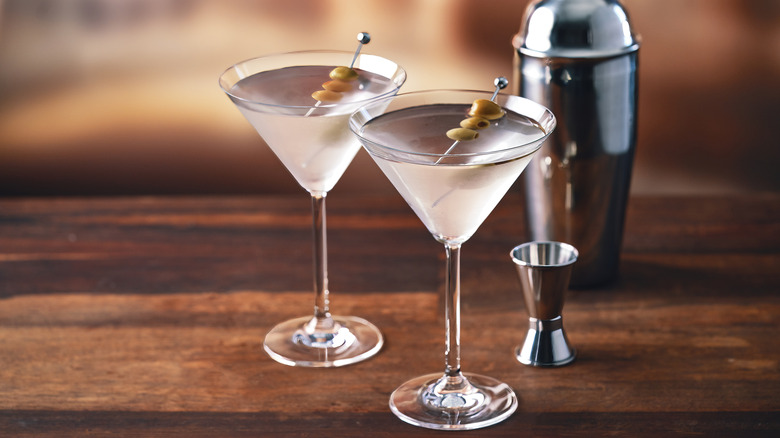
While the low-ABV drinkers sit on one side of the cocktail spectrum, the "spirit purists" (as Ana Carvalho calls them) sit well on the other. These folks know what they want, and that's spirit-forward drinks. Luckily for them, there's a drink that completely encapsulates that cocktail ethos: the martini. It's cold, crisp, and the spirit is the star of the show. In 2026, the martini isn't going anywhere.
A timeless cocktail, the martini never really goes out of style; it just continues to evolve. Carvalho sees a lot of potential for the martini in 2026, including more balanced dirty martinis, Gibson-style martinis, mini martinis, as well as unique, savory infusions. There's also room for change on the technical side, with the rise of pre-batched martinis for speed and consistency, and bartenders getting smarter about how the cocktail is served. "From the bar side, martinis also push technique," notes Carvalho. "Colder glassware, clean builds, and consistency. Small details matter more when the drink is simple."
"The martini continues to be hot," notes Lynn House. "I expect to see even more elevated, creative takes on this classic throughout the year."
Tableside presentation will make cocktails a storytelling experience
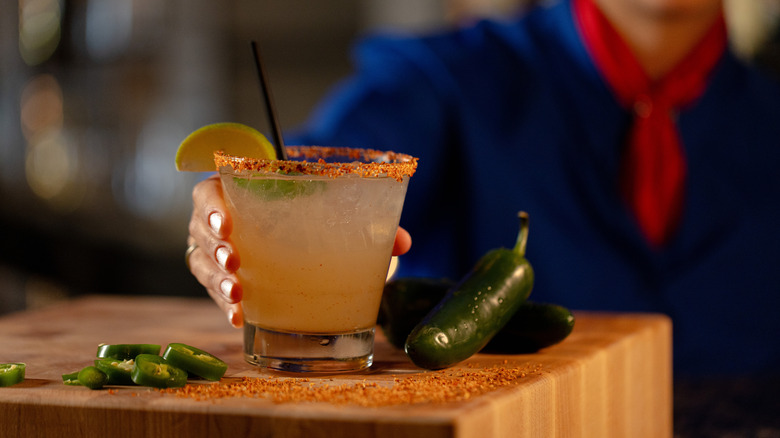
When we hear about tableside presentation, we tend to think of restaurants — sliced prime rib, bananas foster, Peking duck, and the like. It's a way to tell a story about the dish in front of you, and when it comes to tableside cocktail service, the purpose is the same. Ana Carvalho has seen memorable tableside presentation continue to gain popularity in a variety of ways, with interactive garnishes, smoky finishes, and tableside builds, giving guests that "wow" moment.
"People go out less than before, so when they do go out, they want something memorable," says Carvalho. "That doesn't always mean over-the-top presentations. The best version of this trend is more refined...a small 'ritual' moment that feels premium but is still realistic to execute during service."
Tableside cocktails are a staple at a handful of bars already, notes Lauren Trickett, but you can expect to see more of them in 2026, as bartenders embrace the storytelling experience while paying homage to classic drinks. An example? "Getting to see the frosted shaker filled with a cosmopolitan make its way into your chilled glass all from the comfort of your booth," says Trickett. "It shows time and attention to the guest, and people feeling valued is a trend that should never go out of style."