

8 Winter Fruits That Boost Your Immune System
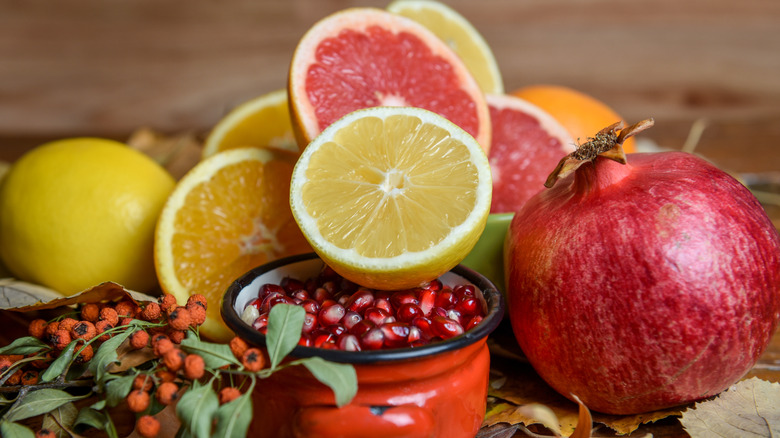
The winter can seem like a bleak season for fresh produce, especially fruit. It's difficult to picture anything other than hearty winter squash and evergreen trees surviving the frigid season. While steaming soups and cozy stewed meat dishes are usually winter meal staples, it's imperative that you still get fresh fruits and vegetables into your winter diet to keep your body functioning properly, especially your immune system. Despite the sometimes bleak weather, there are still plenty of great winter fruits and vegetables to enjoy, but not all of them have the same beneficial effects on our bodies.
Many of us are aware that the shorter days and colder temperatures lead to vitamin D deficiency. We can, of course, increase vitamin D supplements, but we sometimes forget to support the other aspects of our body that are equally important, like the immune system. There are many foods that could give your immune system a boost, but not all of them are in season during the winter months. All of the immune-supportive fruits listed below, such as guava and oranges, are winter fruits, making them not only fresh and accessible, but also at their peak flavor and texture. While some of the fruits are available year-round thanks to the global food and shipping industries, winter is the best time to get the most out of these fruits, especially when it comes to vitamins and nutrients.
Guavas
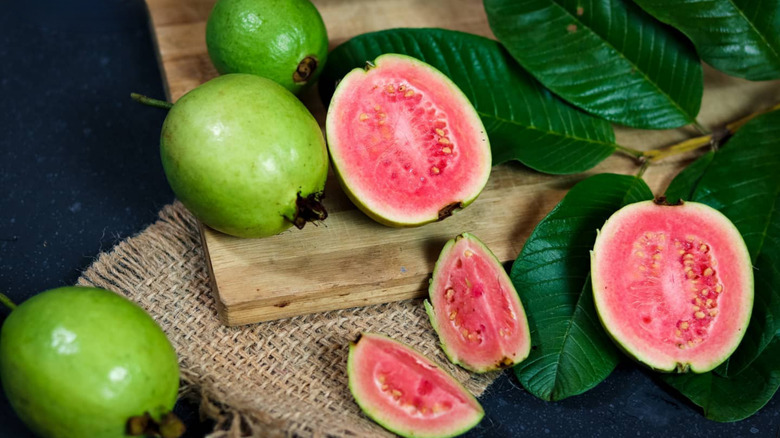
While oranges usually get all the credit for having high levels of vitamin C, guavas actually boast more of this vitamin than their citrus counterpart. A single guava contains a staggering 103 milligrams of the beneficial vitamin, which is more than the NIH's recommended daily value. Learn how to correctly eat a guava (peel and all), so you can get the most health and immune-boosting benefits of this sweet and fragrant tropical fruit.
Persimmons
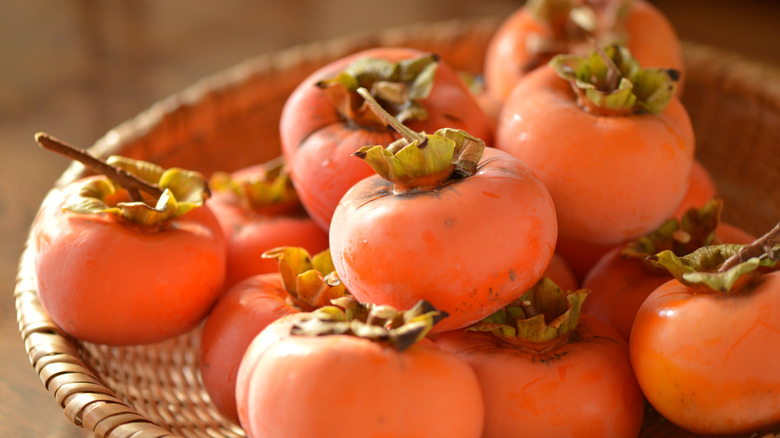
There are two popular types of persimmons, Fuyu and Hachiya. Fuyus you can eat even when they are a bit underripe, with a firm, pleasant texture, but Hachiya are bitter and must be left to ripen until custardy to enjoy. No matter which type you try, persimmons are an underrated fruit that boasts carotenoid antioxidants, which can help boost your immune system in the form of vitamin A. Try slicing up a Fuyu persimmon and adding it to a salad with bitter greens like chicories and a salty, aged cheese with a bright lemon vinaigrette.
Oranges

An average-sized orange contains a whopping 92% of the daily recommended value of vitamin C, which is critical in supporting a healthy immune system. Oranges are also a good source of fiber, another important element of immune health. While you may be most familiar with navel oranges, ubiquitous at supermarkets year-round, there are many types of oranges to enjoy, and you may be able to find many of them at your local farmers' markets in the winter.
Kiwifruit
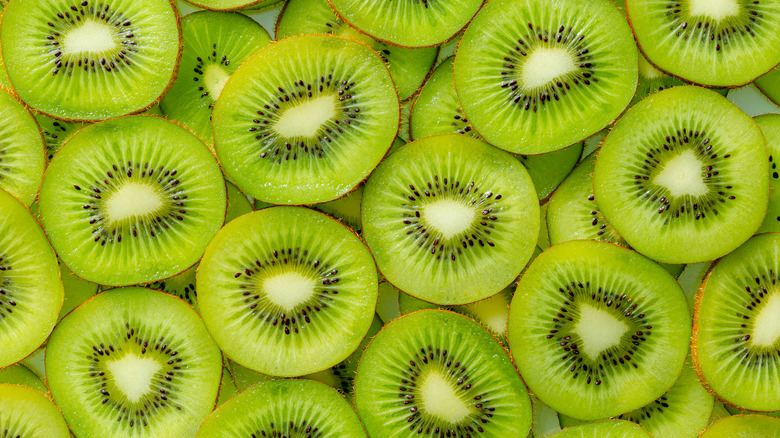
Similar to oranges, just one small kiwifruit provides 83% of your daily vitamin C needs. Kiwifruit also contains vitamin E, which is fat-soluble, meaning it needs to be accompanied by fat for your body to absorb it, so be sure to include healthy fats in your diet as well.
, as cooking the fruit can result in nutrient loss and may also lead to an unpleasant texture and flavor. So keep the heat away from these tart, tangy little fruits.
Lemons
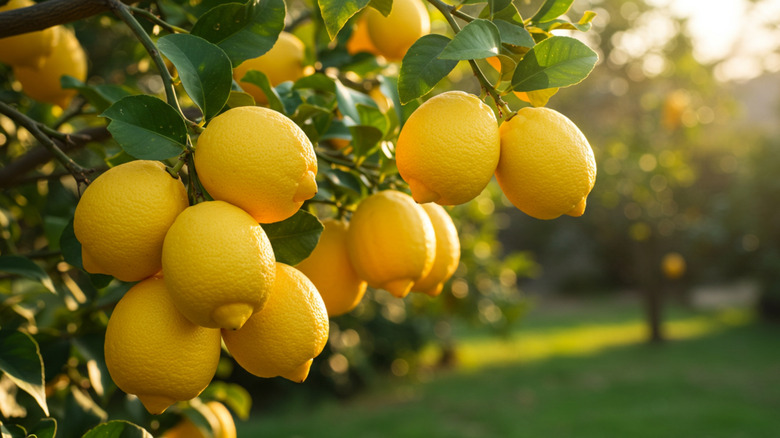
Unique in the sense that most of us don't bite into the fruit like an apple — or even eat the flesh at all, lemons still provide health benefits that positively impact your immune system. Easy to squeeze into a glass of sparkling water or warm tea with honey, one lemon contains about a quarter of the daily recommended amount of vitamin C, making it a tart and easy way to boost your immune system in the winter months. Don't throw out the rest of the lemon when you're done, as there are many clever uses for leftover lemon peels.
Grapefruit
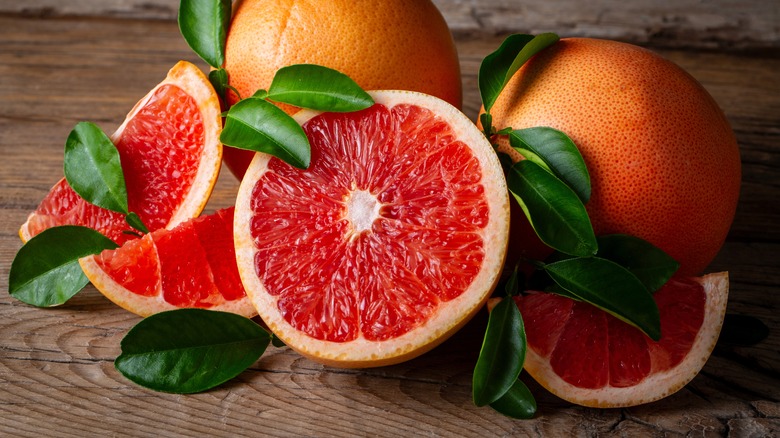
Many people are familiar with ruby red grapefruit or even the pale oro blanco grapefruit that resembles a giant lemon, but did you know there are at least 14 types of grapefruit? The sour, tangy yet sweet citrus is a peak winter fruit that's high in vitamin C, which has antioxidants that can help boost your immune system. Grapefruits also contain vitamins A and B, as well as zinc, all known to aid in protecting your body from illness.
Pomegranates
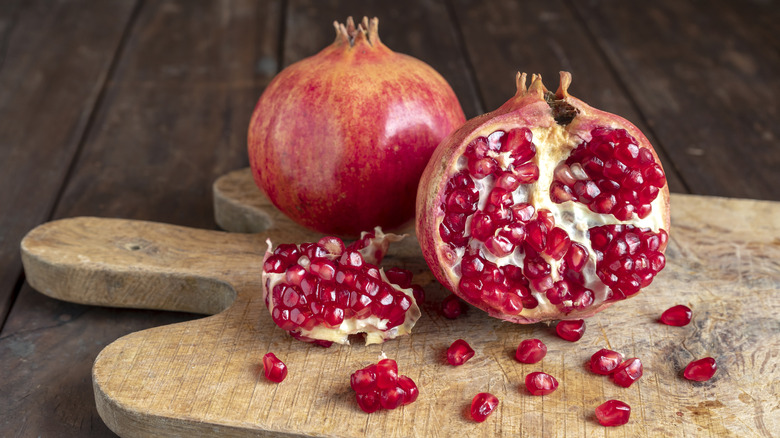
Pomegranates have been around since the Bronze Age in ancient Persia. They may seem intimidating and dangerously messy, but there's a surefire way of cutting them to avoid making a mess. Harvesting pomegranate seeds is worth the effort, as they provide about 32% of the recommended daily value of vitamin C, as well as other antioxidants that can help ease inflammation. While pomegranate juice is delicious, it doesn't have all the same health benefits as the arils, so make sure to eat the whole seeds rather than buying a pomegranate juice for the most immune-boosting properties.
Avocados
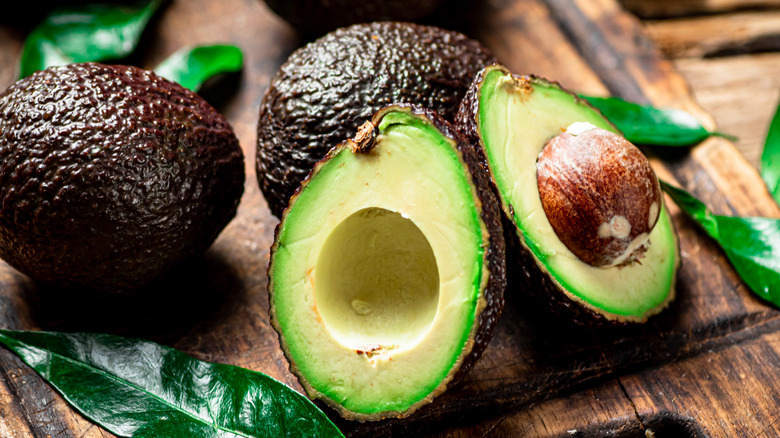
Given the versatility of a buttery, creamy avocado, it's incredibly easy to incorporate this delicious and healthy fruit into your diet. Whether you spread it on a slice of toasted sourdough or garnish your homemade tacos with it, the fruit has immune-boosting vitamins like C, E, and B6. Avocados also contain potassium, copper, and folate, along with healthy fats and antioxidants. Avocados are a tasty, powerhouse fruit you should consider eating more often — especially in the winter.