

29 Iconic Sandwiches From Around The World
A perfect sandwich is something truly magical. Hot or cold, with the perfect bread, the ideal filling-to-bread ratio, and just the right amount of sauces, drizzle, or gravy to hold the whole thing together, it doesn't get much better than that. There's a good chance that you may have thanked the Earl of Sandwich for being so engrossed in a day-long gaming session that he called for that first, iconic sandwich creation to be made... only, that's not actually the first sandwich ever.
The first time the word appeared in print was in 1762, but we could go back to Israel (around about 110 BC) and see people eating sandwiches. Specifically, we're talking about the Korech, a still-popular Passover dish that's made with bitter herbs between unleavened matzo. It's a deeply meaningful dish that evokes reminders of how bittersweet our lives are, but the bottom line is that it's more accurate to say that the Earl of Sandwich gave his name to the sandwich, but definitely didn't come up with it first.
The Korech isn't the only famous sandwich out there, either. Countries around the world all have their iconic, historic, culturally treasured sandwiches, and we want to talk about some. Full disclosure: There are a lot of them out there. We picked some of the most iconic from a variety of countries, and who knows? It might just inspire your next month of lunch.
India: Vada Pav
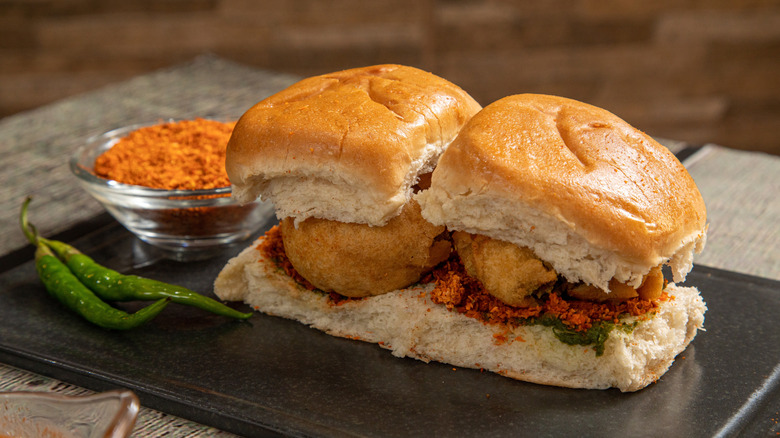
There are few better ways to get to know a city than to explore its street food, and the vada pav is Mumbai's famous, wildly popular potato sandwich. Created in the 1960s and popularized during the textile strikes of the '70s and '80s, it features mashed potato made with an array of flavors that can include (but aren't limited to) things like fennel, chiles, onions, masala spices, and garlic, then deep-fried with the help of a chickpea batter. Add a roll and flavorful chutneys, and it's easy to see why around two million are sold every day.
Denmark: Smørrebrød
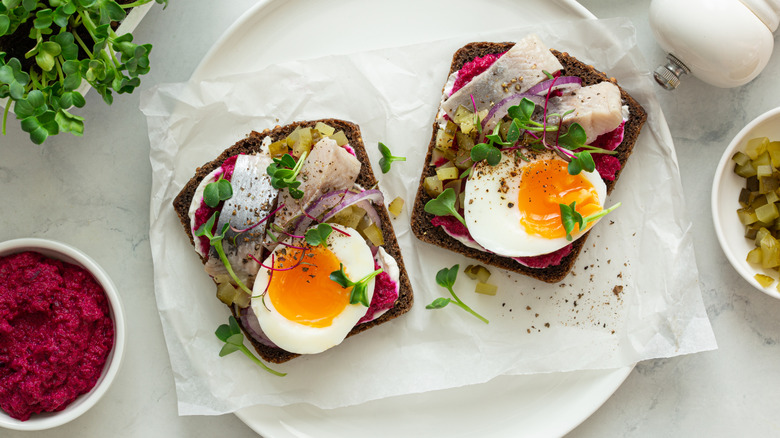
Smørrebrød is technically an open-faced sandwich, and it dates back to the 1880s. The idea is as simple as it is versatile: A slice of rye bread is buttered, then piled high with everything from smoked fish and salted meats to apple, bacon, shrimp, roast beef, remoulade, and cheeses ... among other things. Initially an Industrial Revolution-era creation that helped use leftovers in a hearty lunch, smørrebrød has been elevated into a culinary art form today.
South Africa: Gatsby
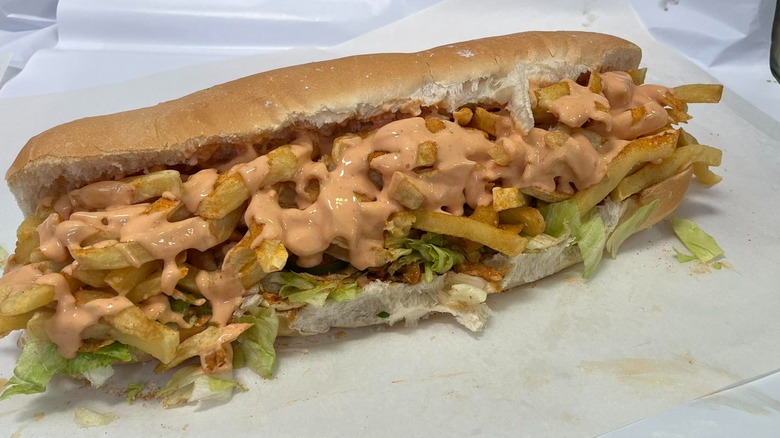
You'll find the Gatsby in Cape Town, and it's one of those things that visitors are told they need to try. A sub roll is loaded down with meat, fries, lettuce, fried eggs, cheese, and sauce, and it's typically shared between a few people. The name came from an excited exclamation from the first person to try one, which was made at a takeaway by Rashaad Pandy in 1976.
The name is thought to be a reference to the decadence of "The Great Gatsby," but we're unlikely to know for sure. What we do know is that it's downright delicious.
France: Croque monsieur & Croque madame
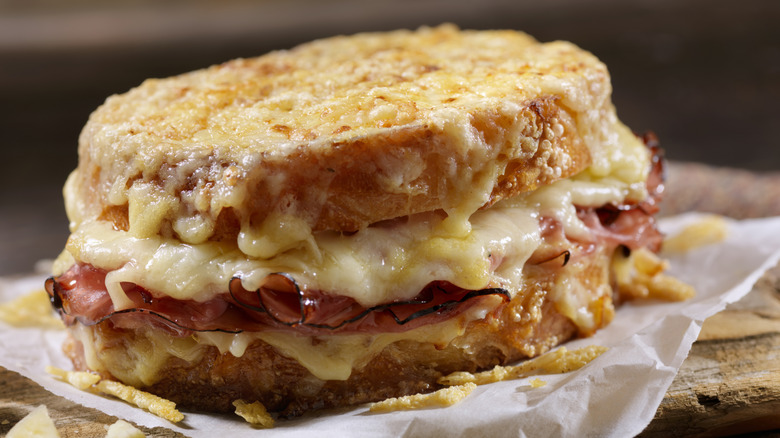
Croque monsieur and croque madame might be on the menu at every outstanding brunch spot in the U.S., but the origins unsurprisingly go back to turn-of-the-century France. Bistro owners served up baked (or fried) sandwiches made from ham, Gruyere, and bechamel sauce, and it was a delightful meal first written about by Marcel Proust.
The croque madame came along later — officially around the 1960s — and if you're unsure of the difference, this one includes a poached or fried egg.
Vietnam: Bánh Mì
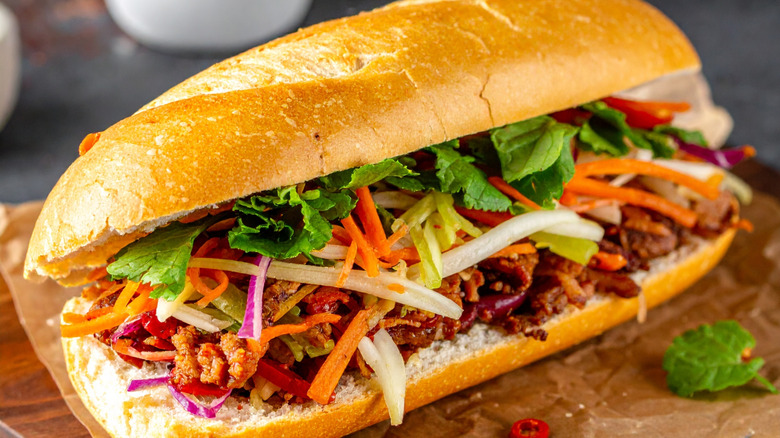
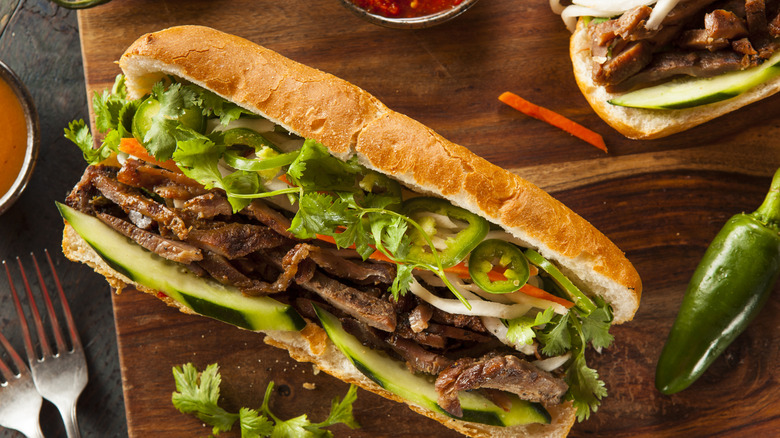
The bánh mì might be most associated with Vietnam, but this sandwich has definite French roots. This versatile concept often includes a marriage of marinated meats with fresh and pickled veg for a restaurant-worth sandwich, but where did it come from?
In a nutshell, French colonizers introduced the baguette to Vietnam, and the country's citizens made it their own. It wasn't easy: Violent and bloody occupation happened back in the 1860s, and initially, baguettes were a symbol of wealth and authority in a country where wheat didn't grow. Today, the bánh mì is proudly Vietnamese.
Peru: Pan con chicharrón
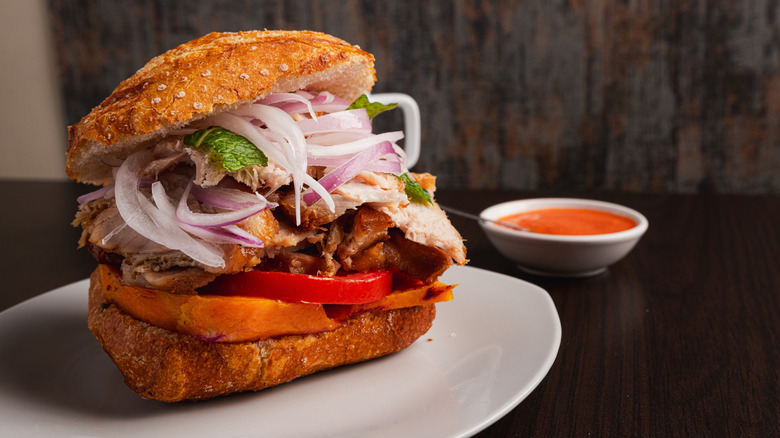
A truly great sandwich is all about textures and tastes that come together to create something greater than the sum of its parts, and Peru's Pan con chicharrón is a winning combination. Slices of fried pork belly, crispy fried sweet potatoes, and Peruvian salsa are served on French bread, and it's the perfect combination of sweet, savory, crispy, crunchy, and a soft roll.
Pan con chicharrón was developed after the Spanish brought pigs to South America, and although there are (of course) variations, it's been long lauded as a favorite breakfast.
United States: Po'boy
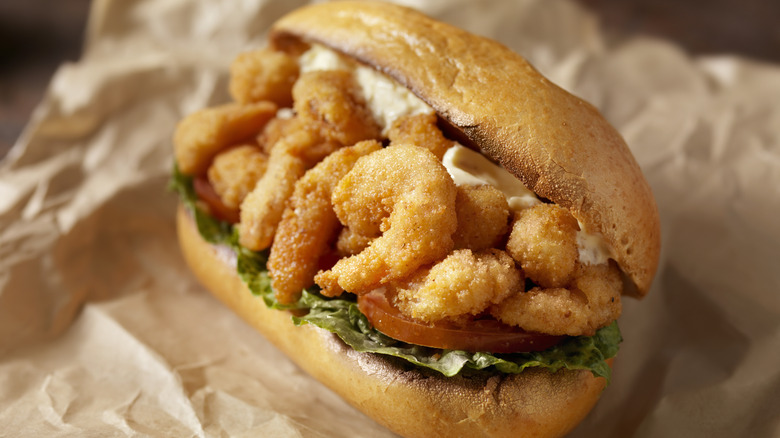
The grilled shrimp po'boy might be the classic everyone thinks of, but it's certainly not the only version of this New Orleans classic. The name comes from the fact that these sandwiches were originally created at the Martin Brothers Coffee Stand and Restaurant, and were given away free to striking transport system workers known as "poor boys."
The originals were made with roast beef and gravy, and the distinctive rectangular shape of the bread was created to make the most of every part of the loaf. What started as an act of kindness back in 1929 has gone on to become an icon of NOLA cuisine.
Britain: Fish Finger Sandwich
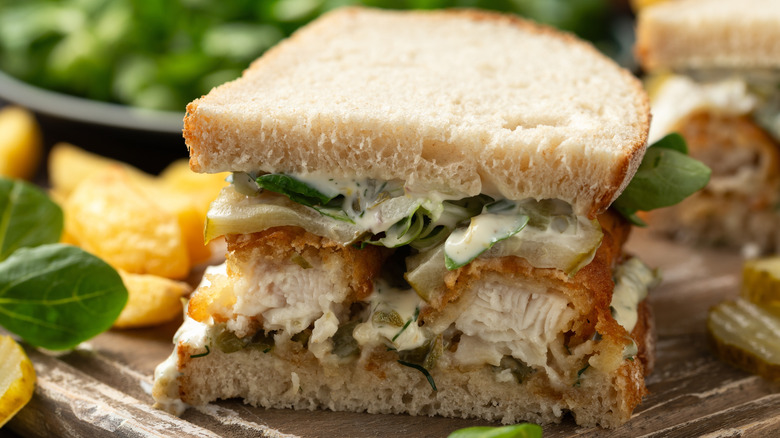
Are fish fingers sandwiches the food of the gods? Plenty of Reddit users think so, and we have to agree. This classic British sandwich is, in its simplest form, a few fish fingers — or fish sticks, for the Americans — between two slices of bread, with lettuce and either tartar sauce or mayo. Everything fits together in a satisfyingly perfect way, and you can definitely add things like tomatoes, cheese, ketchup, or butter.
Fish fingers were first introduced to post-war Britain by Birds Eye back in 1955, and lunchtime hasn't been the same since.
Mexico: Tortas
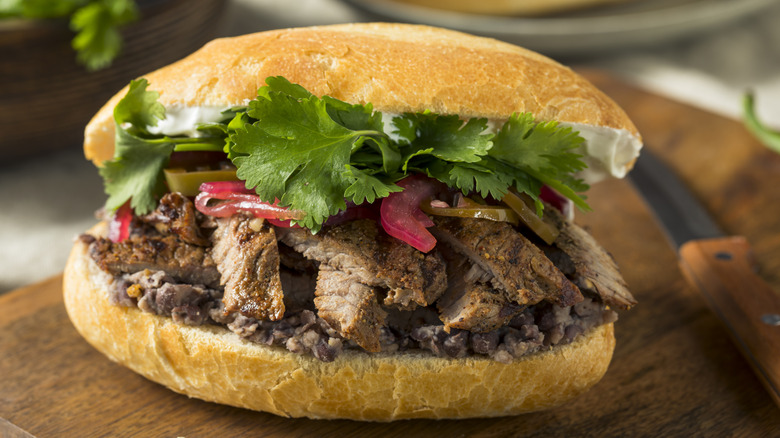
A Mexican torta can be filled with pretty much anything, so what makes it special? These sandwiches are typically made with either bolillos or teleras bread, and different regions in Mexico have their traditional favorite. It's carnitas and refried beans in Guadalajara, for example, while it's mashed potatoes and chorizo that are popular in Toluca.
While the roots of the torta go back to the early 17th century, some sources credit a young entrepreneur named Armando Martinez Centurion with selling the first modern tortas back in 1892.
Greece: Gyro
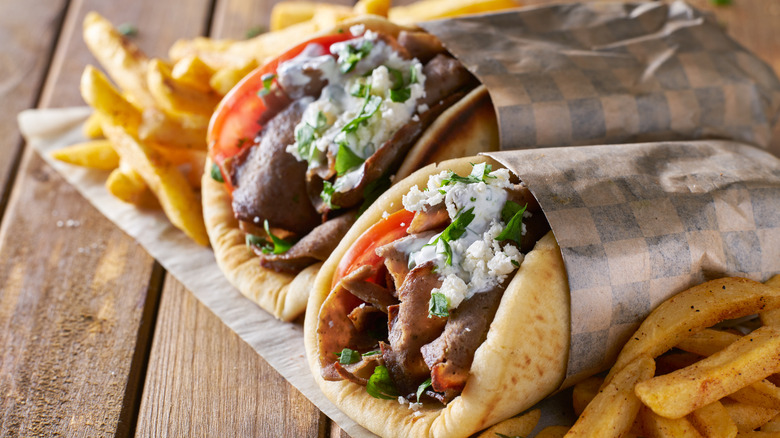
The gyro is so popular in Greece that it has its own national day on September 1. You might think these deliciously soft sandwiches of thin-sliced meats and garnishes go back to ancient times, but that's not the case.
When Turkish immigrants settled in Greece in the 1920s, they brought Turkish kebabs with them. The idea became both localized and wildly popular, but the name is thought to have only come about in the 1970s, when it was coined in New York. Who knew?
Colombia and Venezuela: Arepas
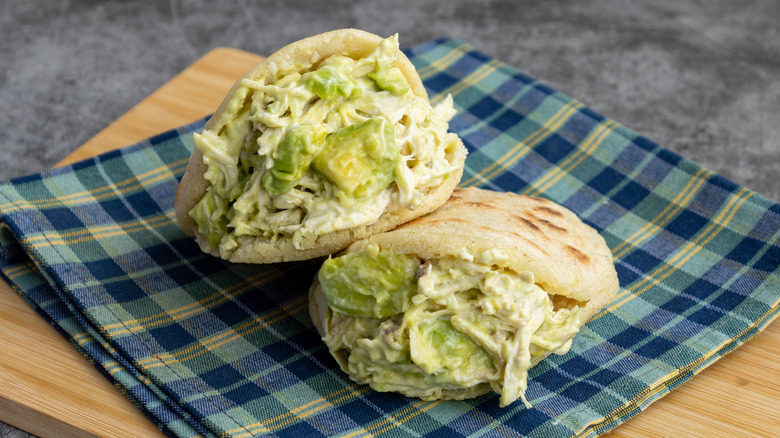
The Indigenous peoples of South America were the first to make the corn-based arepas, and over the centuries, different areas developed their own varieties of this classic staple. Venezuela and Colombia, in particular, are known for a variety of sandwiches, like the double-fried arepa de huevo with a crispy corn exterior and a runny egg interior, or cream cheese-filled arepa de choclo.
Other traditional fillings include chicken and avocado, roast pork, and chicken and cheese, but no matter what you prefer, it's undeniable that the arepa has been recognized as a culturally and traditionally significant foodstuff.
South Africa: Braaibroodjie
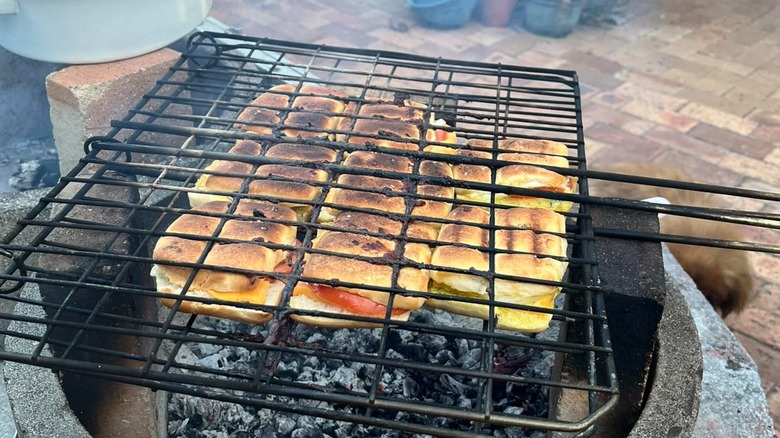
The braaibroodjie is almost a grilled cheese sandwich ... almost. This is a sandwich made up of buttered bread with cheese, chutney, onion, and tomato, which is seasoned with salt and pepper, then grilled. They're traditionally served at a braai, which is basically South Africa's version of an open-fire backyard BBQ, and no braai is complete without a braaibroodjie, a delightfully crispy, crunchy, creamy sandwich.
India: Bombay Sandwich
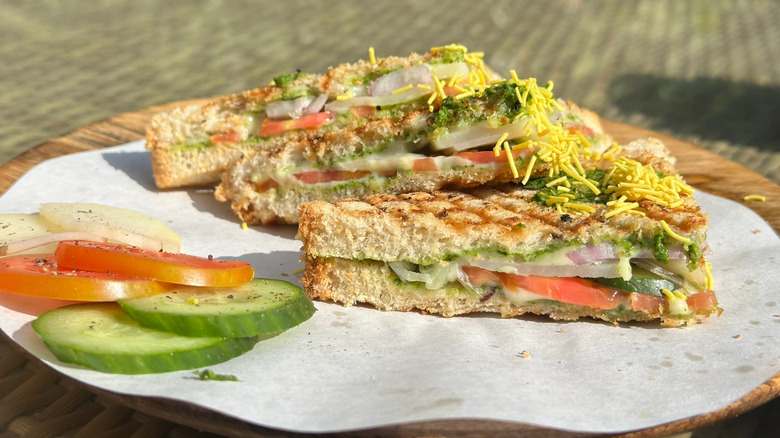
Today, the Bombay Sandwich is as popular as it is versatile, but it's essentially a toasted sandwich with potatoes and vegetables. What's on it? There are hundreds of different versions, but common favorite fillings include cheese, chutney, tomatoes, sliced beetroot, cucumbers, onions, and — of course — more and more cheese.
The Bombay Sandwich is always on white bread and is believed to have been popularized alongside the rise of the 1960s-era textile boom in the city now known as Mumbai. Up to now, it's still one of the most popular street foods in Mumbai.
United States (and Romania): Pastrami on rye
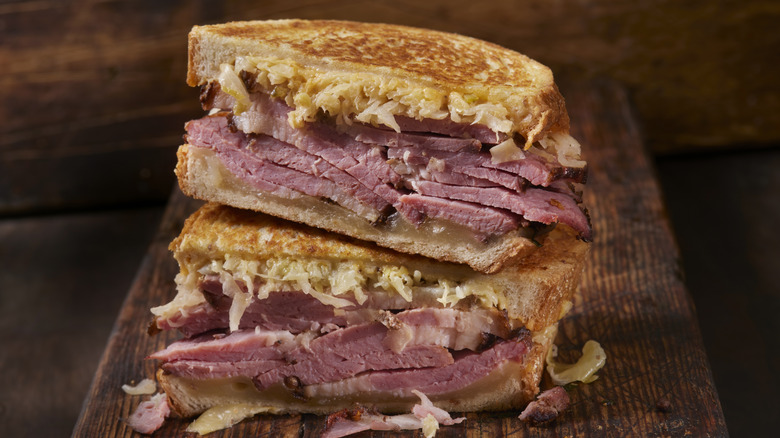
The experts build a perfect pastrami sandwich with slow-cooked, extra-tender meat, and fans know that this is a staple sandwich of Jewish delis — particularly in New York City. As the sandwich is credited as being created in the U.S. by 19th-century immigrants, we're specifically giving Romania a shout-out.
It's Romanian immigrants who not only developed the sandwich but also brought pastrami to the U.S. with them. Salt-curing traveled from Turkey to Romania (where it was popularly used to preserve goose), and when Romanians settled in New York, they adapted it again to a tough, plentiful, affordable cut: Beef brisket. The pastrami sandwich was born, and the rest is history.
Italy: Porchetta
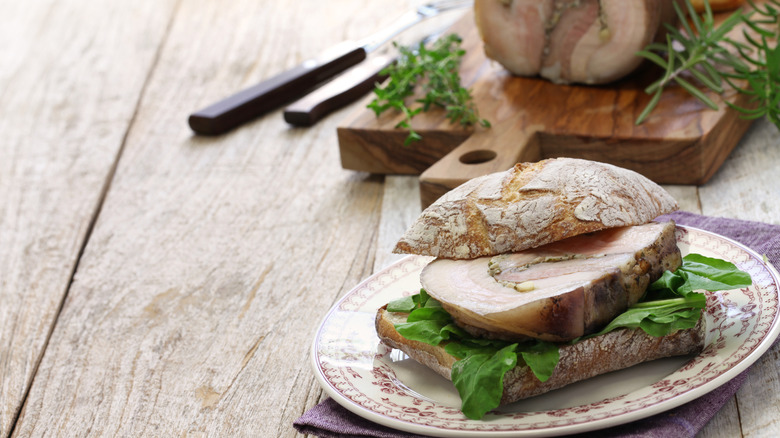
There are a lot of popular Italian sandwiches that could arguably be called iconic, but we're going with porchetta. Porchetta hails from Central Italy and has entire festivals dedicated to it, and the meat itself predates ancient Rome. We're not going to get into the Lazio vs. Umbria debate over where it actually came from, but we will say that the porchetta sandwich — technically made from a whole-roasted, deboned female pig — remains one of the most popular sandwiches in the country.
Tunisia (and Israel): Fricassé
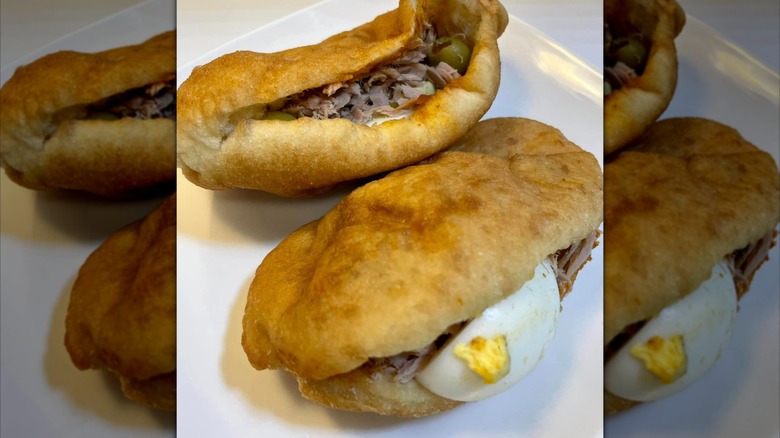
This one's a bit of an odd story, and it starts in Tunisia. That's where fricassé was developed, and it might not be what you're thinking. We're talking about the kind that's a soft, deep-fried bun that's filled with (traditionally) tuna, hard-boiled eggs, pickles, lemon, and harissa, or (non-traditionally) potato salad or carrot salad.
Although it has roots in Tunisia and was (supposedly) created by an enterprising Jewish woman who turned her extra donuts into savory sandwiches, it's arguably just as popular in Israel. It's a staple Independence Day dish, and is also consumed during various Jewish holidays.
Germany: Mettbrötchen
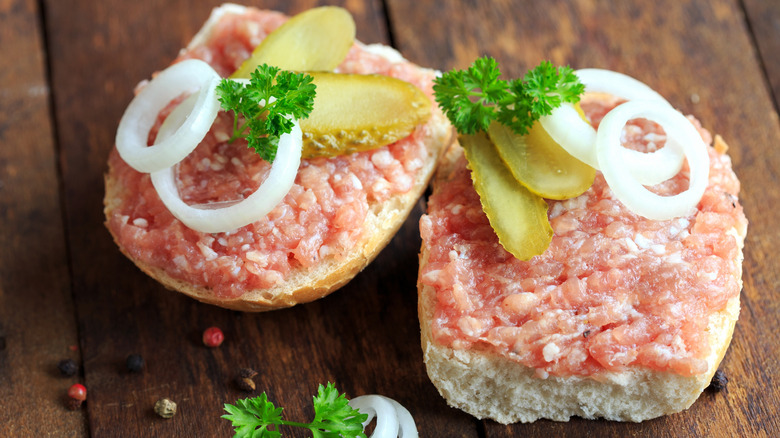
Mettbrötchen might give some people pause, as it's essentially raw minced pork on a roll. Usually, there are raw onions and some seasoning involved, but that's it. And don't worry, Germany's Mettbrötchen isn't as scary as many Americans might think.
Once-common dangers involving worms in pork are largely in the past, and Germany's strict food safety regulations mean it's perfectly safe to chow down on a raw pork sandwich in, say, Berlin. If it wasn't, it wouldn't have risen to such popularity back in the 19th century and remained a late-morning, early-afternoon staple for decades.
Brazil: Bauru
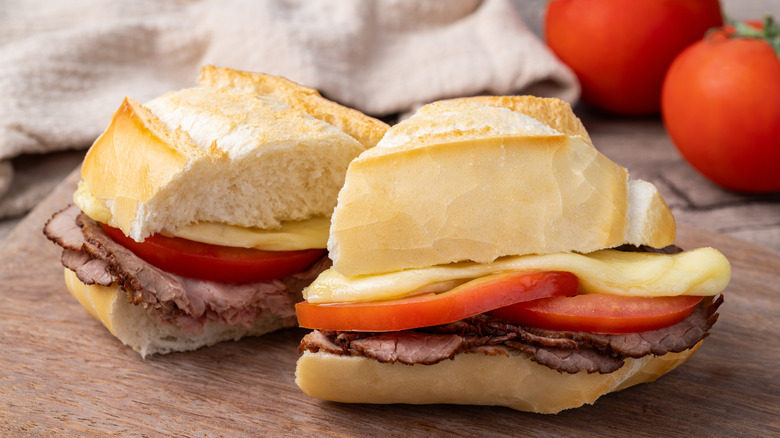
Brazil takes the Bauru very, very seriously, and we are absolutely not kidding about that. Versatility is what makes a lot of sandwiches more concepts than recipes, but the ingredients for the 1930s-era Bauru are actually cemented in state legislation and protected as a part of Brazilian heritage.
If it's not roast beef, tomato, cucumber pickles, mozzarella, oregano, and salt served on a French bread roll, don't call it a Bauru. How did it come around? It was the go-to order of a law student who requested it from a São Paulo restaurant. The establishment kept making it, and it was a major hit.
United States: PB&J
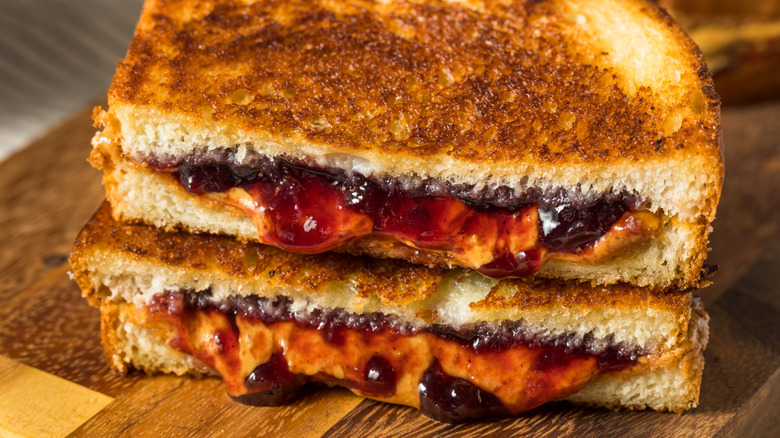
Peanut crops were a big deal, famously associated with George Washington Carver (who did not actually invent peanut butter, to be clear). It was about the same time he was promoting hundreds of different ideas featuring peanut butter that the PB&J sandwich made its first appearance with understandably odd jellies: Currant and crab apple. That was back in 1901, and in the following decades, it became a massive lunchtime favorite. It's also unique in that it's entirely American in origin.
Britain & Ireland: Breakfast bap/butty
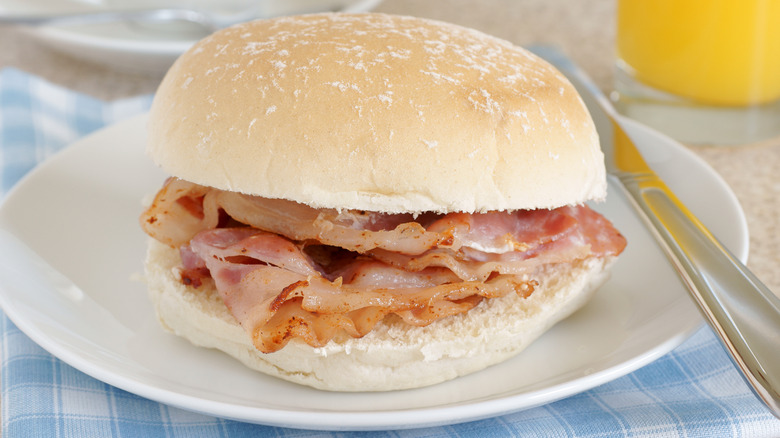
There's certainly no shortage of breakfast sandwich recipes in the U.S. today, but sorry, America, you didn't invent this one. We're not actually sure who did, but we do know that during the Industrial Revolution of the 18th and 19th centuries, people found themselves in need of fast, on-the-go sustenance in a very quickly changing Britain.
Eggs and sausage grease on a roll known as a bap became a go-to, and today, breakfast baps and buttys are still popular. Pork sausage, European bacon (pictured), egg, ketchup, and brown sauce are popular in modern breakfast baps.
Poland: Zapiekanka
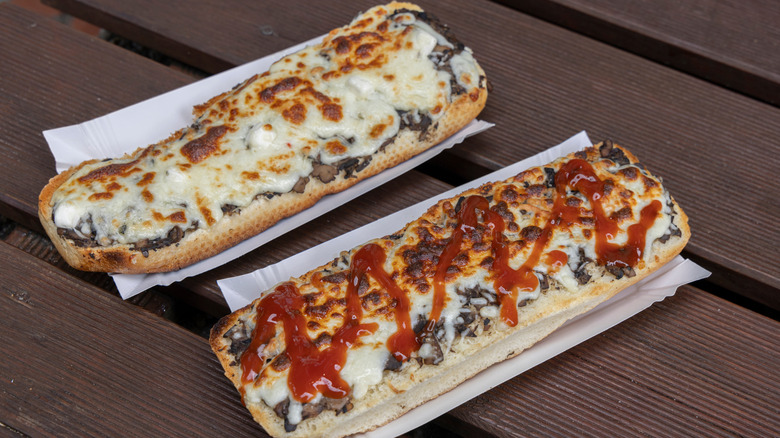
Poland's zapiekanka is an open-faced sandwich, but it's essentially one side of a toasted baguette that's loaded down with toppings that commonly include cheese, mushrooms, and a dash of ketchup-like sauce. Baguettes didn't appear in Poland until the 1970s, and while it's a bit of a nostalgic throwback these days, it was once a wildly popular fast food item that was a symbol of trade, prosperity, and the introduction of foreign goods (and a time that also saw the introduction of things like pizza and hot dogs).
Japan: Katsu sando
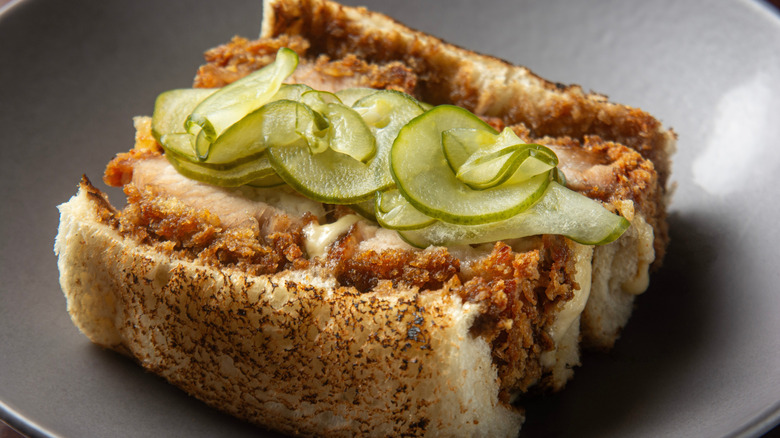
Sandwiches arrived in Japan sometime around the late 19th century, and the katsu sando is one of the most iconic. It also has the coolest history. The story goes that it was invented in the 1930s, and was the brainchild of a shop owner who wanted to create an easy-to-eat, mess-free sandwich for local geishas.
The sando is basically a breaded and fried chicken or pork cutlet, pounded thin, and served in a sandwich with (usually) sauce and cabbage. Convenience stores picked it up, and today, the katsu sando has gone global.
Spain: Bocadillo
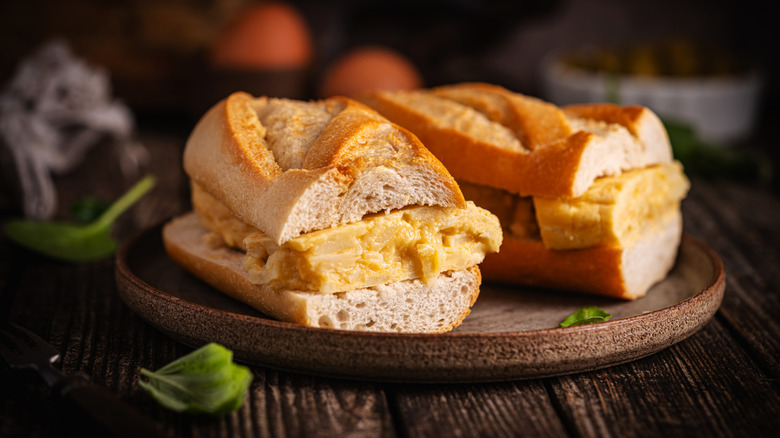
It's the bread that defines the Spanish bocadillo, as this sandwich comes served on a baguette. Toppings vary, but they tend to include very regional ingredients such as ham, cheese, or even omelets. Some are very specific: Madrid's bocadillo de calamares is a massively popular street food, and this particular version of the sandwich comes loaded with pieces of deep-fried calamari, and occasionally lemon or aioli. The bocadillo el camino (pictured), meanwhile, comes with creamy potatoes cooked into an omelet shape and served on the roll, sometimes with ham or cheese.
New Zealand: Cheese Rolls
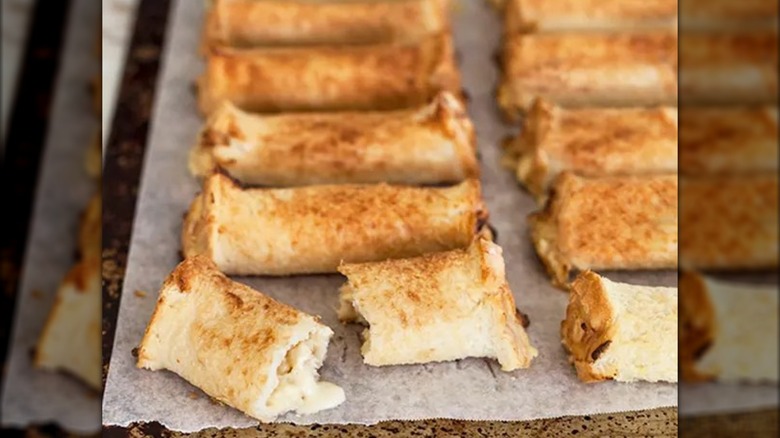
Cheese rolls might be the ultimate comfort food sandwich, and they're popular in the southern section of New Zealand. They're easy to make — a slice of bread, a bit of mayo, add lots of cheese and onion, roll, then toast — but there are endless variations and many families have their own that's the ultimate snack food of childhood memories and family fun. Traced back to the 1950s, it's a delicious remedy for the homesick and a hallmark of the southern food scene.
Egypt: Falafel
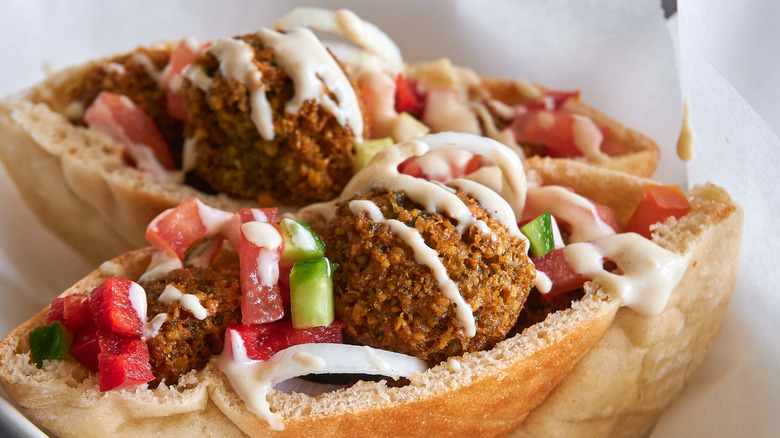
Is there anything better than a red lentil falafel pita sandwich? Delightfully crispy with the freshness of veg and the creaminess of tahini, falafel is alternatively claimed by Israel and Palestine, but historians suggest the credit should more rightfully go to Egypt. It first shows up in Egyptian texts in the 1880s, when it's believed to have been created at the request of British colonizers.
Is that the truth? Who knows. We do know it appears in other countries after Egypt — likely spread by Yemenite Jews — so congrats, Egypt, this one's all yours.
Australia: Vegemite Sandwich
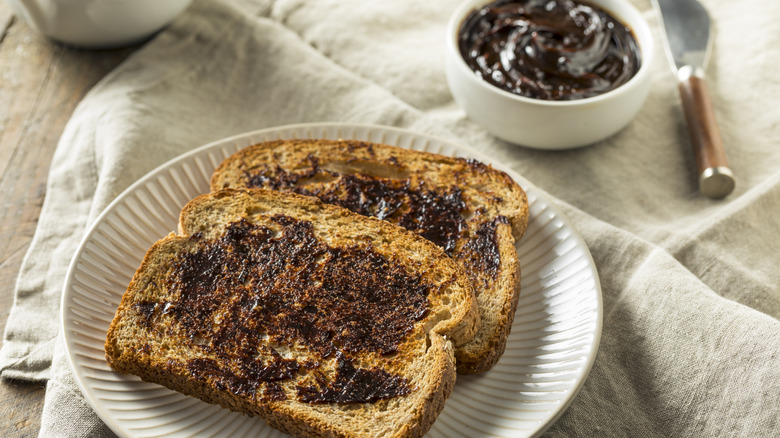
Sorry, Australia. While we wholeheartedly encourage our dear readers to try to make most of the sandwiches at home, we will not be responsible for Vegemite. Millions of jars are sold a year, almost every Australian household has one, and a little (and this is important) Vegemite spread on bread is a wildly popular sandwich.
The yeast-based spread dates back to 1923, after being developed to replace the British Marmite during wartime scarcity. Vegemite took its place as the Australian version and has become a national icon.
China: Roujiamo
No one's really sure where roujiamo came from, but some historians have suggested that the idea of the minced pork and flatbread sandwich goes back as long as 2,200 years, when both the filling and the bread specific to the sandwich made it into China. Long-popular in northern China in particular, celebrated versions of the sandwich feature marinated meats and a firm, slightly crispy roll, with vegetarian and other meat options now popular.
Taiwan: Gua bao
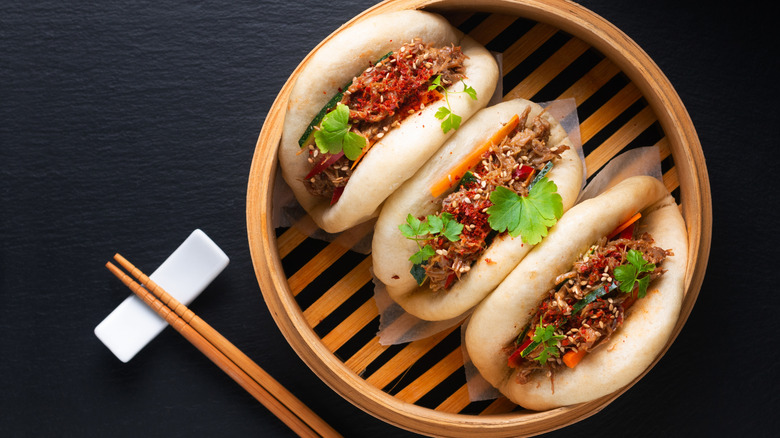
Gua bao has been having a bit of a moment on the international scene, spreading outside Taiwan in a big way that started in the early-mid-2000s. The steamed bun is light and soft, served warm, and there's a slight sweetness there, too, in the pork belly that's typically used in making this sandwich.
Lauded as a popular street food, gua bao is traditionally more commonly served at gatherings at the end of the lunar year, where it was believed eating them would help usher in good luck in the new year.
Uruguay: Chivito
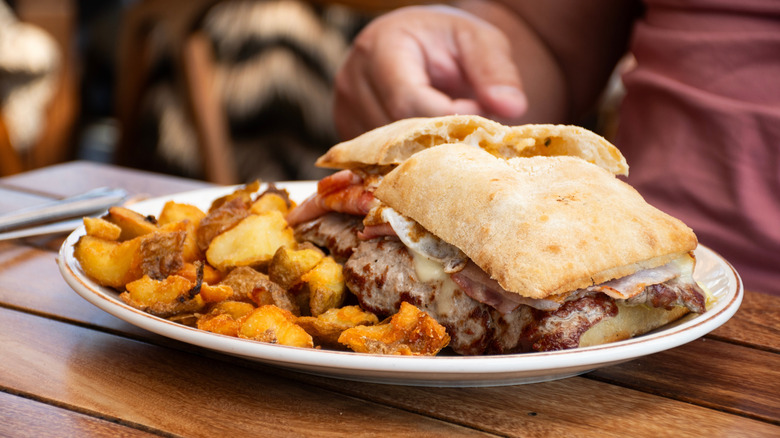
The Chivito is neat because we know exactly who to thank for this delicious sandwich from Uruguay. In 1944, a bar owner named Antonio Carbonaro threw together a quick sandwich for a hungry customer at his resort, and it was so good that it became a thousand-sandwich-a-day seller.
A soft, buttered roll, ham, steak, and cheese are a must, and you'll commonly find things like tomatoes and fried eggs added, too. It was so popular that it's become a part of Uruguay's national identity, and with something this tasty, we're totally on board with that.