

10 Calcium-Rich Fruits You Might Be Overlooking

When it comes to hitting your daily calcium intake, fruit is probably not at the top of your list. We've all been told to drink our milk for healthy bones and teeth, and while it is rich in calcium, it's not the only option. Calcium is found in a wide range of foods, including vegetables and fruits, which can be helpful to know if you're on a plant-based diet.
While fruit alone might not get you to the 1,000 milligrams recommended daily intake, it's been shown that the vitamin C present in most fruits can help your calcium absorption. Calcium is also best absorbed in smaller doses of 500 milligrams or less, rather than all at once, so adding calcium-rich foods to different meals throughout the day can be the better option. When combined with other calcium-containing foods, you can reach your targets without the need for supplements for strong bones and a healthy heart and nervous system.
Prickly pears
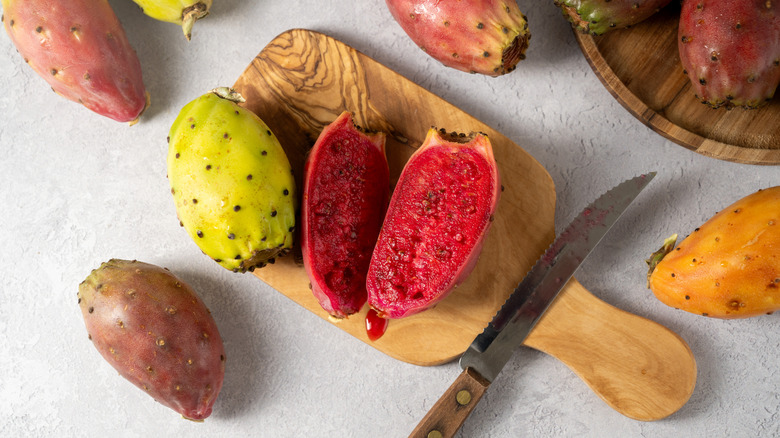
Also known as cactus fruit, prickly pears probably aren't part of your regular grocery shop, but perhaps they should be. This fruit has the highest amount of calcium per serving, with just over 83 milligrams per cup, as well as being high in fiber and antioxidants. Once you learn how to cut a prickly pear, you'll find juicy flesh with a taste often compared to watermelon and kiwi. It's perfect for eating as is, adding to smoothies, or even in savory dishes like marinated fish.
Oranges

Oranges have long been the poster child for vitamin C, but they're also high in calcium, with around 64 milligrams in each one. If you're not the kind to reach for fruit for a snack, oranges can be juiced without losing too much nutritional value, and store-bought juices are often fortified with extra calcium. Prefer savory? This charred citrus salad contains calcium from oranges, grapefruits, and yogurt.
Blackcurrants
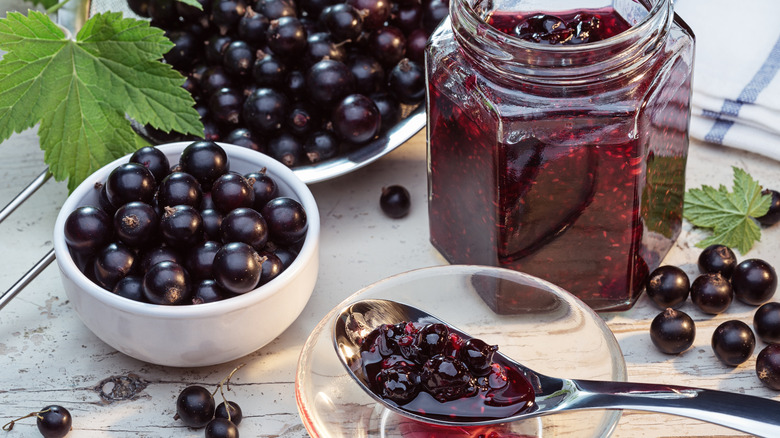
Blackcurrants aren't as common in the U.S. as they are in Europe, but this is your sign to grab them if you happen to come across them. They're commonly preserved as syrups and jams, but the fresh berries work wonderfully in fruit pies and crumbles or to flavor ice cream. They also pack a hefty 61 milligrams of calcium per cup of fresh fruit. Just note that these aren't the same fruit as dried currants, which are made from small seedless grapes.
Dried figs

Dried fruits offer a higher concentration of nutrients compared to the same volume of fresh fruit and are often much easier to get your hands on. Such is the case for dried figs, which contain 60 milligrams of calcium in a quarter-cup serving. When the fresh fruit is in season, you can get the same amount of calcium from four small figs, which coincidentally is just the amount you need for this decadent fig-baked Brie recipe.
Blackberries
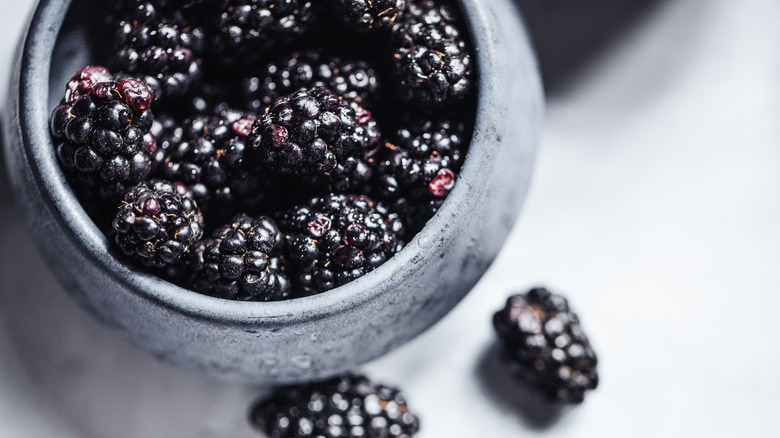
With a bag of frozen blackberries in the freezer, you have a simple and tasty way to up your calcium intake during the week. With nearly 44 milligrams per cup, they rank fairly high in terms of fresh fruit but are even better when combined with dairy. Think blackberry yogurt smoothies for breakfast, blackberry buttermilk pie, or this elevated grilled cheese with blackberries and prosciutto.
Papaya
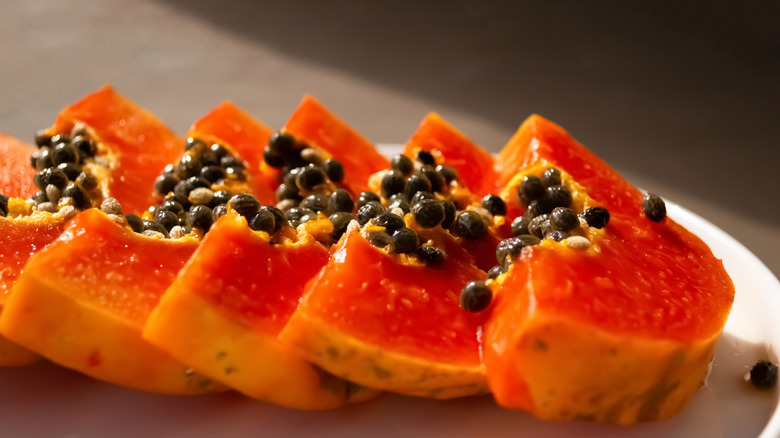
You've most likely come across papaya in two forms: unripe green papaya shredded for salad or juicy ripe papaya that always evokes the taste of the tropics. The good news is that regardless of the type you prefer, you're going to be adding to your calcium intake. Green papaya has 24 milligrams per cup, while the ripe fruit has slightly more at 33 milligrams per cup.
Raisins
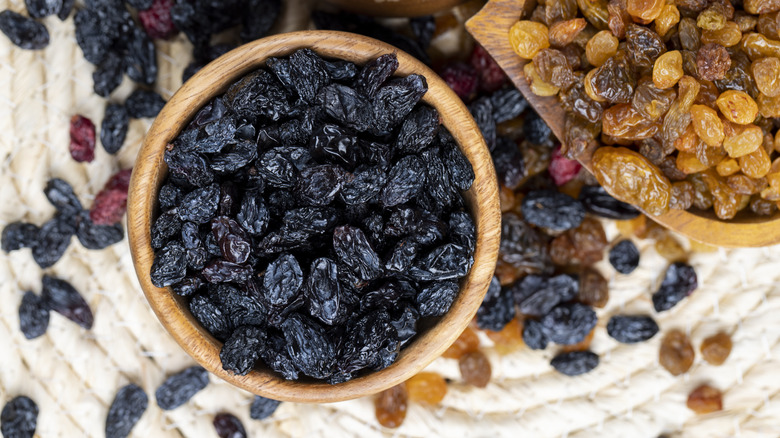
You're never too old to enjoy a box of raisins in your packed lunch, and you can feel justified in your choice by knowing you're getting 25 milligrams of calcium with each packet. Beyond a snack, however, there are plenty of more adult ways to enjoy this dried fruit. In Sicily, you'll find raisins added to pasta dishes, often combined with sardines for an even bigger calcium hit.
Kiwi fruit
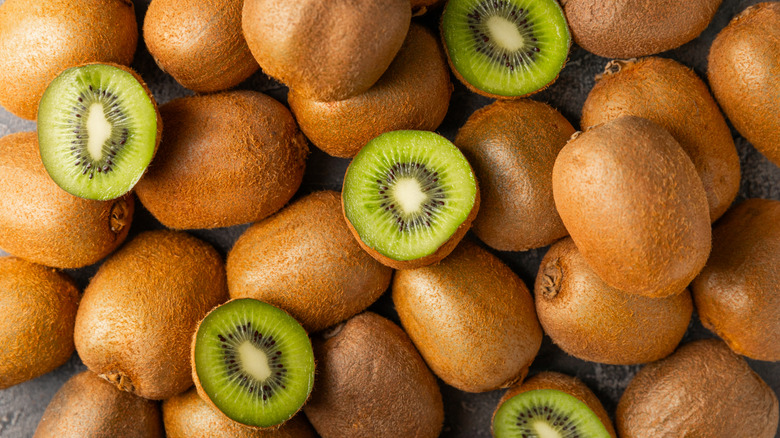
Remember what we said about combining vitamin C with calcium for maximum absorption? Well, kiwis should be your go-to snack for this. Kiwis are one of the foods that contain more vitamin C than oranges, and a single furry fruit will contain 26 milligrams of calcium. It's hard to beat kiwi fruit fresh or as part of a winter fruit salad, but they can also be turned into a refreshing, tangy sorbet.
Apricots
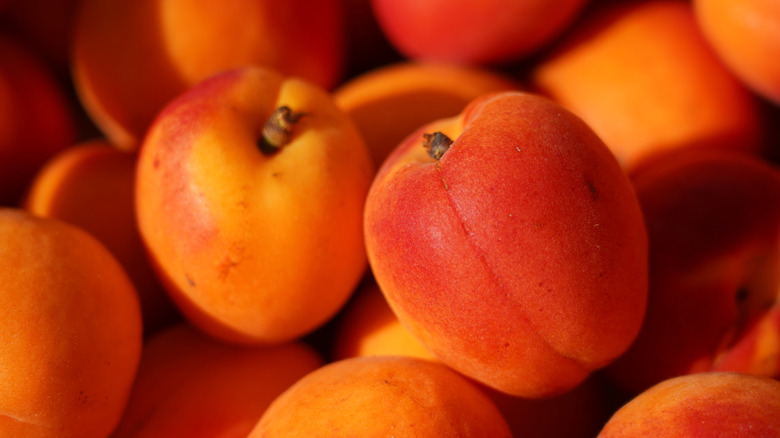
Plump ripe apricots are one of the joys of summer: sweet, a little tart, and very versatile. They pair just as well with savory dishes as they do with sweet, and they are packed with fiber, antioxidants, and around 20 milligrams of calcium per cup of fresh fruit. Off-season, dried apricots are just as versatile and delicious and contain around 18 milligrams of calcium in a quarter-cup serving.
Prunes
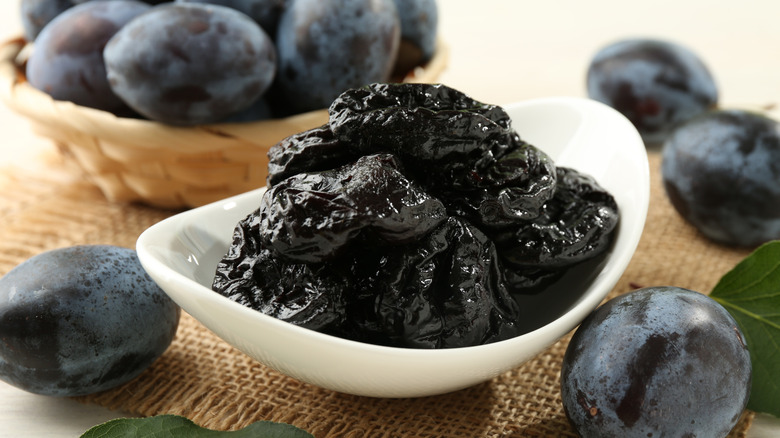
Best known for their ability to keep you regular, prunes have 19 milligrams of calcium per quarter-cup serving, which means you can keep both your bones and your digestion healthy at the same time. Remember, prunes are simply dried plums and can be used as you would other dried fruit. Chicken Marbella is a classic prune dish, but they also work well with Moroccan tagines or in baked goods.