

16 Flavorful Ingredients To Infuse Into Honey
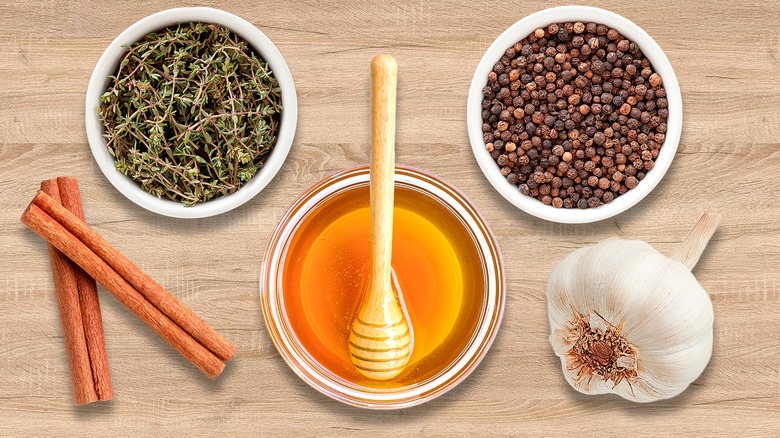
There are two types of honey users in this world: those who use honey in their tea and the occasional recipe that calls for it, and those who use it as their primary sweetener. Honey has a broader reach than just tea, in both a savory and sweet capacity. Use it on fresh and grilled fruit, on ice cream, in baked goods, smoothies, marinades, dressings, sauces, or eat it right off of the spoon, "The Secret Life of Bees" style. As a vegetarian chef and recipe designer, my favorite application for honey is in a vegetable marinade, highlighting sweet, spicy, umami, and acidic flavors, all in one. Honey varieties are expansive, depending on the type of plant the bees are obtaining their pollen from. Some popular options include clover, wildflower, orange blossom, and manuka honey.
Beyond the varieties of pollen the bees are working with, humans have taken matters into their own hands and have been infusing honey with additional flavors. I guess you could call this a cross-species collaborative, multimedia project, and the result is hauntingly delicious. With the endless flavor options and oodles of applications for the sticky-sweet liquid gold, you may just find yourself flexing your culinary muscles and creating something truly unique. If you're new to honey infusion, start with these flavorful ingredients to infuse honey, and get cooking.
Thyme
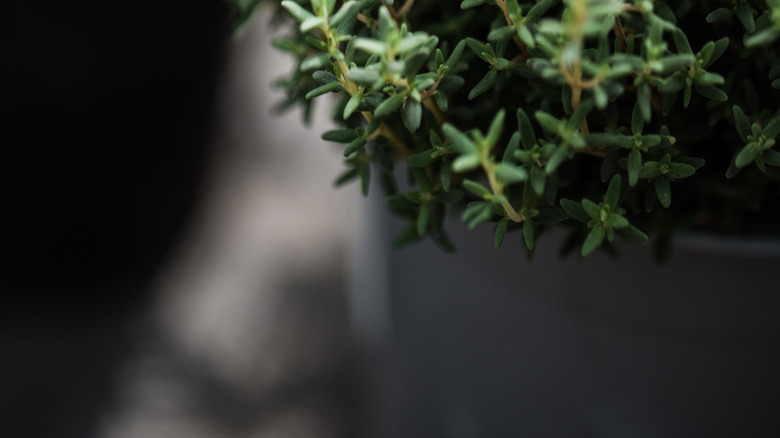
If you're looking to commence your first infusion, consider making the most out of fresh herbs by infusing them into honey. Herby honey infusions are botanical, whimsical, delicate, and work beautifully in a number of capacities. Most of all, they are unique and more difficult to source pre-made. For thyme-infused honey specifically, there are several ways you can go about making it using either dried or fresh herbs. The safest way to do this is by drying them first, which would be my recommended method.
For a long-lasting infused honey, add dried thyme, and use a double boiler to bring it up to a hot temperature, somewhere under 100 F. This will help the thyme to release its flavor into the honey, igniting the infusion process. Let the thyme and honey work their magic for about half an hour before removing them from the heat. At this point, you can strain or remove the herb from the honey, and it will be left with a minty, woody, almost citrus-like flavor. Use thyme-infused honey on your salads, in your marinades, and even in your herbal teas.
Hot peppers
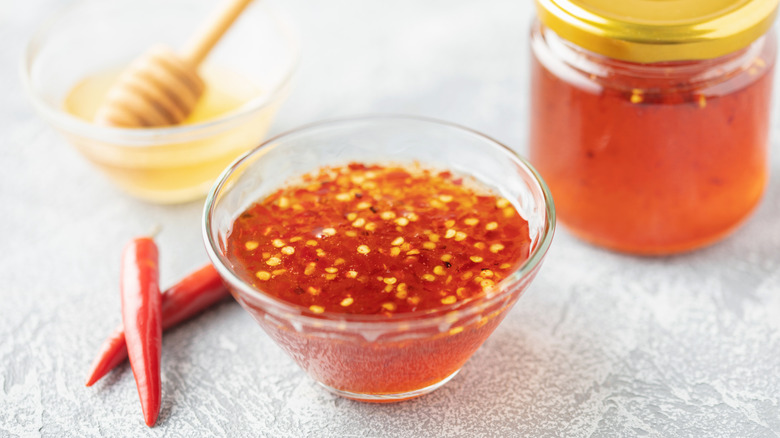
Hot honey has risen in popularity, and for good reason. The duality of flavor — sweet coupled with spicy — creates a complex mouthfeel and expands honey's reach far into the savory world of cuisine. There are endless peppers you could use in your infusion, but my favorites are Fresno, for a mild heat, and habanero or chipotle for a more intense heat. Try a pepper with a smoky or fruity undertone to either highlight the sweetness of the honey or contrast it.
The simplest way to make a hot honey infusion is to sprinkle hot pepper flakes (which you likely already have in your pantry as we speak) right into a jar of honey, stir, and let sit. No straining necessary. This cold infusion takes longer to flavor the honey, but takes very little energy to create. In addition, hot honey is majorly versatile, and can be made into hot honey marinades and dressings, but also can be used in a sweet capacity, like drizzled over baked goods or my personal favorite, ice cream. Go classic and drizzle it over fried chicken; the sticky fingers are worth every bite.
Elderberry
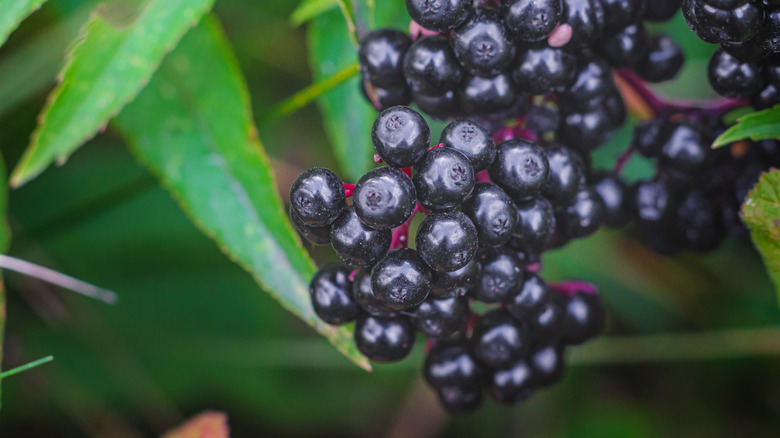
One of my favorite fruity honey infusions is made with elderberry. When it comes to fruit-infused honeys, though, you can't simply mix juice with honey and call it a day. Mixing liquid with honey and letting it sit out could cause spoilage, as bacteria grow. If you're looking for a honey and elderberry syrup, you'll want to use a method other than infusion. So, instead, find a dehydrated or dried version of the fruit you wish to infuse your honey with. This is because elderberries have a distinct tartness to them, bordering on bitter, along with earthy notes that create a variety of flavors when mixed with honey. The elderberry is strong enough to stand out against the mellow, sweet honey, and the two highlight each other's features.
I would recommend a hot infusion of elderberry, and you're welcome to either strain or not strain those dark berries from the honey. Elderberry honey is most classically used in tea, especially when you're feeling under the weather or during flu season, as elderberry may help with immune support. However, I recommend using it to drizzle on a gamey poultry dish, alongside roasted prunes and garlic.
Orange rosemary
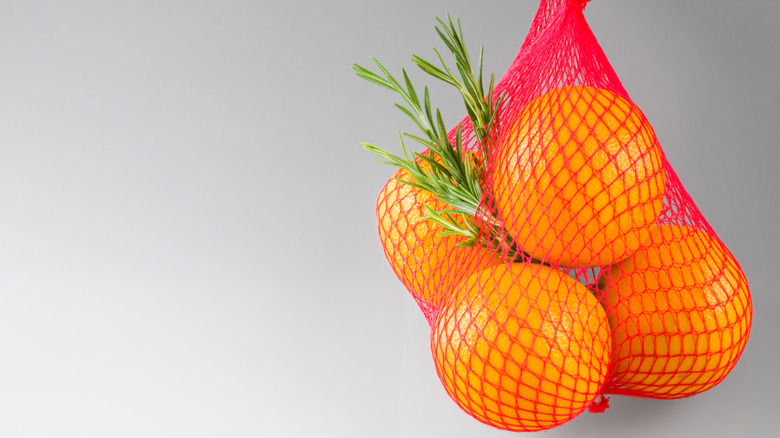
Both orange honey and rosemary honey are absolute hits in the infusion department, but why not make a magical combination? Rosemary and orange can be found together in both drinks, baked goods, and savory dishes because they are explosive as a duo. The piney, earthy rosemary balances the sweet citrus of the orange. Add honey to the mix, and you're looking at a complex and tantalizing trio.
Orange rosemary-infused honey can be used in endless capacities, but my favorite application is to drizzle it over grilled fruit. In addition, this daring combination should be used in white meat marinades, salad dressings, and drizzled over dense, moist baked goods in both the vanilla and chocolate departments. There are many types of honey out there, but I like to infuse rosemary and orange in a wildflower honey, as it's mellow and won't compete with the powerful flavors. Alternatively, choose orange blossom honey for obvious reasons.
Banana
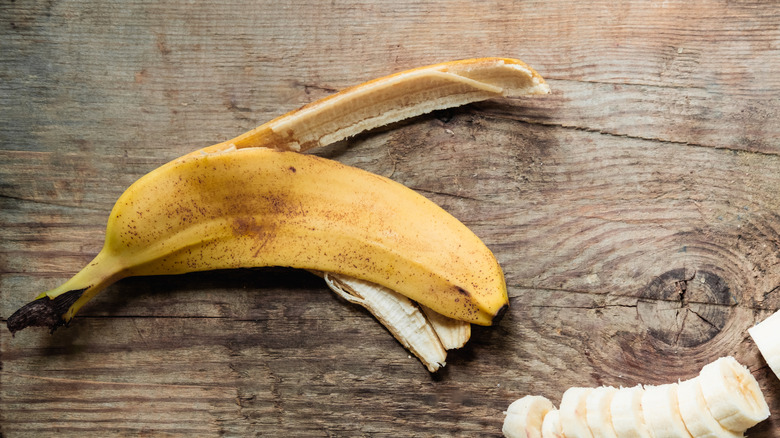
I am a huge fan of using banana peels in my cooking; I've tried vegan pulled pork, vegan bacon, and smoothies using banana peel, and now banana peel honey. It's simple, really, just cut the peels into long strips, submerge them in honey, and keep them in the jar in your refrigerator for about a week. Remove the peels and enjoy banana peel-infused honey. Just be sure to keep that honey refrigerated, as new bacteria have been introduced, and it might begin to ferment if it sits out at room temperature.
Classically, you can use banana-infused honey for your banana pancakes, banana bread, or banana muffins. However, you should consider drizzling it into your iced latte for a combination that might sound out-of-left-field, but is quite intriguing (coming from someone who doesn't love flavored coffee). The natural sweetness of the banana is simply enhanced by the honey, leaving behind a very pleasing flavor, almost like a sippable banana bread.
Lavender

Lavender and honey are already well-acquainted friends, starring together in drinks and desserts all over the world. This whimsical purple plant is known for its calming properties, which is why it's often found in nighttime and relaxation-gear teas and scents. Although you might be familiar with the floral scent, the flavor has surprising citrus and mint undertones.
Buena Vista and Folgate are lavender varieties that are best known for culinary purposes. They have a softer, sweeter flavor that's less aggressive than some of the other varieties. Use lavender honey for (you guessed it) nighttime tea, or choose a more original capacity. I like to drizzle lavender honey over my delicate baked goods, but it also works well as a glaze for vegetables and meats in a more savory capacity. This infusion is classic, but can certainly be used in unique ways to elevate your next recipe.
Earl Grey

Tea is the ultimate ingredient to use for infusions because its main purpose is to infuse water. While a cold infusion is possible but takes much longer, I recommend a hot infusion, because as we know, tea steeps best when introduced into a hot liquid. Earl Grey is my favorite tea to use in baking, especially when the resulting delicacy is Earl Grey cookies or Earl Grey scones. This particular tea has a complex flavor, very floral, with an undertone of citrus, along with a mild peppery spice.
Infuse this tea into honey, and you'll find the result to be not only familiar and comforting but an absolute must-add to any delicately flavored baked good. I would highly recommend drizzling it over, or including it in a drizzle for lemon or citrus-based cakes, cookies, scones, or breads. The mild citrus notes of the tea, an obvious pairing of lemon and honey, make for a desirable and well-balanced combination.
Espresso

Maple syrup is the classic smoky sweetener that can elevate both sweet and savory dishes. However, just because maple syrup is the leading lady in the smoky-sweet department, doesn't mean honey can't make a guest appearance. For a smoky, rich, deep flavor, infuse your honey with espresso. The easiest way to infuse honey with espresso is simply by mixing in some espresso powder. Heat it for a faster infusion, or take your time, stirring it and letting it infuse at room temperature.
While your mind might go right to using espresso-infused honey in a steak marinade, which I would highly recommend, you should also consider the wonders this smoky infusion would have on your chocolate-based baked goods. Alternatively, use on almost any brunch food: pancakes, waffles, bacon ... the options are endless. Please keep in mind that espresso-infused honey does contain some caffeine and might keep you awake if consumed late into the day or at night.
Sassafras

I grew up in Vermont and distinctly remember the first time I scraped the bark of a sassafras tree. I was young, the smell was mouthwatering, and all I could think was, "Oh my goodness, I found a root beer tree!" Sassafras has a unique flavor of spicy licorice-like notes with undertones of vanilla. The bark from the root can be bought dried and used for tea, or such infusions can be made with honey. However, it's important to steer clear of sassafras root oil, which contains safrole, which is potentially carcinogenic. Look for "safrole-free" on the label before purchasing roots.
Soak the roots in honey, stir every few days, and remove (or don't) once the flavor reaches your desired potency. Sassafras-infused honey is my go-to for tea and other beverages, as it essentially tastes like a more sophisticated version of root beer. Use it in your homemade sticky-sweet barbecue sauce for some serious depth and sweetness.
Ginger lemon

Why mess with a good thing? Classically, ginger root, lemon, and honey are the famous trio adorning your hot cup of water each time your nose gets a little runny, or the weather starts to turn. Almost every time I make a cup of green tea or a hot cold-remedy drink, I find myself gathering ingredients from far and wide. Wouldn't it be more convenient to just have this trio infused together, ready at your fingertips? You know the drill: Use dried lemon peel and dried ginger root to infuse your honey. Meyer lemon peels will give you an enhanced lemon flavor that's very pleasing.
I like to use orange blossom honey for the infusion, as it has existing citrus undertones that pair beautifully with lemon and ginger. You should use this combination in your tea, but it's also important to think outside of the box. I like to mix it with extra virgin olive oil to create a dressing for my fruit salads. You could also consider using it on a leafy green salad or pairing it with cucumber or watermelon. Ginger and lemon-infused honey can also make a welcome appearance in curries or stir-fries, coupled with freshly minced garlic.
Bourbon barrel-aged
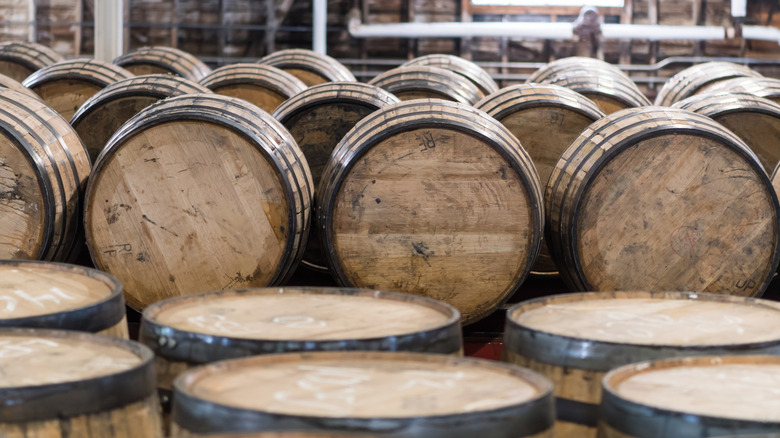
While some of these flavorful ingredients to infuse honey use a pretty straightforward formula, bourbon barrel-aged honey requires some specific tools. That's right, the best way to infuse a bourbon barrel into your honey is to let it rest in one. This works best if you're making a large quantity of bourbon barrel-aged honey, as the barrels themselves tend to be rather large. Age raw honey for three to six months to let the flavor properly infuse the honey, and strain it to ensure there are no bits of wood. For a smaller batch, consider buying part of a bourbon barrel, which can be found in the form of smoking chips that you might alternatively use for grilling.
So, what can you do with bourbon barrel honey? Drizzle some into a bourbon cocktail, or even your morning cup of joe, enjoy over baked goods, or mix into your marinade or barbecue sauce. I like bourbon barrel-aged honey mixed with butter on my breakfast sweets, like pancakes and waffles, but it can also enhance your savory foods dramatically. To make the buttery version, simply heat a high-fat butter, add your honey, and just a small splash of bourbon. Mix thoroughly, place into a butter mold (or even muffin tins), and let it harden in the chill of your refrigerator before using. Just a small amount of barrel-aged bourbon will do, as you're aiming for the essence of flavor.
Cinnamon

Is there anything better than cinnamon on a crisp fall day? Cinnamon toast, tea, waffles, even just the smell of cinnamon, is warming. For a simple infusion, try making your own cinnamon-infused honey. Grab yourself a few cinnamon sticks, place them in your honey jar, and let time take care of the rest. Stir them around every now and again to distribute the flavor. Instead of using a whole cinnamon stick, you could also simply sprinkle the powdered spice into your honey, which is less of an infusion but has a similar outcome.
You can use cinnamon-infused honey in just about any sweet capacity. That's the beauty of cinnamon. It goes with chocolate, vanilla, and fruit. In addition, cinnamon honey can be used in a marinade for particularly gamey, red meats. Because cinnamon is a strong flavor, you don't want to overpower a delicate fish or mild chicken dish.
Black pepper
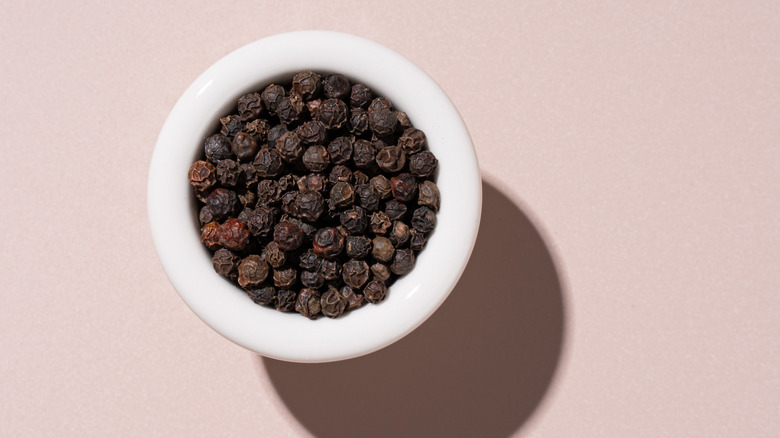
Black pepper is overused and underused, in my humble opinion. It's one of the most popular spices and has even found its way to the dining room table, but is used in a fairly narrow capacity in most households. There are many different types of pepper, and we know black pepper is spicy, but did you also detect those fruity, citrus-like undertones? I am all for balancing flavors with opposites when it comes to cooking, and have noticed that using pepper in my sweet foods has presented beautifully, in most capacities.
Use whole peppercorns to infuse black pepper into your honey, remove them, and enjoy a subtly spicy but ultimately enhanced version of the mellow sweet syrup you started with. Use it in vegetable and meat marinades, but also in your desserts. Drizzle it over chocolate or vanilla ice cream, stir it into your tea, or mix it into a frosting for your lemon cookies.
Garlic

Garlic is the cornerstone to just about any savory dish, and I'm not just saying that because of my Italian roots. The recipe calls for one clove? How about one head? Garlic honey is the ultimate combination of spicy, savory, and sticky-sweet. The two make appearances together all over the globe, from stir-fries to curries, fermented garlic honey condiments, and medicinal drinks to marinades. Use dried or dehydrated garlic to infuse your honey. Consider using black garlic for the infusion, which has molasses undertones and a subtle umami flavor.
Garlic honey can be drizzled over leafy greens or used to glaze chicken or vegetables. The beauty of it is that the flavor combination offers enough variety that it is a full sauce within itself, no other ingredients necessary. My favorite way to use it is very lightly drizzled over vegetables or poultry, along with a sprinkle of salt. There's nothing better than garlic, but honey is a close second. Why not combine them for the ultimate infusion?
Spicy mango

Hot honey is popular, but why stop there? Hot peppers are technically classified as fruits, so it's no wonder they pair so beautifully with other fruits. Mango is an exceptionally honey-like fruit, with tropical, tangy undertones. This stone fruit is the perfect candidate for infusion, as dried mango is easily accessible. Pair with dried jalapeño peppers for the ultimate pleasing contrast that will take your infusion to a whole new level.
Jalapeños, which are also accessible, are the perfect candidate to pair with mango because they are slightly sweet, earthy, grassy, and have a slight tanginess that balances the ultra-sweet fruit. Consider adding just a hint of jalapeño and quite a bit of dried mango. As you know, jalapeño is ultimately much stronger than the subtle sweetness of mango, and you don't want the honey or mango to get lost along the way. Alternatively, you could use habanero peppers, which are fruity and smoky, and balance nicely with the tropical fruit and sweet sticky honey. Try this in a marinade, mixed drink, or fruit.
Rooibos

If you've not dabbled in the world of rooibos tea, then you are missing out. This unique South African tea is often described as having notes of honey, which makes it the perfect candidate for a honey infusion. It's smooth, earthy, slightly nutty, and carries a hint of vanilla. Its coloring is warm, and it's naturally caffeine-free. You know the drill with a tea infusion: Simply steep, optimally heat, strain, and enjoy.
Because rooibos is a delicate tea, it makes the perfect topping for delicate pastries. A simple, flaky, buttery scone is the perfect vehicle for flavor, for a subtle and sweet drizzle like rooibos-infused honey. Use it in tea, whisk it into vanilla frosting, use it to sweeten citrus baked goods, or use it to candy pistachios. If your ice cream isn't sweet enough, use rooibos-infused honey as a topping, giving it an extra punch of subtle, sweet, dreamy flavor.