

Simple Sigeumchi Namul (Korean Sesame Spinach) Recipe
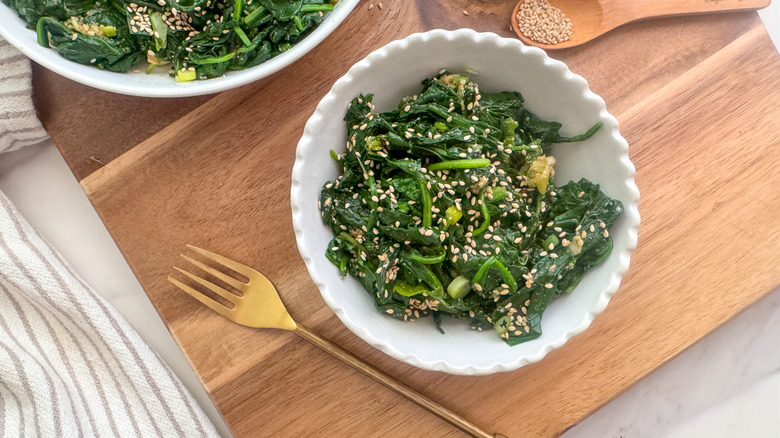
Side dishes are a big part of Korean culinary culture, as most meals involve filling the table with little plates called banchan. What makes it fun is that all the different dishes result in a mix of flavors ranging from spicy to sweet, salty, and tangy, as well as a mix of crunchy and tender textures. Kimchi, a fermented condiment usually made from cabbage, is an ever-present element, but you'll also see a variety of namul, or seasoned vegetable dishes.
Sigeumchi namul, made with tender spinach and sesame seeds, is one of my favorites. The secret to keeping the fresh spinach bright and vibrant green is to quickly blanch it and then plunge it right into an ice bath. We grind some of the sesame seeds to make the sauce, a process that releases the oil and adds some thickness to better coat the spinach with the nutty flavor.
I love the simplicity of this dish, which can be made in under 30 minutes. It's a versatile dish that can be eaten a million ways, but perhaps my favorite is simply to combine it with steamed rice and seared tofu when I want a veggie-forward meal that is both delicious and satisfying.
Gather the ingredients for simple sigeumchi namul (Korean Sesame Spinach)
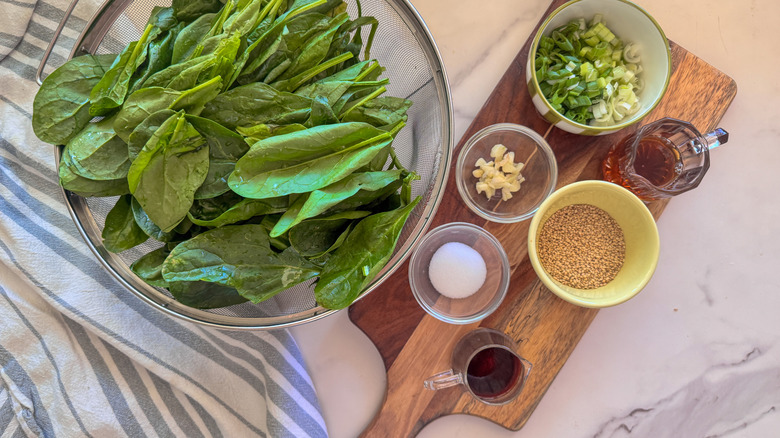
To make this recipe, I'm using fresh bunches of spinach instead of baby spinach because the leaves are bigger and sturdier, and they remain heartier after the blanch cooking, ice bath, and squeeze. Baby spinach leaves are thin and once cooked they aren't a good match for the thick sauce. I don't recommend frozen spinach because it has already been cooked and chopped, so you lose the fresh taste. Garlic and scallions are two essentials for Korean cooking, and both add a strong punch to the sauce. Fresh garlic cloves are important here for their intense flavor and impact on this simple dish. The sesame flavor is used in 2 ways in this recipe with toasted sesame oil, and sesame seeds used ground and whole. Then you'll need soy sauce and kosher salt.
Step 1: Bring water to boil
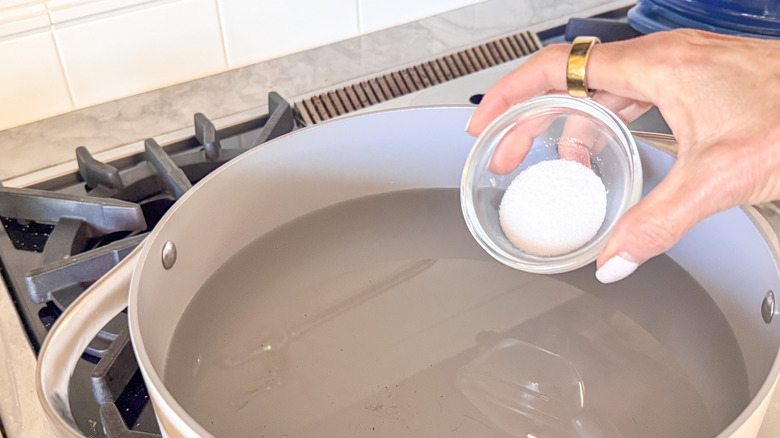
Bring a pot of water and 1 tablespoon of salt to a boil.
Step 2: Grind the sesame seeds
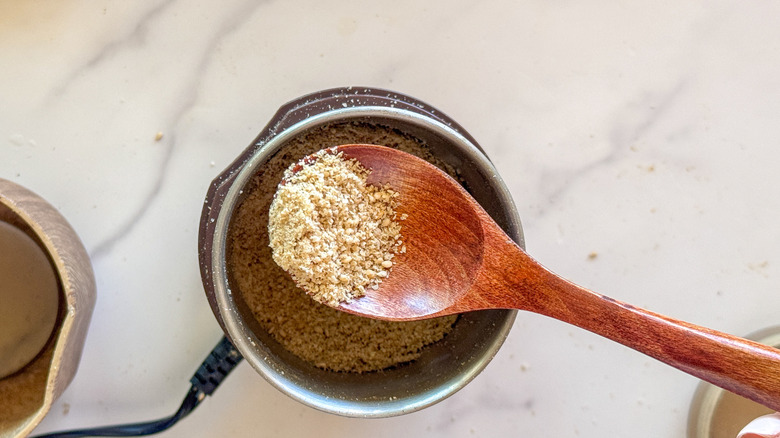
Pulse 2 tablespoons of sesame seeds in a spice grinder in short bursts until coarse and sandy, stopping before they turn into a paste.
Step 3: Fill a bowl with ice water
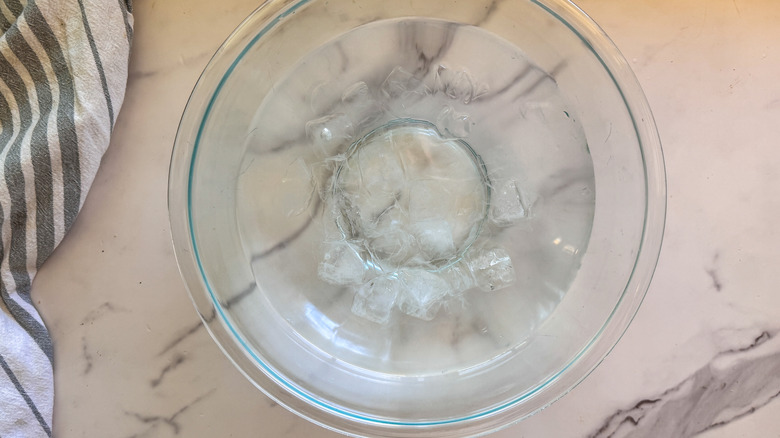
Fill a large bowl with ice water and set it aside.
Step 4: Add spinach to boiling water
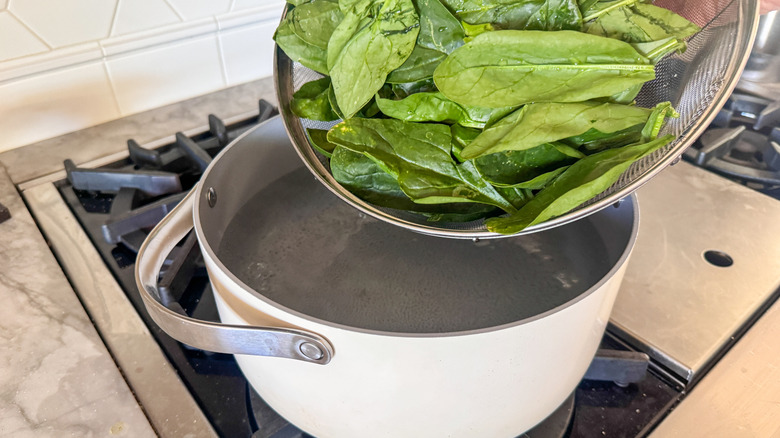
Add the spinach to the boiling water, pushing it under, and cook for 30 to 45 seconds, just until the leaves wilt and turn bright green.
Step 5: Add spinach to the ice bath
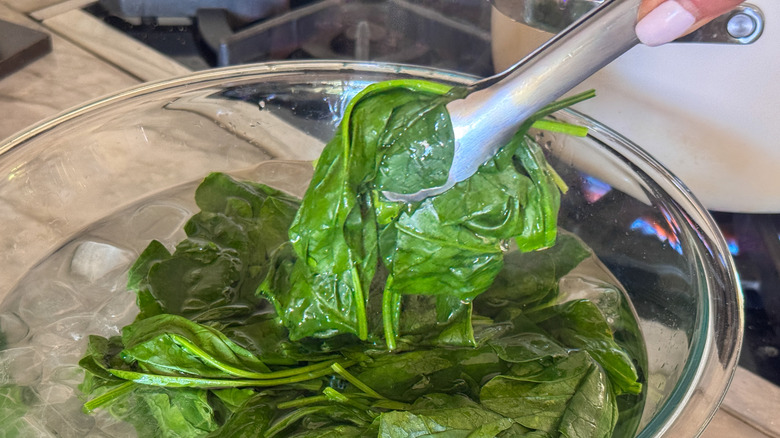
Use tongs to move the spinach right away into the ice water, swirling until cold.
Step 6: Drain the spinach
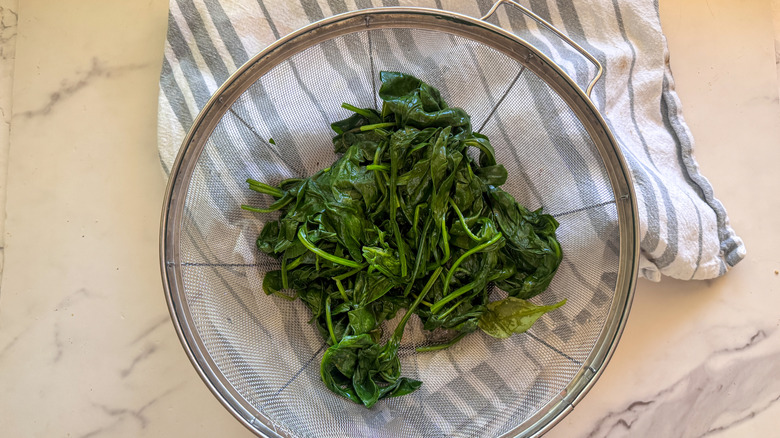
Drain the spinach in a colander.
Step 7: Squeeze the spinach dry
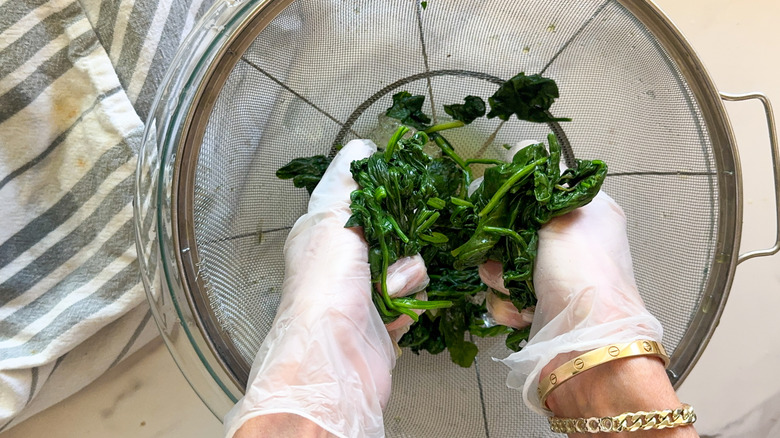
Squeeze the spinach firmly by handfuls until no more water drips out.
Step 8: Cut the spinach
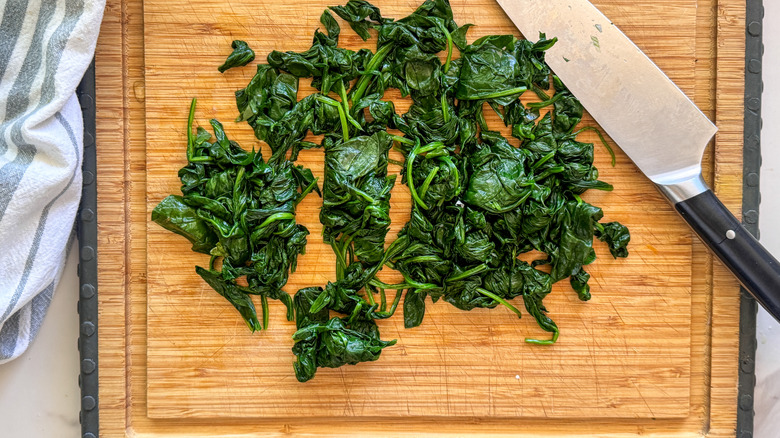
Cut the spinach into 2-inch lengths and loosen the clumps with your fingers.
Step 9: Make the sauce
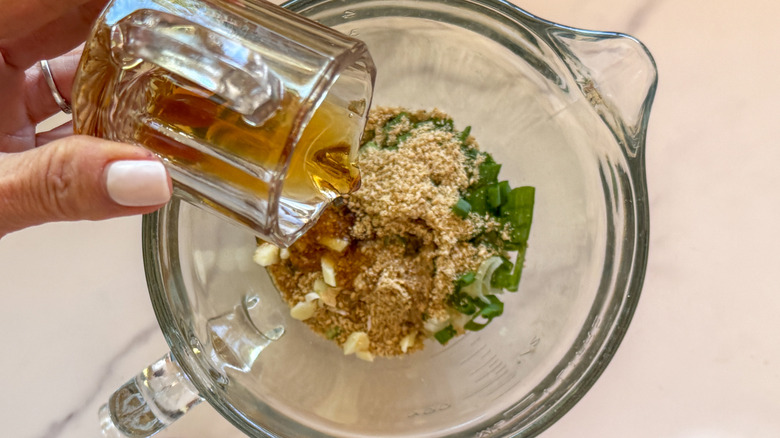
Stir the ground sesame seeds, garlic, soy sauce, sesame oil, scallions, and remaining salt together in a small bowl.
Step 10: Add sauce to the spinach
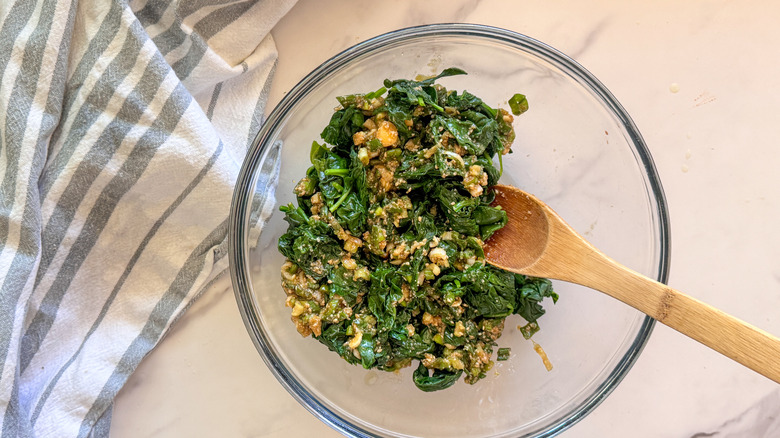
Add the sauce to the spinach and toss until evenly coated.
Step 11: Add the sesame seeds and serve
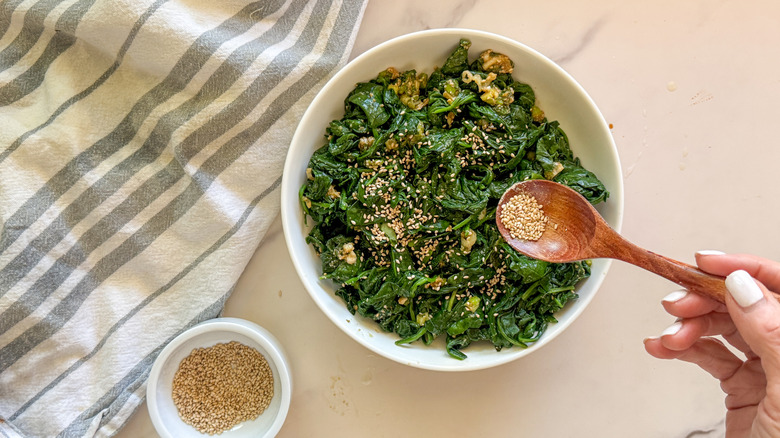
Transfer to a serving dish and sprinkle with the remaining sesame seeds before serving.
What can I serve with Korean sesame spinach?
Simple Sigeumchi Namul (Korean Sesame Spinach) Recipe
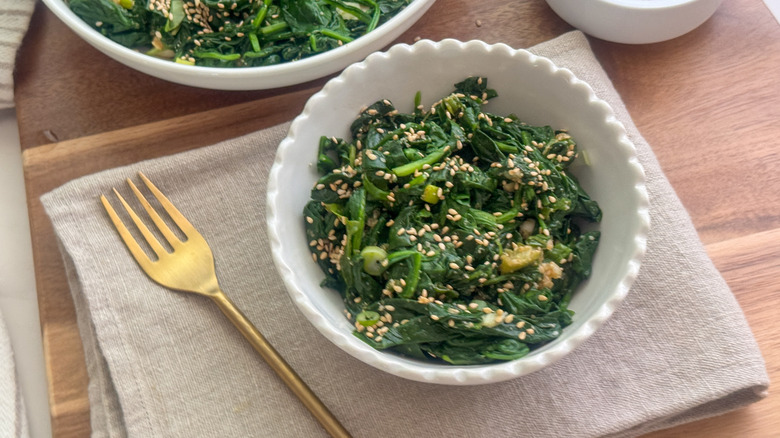
For this versatile side dish, fresh, tender spinach is coated in a simple sauce of sesame seeds and sesame oil in our 15-minute Korean Sigeumchi namul recipe.
Ingredients
- 1 tablespoon + 1 teaspoon kosher salt
- 3 tablespoons white toasted sesame seeds, divided
- 2 bunches fresh spinach, root ends trimmed and washed well
- 2 garlic cloves, minced
- 1 tablespoon soy sauce
- 1 tablespoon toasted sesame oil
- 2 scallions, thinly sliced
Directions
- Bring a pot of water and 1 tablespoon of salt to a boil.
- Pulse 2 tablespoons of sesame seeds in a spice grinder in short bursts until coarse and sandy, stopping before they turn into a paste.
- Fill a large bowl with ice water and set it aside.
- Add the spinach to the boiling water, pushing it under, and cook for 30 to 45 seconds, just until the leaves wilt and turn bright green.
- Use tongs to move the spinach right away into the ice water, swirling until cold.
- Drain the spinach in a colander.
- Squeeze the spinach firmly by handfuls until no more water drips out.
- Cut the spinach into 2-inch lengths and loosen the clumps with your fingers.
- Stir the ground sesame seeds, garlic, soy sauce, sesame oil, scallions, and remaining salt together in a small bowl.
- Add the sauce to the spinach and toss until evenly coated.
- Transfer to a serving dish and sprinkle with the remaining sesame seeds before serving.
Nutrition
| Calories per Serving | 115 |
| Total Fat | 7.5 g |
| Saturated Fat | 1.1 g |
| Trans Fat | 0.0 g |
| Cholesterol | 0.0 mg |
| Total Carbohydrates | 9.0 g |
| Dietary Fiber | 4.8 g |
| Total Sugars | 0.9 g |
| Sodium | 449.2 mg |
| Protein | 6.6 g |

How else can I use this Korean sesame spinach?
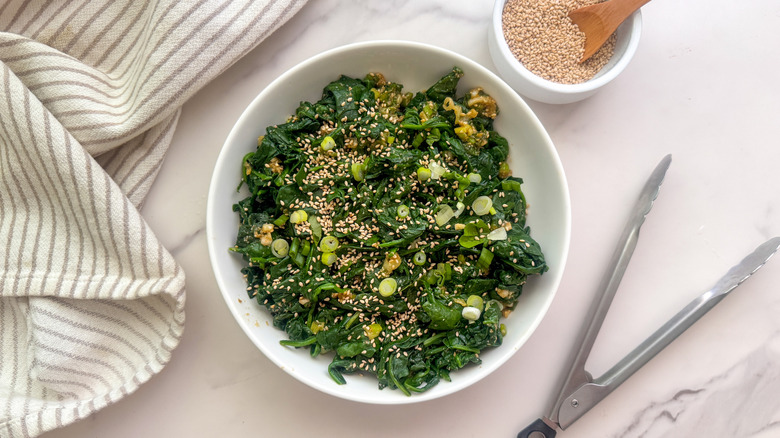
Sigeumchi namul is a versatile dish that can be eaten alone or blended into other meals. It works great in a bibimbap bowl with other seasoned vegetables, rice, and kimchi. You can make kimbap with it by rolling it into nori sheets with rice, pickled vegetables, and marinated tofu. Toss it into a bowl with warm soba or udon noodles mixed with a little extra soy sauce and sesame oil. Make an easy grain bowl with it by pairing it with brown rice, shelled edamame, seared tofu, and fresh avocado or quinoa, sauteed mushrooms, fried tempeh, kimchi, and shredded carrots. Add a few spoonfuls to a bowl of miso soup or warmed vegetable broth.
The spinach can also be used as a mandu dumpling filler. Chop it finely and mix it with minced and sauteed mushrooms, glass noodles, and crumbled tofu. The spinach makes a great addition to breakfast dishes also. Try it in a vegetable omelet or a tofu scramble with chopped zucchini, onions, bell peppers, and mushrooms.
What's the difference between Korean sesame spinach and Japanese gomaae?
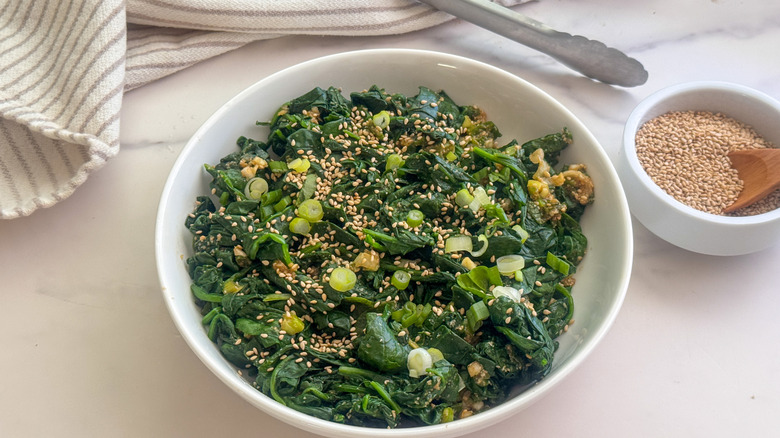
Even though both Korean sesame spinach and Japanese gomaae call for spinach as the main ingredient, there are some distinct differences between the two dishes. The main ingredient in gomaae is sesame, and the dish is aptly named, as goma translates to sesame and ae means dressed. In both recipes, sesame seeds are ground to make a thick paste for the dressing, but for gomaae, sugar is always added, and some versions also call for dashi, which is made with bonito fish flakes. As a result of the sweetening used in gomaae, the biggest difference between the two dishes is that sigeumchi namul leans more savory. The texture of the finished gomaae has a thicker coating than sigeumchi, which features a much lighter dressing that glosses over the spinach.
The presentation of the two dishes is another difference. Gomaae is typically served in precisely formed bundles that are sliced when the dish is served. Sigeumchi namul is scooped up loosely and served in piles on a plate. Both are delicious side dishes that can be eaten alongside a variety of entrees.