

15 Fiber-Rich Canned Vegetables To Stock In Your Pantry
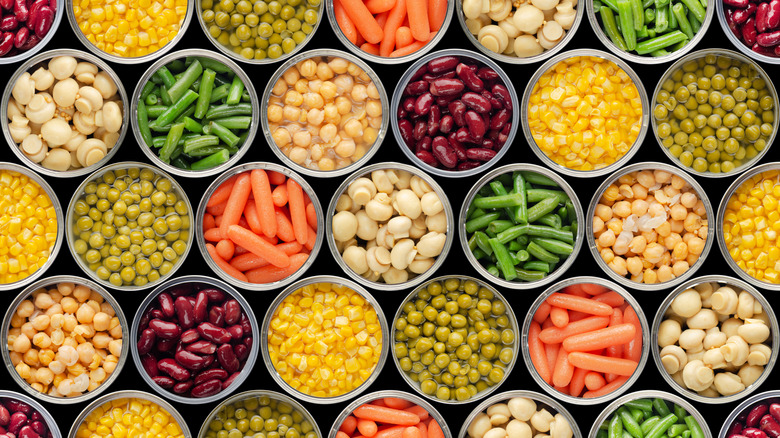
Fibermaxxing sounds a little ridiculous, but this health-focused trend isn't actually a bad idea. The vast majority of people in the U.S. don't get enough fiber (we're talking over 90% of adults, according to the Department of Health and Human Services). It's a good thing there are a lot of easy ways to increase your fiber intake — including adding some of these fiber-rich canned vegetables to your pantry.
Fiber supports good bacteria in your gut, balances blood sugar levels, lowers cholesterol, and helps you avoid constipation. Fresh fruits and vegetables — as well as whole grains and flax or chia seeds — are often going to be your best bet when it comes to upping your fiber intake. But canned veggies are shelf-stable and relatively affordable, so you can increase your fiber even if you're overdue for a grocery run. Just be careful not to add too much fiber to your diet too quickly to avoid bloating or constipation.
The FDA defines "high fiber" as foods that provide over 20% of the daily value of fiber in a single serving. The recommended daily value is 28 grams, putting the high-fiber threshold at 5.6 grams per serving. When it comes to canned veggies, high fiber means beans. But don't sleep on the vegetables clocking in between 3 and 5 grams of fiber per serving, as they cover a wide range of canned options that are ready to add flavor and texture to your next meal with minimal prep. We scoured the (virtual) grocery store shelves to find a variety of fiber-rich canned vegetables to help give you a nutritional boost.
Carrots
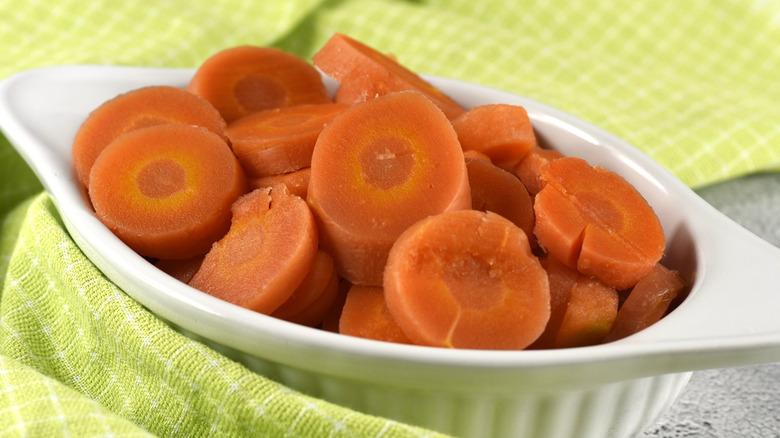
Canned carrots are an easy way to add sweetness – plus 3 grams of fiber – to whatever you've got on the menu. And you don't have to worry about long roasting or steaming times. Drain and rinse the carrots, and then add them to a casserole. Or, as one Reddit user recommends, blend them with coconut milk and spices for a curried carrot soup.
Black-Eyed Peas
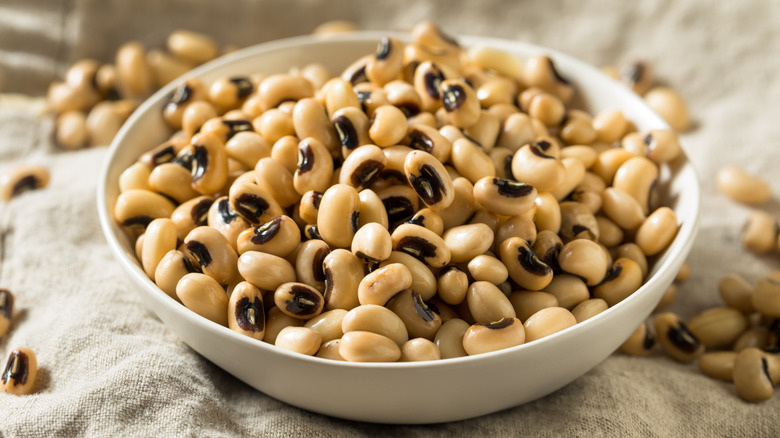
Yes, you can have Southern-style black-eyed peas without first soaking them for a day. Simply grab a can, add it to a pot of aromatics sizzling in bacon drippings, and simmer it all together with a bit of broth. And just like that, you have a delicious and quick side dish with the bonus of the peas' 3 to 4 grams of fiber per serving.
Mushrooms
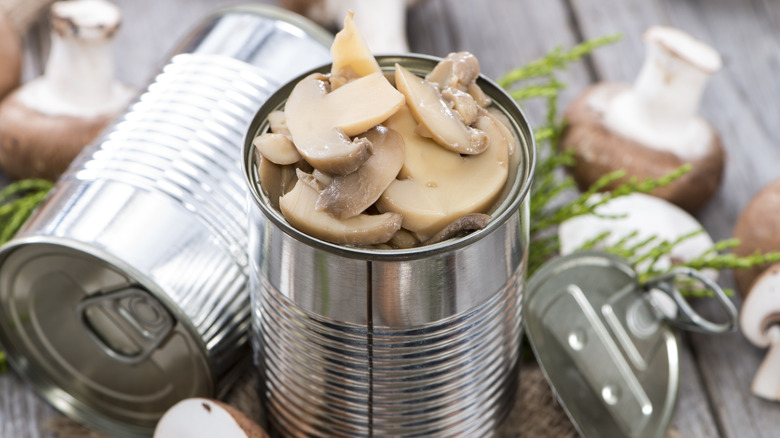
Looking for a savory, meaty way to add more fiber to your diet? Grab a can of mushrooms, which have 3 grams of fiber per serving. Mushrooms are a great way to bulk up ground beef without sacrificing on flavor. The canned variety will also last way longer than any fresh mushrooms lingering in your fridge.
Lentils
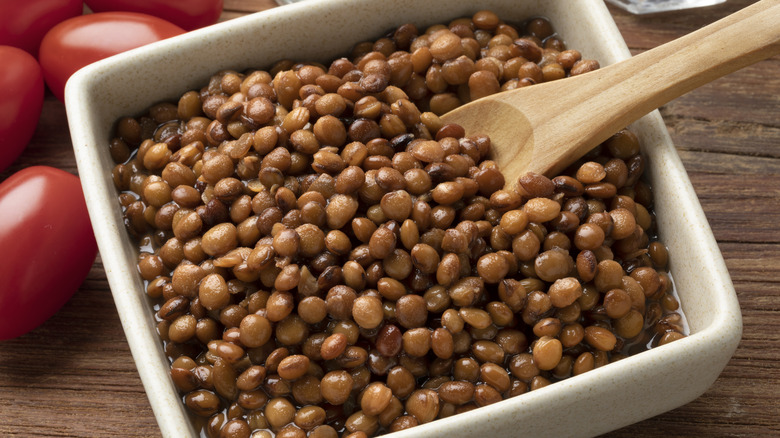
A serving of canned lentils comes with 3 grams of fiber, as well as 6 grams of protein, making it a tinned veggie you should definitely have on hand. Stir it into soups and curries, toss it into grain bowls, or fold it into meatballs or burger patties. These legumes add hearty bulk — and the canned variety does it all in no time.
Pumpkin
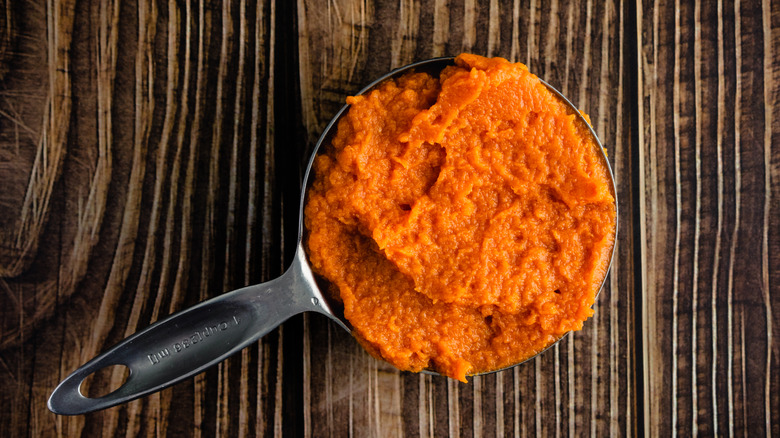
There's a lot you can do with canned pumpkin beyond filling a pie. Canned pumpkin has 3 grams of fiber per serving, as well as your complete daily value of vitamin A — hello, beta carotene. Layer it into lasagna, stir it into a salad dressing, or serve canned pumpkin as a healthy side to a hearty roast.
Pigeon Peas
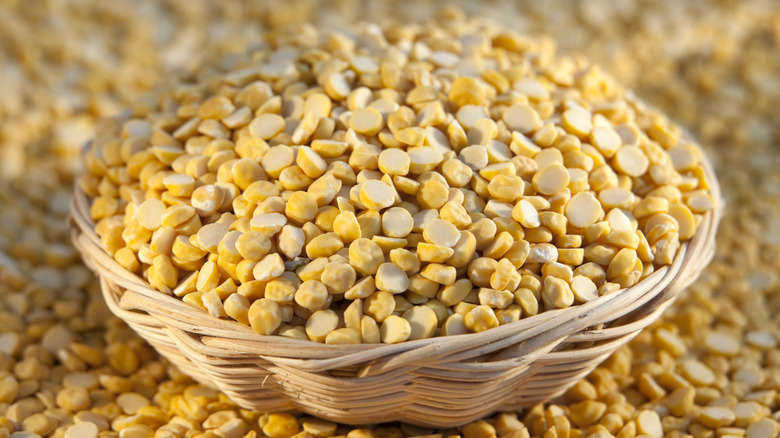
If you check out your grocery store's international aisle and spot a can of pigeon peas, grab it. These legumes (which are also sold dried as toor dal) aren't peas or lentils, but something all their own. Canned pigeon peas have 4 to 5 grams of fiber and 5 grams of protein per serving, and they're a star ingredient in many Caribbean and African recipes.
Artichoke Hearts
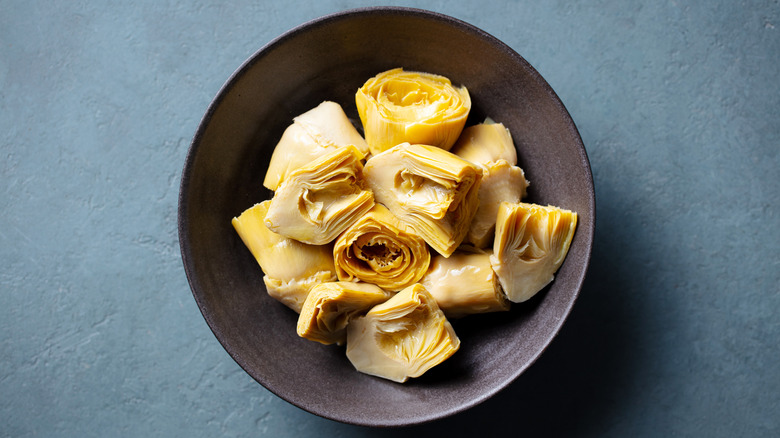
There are so many different ways to use canned artichoke hearts. Chop them up and add them to salads or bruschetta. Drain, dry, and bread them, and then toss them in the deep fryer for a crispy appetizer. And don't forget canned artichokes' true calling as spinach and artichoke dip. These thistle buds flaunt 4 to 5 grams of fiber (or more!) per serving, plus a bright and briny flavor that is unmatched.
Peas
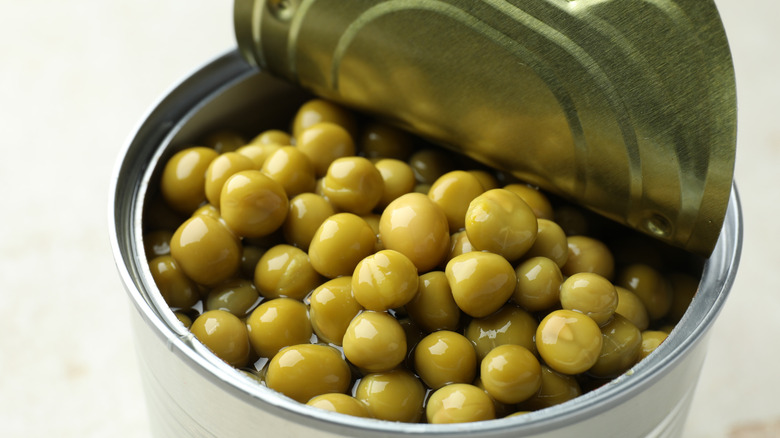
Frozen peas are the ultimate ice pack, but their canned brethren are worth keeping around, too. Canned peas have 4 or more grams of fiber per serving. Tossing them into soups or a bowl of pasta is an easy way to increase your veggie intake while also keeping yourself full and regular.
Butternut Squash
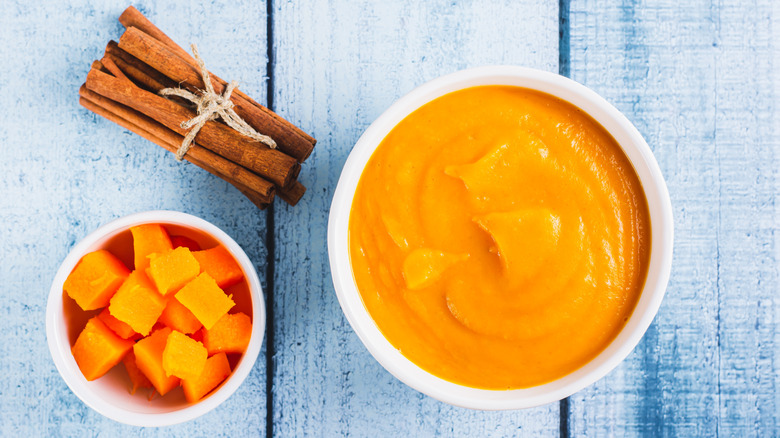
Butternut squash can contain as much as 6.6 grams of fiber. Even the canned variety goes a long way in helping you feel satiated with 4 grams of fiber per ½-cup serving. It's a great base for homemade, fall-coded pizza, and can also be used for savory soups or to sweeten hearty chili.
Spinach
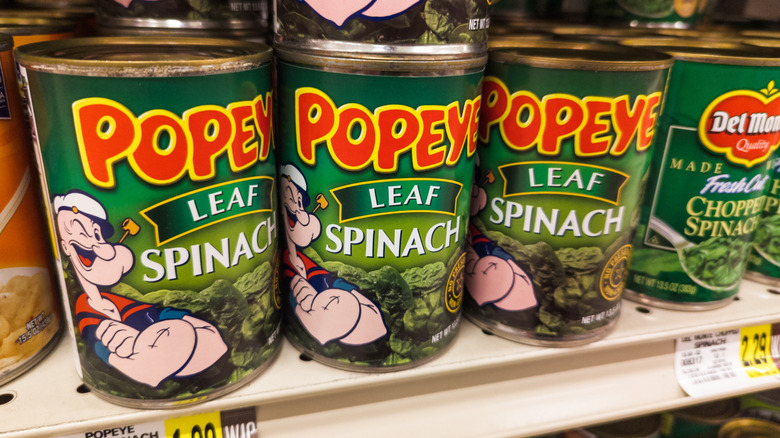
Popeye had it right. Spinach is a nutritional powerhouse, and that goes for the canned variety, too. Canned spinach has 4 to 5 grams of fiber per serving. Swirling it into pasta sauce or adding to soup alongside whole-grain noodles is a great way to get your veggies and support your gut health.
Black Beans
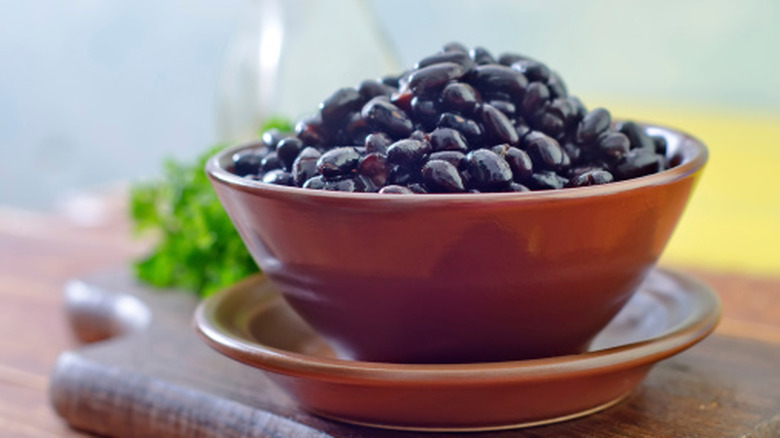
What's not to love about a can of black beans? They're cheap, versatile, and have anywhere between 4 and 9 grams of fiber in addition to 7 grams of protein per serving. Plus, there are so many recipes that highlight canned black beans, from hearty black bean burgers to a crunchy taco salad. You'll rarely ever need meat when you have these stocked up.
Butter Beans
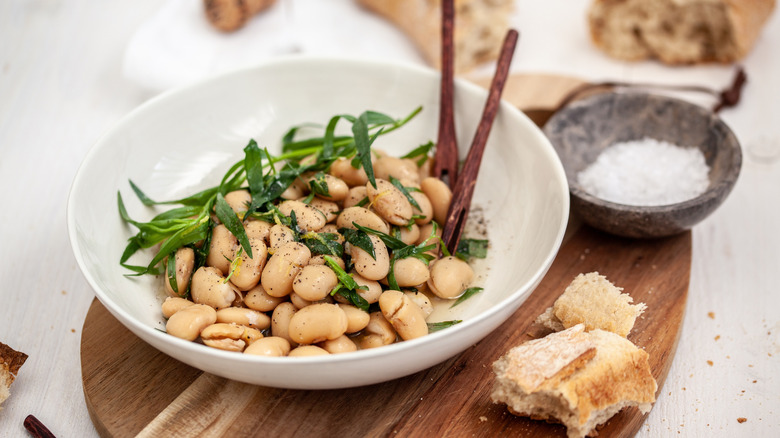
Big, creamy butter beans are a pantry meal staple. You can dress them up with a zippy vinaigrette as the perfect cocktail hour snack, bake them with tomato sauce and cheese for a bean-based dish, or mix them with fresh veggies for a satisfying salad. With 6 grams of fiber per serving, these plump, grown-up lima beans are ready to star in your next dinner menu.
Cannellini Beans
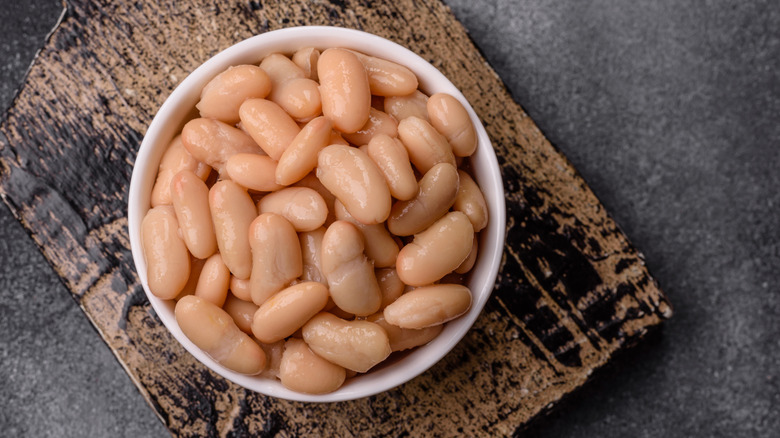
With 6 or more grams of fiber and 8 grams of protein per serving, canned cannellini beans are filling and nutritious. With that in mind, it's no wonder cannellini beans are a staple of Italian cuisine. You can find them used in dishes like pasta e fagioli and fagioli all'uccelletto, but you can also simply mix the beans with tomatoes and sage for a simple-yet-delicious dish.
Chickpeas
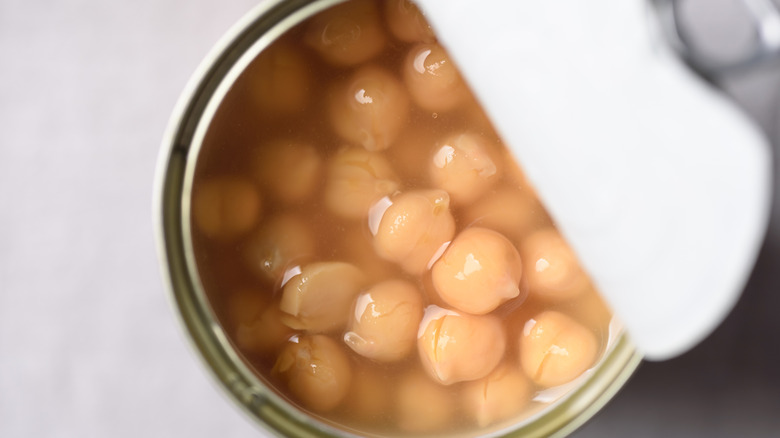
From hummus to chana masala, chickpeas are a staple across the Mediterranean, Middle East, South Asia, and North Africa. And with 6 grams of fiber and 6 grams of protein per serving, you'll want to make them a staple of your diet, too. Toss canned chickpeas into grain bowls, roast them to enjoy as a crunchy snack, and save the aquafaba (the liquid produced by canned or cooked legumes) to use as the ultimate egg substitute.
Pinto Beans
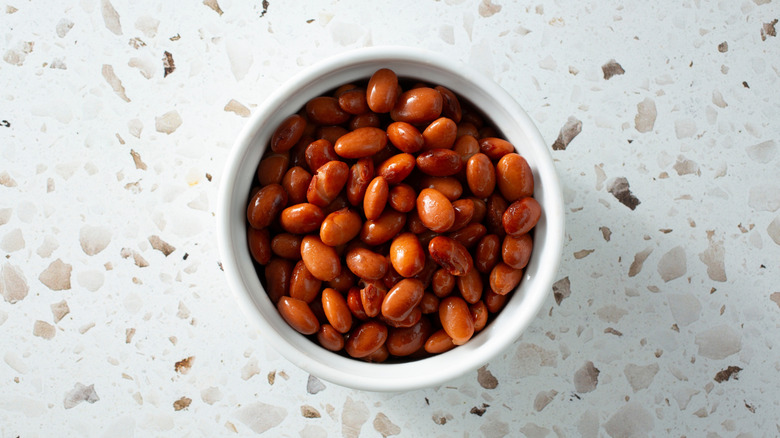
Pinto beans are the best choice if you're making homemade refried beans. If you have a can of them, you're also well on your way to a cozy pot of beans and rice that doesn't require hours of soaking. Plus, with a whopping 8 grams or more of fiber per serving, pinto beans have some of the highest fiber content of all the canned vegetable varieties on this list.