

Better Options For 10 Common Dinner Staples In Your Pantry
We may receive a commission on purchases made from links.
If you always want to be able to throw a dinner together without having to make a run to the grocery store, it makes sense to keep your kitchen well-stocked with pantry staples. From pasta and rice to canned beans, these are shelf-stable (or relatively shelf-stable) food items that can be used in many ways and for a multitude of dishes, whether you want to whip up something simple or you're trying to go all out with a fun new recipe. But if you're like us, then chances are that you buy the exact same pantry staples time and time again. Why not switch things up and try something totally new?
That's exactly why we're taking a look at better options for common dinner staples in your pantry. These items probably aren't drastically different from the ingredients you already have in stock, but they can definitely help elevate your dinner game by incorporating new flavors and textures into your favorite dishes. Whether you work a new grain into a standard bowl recipe or you simply switch up your shelf-stable protein source (like those you might use in an emergency), these tips are all great ways to make dinners — even the simple, supposedly boring ones — more exciting.
Gnocchi in place of short pasta

Just to be clear, we have absolutely nothing against short pasta, and it's definitely not a pantry staple we suggest removing from your stash. But if you're getting bored of eating the same plain old pasta shapes over and over again, it might be time to try something new. Enter gnocchi. So what sets this kind of pasta apart from the more standard rigatonis and macaronis of the world? Gnocchi is a type of pasta made with potatoes, which gives it a starchier, chewier consistency than typical pasta made only with wheat. Gnocchi just has a more substantial feel to it, with a lovely textural quality that shines boiled or even simply crisped in a pan so it develops a nice crust.
Honestly, you don't have to do much to gnocchi to make it taste excellent; drizzling it with some good-quality olive oil and a bit of Parmesan cheese is a great start. But if you truly want to make a show-stopping pasta dish, feel free to try these gnocchi recipes. And if you find that your gnocchi sometimes tastes too plain, be sure to implement these methods for adding flavor to the pantry staple. Once you start experimenting with gnocchi, you may find that it becomes a permanent resident of your kitchen cupboards.
Canned salmon in place of canned tuna
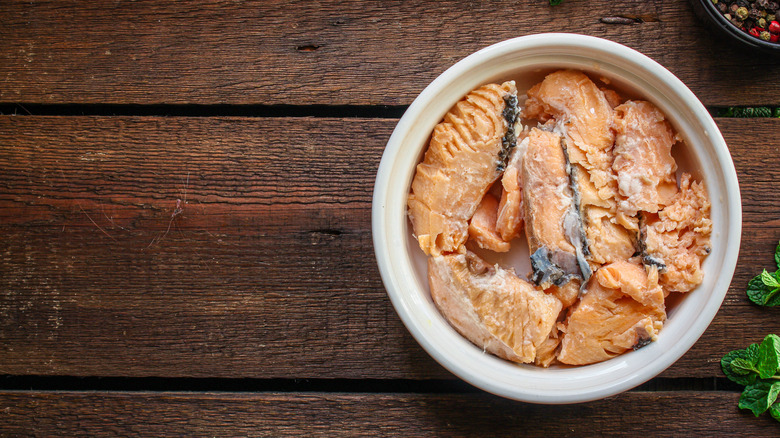
It's pretty easy to keep starches and carbs stocked in your pantry at all times, but there are seemingly fewer options when it comes to good protein sources. Canned tuna is probably the most common, since it's relatively cheap and you can find it just about anywhere. Plus, since it has such a mild, versatile flavor, it can work well in such a wide variety of dishes. But as much as we love our favorite canned tuna recipes, we can't deny that the fish can get really, really boring over time, especially if you're preparing it quite simply.
There's a quick swap that's not utilized enough, in our opinion. Instead of defaulting to canned tuna for every fish-centric pantry staple recipe, why not try canned salmon instead? Yes, it can often be a bit pricier, but it also offers a fattier, richer flavor profile, which is a nice departure from the dry blandness that you sometimes get from tuna. There are plenty of excellent canned salmon brands out there, and you can use them in so many different ways, from making fish croquettes to making a simple pantry pasta dish. Believe it or not, you can even use canned salmon to make salmon burgers for a lighter take on burger night. Now, you don't have to get stuck in the canned tuna rut ever again.
Farro in place of brown rice
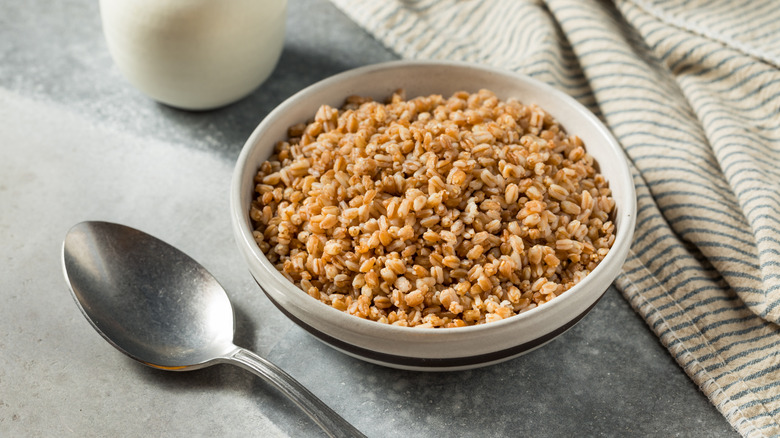
There's a time and a place for brown rice, of course. It offers a bit more flavor than its white counterpart, not to mention way more fiber. Still, brown rice is quite neutral in flavor compared to farro, which provides a toasty nuttiness that instantly adds more interest to whatever you're making, and its flavor doesn't fade into the background. Rather, it has enough of a bold distinctiveness that it stands out all on its own, making it feel less like filler and more like the star of your plate. It shines when used as the base of a rice bowl or in another of your favorite rice-based dishes.
But there are so many other interesting ways to use farro. We love it as a base for salads, like in this spring harvest farro salad recipe. You can also pair it with vegetables for a hearty and comforting soup or add it to stuffed peppers.
Seasoned or flavored beans in place of plain ones
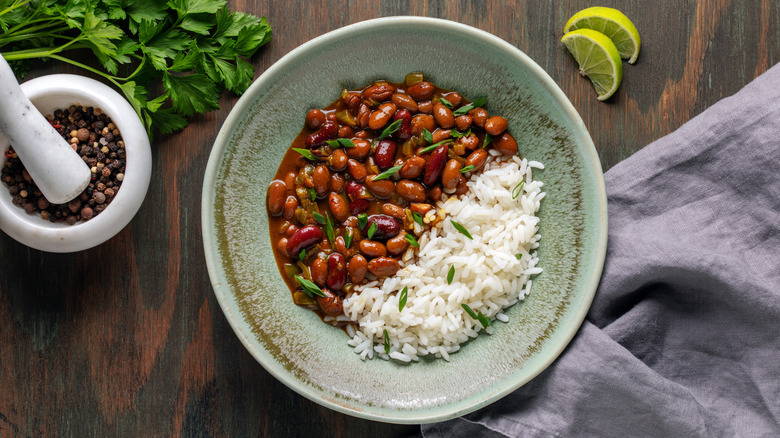
Canned beans might be the pinnacle of pantry staple foods. They're about as easy of an ingredient as you can get. All you have to do is pop open a can and dollop them right into rice, stir them into a soup, or make an incredible dense bean salad. Of course, we love to have basic canned beans around. From black beans to chickpeas, they are essential building blocks for so many different meals. However, there may be times when you're not looking for a single element for a meal and rather you want a food that you can basically eat all on its own (and still have it taste delicious without requiring any additional work). This is exactly when you'll want to take advantage of seasoned or flavored beans instead of the standard variety.
For example, Trader Joe's sells Giant Baked Beans in Tomato Sauce, and Siete's Vegan Charro Beans come in a rich and flavorful sauce that's so good that you'll want to eat them all on their own. We love using these kinds of beans for a simple rice and bean bowl or even a low-effort dinnertime snack straight out of the can. It's a simple upgrade that makes casual weeknight meals easier than ever.
Polenta in place of potatoes
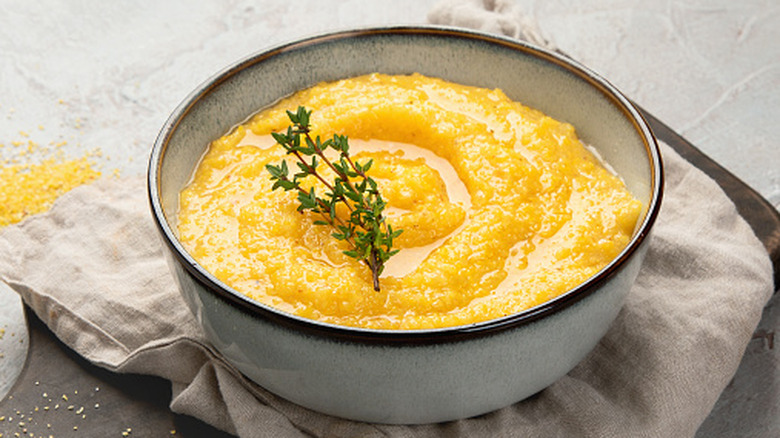
Who doesn't love potatoes? They're starchy and filling, and because their flavor is so neutral, you can basically treat them like a blank slate and add whatever seasonings you prefer. Plus, you can turn those potatoes into so many different dishes, from a simple baked potato or garlic mashed potatoes to homemade fries. But if you're eating potatoes on the regular, you might soon start to crave something different. If you're looking for an upgrade that can work in a lot of the same recipes, try picking up some polenta from the grocery store.
Creamy polenta can be used in place of mashed potatoes. It has the same starchy richness, making it an excellent side dish to serve with your dinner or use as the base for other elements. But you can also slice store-bought polenta and serve it cold or fry it for a crispier texture. You can even make polenta fries, which offer a fun alternative to standard potato-based fries. Once you start working with polenta, you'll likely want to keep it stocked in your pantry going forward.
Bucatini in place of spaghetti or fettuccine
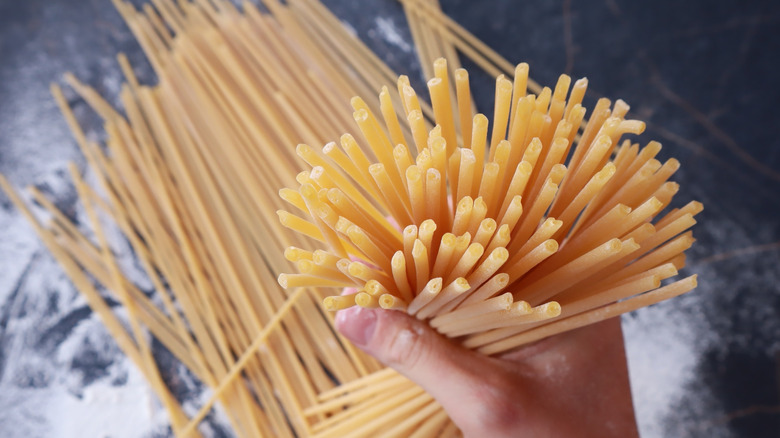
We've already covered how gnocchi can make for an excellent alternative to short pastas, but what's the better option for long pastas? There are a lot of recipes out there that call for spaghetti and fettuccine: two long pastas that are certainly fine and have their own special appeal. However, these types of pasta offer a pretty basic texture — one that you've probably had on repeat throughout your life, at least if you eat as much pasta as we do. When you need to change up that texture without losing the essence of long pasta, though, bucatini might just be the way to go.
At first glance, bucatini might look just like spaghetti, just a little bit thicker. But if you take a closer look, you'll notice that it's actually a tiny tube. This pasta is almost straw-like, creating a unique, hollow texture that's undeniably fun to eat. Bucatini is like spaghetti's and fettuccine's older, more exciting cousin who's home from college and ready to impress around the dinner table. Because the sauce can work its way into the center of the pasta, you get even more richness and flavor. Plus, bucatini is simply fun to eat, elevating your dinnertime routine without any extra work. This is a pantry staple swap that's super easy and particularly rewarding for those who love that perfect al dente bite.
Canned artichokes in place of canned green beans
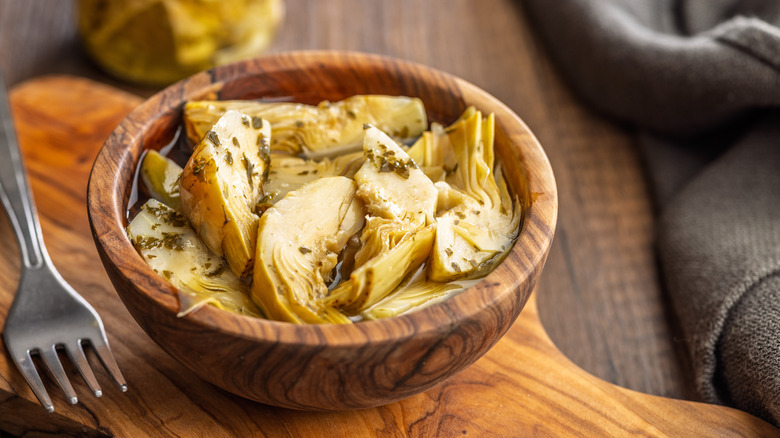
For most home cooks, canned vegetables don't exactly represent the height of gourmet dinner options. Rather, they're often treated as a quick and easy dinner solution for nights when making a whole veggie side from scratch sounds downright impossible. But let's be honest: There are a lot of canned vegetables that just don't taste very good. And although we can certainly get down with a can of soggy green beans when we're in a very specific mood, they're not what we want to add to our plate when we're trying to make a dish that feels more elevated.
Luckily, though, there's a canned vegetable that actually holds onto its rich and creamy texture and instantly upgrades basically any recipe it's included in: canned artichokes. Fresh artichokes can be tricky and a bit time-consuming to cook from scratch, but the canned version is exceptionally easy to use. Just rinse them off and add them to your pizza, stir them into your pasta, or include them in a decadent salad. You won't get any of the strange sogginess that you may encounter with other canned vegetables, but you get all the same time-saving benefits they offer.
Stale bread in place of store-bought breadcrumbs
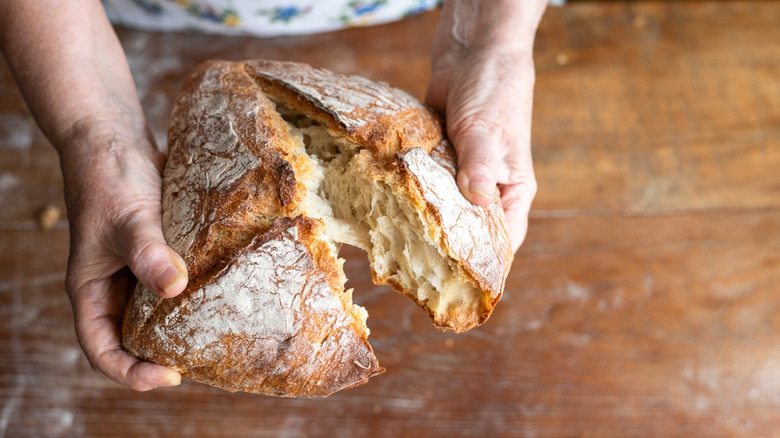
Your recipe for homemade meatballs or breading for chicken cutlets may call for store-bought breadcrumbs. Breadcrumbs can come in handy when you don't have any bread on hand, but honestly, stale bread is way better than those sad, stale crumbs in a can. And the best part? You're finding a use for a loaf of stale bread that you might have otherwise thrown out, therefore reducing food waste in your kitchen. Plus, you can save money by not having to buy a whole extra product.
Luckily, it's really easy to turn stale bread into breadcrumbs. First, you have to pulse the bread in a food processor until it's broken down into the perfect-sized chunks or the size that you need. Then, toast them in the oven to dry them and toss them with the seasonings of your choice. We love this method for making breadcrumbs because you have so much control over their flavor. Once you taste how fresh these homemade breadcrumbs are, you'll never want to go back to the store-bought variety again.
Grits in place of oats
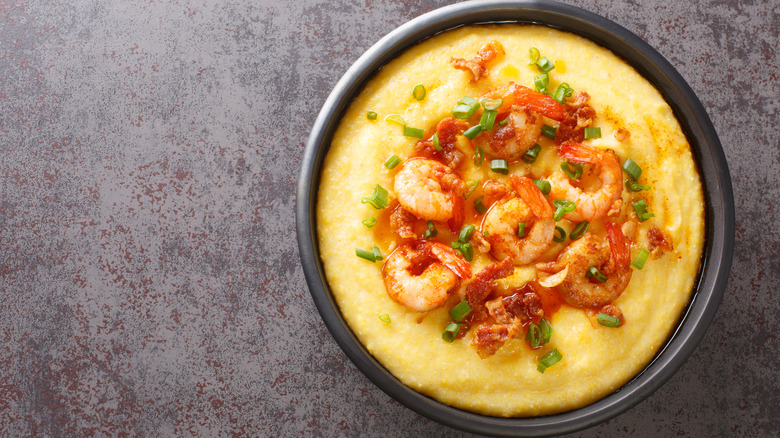
Although many people think of oatmeal as primarily a breakfast dish, that doesn't always have to be the case. For example, you can upgrade your oats with a variety of savory toppings for more lunch- and dinner-friendly flavors. As much as we love oats, though, grits may be an even better (or at least different) option. Like oats, they can be used for breakfast, of course, but they're also delicious when prepared with savory ingredients, as is the case with shrimp and grits, for example.
Grits tend to be smoother than oats and have a slightly more versatile flavor profile. Whereas oats can taste somewhat nutty and earthy, grits are on the sweeter side, with a neutral taste that can be adjusted depending on what they're paired with. We're not saying you should give up oats entirely, but having a different, affordable starchy base to choose from when you're planning your meals can keep you from getting into a mealtime rut.
Red wine vinegar in place of balsamic vinegar

Balsamic vinegar seems to be everywhere, and we totally understand why. It has a unique combination of flavor traits that make it shine in so many recipes. Not only do you get the bold acidity that you'd expect from any type of vinegar, but there's also a lovely fruitiness and syrupy sweetness that accompanies that signature tang, which can absolutely elevate certain dishes that need the added complexity. However, if you ask us, there are a lot of dishes in which balsamic can be too heavy or sweet. So, instead of defaulting to balsamic vinegar every time, you may want to think about using red wine vinegar in some recipes instead.
You get the same acidic fruitiness from red wine vinegar as you do from balsamic, but without the intense, syrupy sweetness. This makes red wine vinegar perfect for lighter applications, like salads, when you don't really want to add any sweetness to the mix. Of course, there's also a time and a place for balsamic, but when you want to lighten up a recipe that calls for this specific type of vinegar without altering it too much, red wine vinegar is an elite pantry staple swap.