

10 Common Complaints About Craft Beer
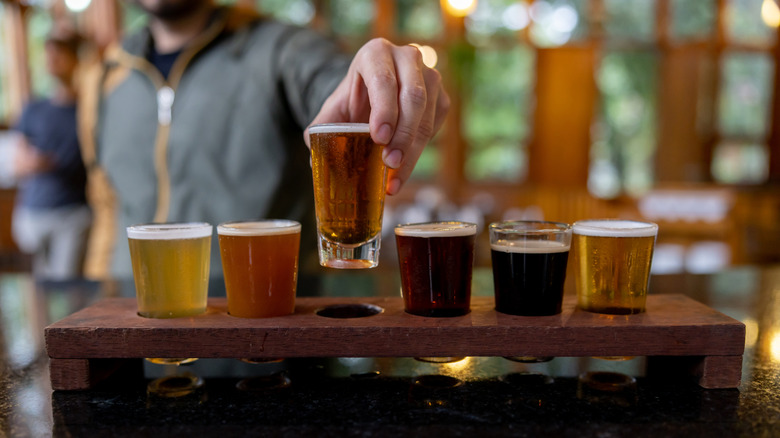
The rise of the craft beer scene in the U.S. changed the way Americans think about beer. Decades later, there are a ton of funky, unique breweries that have popped up across the country. However, we all know that even the best things don't last forever, and as of 2025, industry numbers — including sales and profits — were on the overall slide. The number of breweries was down, and so was employment, while uncertainty was on the rise. That's not entirely surprising, because there have been plenty of recurring complaints about the craft beer industry.
And to be clear, the complaints are twofold. We're not just talking about customers being unhappy with the quality and range of products, although there's quite a bit of grumbling about that. We're also talking about people being unhappy with the state of the industry as a whole, and that extends all the way into things like questionable and misleading marketing, shady pricing, and even labor abuses. Didn't think that things were going to escalate that quickly? Buckle up.
We didn't want to know what only the mainstream media was reporting on, so we headed out to forums like Reddit to see what the everyday beer lover had to say about craft beer and the industry around it. They certainly aren't holding back, and we'd even go out on a limb to say that the industry would do well to take heed of customer complaints and hopes for the future.
Different batches of the same beer can taste very different

The rise and decline of the craft beer trend is a complicated thing, and on one hand, we can see why the big players in the beer game remain popular. You know exactly what you're getting when you crack open a can of Budweiser or Miller High Life, and the fact that you're less certain of what you're going to get in that can of craft beer has been a major complaint for a long time.
While macrobreweries put a lot of effort into consistency, small-batch brewing means that customers can order the same beer two different times from two different batches, and differences might be so noticeable that you love it one time and hate it the next. And while some will say that a little bit of variation is what makes the beers stand out as, well, crafted, changes can be so noticeable and extreme that some people have singled out some craft breweries as not being able to put out a product you can count on liking.
Some brewers have chimed in to Reddit conversations to say that there are a ton of variables, from annual changes in the hops to even the tiniest changes in temperature. Different equipment, water quality, and carbonation can all play a part, too, and that can be a double-edged sword. You'll see that sometimes packaged as a benefit that allows for more experimentation and creativity from smaller brewers, but customers want to know their favorite beer will always be a win.
There's too much reliance on IPAs as a dominant style
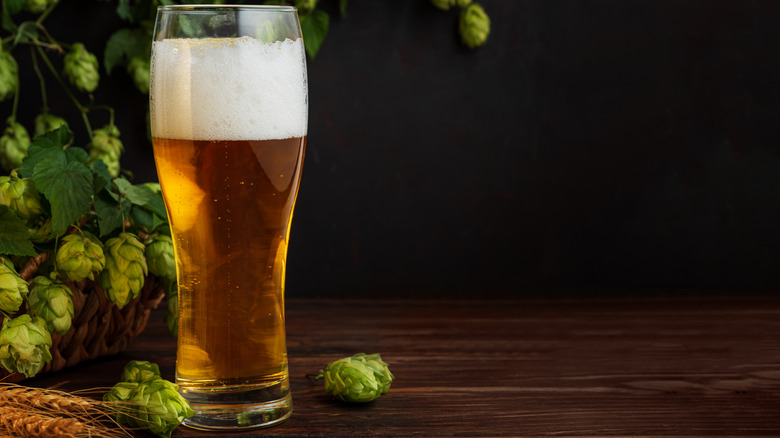
Oh hey, the local craft brewery just debuted another beer, and it's an IPA. Is anyone surprised? No? We didn't think so. IPAs have been the darling of the craft beer scene for a long time, and on one hand, it's awesome. Some beer drinkers are hitting their limits on these, though, and are noticing that there's such a focus on IPAs that it can be tough to find something new in another style.
And that's a shame, because there are a ton of different types of beer out there. Plenty of customers have taken to Reddit to say that they're thirsting for something — anything — different, while others have noted that craft breweries have kind of, and ironically, become pretty homogeneous in their offerings.
There are entire social media accounts dedicated to hating on IPAs, while even mainstream media has blamed the Cult of the IPA for making craft beer as a whole seem as though it's fostering an atmosphere where anyone who's not sophisticated enough to get it is shunned and derided. It comes off as a culture where you can only sit at the cool kids' table if you're classy enough to understand and worship the IPA, but all that superiority comes at the cost of a myriad of other styles and possibilities.
Craft beer has a huge problem with questionable artwork and names
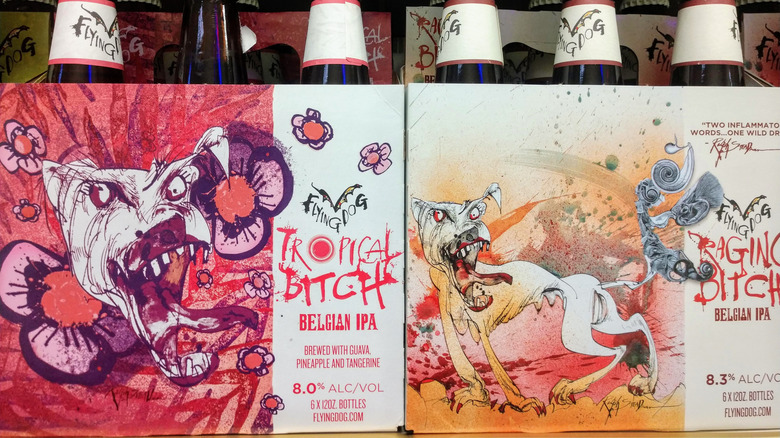
Beer advertising has a long history of sexism. It hasn't gone unnoticed that it's still alive and well in the craft beer world, and it has been for a long time. And to be clear, this is a tricky one to talk about because we can't even repeat some of the names of the beers that have made it to shelves over the years. Some of the examples we can mention include Tipping Point's Chunky Gal Amber, Village Idiot Brewing Co.'s Thong Remover, and ... well, now that we're here, we're realizing we really can't repeat any of these others in the polite company we're in now.
Things got so bad that in 2019, the Great British Beer Festival banned beers with misogynistic and discriminatory labels, names, and imagery. More than a thousand different beers were put through the approval process, which event organizers said was necessary to guarantee the event was inclusive.
The fact that it needed to be done at all is eye-roll-inducing enough, and perhaps predictably, there was some pushback against the powers-that-be. Some claimed uptight organizers just couldn't understand how funny it is to drink a beer called Leg-Spreader (can we say that? How about "Village Bike" — can we say that one?). Some craft breweries haven't gotten the memo in 2026: Flying Dog's lineup still includes Raging B**** IPA.
Corporate buyouts have left customers feeling distrustful and misled
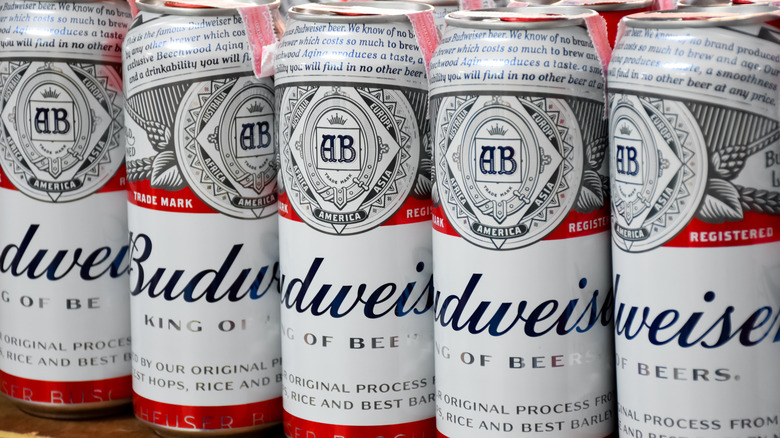
There's always something satisfying about supporting the little guy. We're talking about the local vendors at the farmers' markets, the mom-and-pop restaurants, the independent bookstores, and the craft breweries. There's a problem, though, and it happens when craft breweries get successful enough that the big macrobreweries come knocking. Studies and surveys have shown that there's a real issue with honesty and transparency in the industry, with many people saying that they feel as though they can't trust the craft breweries they're supporting since some of them are quietly owned by the bigger players.
Back in 2011, Anheuser-Busch bought Goose Island — and it was just the first of many craft beer buyouts. In some cases, brands have continued to be marketed as craft beer, in spite of being under the ownership of a macrobrewery. MillerCoors found itself in some hot water when it was sued in 2015 over what was viewed as some shady marketing. It owned Blue Moon and was still riding the wave of the brand as a craft beer darling.
That hot water proved to be only lukewarm at best, as the suit was ultimately thrown out when it was ruled that yes, the brand originated as a craft beer, and that it wasn't exactly MillerCoors' fault that people still saw it that way. Add in the fact that there's universally accepted standard that defines craft beer, and it's kind of the Wild West. Calls for stricter regulations on transparency continue, in hopes of protecting the legitimate little guys.
Shrinkflation has been hitting can sizes and quantities
Craft beer has traditionally come in larger-than-usual sizes, with 16-ounce cans often setting brews apart from the smaller sizes favored by macrobreweries. The rise of the four-pack made craft beer feel like it was something a little bit special, the sort of thing you buy to enjoy rather than chug. My, how the times are a-changin', and people aren't thrilled.
In 2026, it started making headlines that more and more craft breweries were now switching to four-packs of 12-ounce cans, under the guise of efficiency and value. More people were keeping a closer eye on budgets and bottom lines, and 12-ounce cans were a way to allow them the luxury of craft beer at a lower price point.
That's the theory, at least, but Reddit is filled with chatter from customers who feel that the shift is just one more example of shrinkflation. Many groceries have been hit with shrinkflation claims, and beer is no exception. Smaller cans for beers that are still pricey leave a bad taste behind, and some have noticed local taprooms similarly moving to 12-ounce draft pours. Even more infuriating are those that hide behind vague language: one Reddit user was still miffed at ordering a $10 beer described as a full pour, then getting handed a 6-ounce glass. Transparency is key, and it seems as though many places across the industry are failing at that.
Pricing has always been high, and it's getting higher in relation to big beer
Craft beer is expensive, and it always has been. Even in 2026, you can pick up some stellar six-packs for less than $10, but you'll find plenty of highly recognizable macrobreweries on that list. That's not surprising, as there's always been an understanding that quality ingredients — often bought in smaller quantities and at a higher price than macrobreweries are given — are just one part of a larger picture that leads to higher pricing.
Prices have continued to climb, with some customers taking to Reddit to discuss the point at which prices are starting to discourage them from trying something new that they may or may not like. Plenty of people are finding themselves pretty disappointed that they just can't afford to support small breweries like they used to, and it's been like that for years.
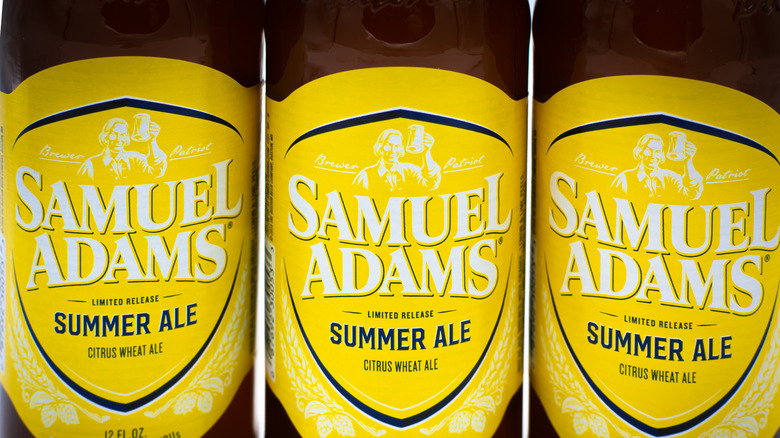
When you start looking at trends over the past years, things get even more shocking. In early 2026, Visual Capitalist looked at how the prices of 12-packs had risen from 2015 to 2025. All brands went up, but leading the way was craft brewing mainstay, Sam Adams. A 12-pack rose from $13.99 to $23.99 for a whopping 71% increase, which is absolutely eye-watering. It's no wonder that people are less willing to take a chance on finding their new favorite, for fear it's going to be a terrible waste of money.
Craft beer can chase the bizarre at the expense of quality

We get that it takes a lot to stand out in a market that's flooded with competitors, and craft beer has always had the advantage of being able to lean into creativity. However, there are plenty of complaints from people who say that there's a big difference between creative beers and gimmicks, with the latter leaving disgusted beer lovers feeling like some places are just trying to see how outrageous they can be to boost sales and attention.
Reddit is full of threads that are equal parts hilarious and disturbing, where nightmarish concoctions are shared with the sort of what-the-heck-ness that makes you wonder why anyone thought these combinations were a good idea in the first place. We found people deriding things like HaandBryggeriet's The North Sea (licorice-, mackerel-, and tobacco-flavored stout), Martin House's menthol and squid ink Azathoth, and Lervig's pizza and money Imperial stout. Should beer be made with pizza and money? No. Is that a question we never thought we'd need to ask? Absolutely.
And that's just scratching the surface. You'll find no shortage of over-the-top craft beers that leave you wondering if some have simply counted on humankind's curiosity to get wallets open. Does the world need a spaghetti gose? A beer with ghost peppers? We're going to go with no on all of those, and it seems like craft beer is just winding us up.
Rating and review systems for craft beer are a complete and total mess
Choosing the next craft beer to try for the first time is intimidating, as there is no shortage of choices. Online reviews and ratings might seem like a great way to get the opinion of those who have at least tried the beers you're considering, but there's a massive problem with these systems.
Industry experts say that our modern-day reliance on review sites may be a dangerous thing for a few reasons, starting with the fact that everyone's tastes are different. What Sam from Kansas loved, you might hate. What Frank from Philadelphia hated, you might love — but when a bunch of Philly Franks spam sites to lower scores, you might just give things a miss. But there's more at work here.
The craft beer industry has a ton of followers whose opinions get posted online, and some of them can do real damage to a brewery's reputation. User-submitted reviews and data can be incredibly problematic, especially when you get things like reviews on — for example — an IPA, from someone who hates all IPAs. Of course they're going to rate that one low, but that's not on the merit of the beer at all. Ratings might be sinking, but given how subjective the system and its users are, it's worth keeping in mind that it's tricky and unreliable at best.
The industry has faced serious allegations of misogyny, abuse, and sexism

The craft beer scene has always had a bit of a reputation as being a clique. Back in 2021, though, accusations came to light that showed deeper problems. When Notch Brewing production manager Brienne Allan asked her Instagram followers to share stories of misogyny, assaults, and abuses within the craft beer industry, she received scores of responses detailing horrible instances of not just discrimination against women, but violence.
It wasn't an isolated incident, and for years, advocates have been trying to raise awareness about the issues confronting women in the industry. At the same time Allan's findings made headlines, the U.K.-based writer Siobhan Buchanan got similar responses from her followers when she asked for tales of what women were facing each and every day. Some respondents described harassment as commonplace, so much so that some women reported being told that breweries they interviewed for refused to hire women in the production side of things, because the likelihood of assaults presented too much of a liability.
We don't even know where to start in unpacking everything that's wrong with that, and it's a sentiment that's been lurking in the shadows for a while. The accusations in 2021 led to something of an industry shake-up and the resignations of multiple brewery founders. Entire academic papers have been written on how women are routinely marginalized, at best, in the craft beer scene, and it's clear that there's a long way to go.
Craft beer has gotten pretty boring

On the flip side of craft beer's love of gimmicks and things that should probably only ever exist in that fever dream you once had after taking NyQuil, there's something else: boredom. You'll hear plenty of people taking to Reddit to say that they've just gotten bored with what's become a sort of plateau of beers and styles. Everyone's doing hazy beers, people are tired of flashy ridiculousness being shoved at them, alcohol percentages are too high to be enjoyable, and something strange has happened: Craft beer has gotten so complicated that people are so over it.
And it makes sense, because let's be honest: sometimes we just want to kick back and enjoy a flavorful brew, without being told why we should love it, and how our developed palates should be detecting notes of air freshener, Lemon Pledge, and a finish of shampoo (that's from the hops, no doubt).
Craft beer was once something extraordinary; that narrative has kind of wandered off into the sunset somewhere, and it's become perfectly ordinary. Expected. Bleh. A market flooded with options has taken the flair out of things, but it's not all doom and gloom. Experts are hopeful craft breweries will go back to the old days of meaningful, carefully curated brews that are meant to be an experience, instead of a gimmick.