

5 Things Induction Stoves Can Do That Gas Stoves Can't Compete With
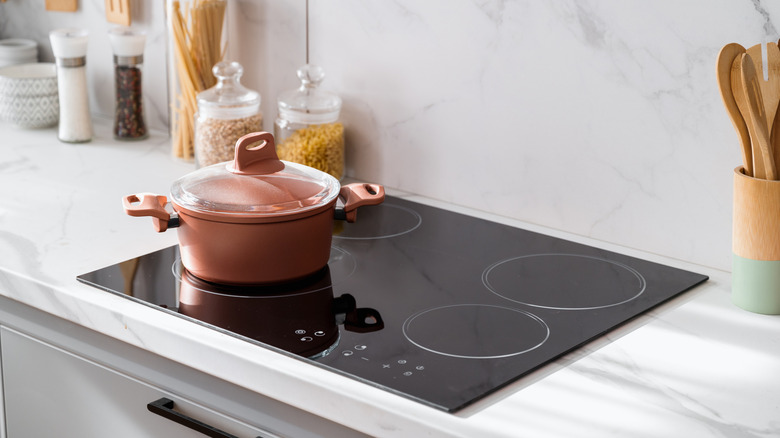
Both amateur and professional chefs have long preferred gas stoves over electric appliances. Yet, over time, we've come to understand gas stoves come with potential health and safety hazards. For instance, even when turned off, they can release harmful pollutants into the air like nitrogen dioxide, benzene, and carbon monoxide, posing serious health risks. Gas cooking also contributes to some of the greenhouse gas emissions responsible for climate change, and the open flame poses safety issues like the risk of fires and burns.
As folks learned of the hazards of gas vs electric ovens, many switched back to electric models. Now, we have a modern alternative: Induction ranges offer the best of both electric and gas stoves without the drawbacks. Instead of natural gas and flame, induction stoves use electromagnetic energy to heat cookware directly. This allows the appliance to heat up and cool down quickly, reducing the risk of injury, fires, or overcooked food. Yet, food still cooks much faster, and it's easier to regulate temperature for even, consistent results.
Induction cooktops won't release harmful pollutants and toxins into the air, and they are more efficient than gas models, so you may notice a decrease in your utility bills. All in all, gas ranges may not be worth buying anymore, especially if you can afford to upgrade to an induction cooktop or even a single standalone induction burner. Doing so means that you can take advantage of these five things induction stoves do better than gas stoves.
Boil water up to 40% faster
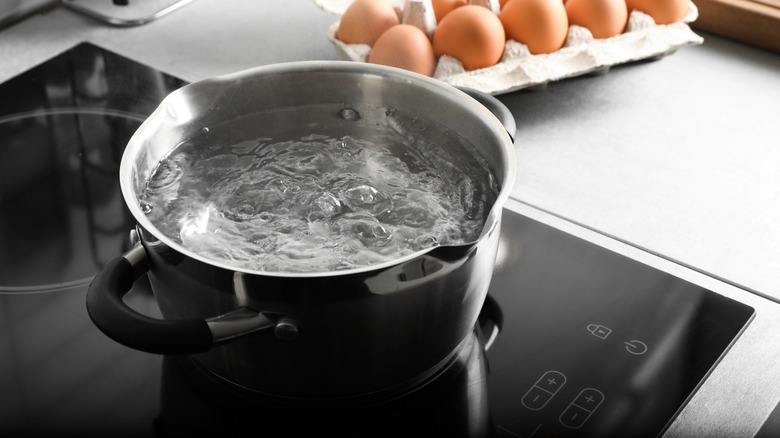
When comparing induction, gas, and electric, the stove that cooks food fastest is induction. Consumer Reports has found that you can boil water up to 40% faster, and cooking settings are more customizable and responsive. If you need to adjust the temperature quickly, you'll see immediate results. This is because instead of heating up coils and transferring that energy to cookware (and whatever is inside it), induction cooktops function using copper coils charged by alternating electric currents that create a magnetic field. When you place a piece of magnetic cookware on top, the small electrical currents are sent into the metal, heating the pot or pan directly.
This translates to faster cook times for anything you need to prepare. While a six-quart pot of water could take 15 minutes or longer to boil on a gas stove, an induction cooktop may achieve the same results in as little as five minutes. That time difference may not seem significant at first, but it can make a huge difference for busy households, folks who regularly cook for large groups, or those responsible for preparing a complicated holiday meal. Cutting down on boiling and preheating time shortens the whole meal prep process and simply makes it easier to get food on the table quickly.
Eliminate dangerous indoor pollutants

Gas stoves can be harmful to the environment as they release methane into the air, even when turned off. As the natural gas burns, nitrogen dioxide is produced, which can contribute to or worsen respiratory conditions. The appliances also emit formaldehyde and benzene, which are toxins and carcinogens linked to both cancer and asthma. If the natural gas does not combust or burn completely, the stove may leak carbon monoxide into the air, resulting in carbon monoxide poisoning, the signs of which include flu-like symptoms, confusion, organ damage, or death.
Unfortunately, air purifiers and HEPA filters won't mitigate these risks. To make this problem even more alarming, manufacturers are not held to any universal safety or performance standards governing the levels of toxins the appliances can emit indoors. On the other hand, induction stoves are set to dominate kitchen trends because they offer a safer alternative to gas.
These stoves will not emit indoor air pollutants, don't contribute to greenhouse gas emissions, and carry no risk of dangerous leaks or carbon monoxide poisoning. They also prevent health issues caused by airborne particulate matter, which can occur when cooking over open flame. An induction burner won't heat and release ambient dust, cooking grease, or food particles into the air. These benefits are particularly important if you have children or elderly family members in your household. Switching to induction cooking can protect their health and reduce the risk of respiratory issues or disease.
Cook food more precisely and evenly

The best induction ranges offer precise temperature control and fast response times when you raise or lower the heat. The electric current flowing to the cookware responds immediately, allowing you to move from boiling to simmering in seconds. While gas flames may flicker or wane or suddenly rise as a pot boils over (resulting in uneven cooking), an induction burner can maintain a consistent temperature over time. This allows for ultra-low simmering for delicate cooking techniques like melting chocolate, tempering custard, or building sauces.
Gas stoves can create hot spots that may make food burn in certain areas, and pots and pans stay hot for a period of time even after the burner is turned off. With induction cooking, the precise, uniform heat distribution can prevent scorched or undercooked food, which improves both food quality and safety. Even the simplest cooking tasks, like searing meat or seafood, will seem effortless. Pans heat up almost instantly, searing meat quickly to seal in juices.
Additionally, steaming or stir-frying vegetables on an induction stovetop can preserve more of their natural color, texture, and nutrients. This is because you're avoiding the prolonged cooking times of a gas stove. Some models also offer customizable cooking zones for large pieces of cookware so that it's easier to prepare different foods and still retain full control over each area.
Lower your gas or electricity bills
When considering whether a gas vs induction stove is more affordable in the long run, the biggest factor is the annual cost of operating each appliance. According to the U.S. Department of Energy, induction cooktops are "up to three times more efficient than gas stoves, and up to 10% more efficient than conventional smooth top electric ranges." In fact, the U.S. Environmental Protection Agency recognized induction cooktops with the 2021-2022 Energy Star Emerging Technology Award for the appliance's lower energy usage.
Because these models are so energy efficient, you might want to choose an induction stove over electric (or gas) just because of the lower utility bills. Induction cooking also emits much less heat compared to gas or electric models as most of the energy generated is directly absorbed by the cookware rather than released into the air. This puts less stress on your home cooling system and may mean your cooling costs are also reduced.
Another major benefit is that induction appliances can be powered by renewable energy like solar power, making them even more eco-friendly and less expensive to operate. If you install a new induction stove in your home, you may also qualify for government tax credits or utility or government rebates that can offset the cost of purchasing, operating, and maintaining the appliance.
Protect you and your kids with built-in safety features
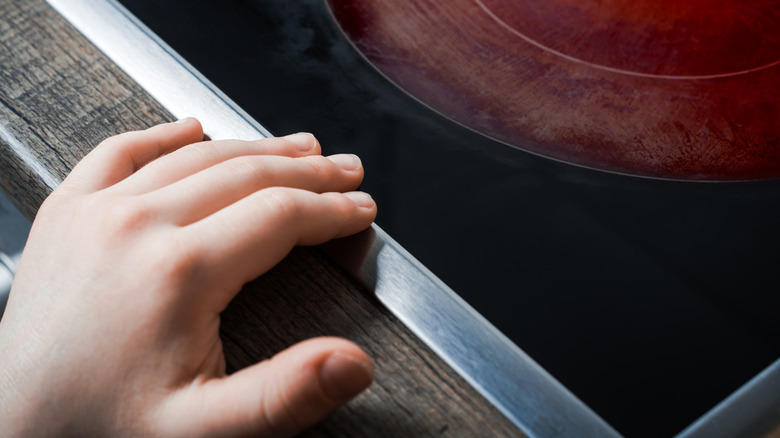
If your household includes young children or elderly family members, you may also be concerned about both the health and safety hazards associated with gas cooking. The most common cause of kitchen fires is unattended cooking, and both gas and electric stoves can cause a fire or burns if used improperly. Induction cooktops mitigate these safety hazards through built-in features that can prevent fires and burns.
One of the biggest pros of an induction stove is that it doesn't get dangerously hot. The cooktop is only activated when a compatible pot or pan is placed on it. When cookware is removed, the surface becomes cool to the touch almost immediately. Even when turned on, it doesn't feel much hotter than a countertop that once had a hot pan resting on it. If the range is turned on accidentally, it will shut off on its own if it senses that the cookware has maintained a high temperature for a prolonged period.
Some models offer smart features that allow you to control the appliance remotely, so you can shut it down from your phone if you discover that you didn't turn it off before leaving the house. Even if you accidentally leave a kitchen towel near the burners, it won't catch fire like it might with a gas or electric stove.