

Are Gas Ranges Still Worth Buying In 2026?
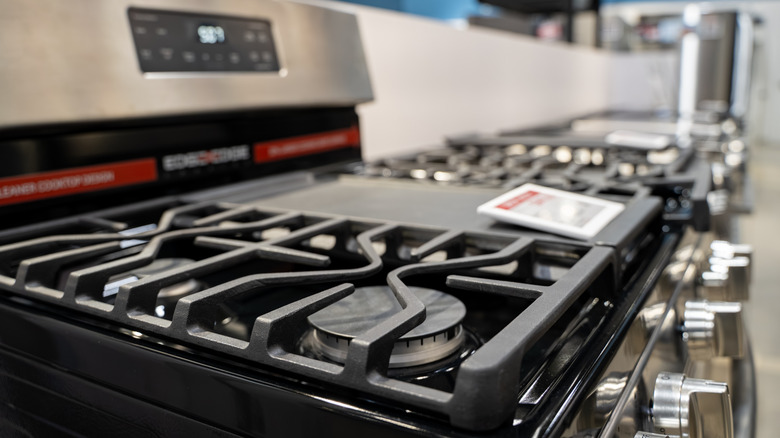
The superiority of gas ranges used to be an accepted bit of kitchen wisdom, but in 2026, people are questioning whether they are worth it anymore. For decades, gas stoves were the default choice for anyone who took home cooking seriously, mostly because they offered superior responsiveness and temperature control compared to electric. It was like this for so long that it was never really considered a serious debate. But all conventional thinking seems timeless until it suddenly isn't. Now, health concerns are raising questions about the true cost of gas, while technological improvements in top electric ranges have suddenly made them a lot more competitive.
The biggest disruptor in 2026 that has been making people rethink their allegiance to gas is the rise of induction cooktops and ranges. Induction is a form of electric heating that uses a magnetic field to heat cookware directly, rather than indirectly, like gas or traditional electric coil stoves. This offers several advantages and, for many cooks, helps solve some of the biggest weaknesses electric stoves have compared to gas. While electric coils can take time to both rise and drop in temperature, induction is extremely responsive and precise, even more so than gas. It also has superior power, offering a higher range of temperatures. In fact, it can bring a pot of water to a boil almost twice as fast as a high-powered gas stove. And it does all this while offering the same easier-to-clean surface as flattop electric ranges.
Induction rangers show better performance and energy efficiency
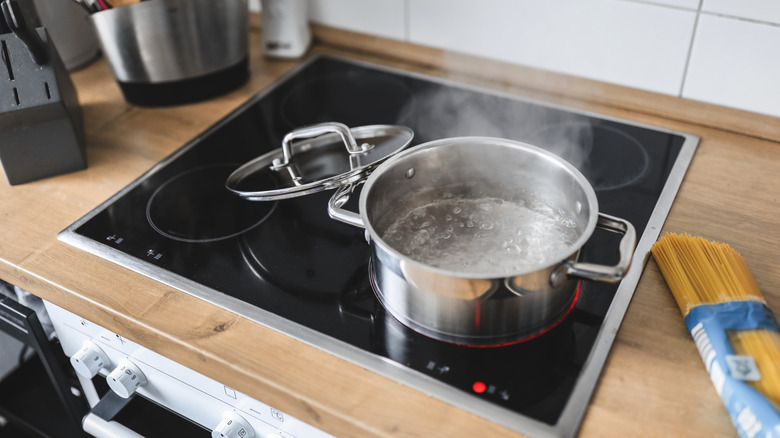
Induction does have its downsides, but they are minor. They lack the visual clues of gas stovetops, and there is a learning curve associated with using them. Most importantly, induction is not compatible with some types of cookware, including ceramics, and some aluminum and copper pans. They also have a higher upfront cost on average than current gas ranges.
If price is a concern, or if you'll need to buy a whole new set of pans, it might be better to consider a gas range. However, even gas's affordability advantage over induction comes with an asterisk. Because induction creates heat directly, it is far more efficient than gas, where much of the heat created by the flame is lost to the air. While gas may still be cheaper to operate in areas with low natural gas prices, induction can cost less to run over time than both gas and traditional electric ranges, thanks to its greater energy efficiency. And as more homes switch to other appliances and heating systems to electricity, a gas range may require a separate gas hookup just for the kitchen.
It should also be noted that while induction is (understandably) getting a lot of the attention in the gradual switch from gas, electric ranges have also improved substantially over the years. They still have the same easy-clean advantages, but now perform just as well as gas. Considering they are often cheaper than gas ranges, there are fewer and fewer reasons to opt for gas at all.
Health concerns of gas stoves
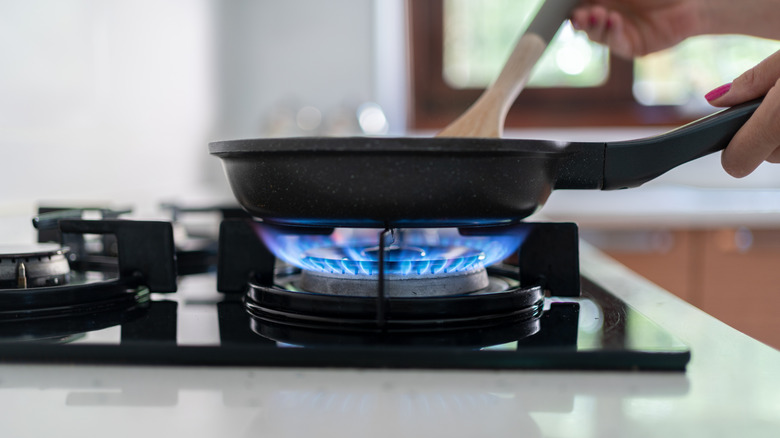
Since the performance advantage of gas ranges has eroded in recent years, more attention has also been paid to their potential health and safety concerns. The biggest one being that burning gas at high temperatures produces nitrogen dioxide, which can cause serious health issues like respiratory problems. Studies have found that exposure to gas stoves increases the risk of children developing asthma, including one from the National Institute of Health that says 12.7% of all childhood asthma cases can be blamed on gas stoves. The American Gas Association has pushed back on this, calling the study flawed and pointing to others that show no health risks from gas stoves. However, dozens of other studies have found evidence that they may pose health risks. Gas stoves have also been shown to leak unburned gas, which contains carcinogens. That is why every home with one should have a gas detector.
Then, of course, there are the risks associated with an open flame, which increases the chance of fires and burns. While electric stoves also carry burn risks, induction is generally safer than either, since the cooking surface itself doesn't get hot — the pan does. The surface can still retain heat from contact with cookware, but it is typically less dangerous, and burners left on accidentally after removing a pan are far safer than with gas or traditional electric cooktops.
Gas ranges can still be the right choice depending on utilities, and the tactile cooking experience they offer does have its advantages. But they are no longer the clear slam-dunk best option for stoves and cooktops in 2026. And given ongoing health concerns alongside the rise of induction cooking, the long era of gas dominance may finally be coming to an end.