

15 Old-School Drinks That Used To Be In Everyone's Lunchboxes
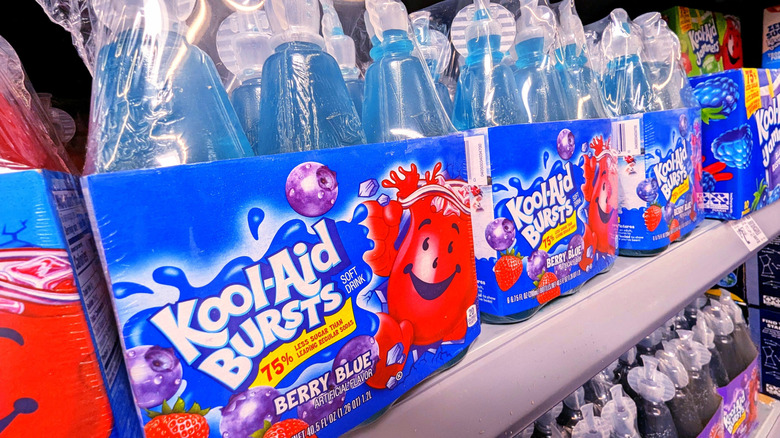
Head to school with a packed lunch box, and the contents inside often tell a story of its own. The drinks packed inside lunchboxes in the 1970s through the early 2000s weren't simply for thirst. From plastic barrels to glass bottles, these beverages provided a necessary spark for a midday treat and sometimes even valuable trading currency in the school cafeteria. Though some of these products might have leaned closer to a soda than a juice, for many, the name alone can trigger serious nostalgia.
While a few of these drinks are no longer found on store shelves (with one even preserved in the Museum of Failure), most brands continue to sell their classic offerings today. Whether your favorite lunchtime beverage has been relegated to memory or still holds court in the grocery aisle, this list may inspire a walk down memory lane. As a result, your next shopping list or packed office lunch could be filled with a few childhood favorites.
Capri-Sun
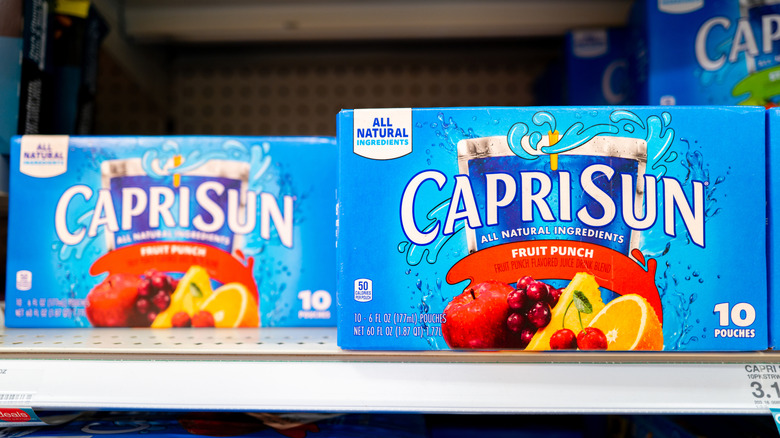
Shoving a plastic straw into a silver foil pouch is an experience many remember. From the moment Capri-Sun launched in 1969, flavors like Mountain Cooler and Pacific Cooler delighted fans. In lunchrooms or on sports fields, squeezing every last drop from a pouch felt more exciting than any beverage from a can.
Hi-C
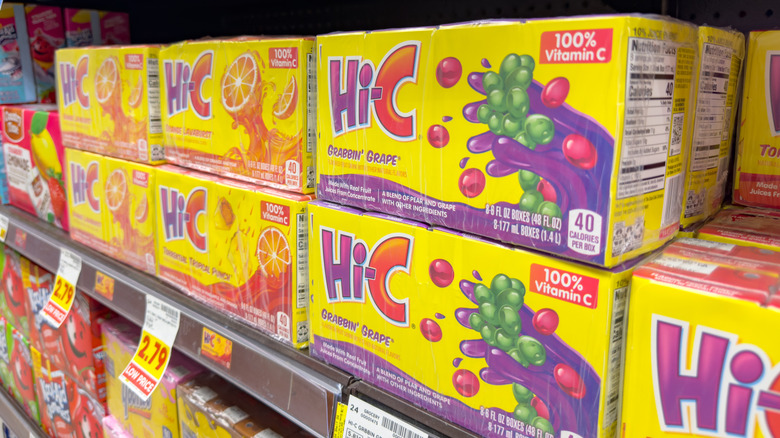
Though Hi-C was sold as early as 1947, its neon green drink collaboration with "The Real Ghostbusters" in 1989 catapulted the brand into a cultural symbol. The brightly colored juice was packaged in boxes that were difficult to miss on a crowded grocery store shelf. Flavors like Orange, Fruit Punch, and Grape kept this product a firm fixture in lunchboxes.
Yoo-Hoo
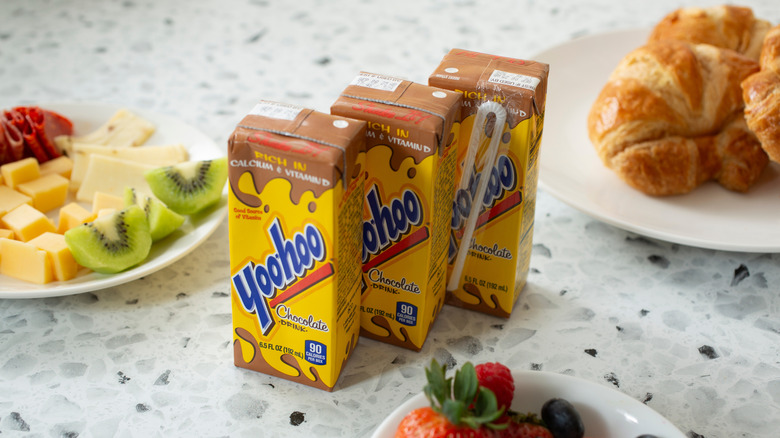
The chocolate drink Yoo-Hoo was originally just chocolate syrup mixed with milk in the late 1920s. Though it soon made its own impression in lunchtime spreads. Instead of a juicy beverage, this sweet drink stood in a category of its own. Packed in shelf-stable cartons and bottles, Yoo-Hoo didn't have to stay cold to be enjoyed — but a cold pour made the thin drink even more refreshing.
Sunny-D
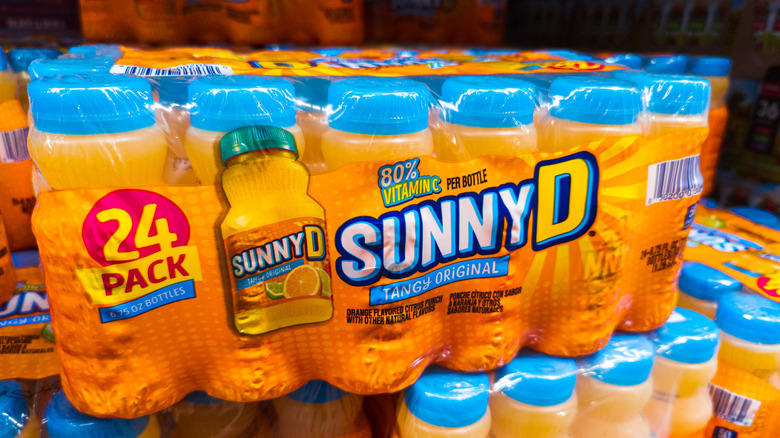
First created in Florida in 1963, Sunny Delight found serious momentum in the '90s. Advertising campaigns sought to position the brand as a hipper alternative to traditional orange juice, and the bright orange jug was difficult to ignore. Tangy and sweet and now packaged as SunnyD, this beverage comes in a range of sizes for easy stocking in fridges and lunchboxes.
Slice
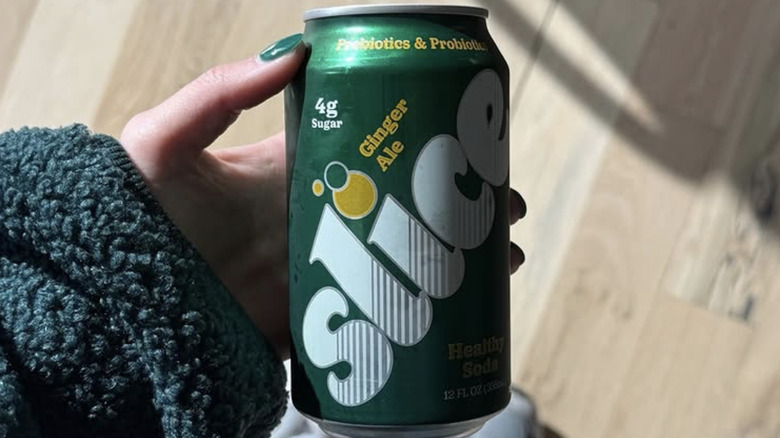
Slice was PepsiCo's answer to Coca-Cola's Sprite. Not quite soda and not fully juice, the drink found its own audience after launching in 1984. As more flavors arrived, the juice content decreased. Though Slice eventually disappeared from shelves, branding rights were purchased by a group of entrepreneurs in 2018 with plans to reintroduce a healthier version. The updated Slice features less sugar and plenty of gut-friendly benefits.
Little Hugs
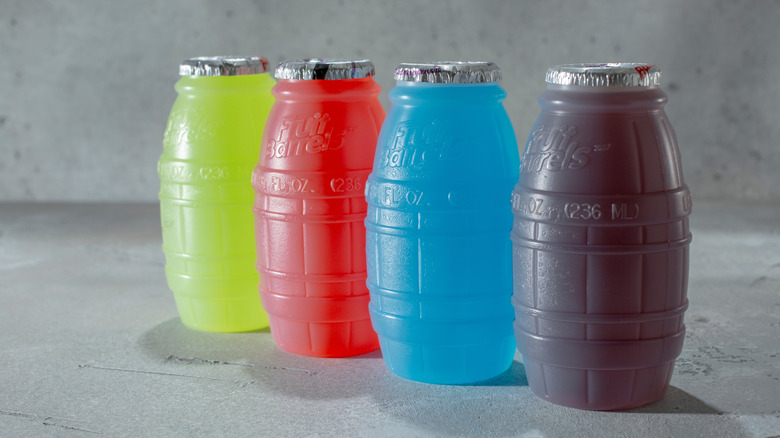
Widely considered the first single-serve kids drink sold in the United States, Hugs became a lunchtime favorite in the 70s. The small barrel containers offered a novelty shape and thin foil caps that simply peeled back. Clear plastic offered an easy view of the brightly colored liquid inside. "Little Hug drinks were everything after riding your bike for about 6 hours," wrote a fan on Reddit. You can still find Little and Big Hugs in stores today.
Sobe
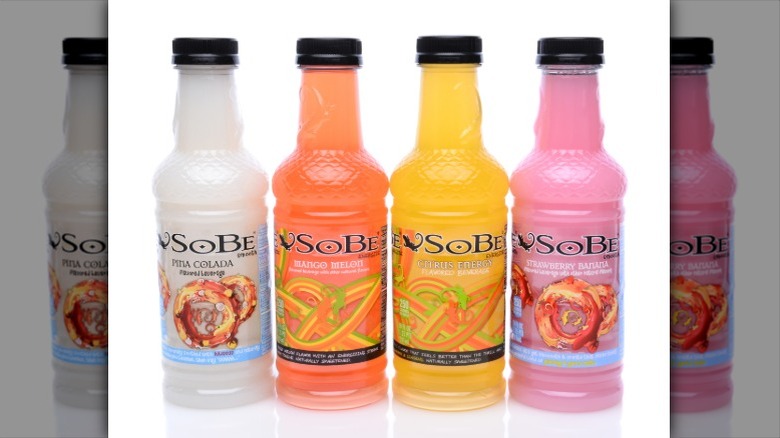
Short for South Beach Beverage Company, SoBe drinks launched in 1995. The lizard logo on glass bottles provided an edgier alternative in the beverage market, and recipes included additions like ginseng and guarana. In 2000, PepsiCo purchased the label, and although the drinks still have a product locator online, they can be tricky to find in stores.
Guzzler
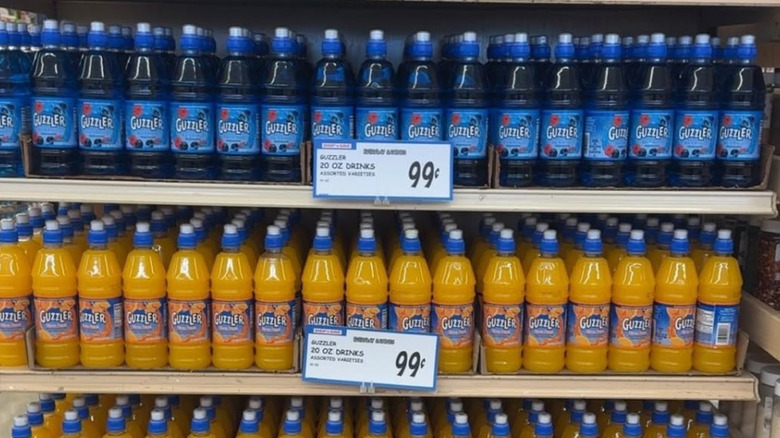
The name added to the appeal, and several flavor options meant that consumers wouldn't quickly tire of Guzzler drinks. Though the brand can still be found, fans on Reddit report that the drink just doesn't taste the same and is missing some classic flavors. Guzzler bottles are now sold with sports caps for easy guzzling.
Hawaiian Punch
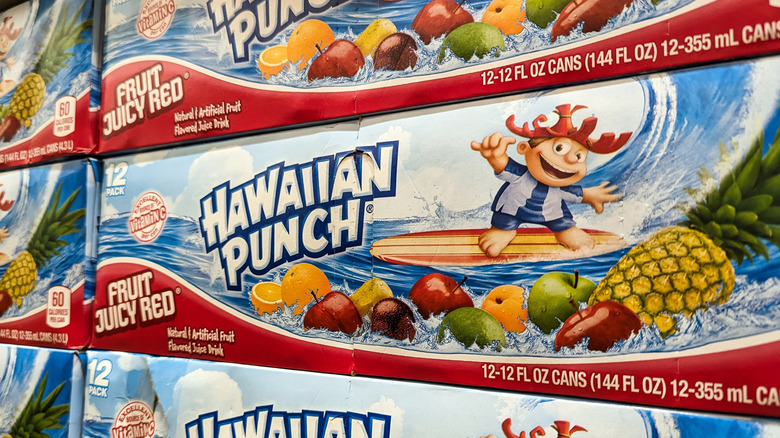
Invented in a California garage in 1934, Hawaiian Punch was originally meant as an ice cream topping before an updated recipe helped it become a juice box staple. The iconic cartoon mascot and celebrity endorsements catapulted sales in the 80's. Fruit Juicy Red was something like a jungle juice recipe for kids, blending several fruit juices, including apple, pineapple, orange, apricot, guava, passionfruit, and papaya.
Orbitz
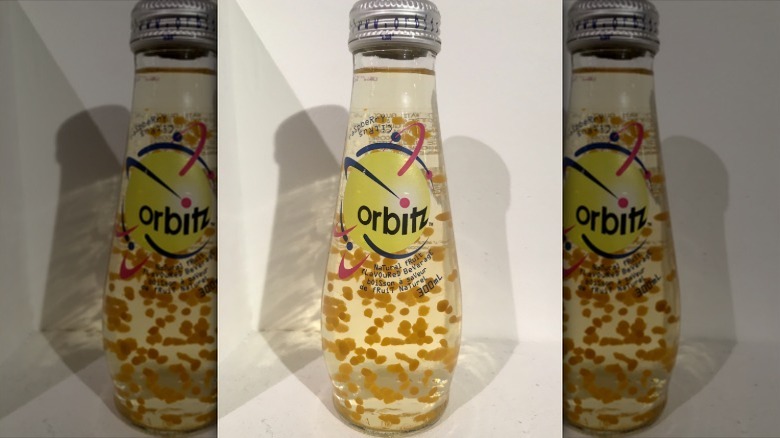
Orbitz is best known for the floating balls suspended in its liquid. While the bottles looked similar to portable lava lamps, the 1997 drink only lasted about a year. Unusual flavors like pineapple-banana-coconut-cherry failed to find a foothold. Despite its short run, the Orbitz brand managed to crawl its way into the collective consciousness and cement itself as a prominent symbol of '90s nostalgia.
Snapple
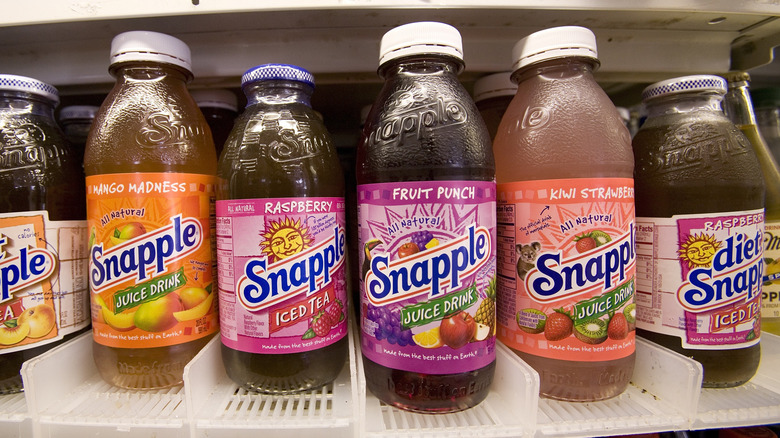
Unlike boxed cartons of juice, Snapple's glass bottles and caps with semi-true facts printed on the inside appealed to an older age group. Founded in 1972, the tea and juice flavors were common sights in '90s middle and high schools. Even today, with plenty of Snapple flavors to choose from, the classic Lemon Tea often claims the top spot in rankings.
Snapple Elements
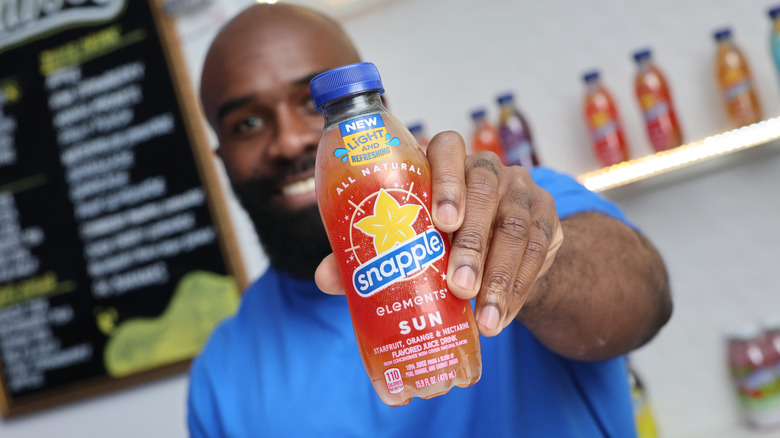
Snapple's nostalgic Elements line emerged in the late '90s. Each flavor was named after one of the elements and packaged in a unique glass bottle. The drinks targeted middle and high schoolers, and the brand quickly found a place in lunchrooms. The product was discontinued in 2005, but a redesigned Elements line was introduced in 2022, though some fans expressed disappointment with watered-down flavors that didn't quite live up to memory.
Minute Maid
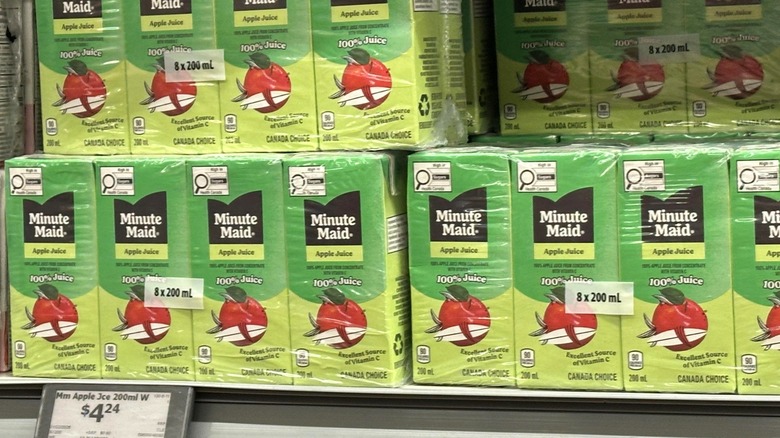
Minute Maid juice boxes with small straws taped to the side defined many packed lunches. Though the company began in the 1940s with orange juice concentrate packaged in frozen cylinders, it has since expanded its product line to quench a wider range of consumer thirsts. With over 100 options available, it's hard to ignore this brand.
Juicy Juice
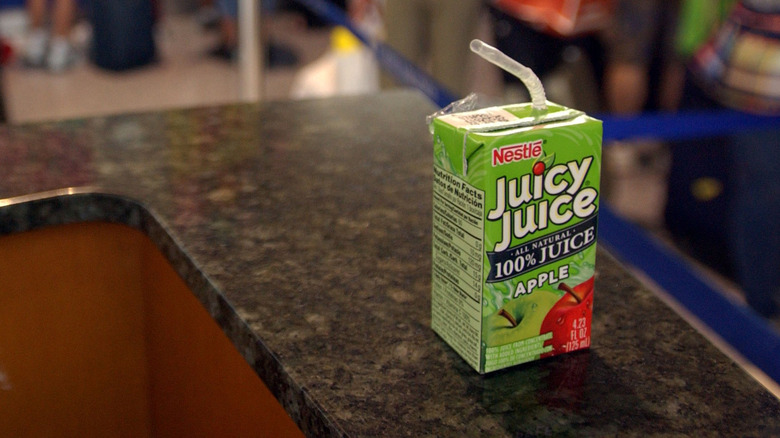
At a time when juice blends and lengthy ingredient lists dominated the juice aisle, Juicy Juice marketed itself as 100% juice to appeal to parents shopping for their kids. Since 1977, convenient packaging has made these from-concentrate juices easy to tuck into packed lunches without leaking into backpacks.
Martinelli's apple juice
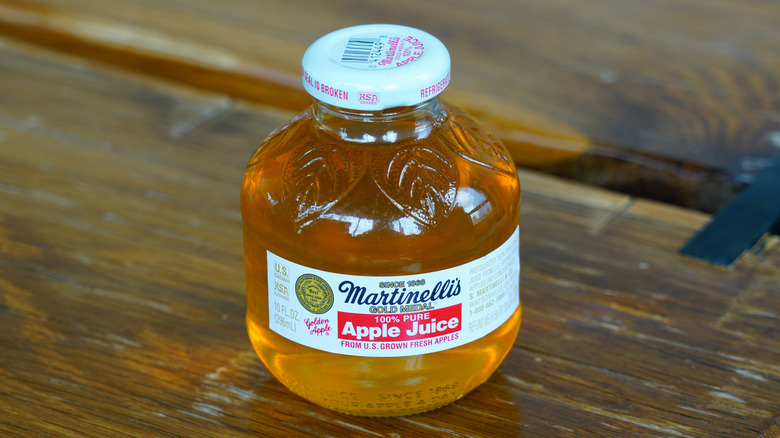
While other juices were packaged in boxes, Martinelli's small, apple-shaped glass bottle made an immediate impression. The label clearly advertised that it contained 100% apple juice, and its crisp, natural taste further distinguished the brand from the more sugary options on store shelves. With over a century of production, Martinelli's remains simple and classic, showing no signs of slowing down.