

12 Iconic Florida Seafood Dishes
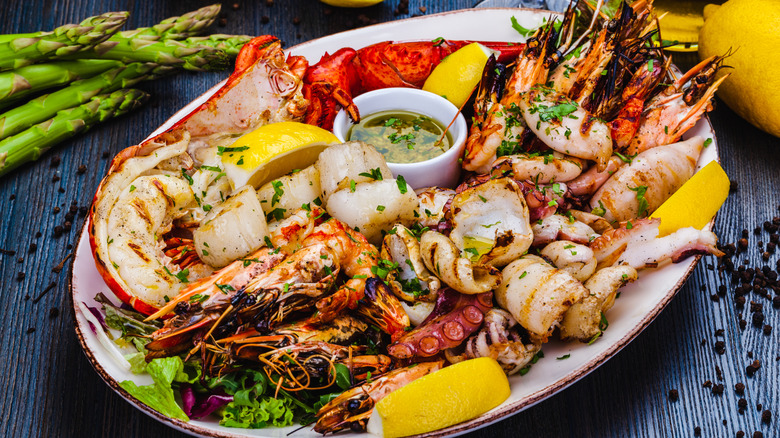
While northerners battle over which area makes the best clam chowder and whether it should be tomato or cream based, Floridians are on the hunt for iconic seafood dishes you'll typically only find on the peninsula, such as conch fritters, fried gator bites, and grouper sandwiches. Along the East Coast, there are various seafood options, but what makes a seafood dish iconic for a particular state or area is typically high-quality, locally caught fish prepared in a unique, regional way.
Florida's seafood scene extends deep beyond the coasts and into its fresh waterways. While the Atlantic and Gulf supply shrimp, snapper, and stone crab, the state's legendary swamps and marshes deliver wild frog legs from the Everglades and wild-caught and farmed gator meat. Then there are the oyster-rich bays in the panhandle where 90% of the state's oysters once came from. With 1,350 miles of coastline, Florida gets quite the pick of seafood, though only 5% of Florida's aquaculture is edible. With that in mind, there are a number of iconic seafood dishes worthy of highlighting throughout the state.
Key West pink shrimp

While the Gulf shrimp category encompasses various types of shrimps, Key West pink shrimp represents the best of the pink variety. Harvested off the Florida Keys, these delicately sweet shrimps deliver a cleaner, more nuanced flavor that elevates simple dishes like chilled cocktails or garlic scampi. Because Key West pink shrimp get their naturally sweet taste (and light rose color) from clean coral sands, their tender meat shines on its own. Thus, it's best in dishes where the shrimp is the sole highlight — like a quick saute or tossed in a salad.
Chefs seek out Key West pink shrimp for this very reason — it stands on its own and doesn't have to be drowned in sauces or seasonings. Known as pink gold, this pink shrimp is also available year-round, making it easier to keep on restaurant menus, unlike some of the other coveted types of shrimp found in the Gulf. You'll frequently find pink shrimp offered lightly fried or grilled and served in fresh tacos or with grits.
Royal red shrimp

Royal red shrimp are considered true gems of the Gulf for their deep red color and lobster-like flavor. They're naturally sweet and buttery with a bite similar to scallops. Though you will mostly find these ruby red shrimp in Florida waters, they can be found along the Atlantic coastline. Either way, they're harvested from cold waters at depths that reach up to 2,000 feet. Because they're fished from such depths, there are limited fishermen able to source them, mainly due to specialized harvesting — royal red shrimp can die when reaching warmer surface water. Therefore, supply is limited.
Restaurants treat this delicate crustacean delicately, leaving the dish as unadulterated as possible, making it a great contender for raw bars. You'll also see them grilled, sauteed, blackened, or poached, served with sauces or dips on the side. They're soft, velvety, and tender, and they perform well in dishes where they're served as the star, like risottos or as part of a seafood boil.
Apalachicola oysters

Apalachicola oysters are one of iconic Florida foods, and for the first time in five years, these oysters are once again available. At one time, Apalachicola Bay was where 90% of Florida's oysters were harvested, earning the title of Oyster Capital of Florida. Protected by St. George Island and fed by three rivers, the bay has perfect elements for oyster colonies. However, due to increase of salt water, the ecosystem gradually fell apart. Oysters prefer brackish water, and as fresh water flowing from Georgia decreased, it allowed salt water to inundate the bay, disrupting the oyster population. Six years ago, most of the oyster habitat in the bay was gone.
In 2020, a harvesting ban was put in place to help the reef recover while intentional restoration efforts were underway. The ban was lifted in January 2026, but there are strict harvesting limitations. This lull in wild oyster harvesting gave rise to oyster farming. Now, with small bursts of incoming wild oysters, seafood restaurants and markets are celebrating and offering fresh local oysters on their menus. These oysters are bolder than other types, with a deep briny taste and rich buttery finish. Due to the prominent flavor profile, Apalachicola oysters are typically served simply: raw, steamed, or Rockefeller.
Conch fritters

When you're in Florida, you have to try conch fritters — consider it a rite of passage. If you're not familiar with this delicious seafood, it's a large sea snail that lives in the waters of the Caribbean, Florida Keys, and Bermuda. Conch tradition has Bahamian roots, and it was brought to the Florida Keys by Bahamians who were skilled in conch diving. It's such a big part of the local culture that residents of Key West are referred to as Conchs, and there's even a local Key West flag featuring a conch shell. Conch is influenced by Caribbean cuisine, and it can be found in dishes like ceviche (raw seafood salad) and chowder, but you'll often see it breaded and fried — enter fritters.
Loved in the Caribbean and Florida Keys, conch fritters are similar to hush puppies except conch fritters feature conch, and usually a lot of it. Big chunks of tender meat are used, and the batter is mixed with a blend of spices. Sometimes other ingredients like chopped veggies or hot peppers are also added – one of Florida's best hole-in-the-wall restaurants serves conch fritters with roasted corn and peppers. The ingredients are all rolled into a ball and deep-fried. The fritters are crunchy on the outside and soft and moist on the inside. They are usually served with a tangy dip like a spicy tartar sauce.
Fried gator bites

If you're in Florida, you have to at least try fried gator bites. Maybe you're scratching your head as to why alligators would be considered seafood. Well, glad you asked. Alligators fall under Florida aquaculture law, so they're often lumped in with seafood on restaurant menus. Though gator is usually labeled as exotic game meat, the FDA classifies it as seafood. So, you'll find it listed with other seafood items on restaurant menus — anywhere from appetizers to main dishes. Alligator tastes like a cross between chicken and fish (with a mouthfeel similar to pork), so there's that. While wild-caught alligator meat exists, most gator meat found in Florida is farmed. There has been a rise in demand for alligator meat.
Gator meat, which can be white or dark, should perhaps belong in its own category. It's not quite seafood, it's not really game meat, and it tastes like a unique combination of protein. Fried gator bites are almost as common in Florida as french fries. The tender meat (usually white meat from the tail) works perfectly in this dish. It's the ideal choice for breading and frying because it's lean, firm, and retains moisture. When treated right, it's a delightful bite.
Grouper sandwich

Grouper is one of the most popular seafood options in the Sunshine State, and grouper sandwich is a mainstay for many Florida seafood restaurants. It's typically offered fried, grilled, or blackened, but you can also find grouper sans bun, which is usually served as tacos. Grouper is a firm but delicate fish with a mild, tender bite, which is why it works well cooked a variety of ways and sandwiched between a roll. It holds up to solid seasoning like blackening spices, barbecue rubs, and even marinades. The meat is flaky yet succulent and subtly sweet with hints of brine — a balanced foundation for a number of recipes. Taste may vary slightly, as there are subtle but often noticeable differences among the different types of grouper; for instance, red grouper tends to be milder.
With so many available varieties, anglers enjoy catching this saltwater fish either from Gulf or Atlantic waters. Though they're highly desirable, they are a protected species — they're easy to catch, slow to grow, and can take years to get to full size, which can be up to 2 feet. You can find this sought-after fish at seafood markets and sometimes as a frozen option at supermarkets.
Stone crab claws

Stone crab is strongly associated with Florida, as the vast majority of catch comes from the warm waters around the Sunshine State. The crab is distinguished by the black tips on its claws, and it's prized for its sweet and firm meat. Stone crab meat is a true delicacy and is often classified as luxury food, as the habitat is small and the fishing season is limited (usually runs from October to May).
Stone crab claws are often found on restaurant menus in Florida, where you'll typically see them served chilled cocktail-style with a side of mustard for dipping. No, you're not eating them raw; they are steamed first and then chilled. The meat can be used in salads, and restaurants may also serve it in a bisque. Stone crab has a delicate, tender meat that features nutty sweetness and a subtle, salty backbone. If you'd like to try it at home, you can get stone crab claws shipped straight from the Keys to your door.
Smoked fish dip

Smoked fish dip is an old Florida tradition originating from Tampa Bay and early Tocobaga communities that preserved fish via smoking. The tradition stretched to The Forgotten Coast where mullet fisheries — the original option for smoked fish dip — once thrived. Many Floridians grew up eating smoked fish dip, and at one point, most homes on the Gulf coast had smokers. It's an iconic menu item you'll see at seafood restaurants, fish smoking shacks, and bars. You can even find smoked fish dip at gas stations, markets, cafes, and fishing villages.
This signature dish may have started with mullet, but it can be made with just about any smoked fish, like salmon, mahi-mahi, swordfish, shark, and kingfish. And how you choose to prepare it is also somewhat subjective. The dip is similar to tuna fish salad — you can turn it into a sandwich topping with lettuce and tomato – and the base is typically mayonnaise. From there, the options are varied; some recipes include cream cheese to thicken the base, others add saltwater brine for a thinner consistency. Smoked fish dip may also include greens and fresh herbs, such as dill, scallions, chopped celery, and onions. Some recipes give it a kick with horseradish or hot sauce. The dip is typically served with crackers.
Grilled red snapper

Among many iconic seafood dishes in Florida, red snapper is swimming with the best. Though there are multiple types of snapper (red, mutton, lane, yellowtail, for instance), red snapper is what you'll frequently see on seafood restaurant menus and at the local fish market. It's a mild, lightly sweet white fish that handles a range of cooking methods, so you'll see recipes from blackened and grilled to fried and pan-seared. There are slight variations in texture depending on the type, but still similar enough that you can easily apply the same cooking methods. It's a hearty fish that cooks quick, which is why it's great grilled — the char and smoke from the fire complement it well. Likewise, blackened snapper is quite common because its mild flavor and tender bite work with heavier seasonings.
Snapper is abundant in Florida — it's available year-round. It's an enticing fish with colorful shiny skin that has to reach 16 or 20 inches before being caught. Since Florida is as outdoorsy as it gets, grilling is a go-to method for enjoying fresh snapper catch. It can be grilled whole and seasoned with everything from simple oil and citrus vinaigrette to Cuban-inspired spices. Give it island vibes with tropical glazes or coconut breading to accentuate that toasty flavor.
Minorcan clam chowder

Similar to Manhattan clam chowder, this is a tomato-based chowder but with a spicy twist. Originating from St. Augustine, Minorcan clam chowder is named after the Spanish Menorcans who grew the datil chile pepper — the signature ingredient in the chowder — which grows very well in the region. And this isn't just any chile pepper, it features a heat level on par with super hot habanero and Scotch bonnet but with a sweet backbone that dampens the spice a bit. Datil peppers in the chowder are balanced with herbs like oregano, thyme, and rosemary, while a salty, smoky hit from salt pork adds umami. The recipe is fairly standard across the board, and you'll also find chopped veggies, such as potatoes, tomatoes, carrots, and onions.
Though Minorcan clam chowder is rich with history and ingredients, it's not typically available on seafood restaurant menus, but you'll find a few that offer it. Though clams were once prevalent on the coast and fresh-caught was the preference, harvesting isn't what it used to be. So, though it may not be made with local clams, fresh, frozen, or canned still work just as well; it's the datil peppers that really define the dish.
Grilled pompano fish

Florida pompano fish is well-regarded as a tasty seafood option native to the Caribbean. It's typically enjoyed whole because its unique shape gives it an edge over other fish — it's flat and usually no more than a couple of inches thick. It can be caught once it reaches 11 inches in length, so it's a decent size. This makes it great for a variety of cooking methods from grilling to pan-searing and frying – pompano's flatness means it cooks up quick and evenly. It's also often cooked whole, as the bone structure makes it difficult to filet without losing a lot of meat. Luckily, it's easy to separate the meat after grilling.
Like many other seafood and meat dishes in Florida, grilling is the go-to. After all, most dining in Florida happens outside. And if you've just caught your fish, all you need to do is fire up your grill to feast on your catch within the hour. Also, pompano doesn't even need to be descaled! It's a mild and buttery fish that features slightly sweet meat, so it does well with basic herbs, spices, citrus dressings, marinades, or sauces. Just like its origins — the Caribbean — it shines with tropical flavors.
Pan con minuta

We can't talk about iconic Florida seafood dishes without including the iconic Cuban street food that is quintessential to Little Havana in Miami: Pan con minuta – the word minuta probably refers to the butterfly cut of the fish. This fried fish sandwich is recognized by the fish tail sticking out of the bun. Yep, you get the tail, too, which is edible if you choose to try it. Typically, the sandwich is made with red or yellowtail snapper, but in Florida, it could also be grouper, which is a great snapper substitute.
While you can easily recognize pan con minuta because of the tail that stays intact (often being too large for the bun), other ingredients are fairly standard as well. After the fish is butterflied, breaded, and fried, it's topped with onions, ketchup, and tartar sauce — hot sauce is optional if you prefer some heat. Some variations toss a little lettuce and tomato on there as well. This is all piled onto a Cuban bun. It's a simple sandwich that showcases old-school Cuban tradition.