

5 Everyday Kitchen Habits That Can Damage Your Pipes
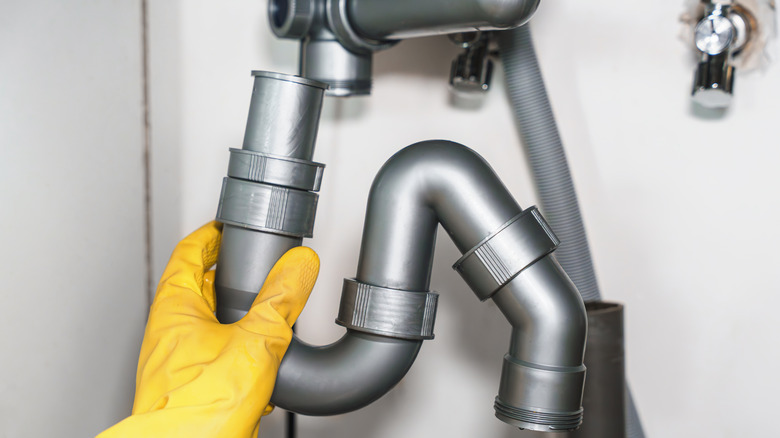
The pipes in your kitchen may look shiny and invincible from the outside, but even the most modern plumbing system is surprisingly fragile when faced with careless (and sneaky) kitchen habits. To properly maintain one of your kitchen's most critical areas, it's important to know what can and can't be safely discarded down the drain or garbage disposal. While some pipe blockage culprits — such as large food scraps — might be obvious, there are a few everyday kitchen habits that can cause serious, long-term damage to your plumbing. Specifically, be careful with boiling water, oil, chemical drain cleaners, coffee grounds, and overuse of your garbage disposal.
On top of these less-obvious culprits causing a boatload of stress, they can also drain your bank account. Damaged pipes often lead to emergency repair costs. Fortunately, major kitchen plumbing issues are entirely avoidable if you familiarize yourself with the major maintenance dos-and-don'ts. Like most kitchen appliances, if you treat your sink with care, it will treat you well in return — hopefully for years to come.
Pouring boiling pasta water down the drain
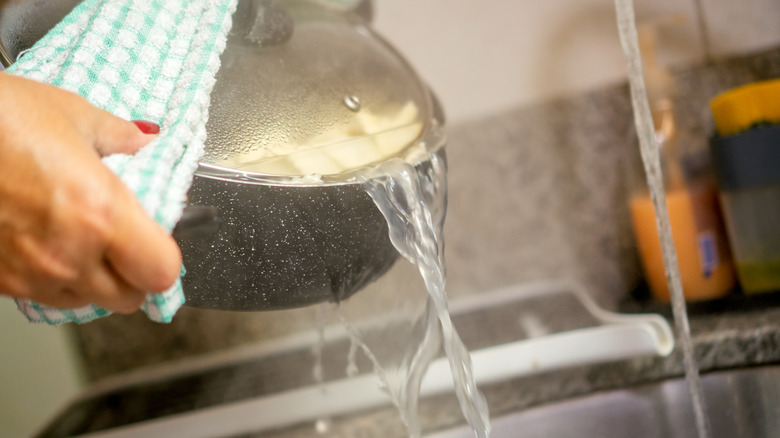
While it may seem harmless, pouring boiling water down the kitchen sink should be avoided at all costs. Seriously, all that boiling pasta water you've poured down the drain over the years probably wasn't great for your pipes, especially PVC pipes. These commonly used home kitchen plumbing systems can handle hot water up to 140 degrees Fahrenheit, but anything hotter than that (including boiling water) can cause warping, leaks, and cracks that require repairs.
Pouring boiling water down your drain can cause the pipes to soften and lose their shape over time. It may even weaken the adhesive material that holds the pipes together; you can probably imagine what could happen if either of these things occurred. Additionally, during the wintertime, cold pipes quickly exposed to hot water run a high risk of separating due to thermal shock.
If you cook pasta on the regular and are wondering how to get around this, never fear. You can still pour your liquids down the drain (or choose from any one of these other uses for leftover pasta water). To avoid any damage, simply run cold or lukewarm water down the drain to cool off the pipes — and keep it running while you pour the boiling water down, too.
Clogging your pipes with oil and grease
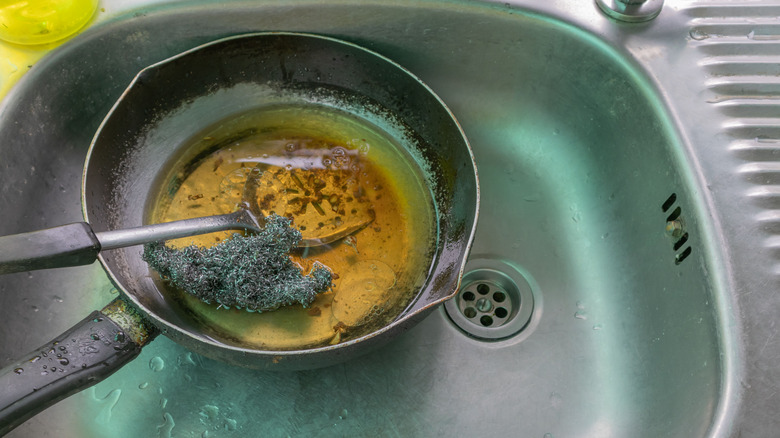
Even the most amateur home chefs are familiar with this one, but it's important to remember nonetheless: Pouring any sort of oil, grease, or fat down the drain is a major no-no. It may seem like the quickest way to dispose of cooking oil, but for the amount of damage it can cause, it's worth taking a few extra steps.
If you've ever let oil and grease sit out for a while on the counter, you've probably noticed that they solidify once they cool down. This isn't exclusive to pans; if you pour hot oil or bacon grease down the drain, that solid clump it cools into will be at the bottom of your pipes. Over time, this clump becomes the perfect spot for food remnants to stick. That food buildup will ultimately cause a huge clog in your sink, which nobody wants to deal with.
Instead of pouring them down the drain, dispose of your used cooking oils another way. If you don't want to reuse them for future cooking, simply pour them into containers and let them solidify in the fridge before tossing the oils into the trash. If you'd rather take the zero-waste route, strain your oils and store them in a dark place for future use.
Overusing your garbage disposal (and filling it with the wrong foods)
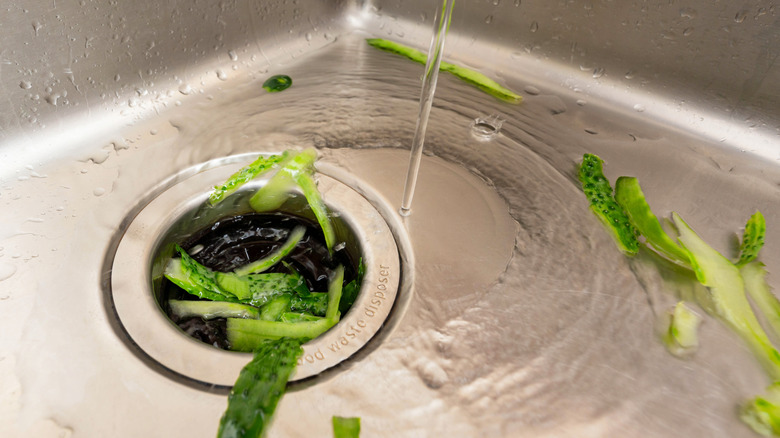
If you've ever owned one, you know that a garbage disposal can be serious kitchen lifesavers. They're convenient ways to eliminate food waste and avoid unwanted odors that occur when normally putting old food in a trash can. But it's important to remember these disposals aren't trash cans, themselves. If used recklessly and without proper maintenance, this appliance may turn out to be more of a burden than an asset to your kitchen.
One of the worst things you can do to your garbage disposal is to overload it with food, as this can cause it to jam up. Instead of putting a bunch of food in it all at once, take care to add just a little at a time, or chop bigger pieces into smaller ones. You'll also want to avoid adding fibrous foods to it like celery, onion peels, asparagus, artichokes, and starchy foods like potatoes, rice, and even pasta. Doing so will result in the clogging of your garbage disposal, and if it's a regular habit, it may even stop working altogether.
Beyond keeping those veggies far away from your garbage disposal, you should also avoid pouring oils and grease down them, just as you would with your sink. Tougher food items like eggshells, nuts, bones, and even coffee should also be avoided, as they can create granular waste that will ultimately clog up the disposal, leaving a big mess for both you and your plumber.
Using chemical drain cleaners
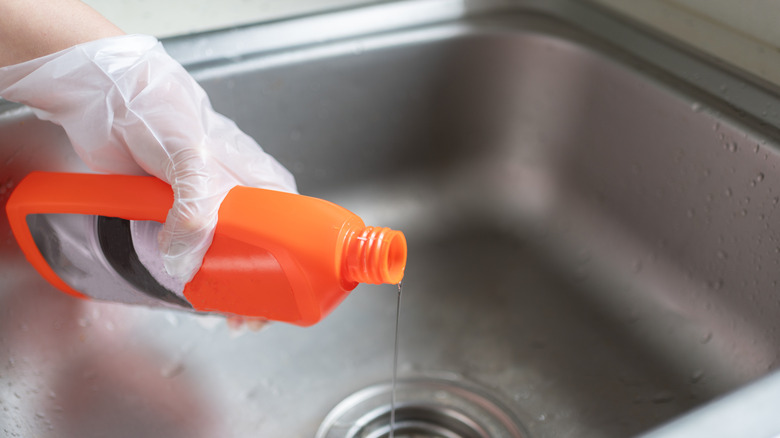
It may seem counterintuitive, but using those trusty store-bought drain cleaners is actually a major mistake when cleaning your kitchen's drain. Running half a bottle of it down the drain might provide quick relief and save you money, but frequent use can seriously compromise your kitchen plumbing long-term. Plus, if you're having regular issues with a clogged sink, chemical drain cleaners will prevent you from understanding the real root of the problem.
There are different types of chemical drain cleaners, but most rely on a chemical reaction that generates heat and dissolves the blockages in your plumbing. While this does help remove some of the gunk that's clogging your pipes, the heat that's generated can corrode pipes. If you pour chemical drain cleaners down your garbage disposal, this can also be worn away at its seals and blades, as many chemical drain cleaners contain hydrochloric acid.
Beyond hurting your pipes, chemical drain cleaners are harmful to the environment too, as they eventually end up in natural waterways. They can harm fish and other wildlife, and they can disrupt ecosystems, too. They are also toxic substances, and their fumes can linger in the air, which can lead to potential health problems for you and everyone in your home. Besides, if you treat your kitchen sink with care, you shouldn't have any major blockages anyway.
Dumping coffee grounds down the drain
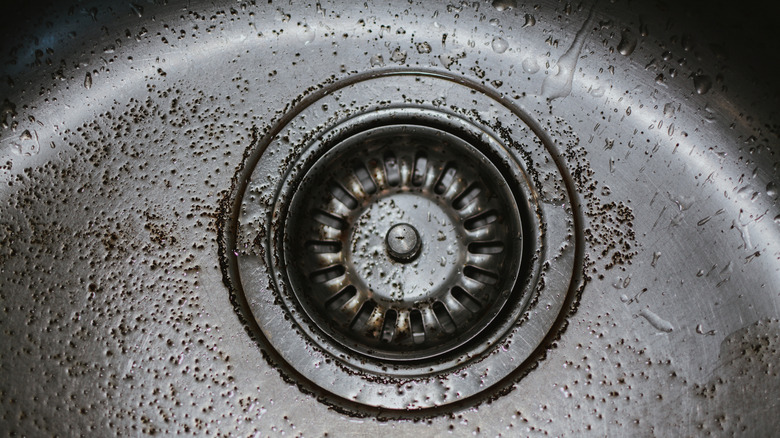
Coffee grounds are so small that it must be okay to pour them straight down the drain after your morning cup of joe, right? Wrong. These little granules are small-but-mighty, and they can actually cause major blockages in your kitchen plumbing. While you might think that coffee grounds would dissolve after pouring them down the drain, they don't. Rather, they sink to the bottom of your pipes where they clump together with soap, grease, and food residue. This creates a thick, nasty sludge that blocks your pipes and leaves you with foul odors, too.
If you make coffee with a moka pot or French press and tend to pour your coffee grounds down the sink, start experimenting with other ways to get rid of them. Sure, dumping them into the trash is a perfectly fine (and easy) option, but there are other ways to utilize them in your kitchen, whether you decide to cook with coffee grounds or use them to eliminate odors. It's an easy habit to break, so long as you're willing to take a few extra steps to protect your pipes.