

21 Cocktails That Define The 21st Century (So Far)
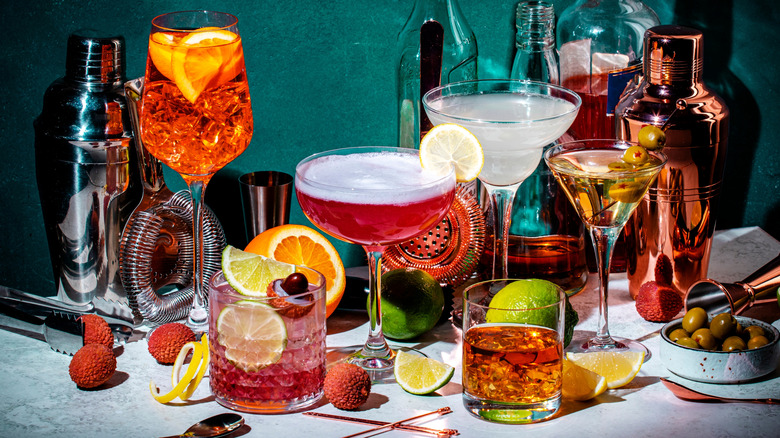
The 20th century gave us Prohibition-era cocktails, the mid-century martini, and the tiki craze, but more than just the style shifted in the new millennium. With new home and lifestyle trends came imaginative cocktails, but the new era also brought some oldies back. As a bar pro, I never plan on seeing classics like dirty martinis and Negronis disappear, but I have seen drinks emerge rapidly, many of which become a status symbol rather than a drink preference.
Some have been appreciated for the taste, while others were used solely as props during social media's cultural peak or as inspiration for other concoctions. While not necessarily the best cocktails of the century so far, these popular drinks capture how cocktail culture has changed over the past 20-plus years. Between the craft cocktail comeback, nostalgia for classic flavors, and interest in brunch-driven libations, these 21 cocktails define the modern drinking trends, habits, and aesthetics of the 21st century.
Espresso martini
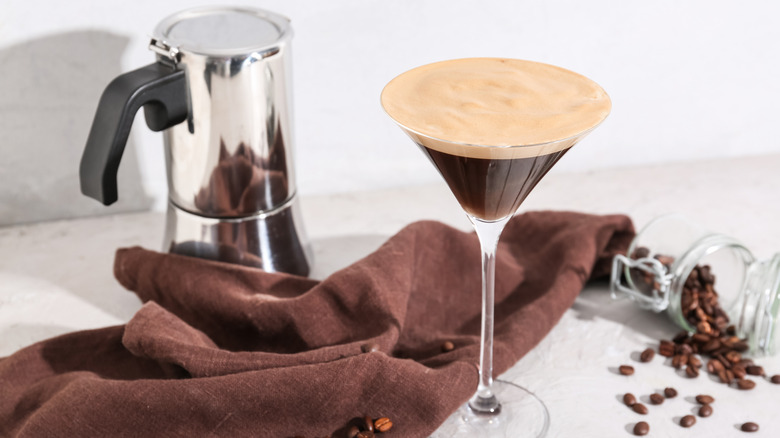
The espresso martini has been one of the buzziest cocktails of the last decade, but it was concocted back in the '80s. Apparently, it was a supermodel who requested a cocktail at London's Soho Brasserie that would jolt her awake and provide a buzz. The bartender happily accommodated her, shaking up vodka, coffee liqueur, and espresso.
It was referred to as the Pharmaceutical Stimulant for a few decades before becoming the espresso martini, mostly because of the tall glass it was typically served in. The espresso martini is the ultimate pick-me-up, and I've seen firsthand how it took over the 21st century, fueling sophisticated energy jolts that became synonymous with this era of nightlife. Now, espresso martinis are so popular that brands are bottling and canning the cocktail.
Negroni
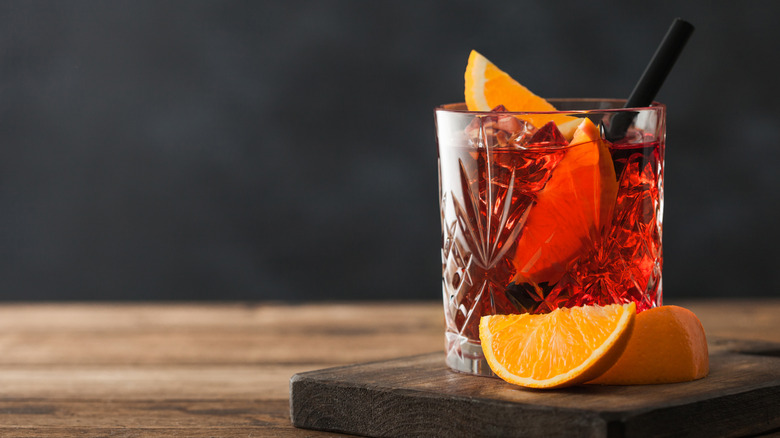
There's no mystery when it comes to this Italian cocktail's origins. It's named after Count Camillo Negroni, who strutted into Caffè Casoni in 1919 and ordered his usual Americano (Campari, sweet vermouth, and soda), but with gin rather than soda water. The bartender stirred the cocktail, strained it over fresh ice, and garnished it with a juicy orange for a bit more oomph than the Americano's usual lemon slice.
The gin-based drink is sweet, bitter, and perfectly juicy. As a long-time bartender favorite, it has solidified itself as a sophisticated favorite during the craft cocktail revival. I never really saw Negroni orders slow down during my peak bartending days, but it's been particularly on-trend within the past few years, and Emma D'Arcy's viral love for a Negroni Sbagliato didn't help ease the fandom.
Spicy margarita
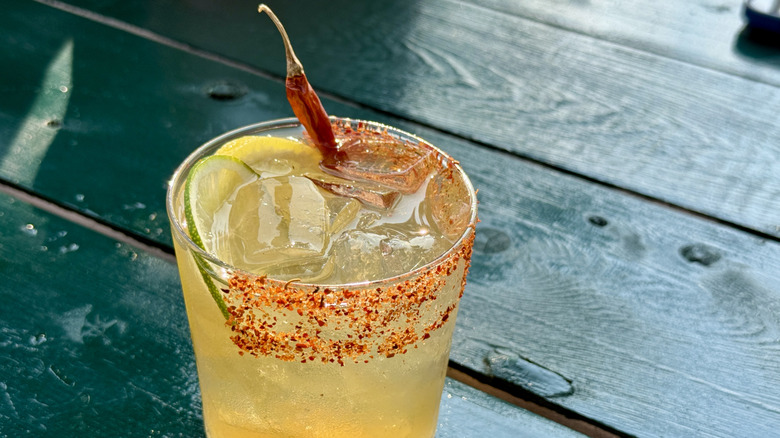
It's hard to imagine a world without margaritas. This cocktail's origins are a bit blurrier than the Negroni's, but it's a Mexican-American classic. The spicy margarita, however, is a newer twist on the standard that's appeared on just about every bar menu over the last few decades. Tex-Mex restaurants and cantinas often advertise extensive margarita menus, with dozens of flavors and different garnishes.
The 21st century, particularly the 2010s, had a certain fascination with heat, and spicy margaritas delivered capsaicin and bright citrus all within one balanced glass. Major tequila brands like Casamigos and Skinny Girl have even started bottling the concept.
Aperol Spritz
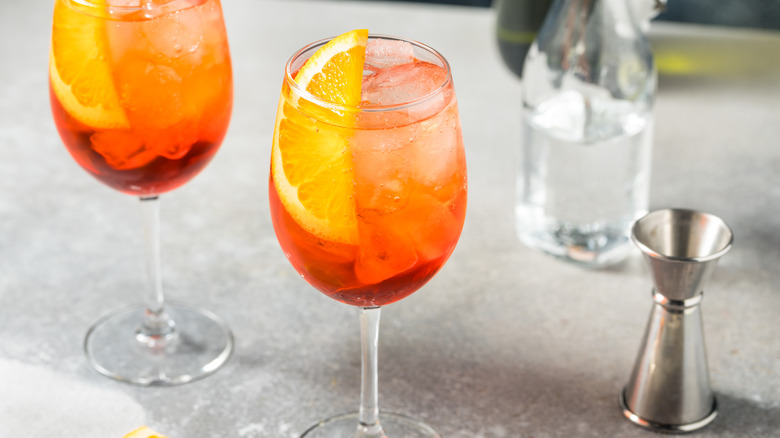
Here we have another Italian cocktail, one that's forever associated with warm seasons and al fresco meals. Spritzes (sparkling wine cocktails) date back to the 18th century, when Austrian soldiers watered down boozy local wines to make "spritzen." Aperol showed up later in 1919, and once the bitter aperitivo was added to the recipe, the Aperol Spritz was introduced.
After Campari Group bought out Aperol in 2003, the brand skyrocketed, and the bottle was routinely advertised alongside a refreshing Aperol Spritz served with an orange slice in a wine glass with plenty of ice. By the 2010s, it was one of Europe's best-selling cocktails, and one of America's most popular soon after. With a much lower ABV than other stiff cocktails, it's more of a daytime spritz and has become a popular option on brunch menus.
Dirty martini
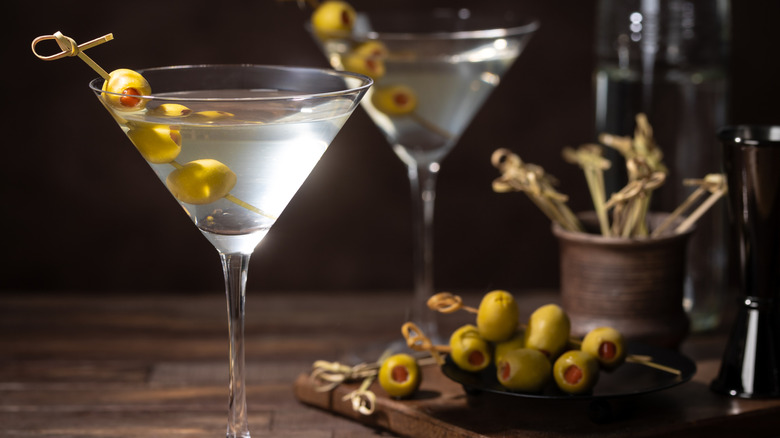
The martini is one of the most beloved cocktails, and drinkers with a salty tooth order it dirty or extra dirty if they're feeling ambitious. Many credit President Franklin D. Roosevelt for the dirty martini; he apparently stirred his martinis with an olive and welcomed extra brine in his glass.
The recipe might only call for a few ingredients — vodka or gin, dry vermouth, and olive brine — but making any martini is quite the production, let alone a finicky dirty preparation. If it's not ice cold and perfectly savory, it can go south fast. While it was often associated with ritzy business folks and serious drinkers, it circled back as the cool new "it girl" drink within the past few years. The stiff cocktail reflects the century's pivot toward savory sips, with much credit to social media accelerating the trend.
Frosé
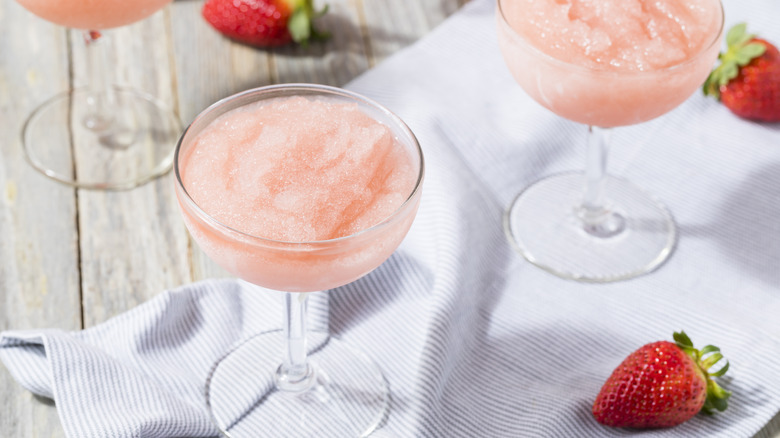
You should only chill a bottle of wine in the freezer for half an hour or so, but there are other ways to obtain that frosty, slushie-like consistency, and it rhymes with rosé. Frosé, aka frozen rosé, is the perfect summer slush for wine lovers. There very well may be geniuses who blended pink wine and ice before 2016, but NYC's Bar Primi popularized the refreshing cocktail that summer.
Just about every publication started buzzing about frosé, from Vogue to The New Yorker, pushing it as the poster child for cool-down cocktails. Sure, wine and ice are a notoriously taboo combo, but if you want the best of both worlds, it's the right move. If there's a bottle of neglected rosé lying around, it will serve a better purpose in the blender.
Cape Codder
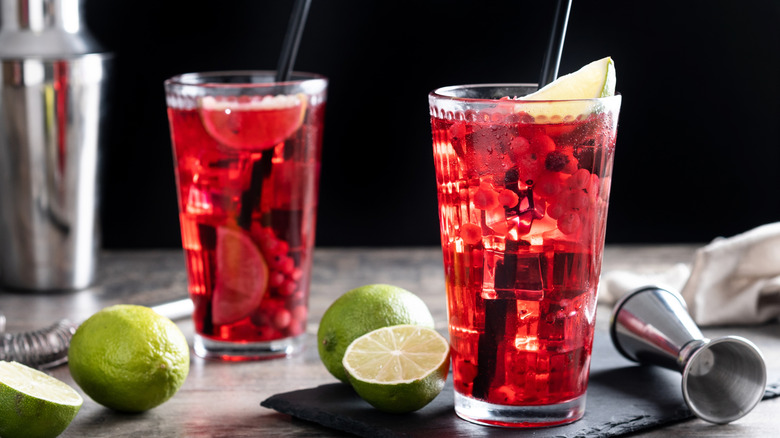
Many folks may order a vodka cranberry, but the two-ingredient cocktail is officially called a Cape Codder. Vodka is essentially a blank canvas in the eyes of a bartender, as it will absorb any flavors put in its way, and tart cranberry juice is the perfect companion.
Ocean Spray is a big name in the juice world, and the brand has been pushing its cranberry cocktail as a mixer since the 1950s. By the mid-'60s, the term was gaining traction, and soon the name "Cape Codder" would be on everyone's lips, especially in New England. While complex, artisan cocktails started becoming the norm, the Cape Codder remained the era's simple retreat on a nice, summer afternoon and one of vodka's No. 1 companions.
Pickleback
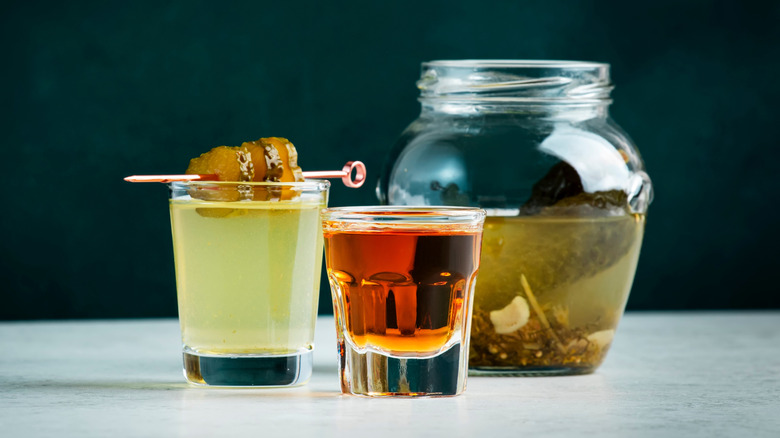
Whether the pickleback was crafted as a joke or with genuine intentions, the result wowed drinkers. The whiskey and pickle juice chaser is a Brooklyn-born concoction, and a perfect example of "don't knock it until you've tried it." The protocol is simple — shoot the whiskey, then the pickle juice. The tangy, sour pickle brine completely masks any burn from the whiskey shot and brings out the liquor's sweetness. Reggie Cunningham, the brains behind the dual shot, started with Old Crow bourbon and used the spicy brine from McClure's spicy dills.
It wasn't long before the pickleback spread to menus all over NYC, with The New York Times celebrating it in 2010. Picklebacks were huge throughout the following decade, and remain a popular way to kick off a rowdy night at the bar. I've somehow even convinced non-pickle fans to give picklebacks a try, and they are now proud converts.
Paloma
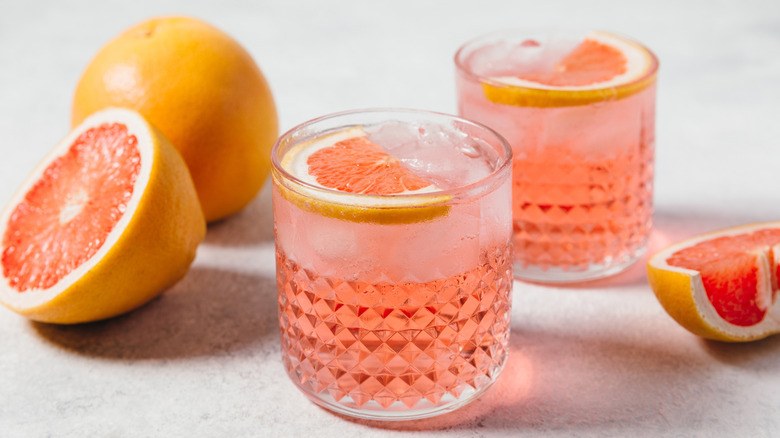
This tequila (or mezcal) cocktail is another simple one-and-one cocktail made with tequila and grapefruit juice, but the layers of complex flavors could fool anyone into assuming there's a long list of ingredients. Margaritas get their sweetness from orange liqueur, whereas Palomas lead with a more refreshing tartness.
Palomas are even more popular than margaritas in Mexico, and now they're catching up in the U.S. They were particularly popular throughout the 2010s and still live on every tequila-centered drink menu. In Mexico, the cocktail traditionally used grapefruit soda, like Jarritos (our top choice) or Squirt, but most Palomas we see up north are made with freshly squeezed grapefruit juice, serving as a more tart alternative to the margarita that's become a fixture of the 21st-century bar menu.
Moscow mule
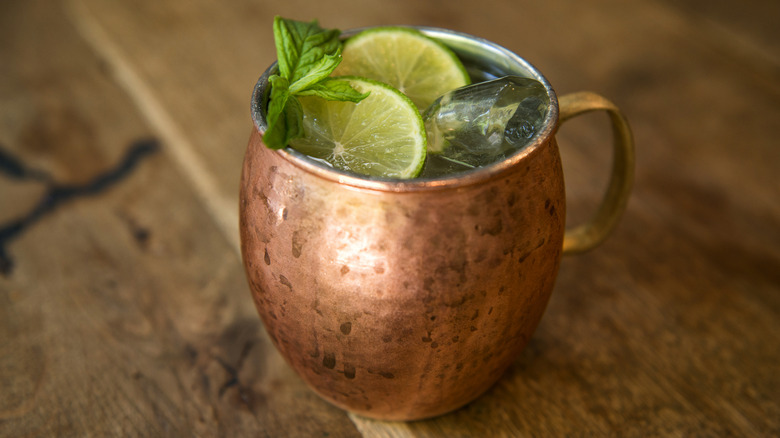
One origin story for the Moscow mule begins in Southern California and dates back to the 1940s. It was a collaboration between three people: One was looking to sell vodka (Smirnoff, in particular), another ginger beer, and the third, copper mugs. When fresh lime juice was added, the Moscow Mule was born.
Once 2016 hit, the Moscow Mule's popularity nearly outpaced the mojito, and dozens of ginger-beer mule variations were popping up. Social media's rise in the 2010s coincided with this bold drink and the general rise of copper-mugged mules like Mexican, Kentucky, and London Mules, proving the format was a hit. The hammered copper mug was half the fun, with some bars worrying about constant theft. This choice of servingware was not just for looks; the pure copper actually keeps the cocktail extra frosty cold.
Dark 'n Stormy
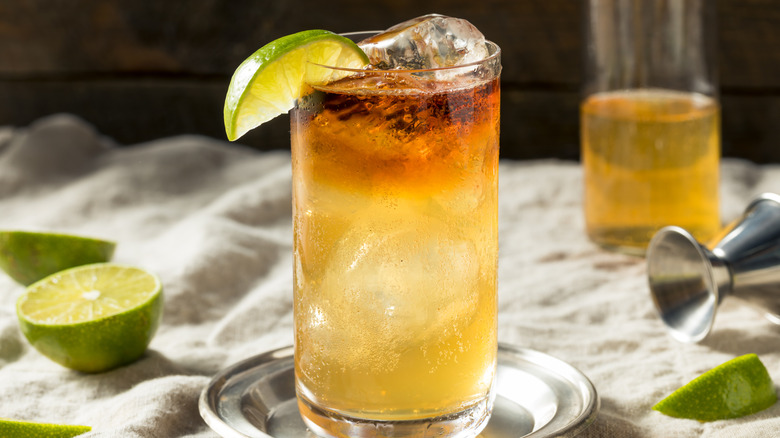
This is another cocktail celebrating ginger beer, but it pairs it with rum. Gosling's Black Seal rum holds the trademark to the Dark 'n Stormy, which was named for its signature ombré appearance. Served in an ice-filled highball glass, the dark rum separates from the peppery ginger beer to create the signature layered visual. Once mixed, the drink becomes a murky color that resembles a gloomy island day, hence the name. It's sharper and spicier than a Moscow mule, with the rum's molasses playing against ginger's spice.
Between the ginger beer hype and its unique appearance, Dark 'n Stormys were a perfect contender for photo ops during peak Instagram days. The cocktail seemed to be everywhere throughout the 2010s, proving cocktails of this century don't need fancy garnishes or tinctures to impress.
Mojito
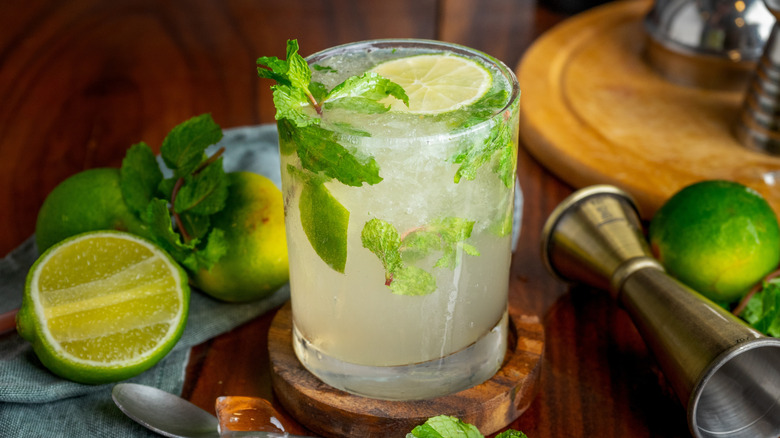
Mojitos are a Cuban delight, with a rich history dating back to the 16th century. Ernest Hemingway, who sipped mojitos religiously in Havana, helped spread the word about the delicious cocktail, but it wasn't until the Cuban Revolution that it really took hold in the U.S.
The mojito cocktail was also highlighted in an early 2000s James Bond movie, "Die Another Day," which, of course, officially marked it as cool. The bright combination of white rum, fresh muddled mint, soda water, and lime will always be the ultimate refresher, especially with the cocktail's signature crushed ice. Alongside other refreshing, beachy cocktails like piña coladas and fruity daiquiris, mojitos became the unspoken cocktail of vacation time in the 2000s.
Mimosa
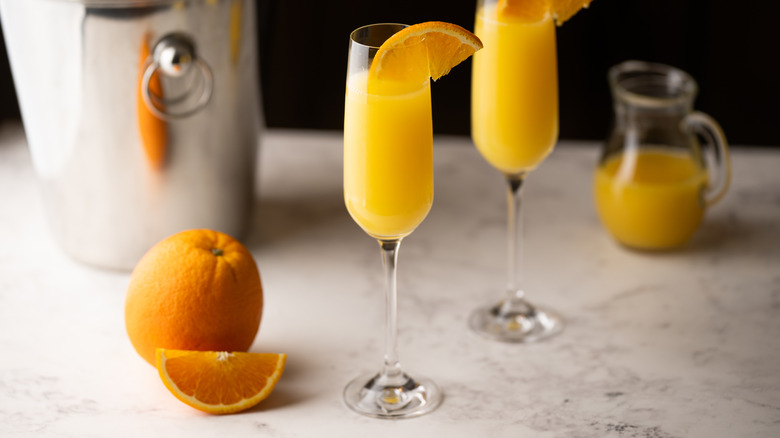
This celebratory cocktail is one of the few that are socially acceptable to order well before noon. The mimosa, made with sparkling wine and orange juice, has been a brunch favorite ever since the 1920s, but I've heard whispers of "the Millennial Mimosa" due to its extreme popularity in the 2010s.
With an uptick in bottomless mimosa brunches, the juicy cocktail solidified itself as the standard morning drink across all demographics. In the 20th century, Champagne was often sipped straight, but the next century figured out a way to extend drinking well into the afternoon — with a bit of juice. The flute makes it feel fancy and elite, but the fresh juice makes it very drinkable.
Bloody mary
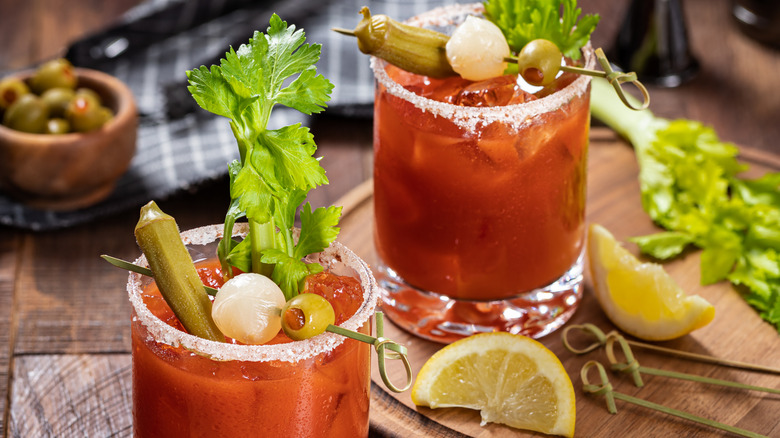
You can't bring up brunch without name-dropping the one and only bloody mary. It's either adored or reviled, but its popularity has never wavered. There's no denying the vodka cocktail's unique flavors, as it's made with tomato juice, horseradish, lemon, Worcestershire, and hot sauce. The idea behind the chaotic blend was purely functional, designed to ease a rough morning hangover.
There are a variety of ways to improve your bloody mary, from how much you shake it to the level of heat. With the energetic brunch culture of the 2010s, daytime drinking felt celebrated and DIY bloody mary bars made the experience personalized. The garnishes are the best part if you're famished; it's typically finished with a celery stalk and olives.
Strawberry daiquiri
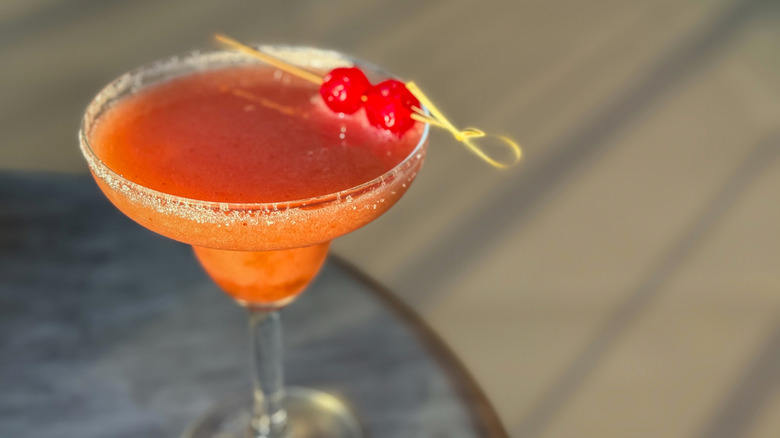
Daiquiris are another flawless Cuban invention, with records dating all the way back to 1898. The simple foundation is just white rum, fresh lime, and some simple syrup, but the fun flavors didn't start appearing on drink menus until much later, with strawberry becoming a universal favorite. With new, powerful blenders hitting shelves throughout the 1940s and '50s, home cooks were experimenting during the heyday of home entertaining, starting with the cocktails.
Some cocktails taste like the goal is to erase any whisper of alcohol, while others use the spirit's natural flavors to its advantage. Strawberry daiquiris embody the latter, with the rum helping to sweeten the icy beverage. While not always served frozen, the iconic icy blended versions were a hit in the early 2000s. Whenever summer rolls around, drinkers are nostalgic for the ultra sweet flavors and the orders still come flooding in.
Cosmopolitan
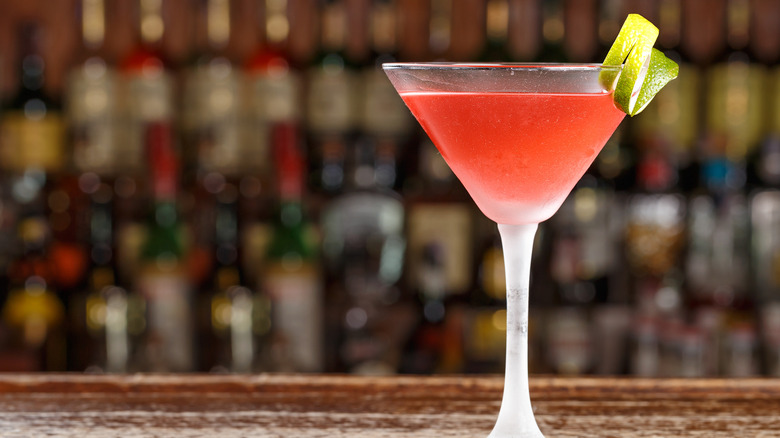
Being Carrie Bradshaw's go-to drink likely had something to do with the Cosmopolitan's popularity from 1998 to 2004. Apparently, Madonna was also seen with the vibrantly pink cocktail at the Rainbow Room in 1988, and everyone wanted to copy her. Since it thrived into the late '90s, the Cosmopolitan admiration naturally carried on into the 2000s.
Served up like a martini, as icy as can be, the cocktail is made with vodka (often Citron), Cointreau, fresh lime, and just a touch of cranberry – mostly for color, honestly. It's stiff but resembles a sweet fruit punch that always seems to come back into fashion. The cocktail became a common order again years later, with a spike in the beginning of the 2020s.
Red Bull vodka
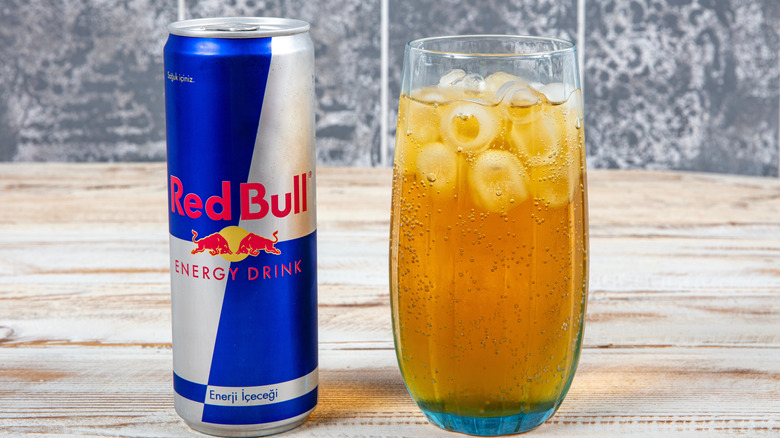
If there's a drink that defines early 2000s nightlife, it's an overly stimulating vodka Red Bull. This was the go-to club drink of the late '90s and well into the new millennium, despite the potential for some pretty loud heart palpitations. Anyone who wanted to dance all night or catch up with their friends would order this dangerous combo, especially popular at rowdy clubs and college parties.
Now, shelves are covered with plenty of energy drinks, but there was a time when Red Bull was the only option. By the time I was bartending in the 2010s, its prime had clearly passed, but its influence still lingers, earning it a well-earned spot on this century's most impressionable cocktails.
Lemon drop
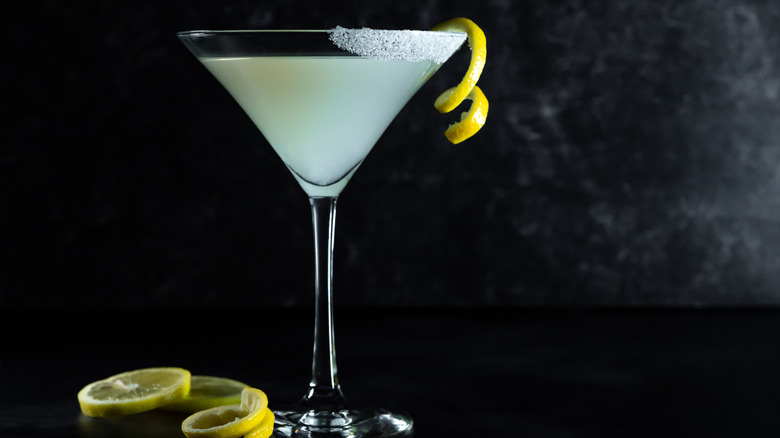
The lemon drop cocktail, which was originally created in the 1970s and popularized in the '80s, had a surprising resurgence in the mid-2000s after being featured on daytime TV by Oprah and Rachael Ray. Like fashion, it always comes back around.
The sticky-sweet vodka cocktail, made with lemon juice and sugar, is famously served up with a sugared rim — because an ounce of simple syrup isn't sweet enough. For any candy lovers, this martini perfectly mimics the taste of tart lemon drops. Dessert-style cocktails like the lemon drop certainly had a moment in the early 2000s, alongside chocolate martinis and creamy mudslides, but the lemon drop continues to resurface, with bartenders consistently spotting the cocktail again in the 2020s.
Whiskey sour
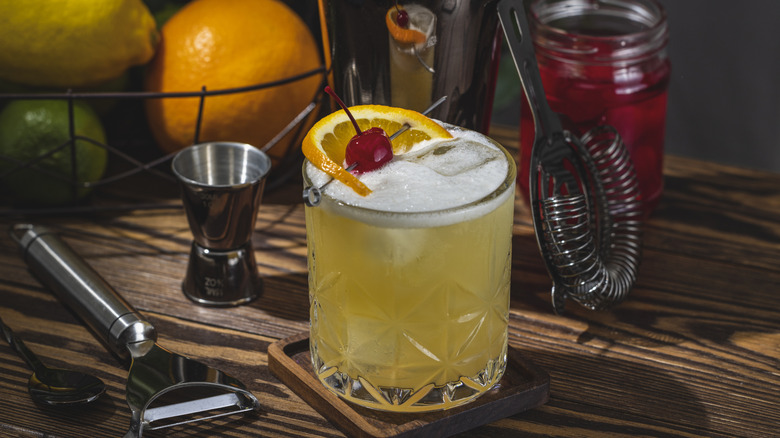
Whiskey sours have been around for centuries, with some recipes dating back as early as 1883. The cocktail continues to spike in popularity every few years, and it seems to be having a moment again. While it's one of the oldest cocktails on this list, it fits perfectly into the current wave of interesting, spirit-forward drinks.
Some bars would instinctively use pre-made sour mix, but a traditional whiskey sour is made with whiskey, lemon, simple syrup, and one egg white. The mixture is carefully shaken dry to add a one-of-a-kind airiness. So many modern cocktails, like the Penicillin and the Gold Rush, are inspired by the tangy cocktail, solidifying it as one of this century's signature pours.
Last word
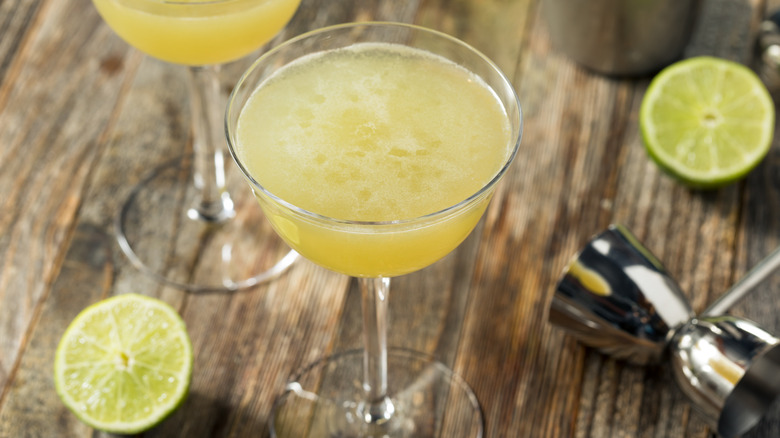
The origins of the last word are as mysterious as the cocktail's hypnotizing green color, with some accounts tracing back to 1915 in Detroit. This may be a Prohibition-era cocktail, but in the early 2000s, it came back in style, thanks to a bartender in Seattle. Everyone seemed to have forgotten about the unique gin and green Chartreuse cocktail until it appeared on the Zig Zag Café's menu in 2004.
Bartender Murray Stenson came across the recipe in a 1951 cocktail book by Ted Saucier and felt the last word deserved to see the light of day again. In addition to gin and the herbaceous French liqueur, the recipe called for fresh lime juice and maraschino liqueur. The cocktail became so popular in the 2020s that the entire world actually saw a Chartreuse shortage.
Green tea shots
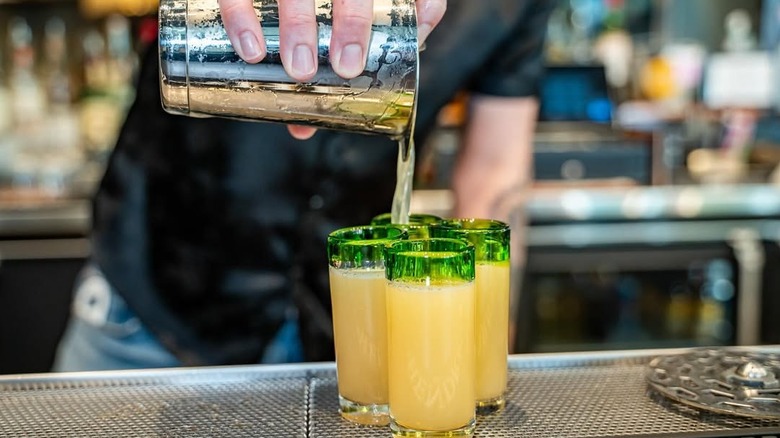
I remember green tea shots (not so fondly) from my early bar-hopping days. The ultra-sweet shooter, which actually contains zero green tea, is one of those sugary, stiff sips that can go right to your head. The concoction, made of Irish whiskey, peach schnapps, and sour mix, erupted in the late 2000s, took a back seat for a bit, and came back around in recent years.
It looks and tastes shockingly similar to green tea, just with heaps of syrupy sweetness. The pale green color makes it a quick sell on St. Patrick's Day, when folks are willing to consume anything just because it's green. Some drinks are for sipping while others prioritize fun, and this celebratory shot is one of this century's standards, with a special place in millennials' hearts.