

10 Store-Bought Foods That Are Actually Only A Good Deal In Theory
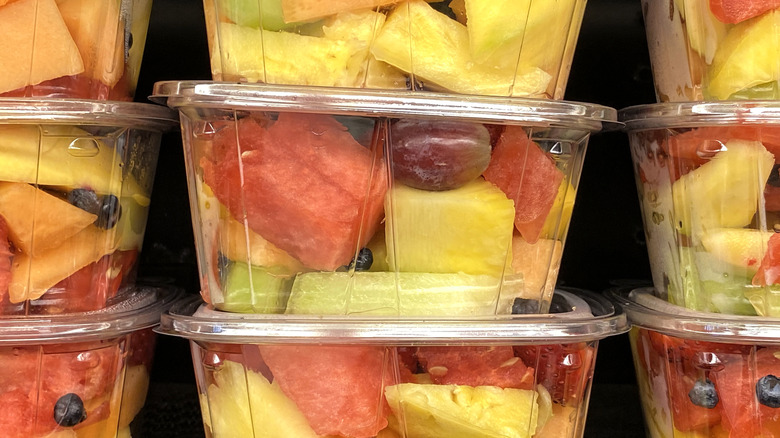
You'll find countless convenience food products on grocery store shelves, often marketed as time- or money-saving options that can simplify the cooking, baking, or snacking process. It's easy to see the allure of these pre-portioned or ready-mixed items, but how many of them actually live up to expectation?
Sometimes, it's worth paying an extra few dollars for something that will seemingly make life easier, but this isn't always the best decision in every instance. Many store-bought products sound great in theory, but don't hold up when it comes to quality, markup, or overall effort. And, in a sea of fancy branding and pushy marketing, it can be tricky to figure out what's genuinely useful.
To help you get the best out of your next grocery haul, we've done the research for you. This handy guide highlights 10 tempting picks that are best avoided if quality and thriftiness are your goals. Thankfully, there are plenty of alternatives on offer. So, if some of these items are regulars in your cart, you'll still be able to enjoy the foods you love while practicing savvier shopping habits.
1. Salad kits
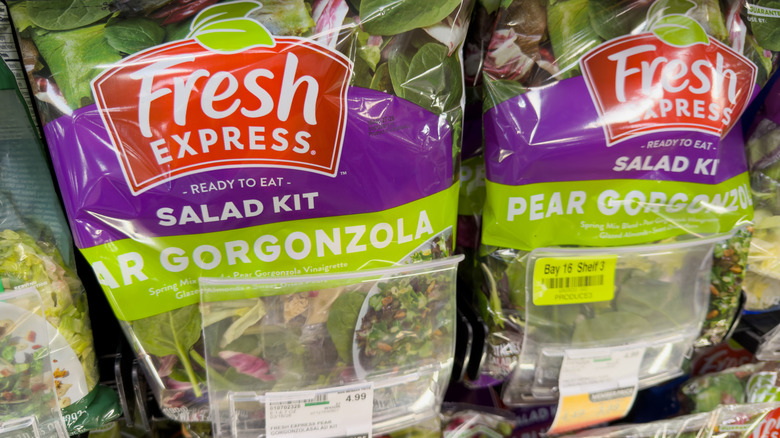
We get it, reaching for a store-bought salad kit can save a significant amount of time and brainspace. There's no deciding which veggies to include, no traipsing around the aisles to locate them all, and no chopping once you're back home. Just toss the leafy greens and pre-made dressing together, and you're good to go. However, there are some notable trade-offs to consider here.
While buying the components of a salad separately might initially seem more costly than picking up a single pre-mixed bag, this is rarely true. Gram for gram, you'll get much more bang for your buck when purchasing classic salad add-ins individually. Fresh produce items like cucumbers, lettuce, carrots, and tomatoes are all readily available and relatively inexpensive. Of course, you'll need to spend a few minutes chopping everything, but we'd argue this is absolutely worth it. The result will be a much larger portion of salad that'll stretch further, bringing the cost per serving down dramatically.
A from-scratch salad will likely be superior in quality, too. By the time you open up a store-bought salad bag, the veggies inside may have been chopped as far back as two weeks ago. This means their flavor, texture, and nutrient content doesn't hold up against that of their unprocessed counterparts. And, while there's always the option to jazz up a salad kit with some extra ingredients, a homemade salad offers far more opportunity for customization, with an endless array of colorful, crunchy add-ins, and tangy, creamy, or herby dressings to try.
2. Pre-marinated meats
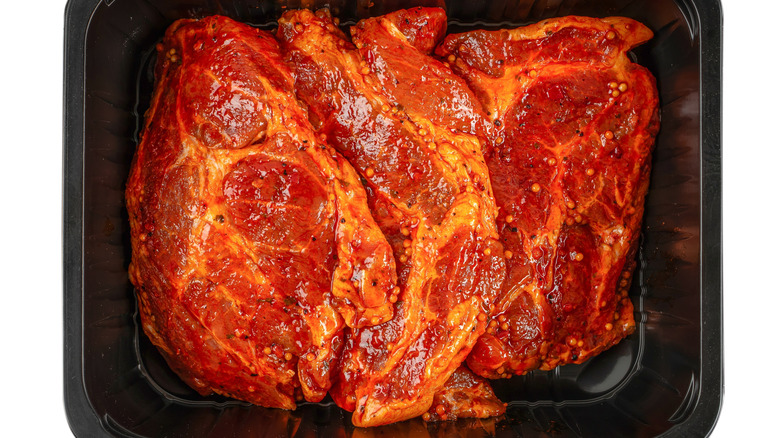
Marinating your meat is a fantastic way to make a meal more interesting, but when working with plain steaks, chicken breasts, or pork chops, this flavor-boosting step is easily forgotten or left too late. By purchasing pre-marinated meat, the work is done for you, with the herb- and spice-coated meat ready to cook straight from the package.
It might sound ideal, but, unfortunately, pre-marinated meat comes with its own set of downfalls. Uneven marination is one of the most common issues here. All too often, the meat is packaged in a rather haphazard way, with pieces clumped together or folded over. This means that not every part of the meat comes into contact with the marinade, which has a negative impact on both flavor and texture. What's more, pre-packaged marinades tend to be laden with sodium and unnecessary additives. Mix your own, and you'll have full control over what goes in.
Unsurprisingly, you'll pay for this convenience too. Buying pre-marinated meat is generally more costly than buying the plain cuts and seasonings separately. And, with manufacturers using techniques like vacuum tumbling to artificially increase the water weight of marinated meats, you're essentially forking out more money for lower quality products. Therefore, crafting a marinade from scratch is a far more sensible approach. There are plenty of fuss-free, flavor-packed options to experiment with. Our easy three-ingredient steak marinade is a top pick, and a simple medley of olive oil, lemon juice, garlic, and herbs is guaranteed to elevate grilled chicken.
3. Pre-cut fruit and vegetables
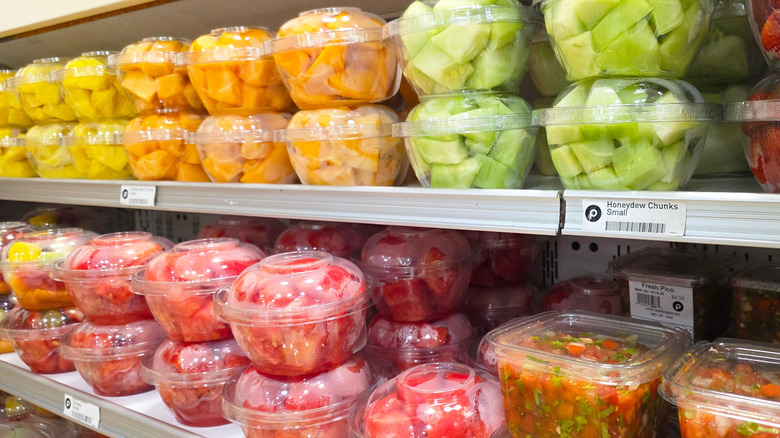
Pleasingly portioned into plastic tubs, those vibrant, evenly-chopped chunks of melon, mango, carrots, or bell peppers we see on grocery store shelves are undeniably appealing. Chopping large fruits or vegetables with inedible skins or seeds can be a hassle, so it's no wonder pre-prepped versions remain a popular pick amongst shoppers. These handy packs serve as a nutritious way to snack on the go or save time at home, but once again, they also come with their cons.
The most significant issue to note is the potential health risks that come with consuming these pre-cut products. Improper handling during processing can lead to contamination with harmful pathogens such as Listeria or Salmonella. In fact, over the years, there have been multiple recalls of pre-cut products due to outbreaks of food-borne illness, with cantaloupe melons being a common culprit. Additionally, chopping the fruits and vegetables increases their surface area. This makes it much easier for bacteria to spread and thrive on the produce, and the foods tend to spoil much faster than whole, unprocessed varieties. Since pre-cut produce is more costly, it's worth weighing up the risks versus the rewards here. If you have an extra few minutes to spare, we'd recommend prepping whole fruits and vegetables yourself for fresher, tastier, and safer results.
4. Snack packs
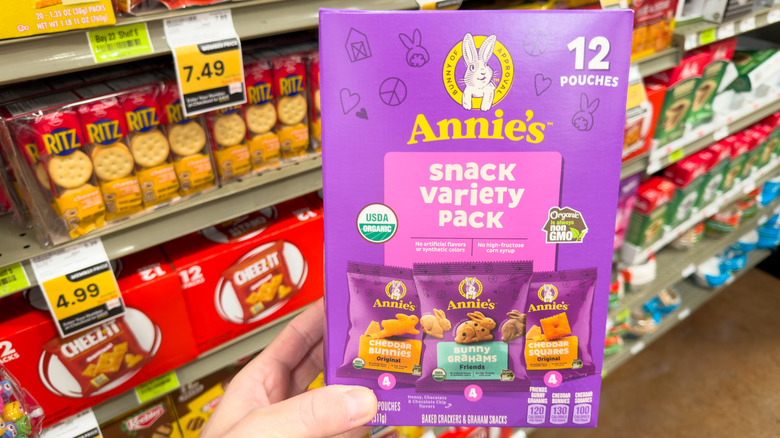
When you're whipping up a packed lunch for yourself or the kids, convenience is key, and opting for pre-portioned snack packs seems like a great option. These individually packaged servings of chips, crackers, or dried fruits fit snuggly into a lunchbox, with zero prep required. They are, however, victim to some eye-watering markups.
Choose a snack pack product, and you'll have to accept the premium price tag. For example, 12 1-ounce packets of Goldfish Crackers will set you back around $5 at Walmart. But, you can grab a full-sized carton of the cheesy snacks at a much cheaper cost per ounce. Similarly, individual bags of Cheez-It Classic Snack Mix come in at almost $0.80 per ounce, while the family-sized package will save you over half that amount. The same principle applies to chilled snack products that contain pre-cut meats and cheeses. These often come in disappointedly measly portions, and purchasing the elements individually will almost always work out cheaper.
By portioning out your own snacks from larger sharing bags, or using fresh produce, you'll save money and reduce unnecessary packaging. Or, for an even thriftier approach, you could try making your own snacks from scratch. Homemade granola bars, energy balls, muffins, or trail mixes are all perfect for preparing in bulk and taking on the go.
5. Seasoning packets
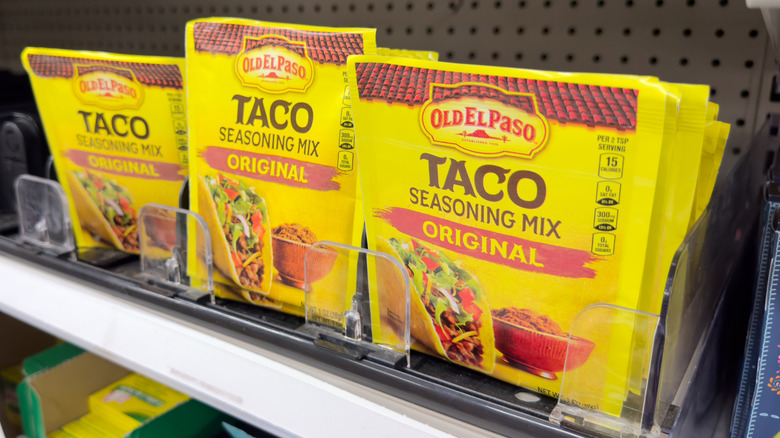
Seasonings are a must-have addition to any home pantry, but is buying pre-mixed sachets really the way forward? Spice blends take the guesswork out of measuring, while saving you time and offering consistency in flavor. On the hand, they're more expensive. As with many convenience products, you can achieve similar results more cost-effectively by purchasing the individual elements of the blend and mixing them yourself.
Take taco seasoning, for example. A 1-ounce packet (about 2 tablespoons of seasoning) will cost around $1. But, you can also make your own taco seasoning mixture with minimal effort. While the initial outlay for buying the individual herbs and spices like chili powder, cumin, paprika, and oregano is greater, you'll get multiple batches of seasoning mix out of the products. This dramatically decreases the cost per serving. Other classic blends such as chili mix or fried rice seasonings come with the same premium, so we'd always recommend crafting from-scratch versions instead.
As well as their heftier price tags, store-bought seasoning mixes often contain high levels of sodium, sugar, and unwanted additives. Combining individual dried herbs and spices allows for precise control over what goes into your blend, keeping your meals healthier and more tailored to your taste.
6. Canned coffee
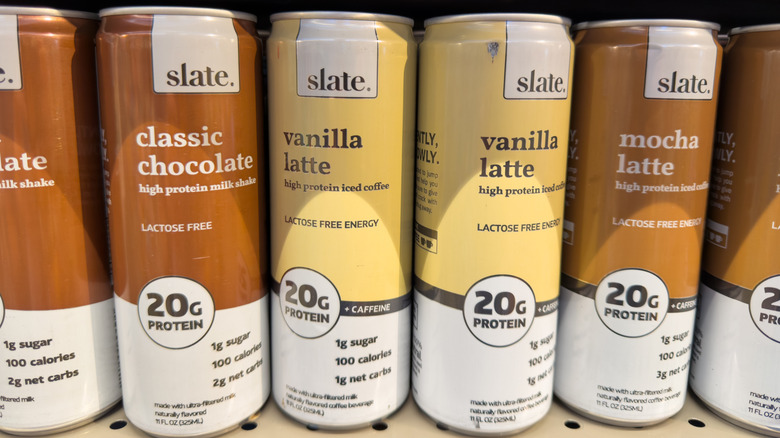
A home-brewed coffee isn't always an option, and store-bought canned coffee products are a popular choice for getting that all-important caffeine boost on the go. These handy cans come in multiple varieties, from classic cold brew lattes to those flavored with vanilla, chocolate, or caramel. Some even offer a notable dose of protein, making them a seemingly healthy choice.
Despite its convenience and versatility, canned coffee should be approached with caution. More often than not, these products are laden with sugar or artificial sweeteners. It's not uncommon for a single can to contain 20 grams of sugar, which is more than you'll find in many sodas. Stabilizers and preservatives feature heavily too — ingredients you won't generally find in freshly-brewed sips. The cost factor is also worth noting here. A canned cold brew probably won't set you back quite as much as a visit to your local cafe, but a homemade coffee will always be the most budget-friendly option.
Canned cold brew rarely tastes as good as its fresh counterpart, either. Many consumers report a slightly funky or artificial taste amongst canned products, which may be a result of the pasteurization process, or perhaps the plethora of additives. For the best results, brew your own with ground coffee and water, adjusting the sweetness and flavorings to your own taste.
7. Premium branded items

When you see words like "premium" or "gourmet-style" on a product's packaging, you naturally assume the utmost quality. Pair these upscale brand names and taglines with sleek labelling, elegant fonts, and carefully-crafted color palettes, and you've got a product that instantly appears superior. However, these upgrades are often more about perception than reality, and fancy branding doesn't always signify a better-tasting product.
Of course, many beautifully-presented, small batch or artisanal foods do possess exceptional quality, making their higher price tag more justified. The issue is manufacturers who lean heavily on the visual appeal of the packaging, so they can hike up their prices without actually upgrading the product inside. When taste testers compare branded versions of everyday foods with cheaper alternatives, the variation in taste is often minimal, and some budget items even outperform their premium counterparts. This shows just how much impact branding can have on our shopping habits.
A more reliable way to assess quality is checking ingredients lists, learning more about how products are sourced and manufactured, and reading reviews. So, next time you're tempted purely by that glossy branding, think twice before tossing the package into your cart.
8. Single serve yogurts
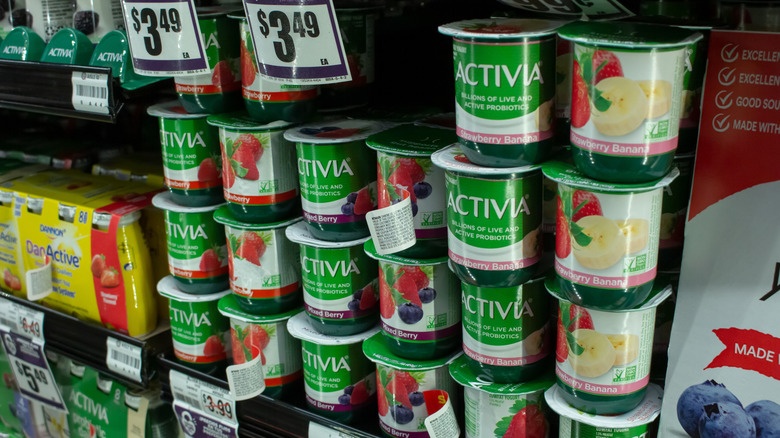
Much like snack packs and pre-cut produce, single-serve yogurts appeal to those looking for pre-portioned, ready-to-eat products that are easily transportable. Multi-packs often provide a variety of flavors and help reduce waste by keeping the yogurt sealed and fresh until you're ready to enjoy it. And, you guessed it — these benefits come at a cost.
Budget-conscious shoppers are better off purchasing a single, larger tub of yogurt. This is demonstrated perfectly by the pricing of Walmart's Great Value Lowfat Strawberry Yogurt. A four-pack of single serve yogurts, totaling 24 ounces, costs $2.48 at the time of writing. However, you can also pick up a single 32 ounce tub for just $0.16 cents more. Not only does the single-tub approach lower costs, but it reduces the amount of plastic packaging, too, so it's a win-win all round.
Buying a larger tub also allows you to adjust your portioning to your liking, which is great if you're catering to differing appetites in your household. There's plenty of room to upgrade your yogurt with extras like fruits, spices, or nut butters, and there's no reason why you can't take it on the go. Just spoon some yogurt into a lidded airtight container and pop it into your cooler bag to keep everything fresh until lunchtime.
9. Frozen smoothie mixes
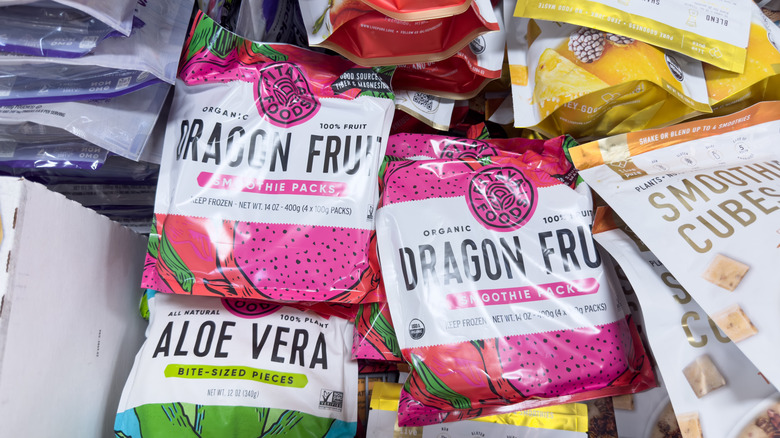
A fruity smoothie is a refreshing way to start the day, and frozen smoothie mixes make the prep process wonderfully speedy. Just add the contents of the package to your blender with a splash of juice, milk, or water, and your nutrient-packed drink will be ready in seconds.
Smoothie mixes generally combine various pre-chopped fruits and vegetables, such as bananas, berries, spinach, kale, or mango, which are packaged up in just the right ratios to produce a well-balanced flavor. When using these products, you won't have to search for a recipe or bust out the chopping board, but you will have to fork out more money at the store. Buying individual frozen fruits or opting for fresh produce is a much more economical, and often just as simple a way to get your smoothie fix.
Smoothie mixes are also known for containing sneaky fillers. Added sugars, artificial flavorings, and thickeners are commonplace in these products, too. So, keeping things simple with individual fruits and veggies will ensure an all-natural finish.
10. Jarred, pre-minced garlic
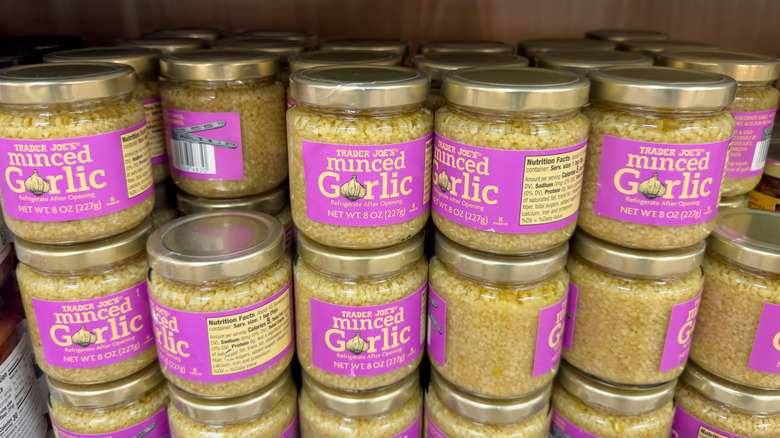
At first glance, the concept of jarred minced garlic seems like a game-changer. Pre-minced versions can be spooned into your dish straight from the jar, removing any need for prep, and keeping your hands free of lingering garlic smells. There's no denying the time-saving benefits, but as tempting as jarred garlic may be, it simply can't compete with its fresh counterpart.
We totally understand that peeling and finely chopping those pungent cloves can be fiddly, but in this case, the extra effort is absolutely worth it. Fresh garlic delivers a bolder, more complex flavor, while jarred varieties tend to be much more muted. This is largely due to the preservatives used to extend its shelf life, such as citric acid, which can dull the garlic's natural sharpness and introduce a slightly acidic note. As a result, you may find yourself needing to use more of the jarred stuff to achieve the same depth of flavor.
There's also the matter of cost. A jar might seem affordable upfront, but fresh bulbs are typically cheaper per serving and stay fresh for months when stored correctly. Plus, prepping garlic at home doesn't have to be a hassle. Using the handy microwave trick makes peeling a breeze, and a garlic press can mince cloves in seconds.