

12 Vegetables You Should Be Mashing Beyond Potatoes
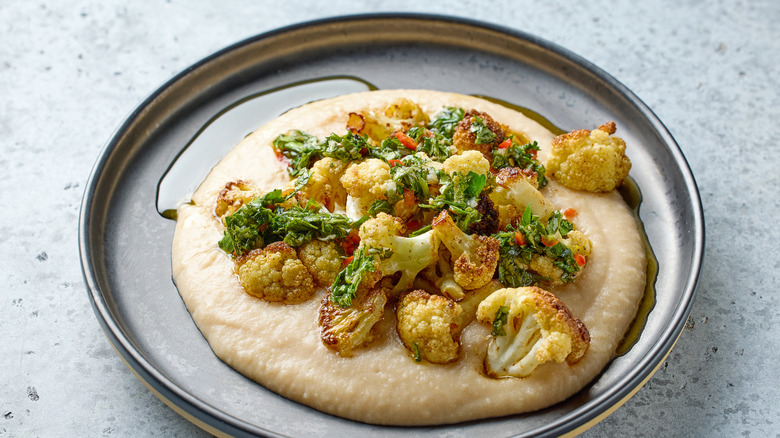
Mashed potatoes are a universally loved side dish in the United States. Everyone has their own secret ingredient to make it sing, but the basics typically remain: Boil a potato and mash it with some form of dairy product. Variations include ingredients like miso, chives, garlic, sour cream, horseradish, mayonnaise, or even truffle. While thinking outside of the box with these alternative mix-ins creates intrigue, have you considered switching up the base ingredient instead? Potatoes aren't the only vegetable that can be mashed into a savory side dish. Keep the formula and switch up the main ingredients with these 12 vegetables you should be mashing beyond potatoes.
Much like our dear friend the potato, many (but not all) of these veggies are root vegetables. Root vegetables tend to have a mashable, starchy texture and develop a creamy mouthfeel when processed. A hint of earthy sweetness is typically present, along with a mellowness similar to that of potatoes. You'll certainly have to vary the peripheral ingredients and balance the liquid to create a cohesive flavor and pleasing texture. Until you feel confident, find a mashed vegetable recipe that calls for your desired star ingredient and do as much taste-testing as you need. Find a classic creamy mashed potato recipe as inspiration and let your culinary creativity shine. Mashed veggies are typically safe territory for experimentation, so feel free to toss in your favorite mix-ins and use your personal potato-mashing techniques.
Turnips
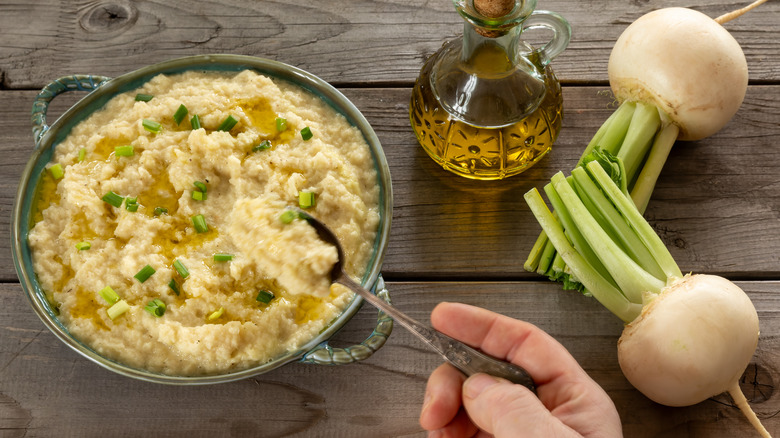
Turnips can be a bit intimidating if you've never worked with them before. Similar to rutabagas, turnips can be distinguished by their purple and white exteriors and typically smaller size. Their flavor also varies slightly, with turnips making a stronger statement with peppery and sharp undertones. If you notice a waxy exterior, be sure to peel it off your turnip, but otherwise, the skin is edible. When cooked, turnips sweeten up. They are not starchy like potatoes but still blend into a creamy texture when mashed. You'll notice a less gluey texture, but often a stronger flavor.
Mashed turnips can be paired with classic ingredients like butter, cream, salt, and pepper. However, you can take this opportunity to create something a little more unique. Lean into the sharp peppery flavor and add a bit of horseradish, sour cream, or garlic. Herbs like sage, rosemary, or thyme can also create a bolder finish. Consider roasting your turnips before mashing them for a sweeter, more textured outcome. For a richer umami mouthfeel, consider using bacon fat, miso, or Parmesan cheese. If you want to lean into the lighter texture with a fresher flavor profile, add dill, lemon juice, and sour cream. Feel free to use other root vegetables in your mash, or even form the mash into patties for frying. As with any vegetable mash, top with a garnish like extra-virgin olive oil, minced herbs, or a sprinkle of freshly ground black pepper.
Cauliflower
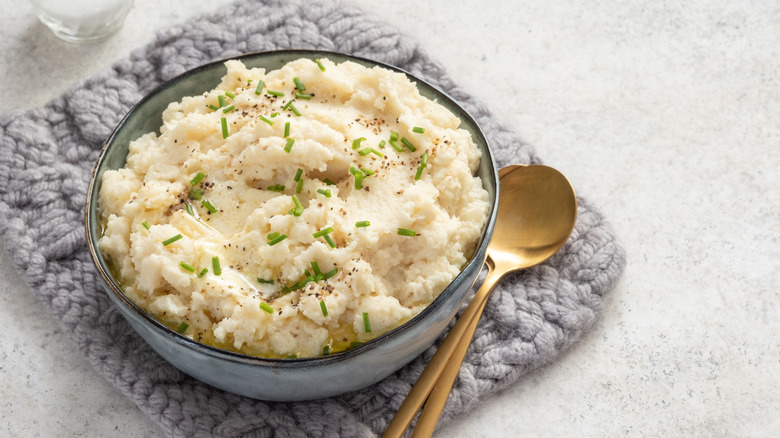
Cauliflower has been taking over the culinary scene, replacing classics like chicken wings, rice, and pizza crusts. And, we aren't mad about it. Cauliflower has the ability to transform into a wide variety of textures, depending on how it's processed and cooked. There are a few ways to create a delectable and simple cauliflower mash, and both start by steaming or boiling cauliflower. Feel free to use the stem along with the florets. One method involves mashing, but the result will be slightly textured. If you're looking for a creamy, dreamy, silky-smooth outcome, then go ahead and use your blender or food processor. The key is to cook the cauliflower enough so that it doesn't become riced but instead melts.
Cauliflower has a subtle, sweet, and slightly nutty flavor, and can be paired with just about any ingredients you might consider for a potato mash. One of my favorite additions is a cashew cream, which creates a non-dairy alternative without compromising flavor or texture. The blended fatty nuts, along with olive oil and seasoning, create a decadent mouthfeel. This works best for the blended version. However, you can also move in the opposite direction and load up on cheese. This works particularly well with the hand-mashed version, which creates small, textured pockets of cheese and cauliflower, adding some variety. Many cheeses can enhance a cauliflower mash, but my top choices are white cheddar, Parmesan, or a gooey or creamy cheese like Gruyère or Boursin.
Carrots
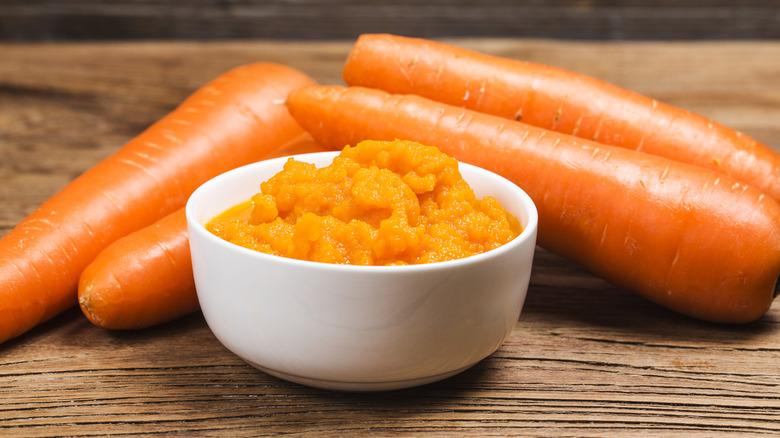
If you're looking for bright, bold, and memorable, look no further than mashed carrots. They are perfect for a sweet-and-savory combination and can be prepared in several different ways. First and foremost, carrots are sweet, earthy, and tender. They stand out on a plate with their bold coloring, whether you go with a standard orange carrot or experiment with different varieties like rainbow carrots. Roasting, steaming, or boiling are all usable methods for softening the carrots. From there, you can blend or mash them by hand. My preferred method is to roast carrots with miso, garlic, olive oil, and maple syrup before mashing or blending them with butter. Other variations using herbs, citrus zest, and other root vegetables can also create a memorable outcome.
However, you can certainly take the creamy and cheesy route. Sharper cheeses, like cheddar, goat, or Parmesan, hold up well and balance the natural sugars of the carrot. For a milder mash, consider Gruyère or cream cheese along with butter. If you love stinky cheese, experiment with a bolder blue cheese alongside extra-virgin olive oil and plenty of herbs. Mashed carrots or carrot puree can be spread onto a plate as a base for meats or other vegetables, too. Carrots are bolder in flavor than potatoes, so if you're looking for a mild side dish, keep the stronger mix-ins to a minimum to prevent stealing the show.
Rutabaga
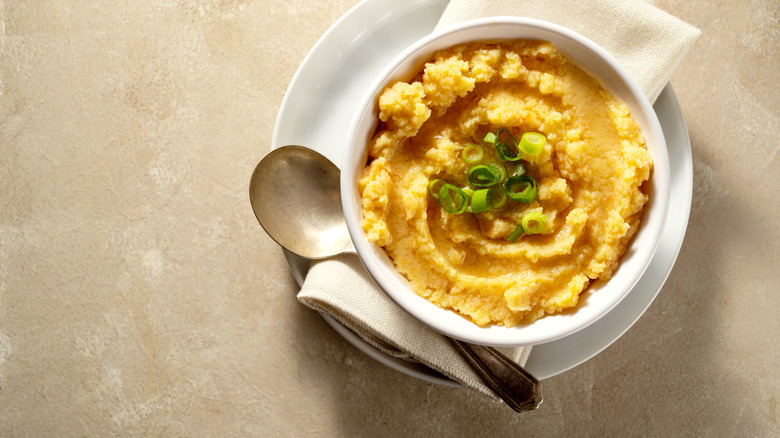
Similar to the turnip, the rutabaga is a larger, sweeter, milder cousin. Often, they are coated with wax and need a good peel, especially if you're purchasing them from a grocery store rather than fresh off the farm. If you're looking for a mild, sweeter, richer version of mashed potatoes with a fresher finish, then look no further than rutabaga. Once boiled or steamed, they whip up beautifully and don't need many flavor enhancers. Just a simple melted butter-and-salt combination can do the trick if you're hoping for an unintrusive side.
The main difference is the richer mouthfeel rutabaga offers compared to standard potato mash. There are also pungent peppery undertones, less intense than a turnip, but reflective in flavor. In a world where fibermaxxing is popular, turn to a rutabaga, which is loaded with fiber. For folks targeting an alternative to mashed potatoes, mashed rutabaga might be your most similar option. Feel free to hand-mash your root veggies for a chunkier texture, or pop them in the food processor for a creamier mouthfeel. If you're going for a Michelin star-style rutabaga blend to smear on the base of your plate, blend that veggie longer than you think is necessary. For a more "homestyle" approach, use a masher and top with an additional dollop of salted butter.
Beets
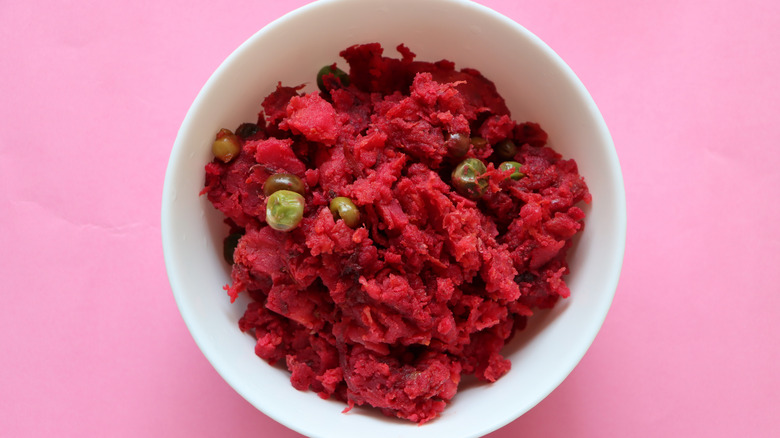
Perhaps one of the boldest options, mashed beets, often goes overlooked because of its bright coloring, messy handling, and contested flavoring. It's one of those veggies you either love or you think tastes like dirt. As someone who finds them sweet, earthy, and with a concentrated "root" flavor, I would advocate for mashed or blended beets any day.
When working with fresh beets, it's important to understand just how messy things can get. In a matter of moments, you'll look like you've been caught red-handed. There are a few tricks to getting the red beet juice off your hands, but I recommend wearing clothes you don't love-love. Roast, boil, or steam the beets until soft before tossing them in a food processor. Flavor enhancers can include lemon juice, garlic, and herbs, or go creamy with goat cheese. Take note that if you add a light-colored dairy product, the blend will turn bright pink, which can be fun to play with when plating. For a bolder flavor, consider mixing with blue cheese. However, such strong flavorings should be served with a gamey or strong meat rather than a delicate seafood dish.
Butternut squash
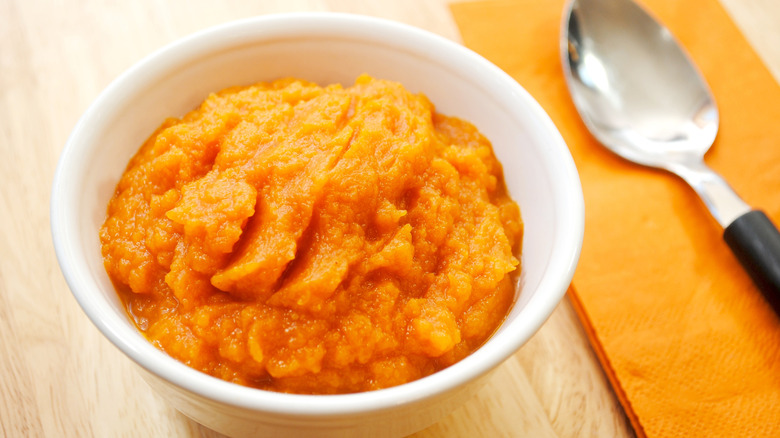
While wide varieties of squash can be cooked and mashed, butternut is one of my favorites. Close backups include kabocha squash, honeynut squash, and blue Hubbard. Butternut squash is easy to source, cook, and even find pre-cut, making your life simpler. It cooks up nice and sweet with familiar flavors and a silky texture. You can microwave a full squash (be sure to wash the outside and prick some holes in the skin) to cook it; roast it in the oven; peel, dice, and steam it; or boil it. Just be sure, whichever route you take, that you remove the skin, stem, and seeds.
Butternut squash can be made to be sweet, savory, or both. Try roasting it with a little garlic, olive oil, tamari, and maple syrup before tossing it in the blender with salted butter. You could even lean into the vegetable's sweetness, adding warming spices like cinnamon and nutmeg, and enhancing it with brown sugar or maple syrup. Only do this if the rest of the dish can handle the intensity of sweetness. Of all the mashed potato alternatives, this is perhaps the best one to hand-mash versus blend. It's starchy enough to create a similar texture to potatoes, and those little lumps and imperfections add to the structure.
Celeriac
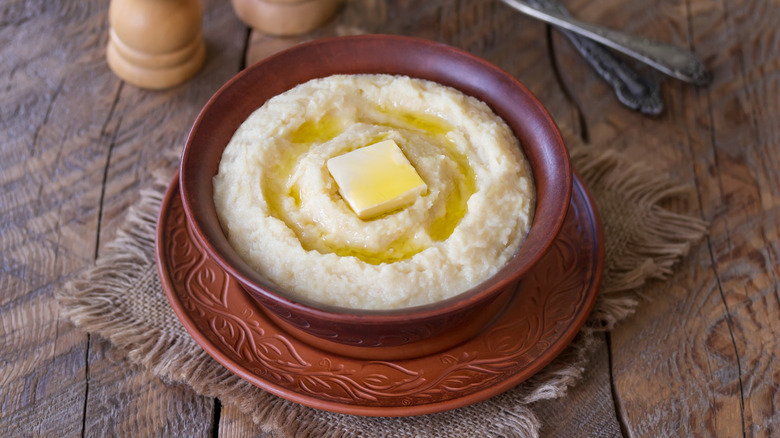
Although harder to source than some other root vegetables, celeriac is an ingredient used in gourmet cuisine because of its incredible texture and sweet, nutty flavor. Don't go digging under your home-grown celery to find the bulbous root, because you'll be fresh out of luck. It is, however, related to celery. The root must be peeled away from the tough outer skin, leaving the starchy, edible interior. Celeriac can be boiled or steamed and mashed just like a starchy potato.
Because of the incredible layers of flavor this root already has, it's not necessary to overseason it. Use simple ingredients like butter, cream, or even a meat or vegetable stock. Salt is a must, and you'll want to add just the right amount of liquid to create a creamy texture that's not runny. If you want to lean into the gourmet aspect of the dish, try using brown butter to enhance the nutty flavor and sweet undertones of the root. Top with crushed black pepper and fresh minced herbs. Celeric is often found in French cuisine, so consider enjoying it as a side with a French entree. Serve alongside gamey meats, poultry, fish, or roasted vegetables.
Parsnips
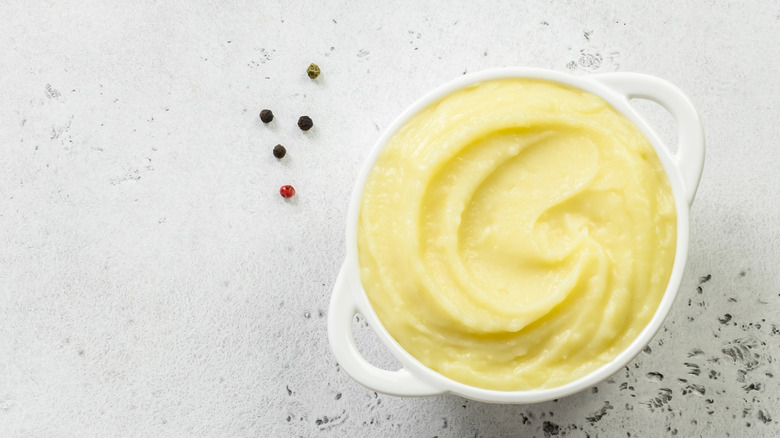
Do you ever see those pale, bulky-looking carrots in the grocery store? Well, those are parsnips, and they have a flavor similar to many root vegetables: slightly sweet and nutty, with earthy undertones. You know the drill. They're much less starchy than potatoes, a bit sweeter, and have a mild carrot flavor. With a less gummy mouthfeel than potatoes, cooked parsnips can be mashed or blended until creamy-smooth. Lean into the unique flavors by mashing in some anise or enhancing it with powerful herbs. Rosemary and butter make a tantalizing combination for your mashed parsnips, but you could also use olive oil, sour cream, and chives.
Consider pairing parsnips with either potatoes or carrots in a root vegetable mash. Each root vegetable brings something mellow and unique to the table, and the combination is intriguing. If you choose to include cheese, try a strong, nutty variety like Parmesan. Ina Garten finds mashed parsnips to be complete in their purest form: mashed with a little bit of the water they were boiled in. If you're seeking simplicity, then a parsnip mash is your guy. This earthy, sweet alternative is distinct but not overbearing. It makes for the perfect side dish.
Kohlrabi
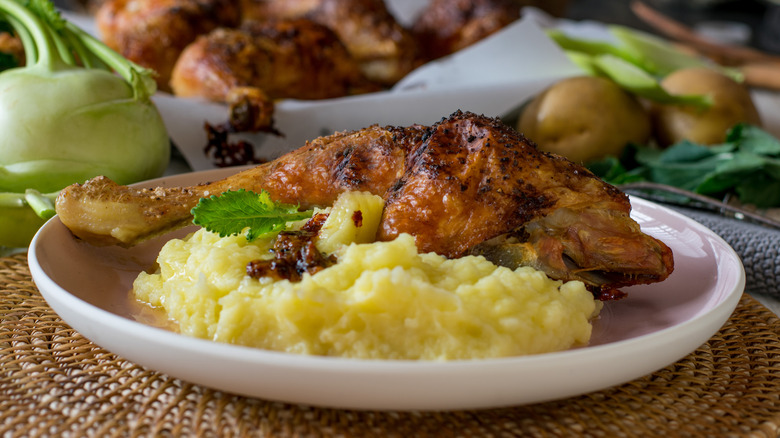
On this list of vegetables you should be mashing beyond potatoes, there is a lot of crossover with flavor profile. However, kohlrabi, a unique vegetable that might pop up in your CSA or local farm share, has a more broccoli-like cruciferous flavor. Beyond the standard root nuttiness, cooked kohlrabi has a light bite to it and pairs particularly well with roasted garlic. Consider roasting kohlrabi alongside garlic and then mashing it with heavy cream. For a dairy-free alternative, use vegetable stock or cashew cream. Garnish with a drizzle of high-quality extra-virgin olive oil and fresh parsley.
What makes kohlrabi unique is just how simple it is to process. After peeling, all you'll need to do is simmer it in a pan with water until soft. The leaves are also edible and can be used in another part of your dish to tie everything together. Add a small amount of horseradish to amplify the peppery undertones, and top with freshly cracked black pepper. Consider an opposing approach and lean into the nutty sweetness by mixing in brown butter or cheddar cheese. This versatile root vegetable is worth experimenting with, especially when it comes to mashing and smashing.
Sunchokes
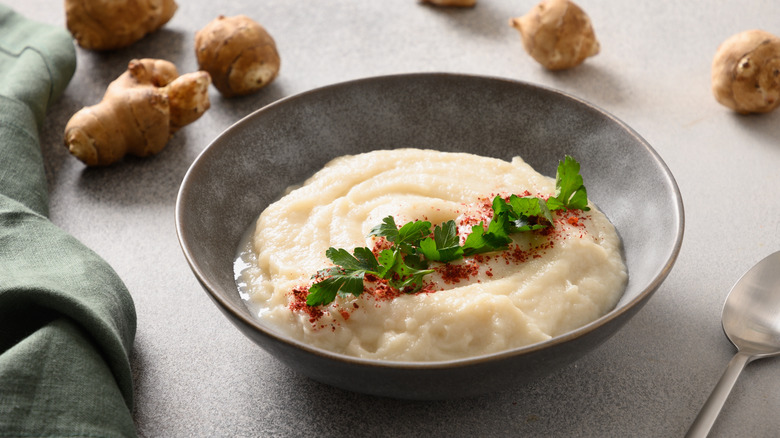
If you can get your hands on some sunchokes, the options are endless. Sliced and fried, shaved into salads, roasted, or pureed and mashed are all exceptional options. Sunchokes, also known as Jerusalem artichokes, can be described as somewhere between an artichoke and a water chestnut. They are long tubers and are often used similarly to a classic potato, hence their ability to make a fantastic mashed potato alternative. Raw, they are a whole different ballgame, but cooked, they have a sweet, tender mouthfeel similar to that of many root vegetables.
However, if you plan to eat quite a bit of sunchoke mash, keep in mind that it can cause stomach distress for some folks due to its high inulin content. Cooking them thoroughly can help to reduce this distress, and you can also opt to mix sunchokes with other root vegetables in your mash to decrease the inulin content. Classic ingredients like butter and heavy cream pair well with the unique tuber, and herbs like thyme are delicate enough to still let the natural rooty flavors shine. Be sure to scrub all the dirt off, but peeling sunchokes is optional.
Taro
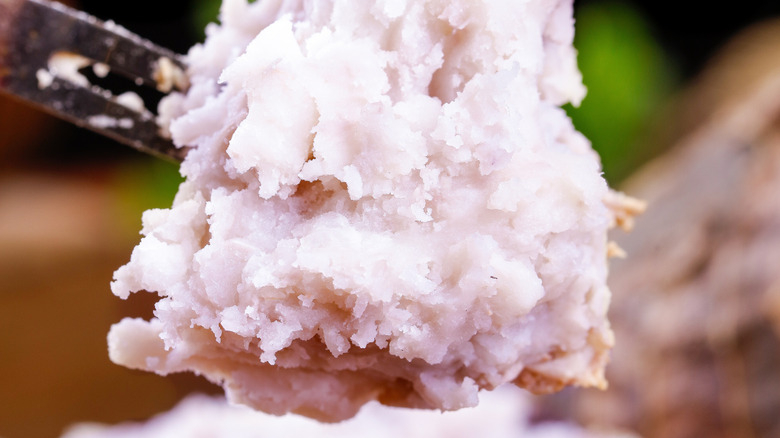
Taro root is a versatile, highly starchy, large root that can be used in many different capacities. You can often find taro in Asian markets or the international produce section of your grocery store. Working with fresh taro is tricky because you want to be sure it's thoroughly cooked to avoid a potential itchy throat. Once cooked, it can be mashed, but it will certainly need some liquid to balance the dry mouthfeel.
Create a sweet mash by using coconut milk and sugar, or go savory with salt, olive oil, butter, and heavy cream. Add a small amount of miso to boost the umami factor, and try not to over-stir it to prevent a gummy texture. Taro can be very dense and creamy, so you might consider serving it in smaller portions than you might do with a potato mash. It does have a sweet undertone, which is why it's such a popular ingredient in desserts, but it can certainly hold its own as a savory side dish, offering balance.
Pumpkin
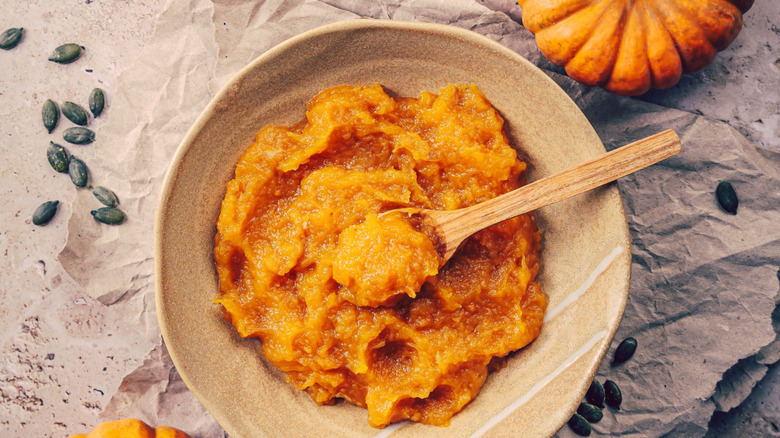
We've all likely had the sweet version of pumpkin mash in the form of a pie. It holds up well with maple syrup, cinnamon, nutmeg, ginger, and allspice, but can also make for an incredible savory side. Its sweet undertones offer contrast, it's bright and beautiful for aesthetic, and the texture can be incredibly creamy if processed right. Although associated with fall-time, it's an all-year classic that can wear many different hats, depending on the surrounding ingredients.
Pumpkin can be roasted, simmered, boiled, or steamed. Roasting it helps caramelize the flesh, enhancing its sweetness. Take caution when cutting open a pumpkin, as they can be tough and slippery. Use a sharp knife, and then scoop out the seeds and loose pulp. The tough skin must be removed before the mashing begins, but luckily, once cooked, the tender flesh can be scooped out. If you're leaning toward a more savory dish, consider using sage alongside butter and miso to create a dynamic mouthfeel. You can even add a splash of maple syrup or brown sugar but still serve the vegetable as a savory side. Just be sure to include some fat, some salt, and some umami for the perfect trio of flavor and texture. Mash or blend the pumpkin until smooth, and keep liquids to a minimum.