

These Are The Baking Trends You'll See Everywhere In 2026
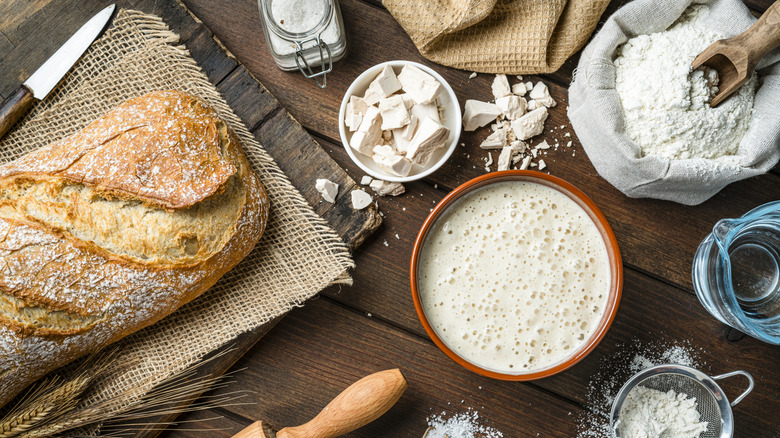
The word "trend" not only includes things that come and go within a matter of weeks, but also concepts that we thought would be phased out but have endured the test of time. While trends have included everything from granny chic items that are making a comeback to retro cooking techniques that we still use today, there are also trends that are only popular because of social media. Others are driven by economic, social, and political forces, including many of 2026's biggest expected food trends. As for baking trends? Well, they kind of encompass all aspects of the trend-isphere, bringing together novel, social media-friendly ingredients with proven cooking methods, techniques, and fascinations and adding a pinch of creativity in there, too.
In order to get some ideas on what baking trends will be taking over in 2026, both in commercial bakeries and home kitchens, we spoke to Megan Garrelts, proprietor and executive pastry chef of Rye Restaurants and Cornflower Baked Goods. She shared not only her predictions, but also what might be driving them and how you can try them out in your everyday bakes.
Contrasting textures
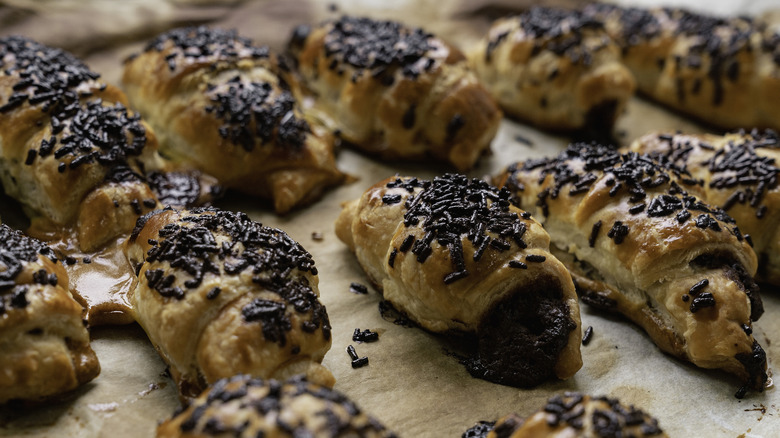
Contrast is at the center of many popular culinary trends. From the popular trend of "fricy" (spicy fruit) to swalty food, there is no shortage of juxtapositions in the culinary world. However, as Executive Pastry Chef Megan Garrelts shares, contrasts aren't just reserved for flavors. "There's also a strong emphasis on contrasting textures within a single baked good," she says. She offers several examples of this, including soft milk breads and laminated doughs that have been hard-baked — or baked until they are shatteringly crispy and caramelized, rather than just flaky. When you juxtapose a shatteringly crispy croissant with a creamy filling (think sfogliatelle — which features copious amounts of ricotta cream filling set inside a massive, crispy crescent-shaped pastry), it makes for a very exciting and diverse bite — no wonder why it's a trend set to take over this year.
It's important to note that pairing diverse textures within a single bite is not a new trend. Commercial bakers have been acting on consumer desires for uniquely textured foods for years. Texture has a direct effect on the perception of quality (after all, when was the last time you craved a soggy croissant?), and pairing the two also allows companies to use familiar textures (like pastries, breads, donuts, and laminated doughs) to introduce novel flavors, like ube.
Savory and sweet fusions
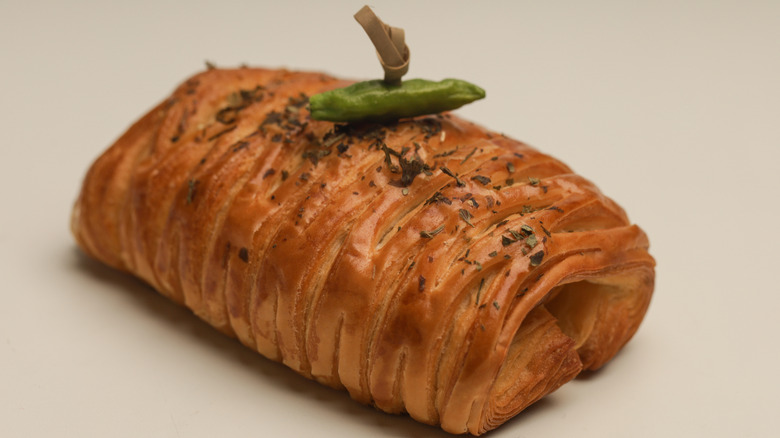
"Swalty" foods have taken over all corners of the internet, and the trend has bled into baking as well. It doesn't stop at adding a sprinkle of salt to chocolate chip cookies, either. As Garrelts says, "Savory elements are evolving with more creativity and complexity." This unique spin on sweet and salty flavors has allowed for the proliferation of unique bakes to take center stage. "The days of simple ham-and-cheese combinations are shifting toward deeper, more layered flavors and fresh, seasonal ingredients like pickled white asparagus on brioche, or specialty meats such as cured Italian soppressata and pâtés incorporated into breakfast Danishes," she says. She also offers an example of one her team is currently working on: a creamed leek and everything-seasoned scone.
Perhaps this appreciation for flavor and texture pairings, and a synergy between traditional breakfast foods and other meals of the day, is indicative of a consumer shift away from foods with a singular flavor profile: sweet. This is something that Garrelts knows firsthand. "I also strive to use less sugar and create more balance in my desserts by incorporating elements of salt and acidity. Guests have often noted that my desserts are not 'sugar bombs,' and I plan to carry that philosophy into Cornflower," she says.
Cross-cultural ingredients
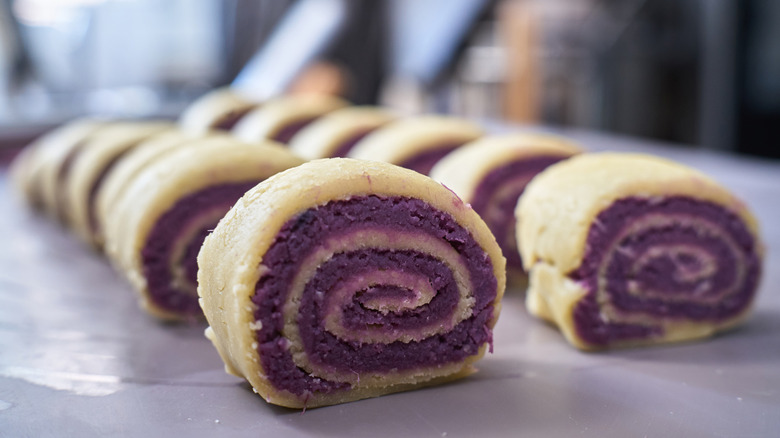
If you have scrolled through TikTok recently, you've probably noticed that the internet has gone wild for all things ube, matcha, and more. As expected, international ingredients being used in baking will not be going away anytime soon. "Cross-cultural flavors are also having a major moment. Ingredients like black sesame, matcha, and yuzu along with flavors and techniques from Latin America, the Middle East, and Asia are becoming more prevalent," says Garrelts.
Interestingly enough, Garrelts reports that the growing interest in international and cross-cultural ingredients is not exclusive to cities or ethnic centers, either. For a very long time, these niche ingredients have been limited in geographic scope because cities are the epicenters of immigrant populations and ethnic stores and enclaves, and because they often act as incubators for culinary and cultural innovation.
Garrelts gives the example of Baba's Pantry Bakery in Kansas City, a Palestinian bake shop known for its use of pistachio, cardamom, and spices that aren't common in the Midwest. By no means are the classic flavors of the Midwest — and presumably other parts of the country — disappearing, though. "There will always be a place for traditional Midwestern flavors, but it's exciting to see the landscape expand with more complex and globally inspired offerings," she says.
Fruit-focused bakes
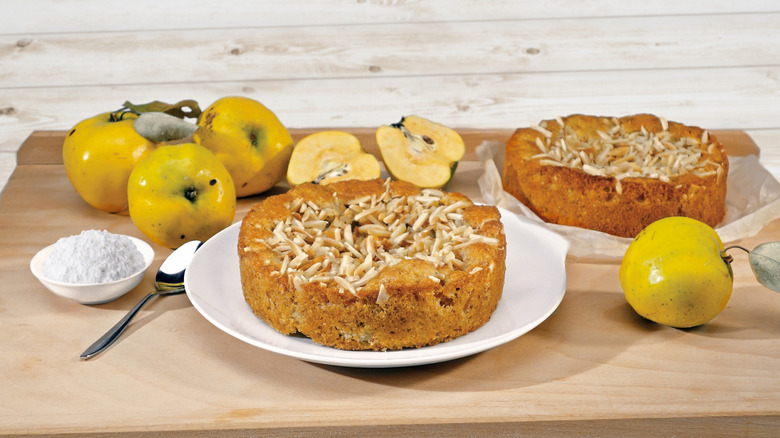
Jams, fruit spreads, and compotes were once all the rage, but Garrelts is seeing a greater emphasis on whole-fruit baking, which she says she is excited to see. "Pastries topped with daily selections from local farmers or more thoughtful, seasonal applications of fruit are becoming more common." In her region specifically, she expects to see a greater proliferation of ingredients like quince, mulberries, nectarines, plums, and figs. When used intentionally, these ingredients can introduce diverse textures, flavors, and culinary possibilities.
This trend, like others on this list, is accessible and defined by what is available within a particular baker's region. There are very few roadblocks to implementing them in your home kitchen, provided you have an understanding of the individual's fruit moisture content, undertones and overtones, and ideal flavor pairings. We recommend experimenting with whole fruit in a pie, for example, as it's easy to combine fruits to create a delicious flavor. Quince is an unconventional yet delicious addition to apple pie, while mulberries can add tartness to a mixed berry pie or a batch of homemade muffins.
Revisiting classic recipes
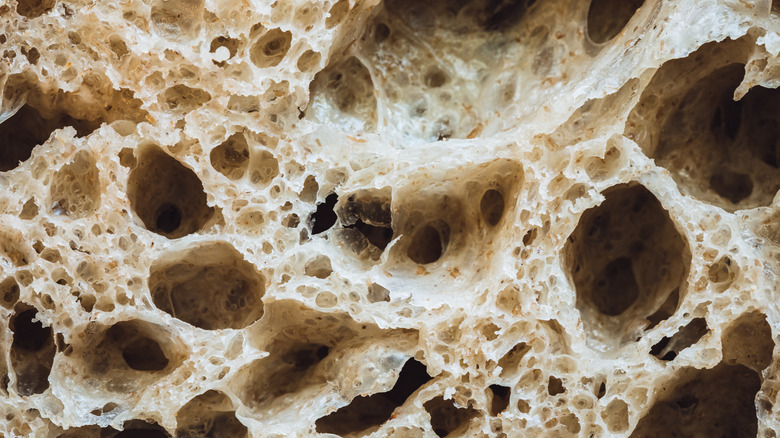
You might assume that classic bakes, techniques, and methods have to exist so novel ingredients and buzzy trends can enter, but Garrelts says she's actually noticing a return to traditional techniques and recipes, particularly in the bread world. "Sourdoughs, enriched doughs like milk bread and brioche, and long-fermentation yeast-risen items are sparking renewed interest," she says. Sourdough, in particular, has captivated audiences on TikTok; the tag itself has been used over 1.4 million times on the app. People are not just sharing their tips for working with sourdough; they're also showing other social media users their favorite add-ins and novel takes on the bread that pair modern ingredients with classic techniques (chocolate sourdough, anyone?).
It isn't just TikTok users and home bakers who have gone head over heels for the bread-making craze, which was arguably set in motion by the COVID-19 pandemic and the resulting stay-at-home orders. Baking pros have also taken note of the traditional bread craze and are capitalizing on it. "Both home bakers and professionals are revisiting classic recipes and studying new resources with fresh perspectives on technique and presentation," says Garrelts.