

The Best Everyday Seasoning Blends Worth Keeping On Hand, According To Renowned Chefs
We may receive a commission on purchases made from links.
Keeping a host of creative seasonings on hand is a great way to mix things up, ensuring your meals don't get boring. Whether you take some inspiration from the global culinary scene for delicious seasonings from around the world or opt for tried-and-true favorites a little closer to home, the seasoning cabinet is any chef's greatest asset. So what do the pros keep on hand?
We here at Tasting Table were on-hand at the Nassau Paradise Island Wine & Food Festival, and had the opportunity to talk to some of the best chefs around. While there was no shortage of questions we wanted to ask, we couldn't pass up the opportunity to get some inside information on how we can up our cooking game — and maybe just make things easier for ourselves in the kitchen, too.
We asked eight chefs what everyday seasoning mix they always make sure to have on hand. They definitely didn't disappoint, sharing their secrets, giving some tips on how to make your own blend, and name-dropping some of their favorite brands. Clear some space in your cupboards and cabinets, and let's talk about which everyday seasoning blends are the best according to some renowned chefs.
Michael White: Rosemary salt
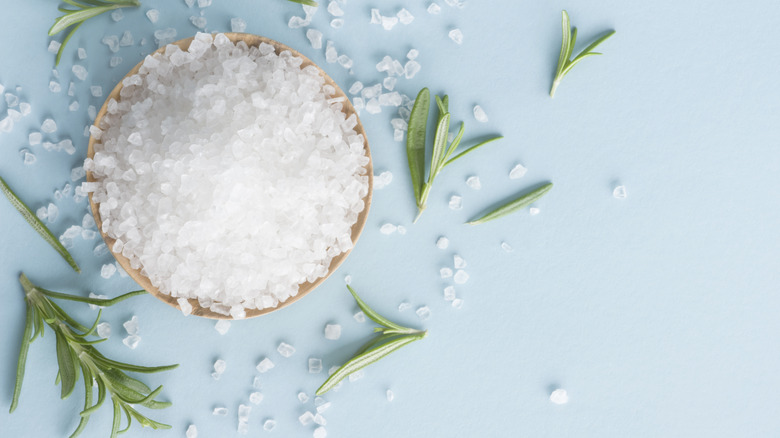
Few chefs have successfully built the kind of empire helmed by Michael White. With scores of restaurants and acknowledgements from the James Beard Foundation and the Michelin Guide, you might think White would have some fancy and inaccessible options for an everyday seasoning. But the thing that he keeps on hand is rosemary salt — and yes, he makes it himself.
"We use kosher salt," White told us. "Take rosemary, chop it up. Lemon zest, black pepper, and a little bit of mince garlic. We fling it all together, and it's very traditional." White knows all about Old World traditions and cooking. After all, he spent years traveling and training in Italy, in all kinds of places with all kinds of people.
Flavored salt is the perfect way to use up leftover herbs, and rosemary salt is incredibly versatile. It's great with chicken, lamb, and eggs, and might just be what your potatoes and veggies have been lacking. Try using it to create a brine for your poultry, and thank us later.
Michael Symon: Old Bay
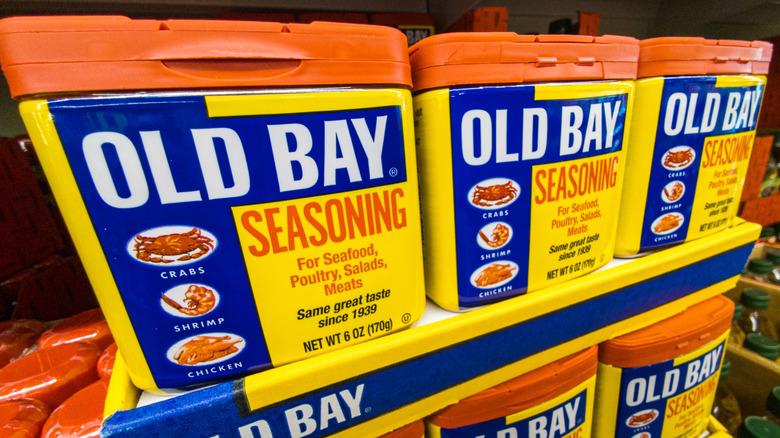
Chef Michael Symon has long been known for his approachable style, so we weren't surprised when he told us that his go-to seasoning mix was the endlessly versatile Old Bay. "I love Old Bay," Syman told us. "Old Bay fried chicken is great. Old Bay on French fries, good. Obviously, Old Bay and crab is awesome."
Symon isn't alone. In fact, there's a good chance you already have that distinctive container in your spice cabinet. Old Bay has a fascinating history that goes back to World War II, when it was created by the German-born Gustav Brunn, who moved to Baltimore in 1938. Brunn opened a spice company there, which was popular thanks to Old Bay and a war-era pepper substitute.
There are so many usual and unusual ways to use Old Bay that it truly can be an everyday seasoning. Flavor mayo and sauces, sprinkle over popcorn or deviled eggs, or add it to a pumpkin pie. It's no mystery, then, why Symon said, "Old Bay is the one mix that I always buy."
Glen Rolnik: Caribbean seasoning
Glen Rolnik is the chef behind Carmine's Italian Restaurant in New York City. Since 1990, this hotspot has been serving up a little taste of Italy to the Big Apple. If you expected Rolnik to opt for something Italian-inspired, you'll be as surprised as we were when he went to the Caribbean instead.
"It's funny," Rolnik told Tasting Table. "We're here in the Caribbean and I love Caribbean seasoning. I just always seem to lean towards that. A lot of flavor, a little bit of heat, not overpowering." Rolnik added it's particularly versatile with seafood: "When I'm cooking seafood, Caribbean seasoning is one of the best to use." As far as particular brands, Rolnik says that he loves to try different ones, since he never knows when he'll come across a new favorite.
The variety in Caribbean seasoning means there's bound to be something that will resonate with you. Jamaican jerk seasoning may have evolved to become one of the most popular Caribbean spices. But you could also try the versatile and garlic-heavy Spanish sazon, the citrusy Bajan, or the herbaceous Caribbean green seasoning. If you want to try them in a way that allows you to get up close and personal with the flavor profiles of each, turn up the tastes on your popcorn with these classic Caribbean seasonings.
Chellcy Martin: A blend with 6666 Ranch
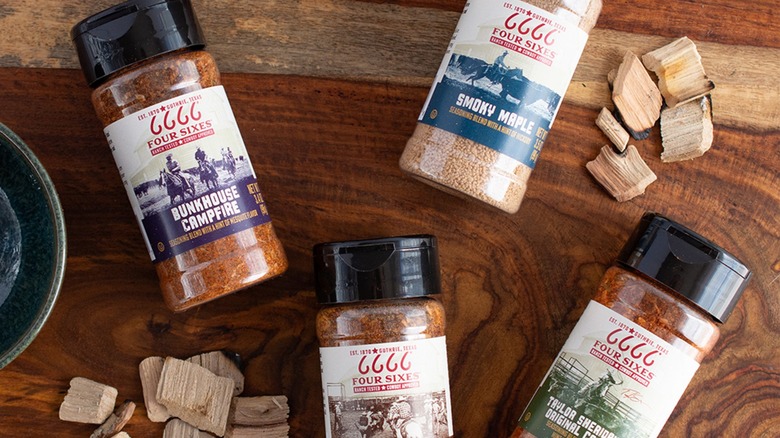
Chellcy Martin's Vell Monkey Foot is a Nassau restaurant known for creating Bahamian classics like the highly recommended fried conch, and what customers call some of the best fish tacos around. Versatility is on the menu when it comes to go-to seasoning blends, too, with Martin name-dropping one you should absolutely keep an eye out for.
"We do make a blend," Martin explained. "However, if it's something really simple, like a base I could add to, I will add the 6666 Ranch's," adding, "I think it's the Smoky Cowboy seasoning that they have." It's easy to see how this would add a wonderful kick to everything from meats and steaks to potatoes. The heart of the company is the 19th-century Four Sixes Ranch, the working ranch providing the backdrop for spicy and smoky Western-inspired seasonings and sauces. Seasoning blends include the garlic, chili, and chipotle-heavy Original Cowboy, a sweet Smoky Maple, a mesquite Bunkhouse Campfire, and a spicy Cowboy Camp Burger.
While it's easy to see how these could earn a place in anyone's spice cabinet, we'd also like to reiterate what Martin said. There's nothing to stop you from taking pre-made mixes and adding your own twist to them. In fact, we'd say starting with something tried-and-true is the best way to dip your toe into making your own creative seasoning mixes.
Julie Lightbourn: Goat pepper
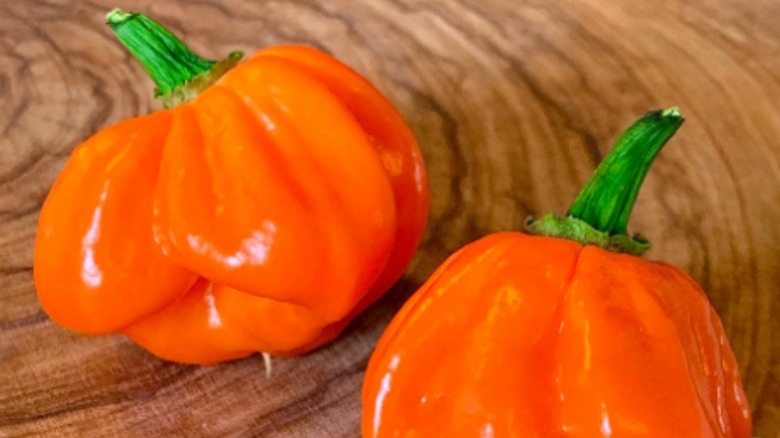
Paradise Island's Sip Sip prides itself on locally-sourced seafood, some of the best rum punch around, and the cultivation of a welcoming and friendly atmosphere. It's not surprising, then, that Chef Julie Lightbourn has a pretty awesome go-to seasoning, as well as a wonderful way of getting it right from the source.
"I have many favorite seasoning blends," Lightbourn said. "In the Bahamas, we call it goat pepper, but it's essentially habanero. So, I really like that with lime, salt. Salt is key." The salt she prefers comes from the nearby Ragged Island, which is home to salt ponds that have been trapping salt — via a process of rainfall and evaporation — for decades. "So, all the families have squared off areas and they literally ring salt and bag it and sell it," she explained. "I've been using Ragged Island salt, which is essentially natural sea salt." Pretty neat, right?
Now, let's talk about goat peppers. If you're someone who's always looking for that next source of extra-flavorful heat, this should be on your radar. These are a funky combination of sweet, citrusy, and hot, and when we say it's hot? That's not an exaggeration. It's often compared to the scotch bonnet as well as the habanero, and although it might be difficult to find, it's well worth the hunt (or you can try growing your own.
JJ Johnson: An oregano and paprika-based blend
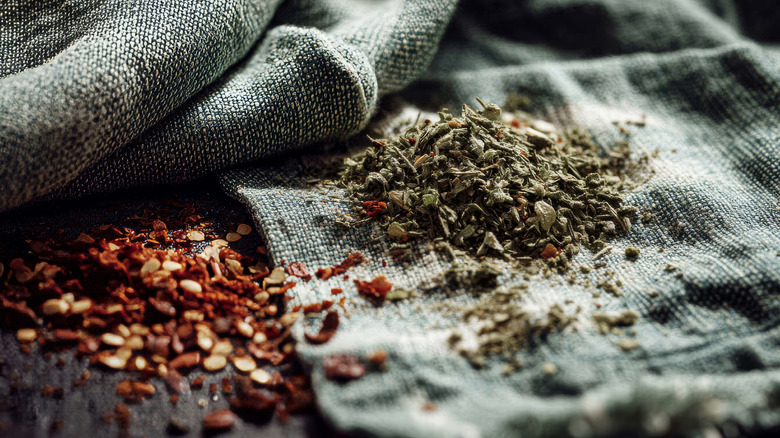
We caught up with JJ Johnson, chef, activist, and founder of the rice bowl-focused FIELDTRIP restaurant, and we expected more than good things. We were also expecting a tip that everyone can use to make the most of their own culinary adventures, and Johnson delivered with a run-down of his favorite blend, and a pre-made backup.
"My go-to seasoning blend is oregano, onion powder, garlic powder, salt, smoked paprika, a little bit of ground-up chili flakes," Johnson explained to Tasting Table. And if that's not within reach, he said numerous other blends work well, adding, "I love Old Bay." Seriously, who doesn't love Old Bay?
When it comes to mixing up Johnson's own recipe, we'd argue that this is a great formula for those who have been making seasoning mixes for a long time, or for those who want to give it a try for the first time. Making your own seasoning blends at home gives you total flavor control, and if you're not sure where to start, this is a great place. Use equal ratios of everything, and feel free to adjust to taste.
Ian Kittichai: Lemongrass and roasted rice
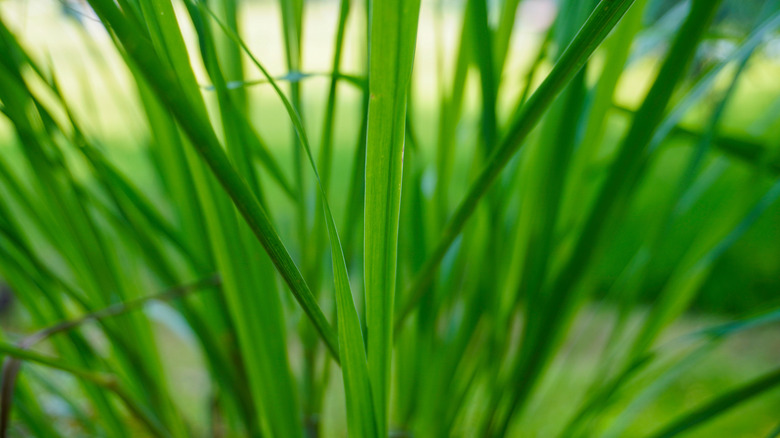
Chef Ian Kittichai's sprawling, global empire includes restaurants from New York City to the Bahamas and Bangkok, and fans of international competition shows might recognize him as one of the judges on MasterChef Thailand. He shared a pretty neat personal favorite with us, and if you're looking for a seasoning blend that's going to sound as impressive as the final product tastes, this is the one you're looking for.
"It will be lemongrass and roasted rice," Kittichai told Tasting Table. "We mix it with the makrut lime leaves and coriander, garlic, shallot, and lemongrass." Once the ingredients are dry, it's combined with toasted raw rice. "Then we grind it together and do that seasoning for our lamb." And if you're looking to make this one at home, Kittichai notes that you can buy the rice already prepped and prepared for adding your own aromatics. (An 8.8-ounce bag of ThaiRaya Ground Roasted Rice is available on Amazon for $6.99 as of this writing).
Notably, toasted rice powder doesn't just provide the perfect vehicle for combining wonderful flavors, as it's also a key ingredient in Thai cooking. It brings a little bit of nuttiness thanks to the roasting process, and also adds texture. The lightness of the lemongrass would work well with salads and dressings, seafood, curries, and satay, or you might even opt for experimenting with pastries.
Antonia Lofaso: A harissa and cumin-based wet seasoning
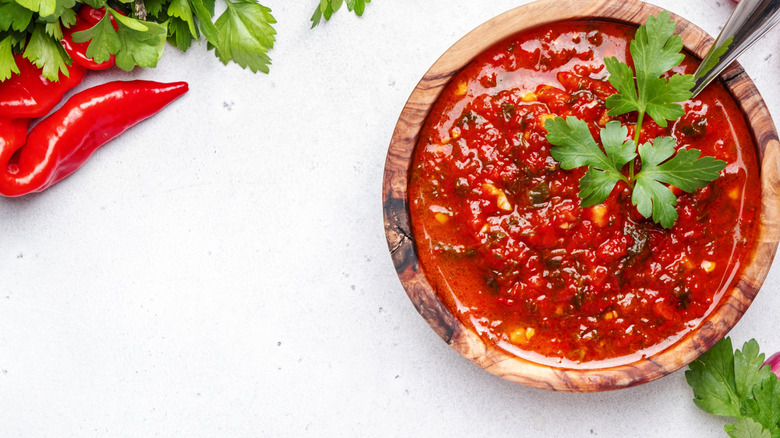
Chef Antonia Lofaso has done it all, from opening a series of buzz-worthy, Michelin-recognized restaurants to launching her own brand of chefs' clothing and writing a cookbook that focuses on helping families get outstanding meals to the table in a way that fits a busy lifestyle. When we asked her about a go-to seasoning mix, she delivered in a big way with something unique — a wet seasoning blend.
"Right now I am obsessed with a wet seasoning blend that I actually did tonight, which is cumin, coriander, harissa paste, and olive oil," she told us. "And just kind of mixing it, making it so it's almost like a wet marinade. And that can go on steak, and go on fish, it can go on chicken, it can pretty much go on anything."
If there's one thing that we like more than something delicious, it's something that's versatile. This fits the bill, and if you've ever wondered whether or not you should pick up and experiment with harissa, here's your reason. Harissa is a spicy tomato paste substitute that still brings the sweetness, along with a bit of heat and a bit of wonderfully deep, smoky flavors that truly is something that you just might find yourself reaching for on a daily basis. Originally from North Africa, it's a delightfully deep addition for everything from soups to vegetables, and it'll make any protein shine.