

Here's What Actually Causes A Hangover
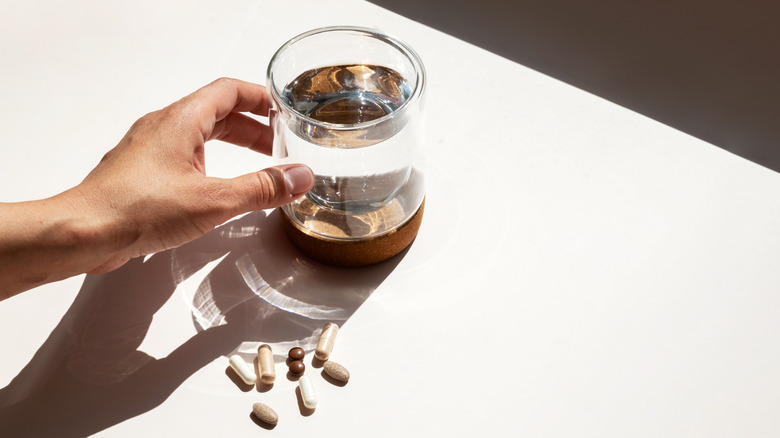
Say it ain't so — hangovers can last a full 24 hours or longer. Dionysians are well-acquainted with the dreaded pounding headache, queasy stomach, weak limbs, and dry mouth. It's not cute, but it is physical evidence of your body getting rid of the alcohol in your system. So, what causes this cacophony of suffering? The science behind a hangover is all about acetaldehyde.
As the liver breaks down alcohol, it produces a toxic byproduct called acetaldehyde. This chemical compound doesn't remain in the body for long, but while it's there, it worsens the alcohol-induced inflammation in the liver, pancreas, brain, and gastrointestinal tract – so, if you're feeling extra lousy and incredibly anxious, blame it on acetaldehyde, but know it'll be gone soon.
"Hangover" is an umbrella term for the bouquet of gnarly physical symptoms that occur as a result of metabolizing alcohol, and they begin once the blood alcohol levels start to drop. For starters, alcohol is a diuretic, and as the body loses excess fluids, dehydration causes subsequent headaches (or triggers migraines), tiredness, and dizziness. Next, since alcohol is a toxin, your immune system creates inflammation at its presence. Enter: Upset stomach and nausea. Once a night of heavy drinking has reached its fateful conclusion, blood sugar levels often tend to dip, which can cause feelings of shakiness and weakness. To make matters even worse, all of these physical symptoms are exacerbated by a lack of quality sleep — which alcohol is also known to cause.
How (and how not) to curb gnarly hangover effects
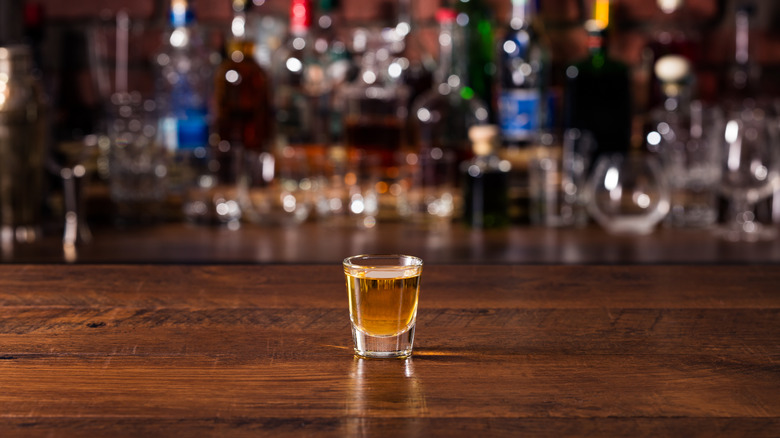
Some folks – like chef Jacques Pépin – swear by the old-school "hair of the dog" hangover cure, but its efficacy is debatable at best. Having another drink at the onset of hangover symptoms might feel like the funnest-ever cure for what ails. After all, the method inspired the pre-Prohibition "Corpse Reviver No. 2" cocktail, which was designed to "revive the corpse" after a night of heavy drinking with its powerfully-high ABV. Alas, no matter how desperate we are for relief, drinking more won't get rid of hangover symptoms. It'll just delay (and potentially worsen) them, which means an even longer stint with headache, nausea, dizziness, shakiness, sweating, and fast heartbeat.
Also, avoid coffee when you're hungover; it's a diuretic, which makes that headache-causing dehydration even worse. Although, its stimulant properties can help with grogginess, and its caffeine can ease a headache by narrowing the blood vessels in the brain. For the safest bet, opt for high-protein fare (full English breakfast, anyone? Yakamein?), as well as foods high in plant-based fiber (beans, oatmeal, brown rice, mango) and the amino acid cysteine (eggs, turkey, legumes, red meat).
The late great Anthony Bourdain's bulletproof hangover cure consisted of Aspirin, cold Coca-Cola, spicy Szechuan food, and a joint, as he once told TMZ. Your reporter has turned to this tried-and-true formula countless times and can confirm (emphatically) that it works (thanks Tony). But, all in all, get some water, and get some rest.
Help prevent a hangover in the first place
Some folks are inflicted with a hangover after a single drink, while others can crush a six-pack and wake up headache-free. What gives? According to Harvard Health Publishing, the key tipping point here is "drinking to intoxication." Perhaps paradoxically, "lightweight" drinkers are more likely to experience a hangover than heavier drinkers who require more alcohol to feel drunk. However, regardless of how many drinks it took to get there, being hungover is the pits. Luckily, there are a few ways to help avoid those negative physical effects in the first place.
Sticking to clear liquors (i.e. vodka and gin over whiskey and bourbon) can also help stave off a hangover. Brown liquors are significantly higher in congeners, which take a while for the body to metabolize and make hangover effects last even longer. White wine is also less likely to cause a hangover than red wine, as it has fewer congeners and fewer histamines for your body to process the next day. Opting for spirits that will be gentler on your system is a proactive approach to hangover prevention.
Also on the note of proactivity, eat something substantial before you start drinking for the evening, and if possible, snack here and there along the way. If you can throw a bottle of water somewhere in the mix, even better. Or, perhaps consider trying a different recreational drug of choice that eliminates the hangover altogether, such as THC-infused seltzers or mushroom chocolate bars.