

10 Fast-Growing Fruit Trees You'll Want In Your Yard
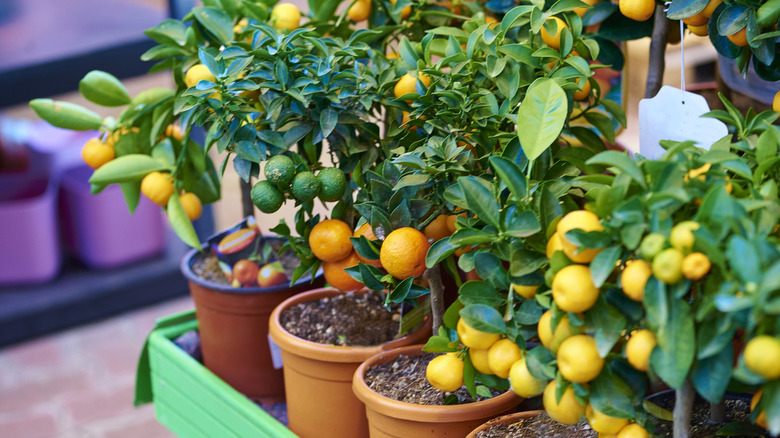
Starting an edible garden can make it easier for you to eat healthy and avoid rising grocery costs. You have access to fresh, organic fruits and veggies right outside your door, and can also take advantage of the mental health benefits associated with growing, harvesting, and canning your own food. If you've been thinking about planting fruit trees on your property, you don't necessarily need to wait years to see the fruits of your labor. Certain fruit trees can produce quickly, especially dwarf varieties and ones that are nursery-grown.
To give your tree the best chance of success, choose a variety that thrives in your growing zone. USDA growing zones delineate regions of the country with similar weather and climates. This helps people determine what flowers, plants, trees, and foods grow best in each area. Once you determine your city's growing zone, you can look for fast-growing fruit trees that thrive in your area. You also need to make sure your yard gets sufficient sun exposure, and that you adhere to the recommended watering, fertilization, and pest and disease control measures needed for each tree species. Though it may take some planning and diligence to start your own edible garden, these 10 fruit trees can produce fruit within one to three years.
Mango
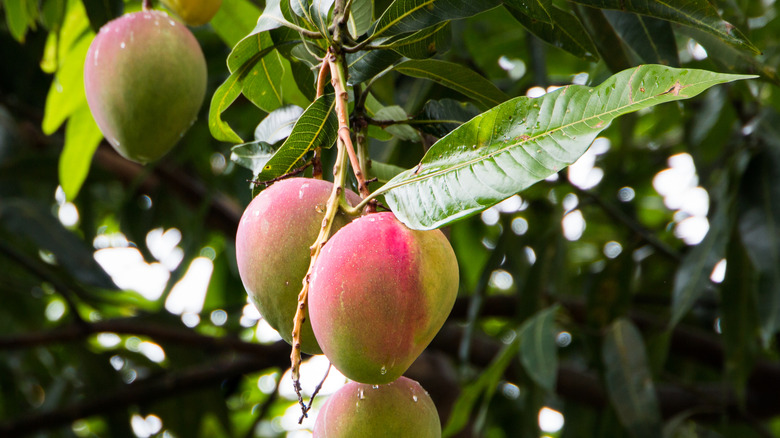
Mango trees thrive in tropical and subtropical climates within USDA growing zones 9 through 11. This includes southern California, Arizona, Texas, Louisiana, and Florida, as well as Hawaii and Puerto Rico. They require at least six hours of full sunlight and well-draining soil. With proper care, grafted trees can produce fruit in one or two years. You can quickly make use of that fruit in one of our delicious recipes for fresh mangoes.
Dwarf Meyer lemon
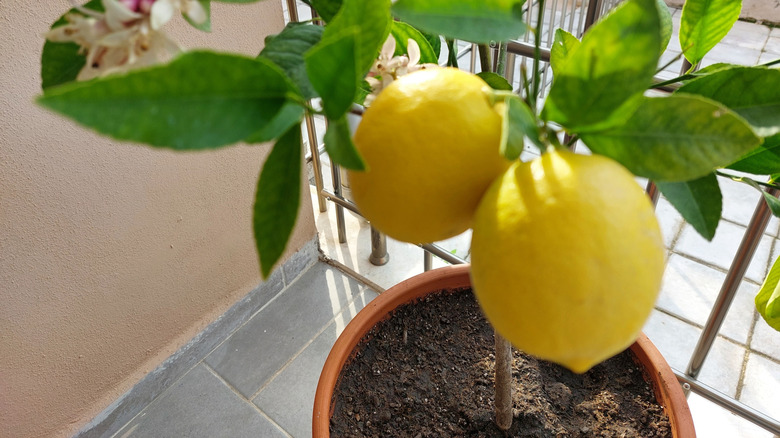
While traditional lemon trees grown from seed may take up to four years to bear fruit, dwarf Meyer lemon trees are self-pollinating and may give you lemons in one to three years. You have the best luck if you live in growing zones 8 to 11, but it's easier than you think to grow a lemon tree indoors if you're outside those regions. These trees require partial-to-full sun and loamy, well-draining soil.
Loquat
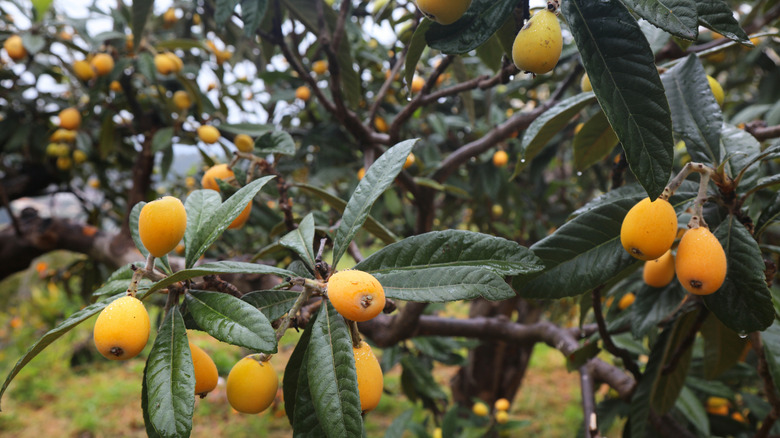
Loquats are juicy, aromatic fruits that are uncommon in the U.S., so growing your own makes it easier to enjoy their sweet, tangy taste. Loquat trees are evergreens that prefer temperate climates with mild winters, so they do best in growing zones 7 to 11. They should be planted in full sun in loamy soil that is well-draining. They should bear fruit in late winter or early spring within one or two years of planting.
Avocado
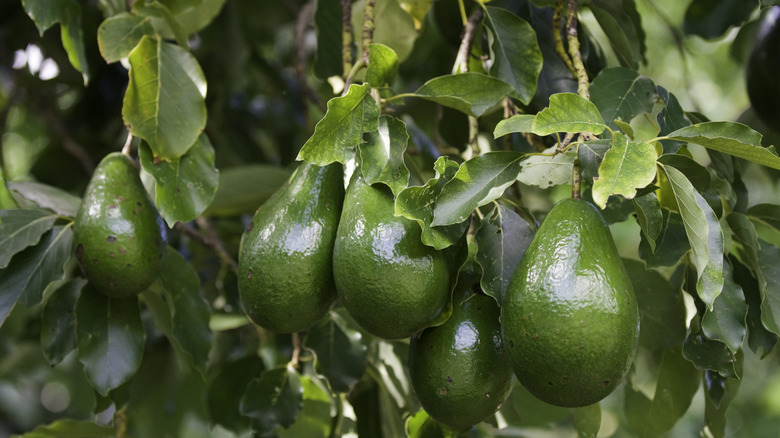
Avocado trees do best in growing zones 9 to 11, but you may be able to grow one inside if you're outside those regions. However, one of the things indoor gardeners should know before growing an avocado tree is that it can take as long as 15 years to produce fruit if you start it from a pit. Grafted nursery trees can be fruitful in just one or two years. These trees require six hours of full sun per day, as well as frequent watering.
Dwarf peach
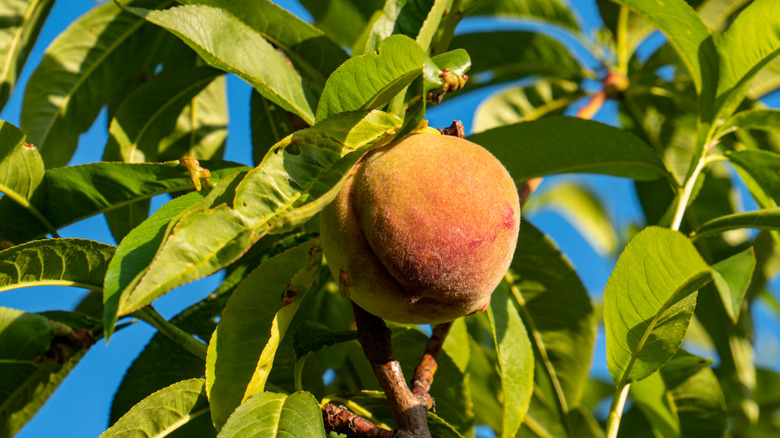
Dwarf peach trees can be grown in soil or in pots or containers. If you live in USDA zones 5 to 9, you should have the best luck since these trees prefer sunny climates with mild winters. Plant your tree in full sun in well-draining, sandy soil and you can have fresh peaches in one or two years. Though you can start a peach tree from a pit, it may take up to five years to grow fruit.
Goji berry
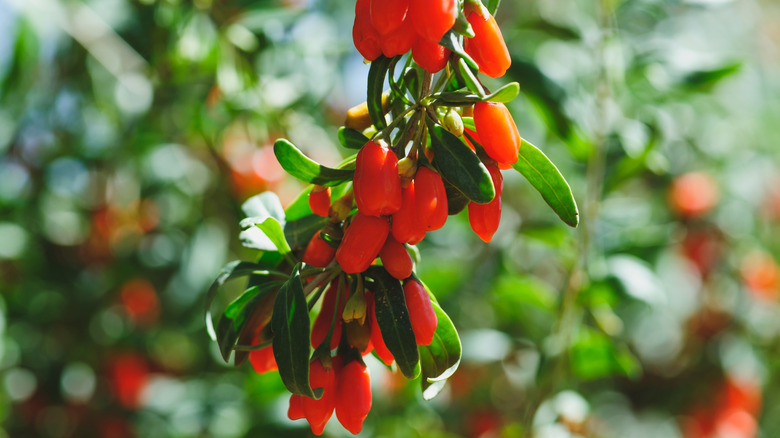
Goji berries are the underrated superfood you should be eating. These hardy, deciduous shrubs are best suited for growing zones 5 through 9, and should be planted in well-draining, slightly alkaline soil. They need six to eight hours of full sun per day. They are drought-tolerant, but require regular pruning to encourage growth, and may need a trellis for support. In ideal growing conditions, they can bear fruit within one or two years.
Fig
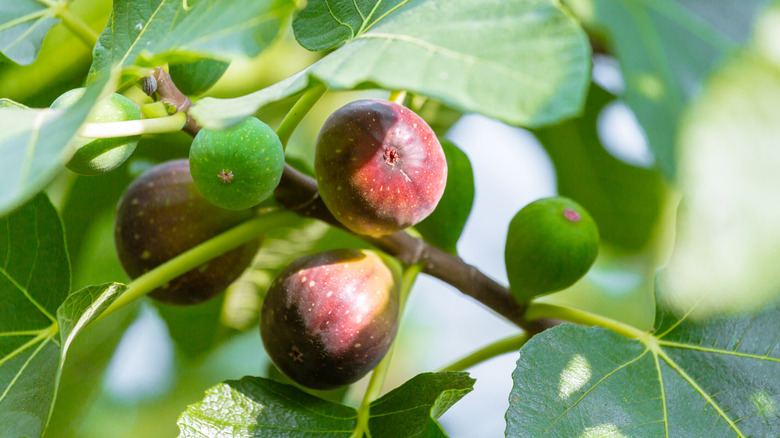
Fig trees are self-pollinating, beginner-friendly fruit trees that offer amazing rewards for little commitment. If you live in a warm climate, preferably in USDA zones 7 to 11, you may see fruit in one to three years. If you're in a colder region, you may have success planting the tree in a container and relocating it inside during the winter. Trees should be planted in loamy, well-draining soil in an area that gets six to eight hours of direct sunlight.
Dwarf apple
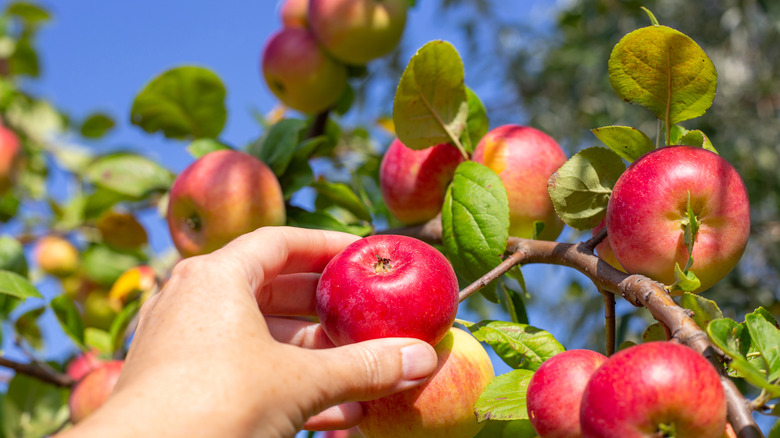
Dwarf apple trees love tiny yards and can deliver huge rewards. They are the perfect choice for an urban garden or small space — as long as they get full sun. Though they do best in hardiness zones 3 through 8, you may be able to grow them successfully in other regions if you move them inside during extreme heat and cold. They typically bear fruit within two or three years after planting.
Passion fruit
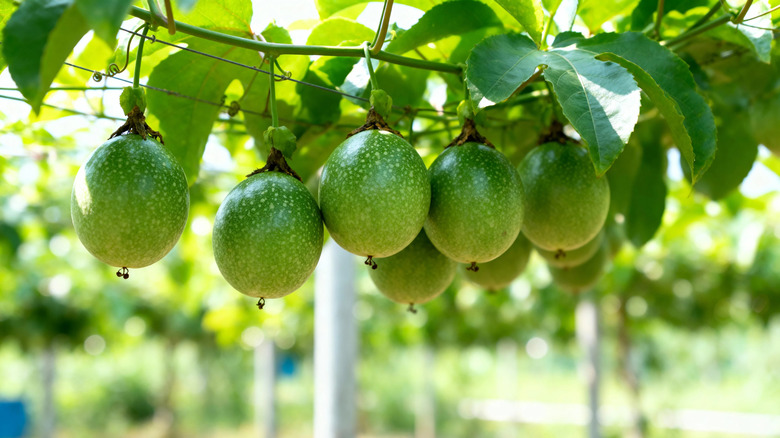
Passion fruit vines grow best in zones 9 through 11 because they prefer subtropical climates. In fact, the country that produces the most passion fruit worldwide is South America because it has the ideal growing conditions. Vines need six to eight hours of full sun each day, and require a trellis for support as they climb. Healthy vines may produce fruit in one to three years.
Lychee
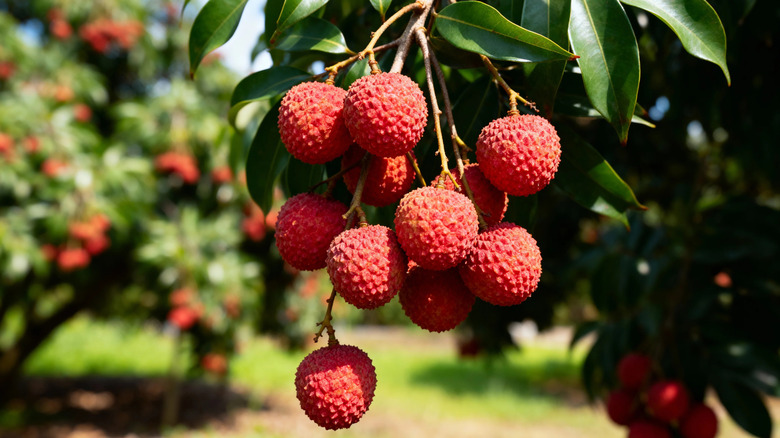
Lychee fruit has bright red, bumpy, leathery skin and tastes like a cross between a pear and watermelon. This tropical tree thrives in warm, humid climates, such as those in growing zones 10 and 11. Trees need at least six hours of direct sun each day, as well as wind protection. Trees grown from seed can take five years to bear fruit, but air-layered varieties from a nursery may produce fruit in one or two years.