

These 10 Fruits And Vegetables Don't Belong In Raised Beds
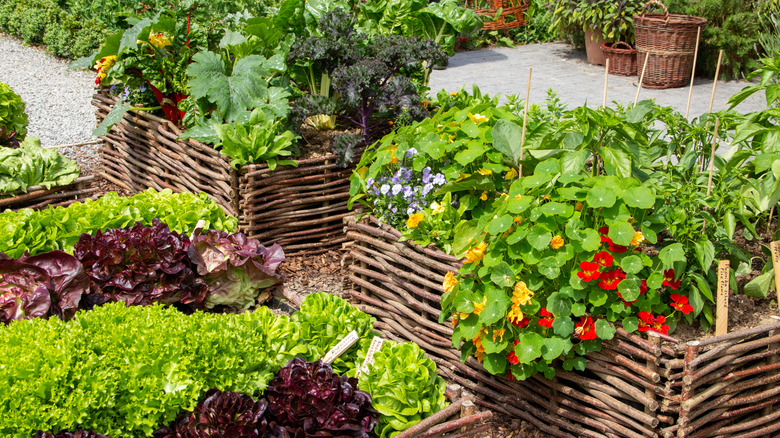
As food costs continue to rise and supply chains face many obstacles, growing your own food is a way to live more sustainably and be more self-sufficient. If you don't have a lot of space, raised beds provide access to fresh food, even organic veggies and fruits if you choose, for a fraction of grocery store prices. Raised beds make it easy for home gardeners to grow their own vegetables, fruit, and herbs, plus, it's a rewarding activity that keeps you active, helps you relax, and creates an attractive focal point in your back yard or patio, attracting beneficial insects like bees and butterflies.
However, when planning a raised bed for vegetables and fruit, there are some common gardening mistakes to avoid such as overplanting and planting the wrong things. Nothing worse than spending lots of time, effort, and money in planting a garden, only to obtain very poor results.
While many fruits and vegetables are easy to grow in a home garden, not all of them are meant for the raised beds. Some have specific growing needs that make them incompatible when planted alongside different crops, while others need more space to grow and thrive than a raised bed can provide. So, before you get started with this year's garden, let us explain which vegetables and fruit are best planted in the ground or in containers by themselves, rather than sharing the space with other plants on a raised bed.
Artichokes
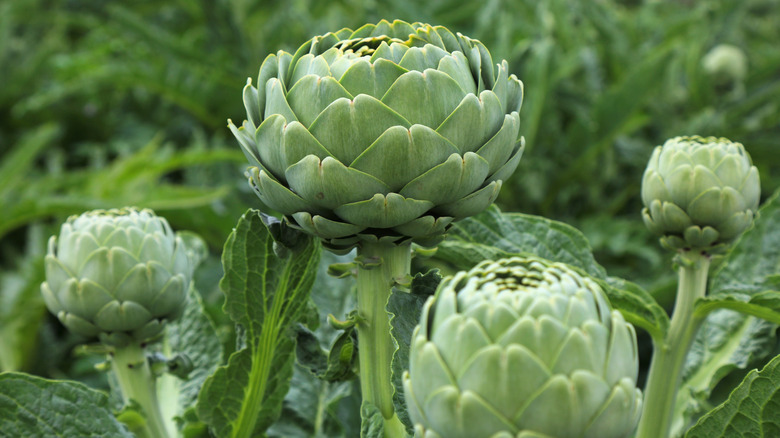
If you've never seen artichokes growing, just let their tough appearance give you a clue. Artichokes are the flowers of a kind of thistle, which come in different varieties ranging from green to purple-tinged to purple, turning into a striking, bright blue puffy blossom when mature and fully open. While they are attractive in the garden, they require a lot of space and bear large, thorny leaves that would make it impossible to grow or harvest anything else in a raised bed.
Asparagus
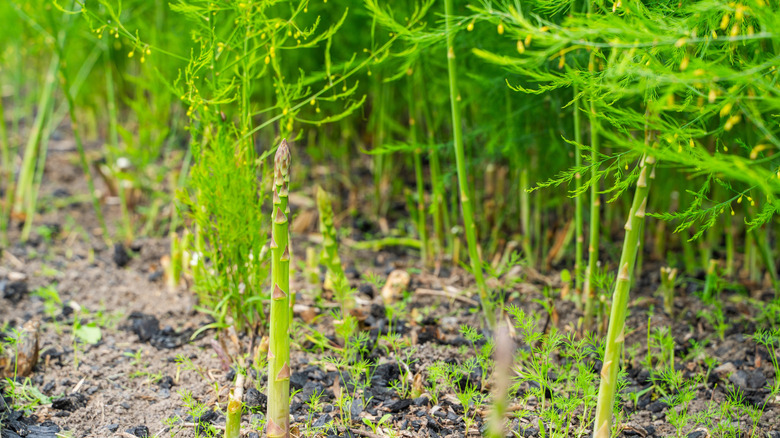
Since asparagus are a perennial vegetable that can live from 15 to 20 years, plants develop a large and complex root system that can reach 10 to 15 feet deep, which raised beds are unable to provide. When planted in shallow beds, asparagus will produce few weak spears. It also takes several years for asparagus plants to mature enough to produce their first proper harvest, so we say leave them off the raised bed and get them from the supermarket instead.
Blueberries
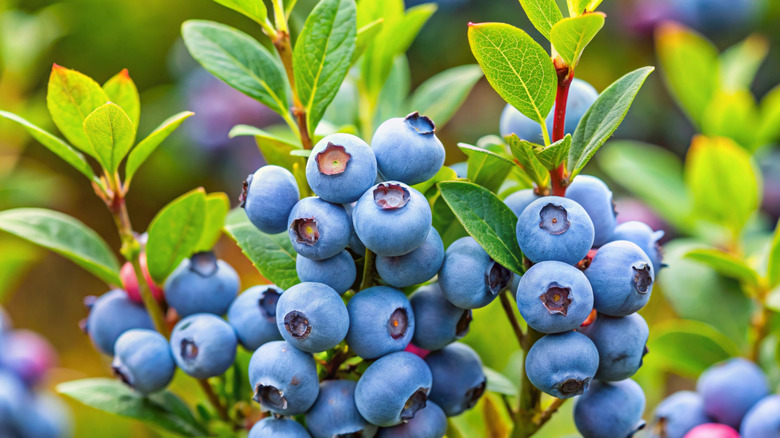
Blueberries grow in bushes which are compact enough for growing in containers. In a sunny spot, they will produce plenty of antioxidant-rich berries when you plant an established shrub. However, they prefer a slightly acidic soil, which would not be ideal for most other plants when sharing a raised bed. In fact, blueberries thrive in Maine because of the naturally acidic soils. Instead, find an attractive large pot and grow your blueberry shrub by itself as a lovely focal point in the garden.
Broccoli and cauliflower
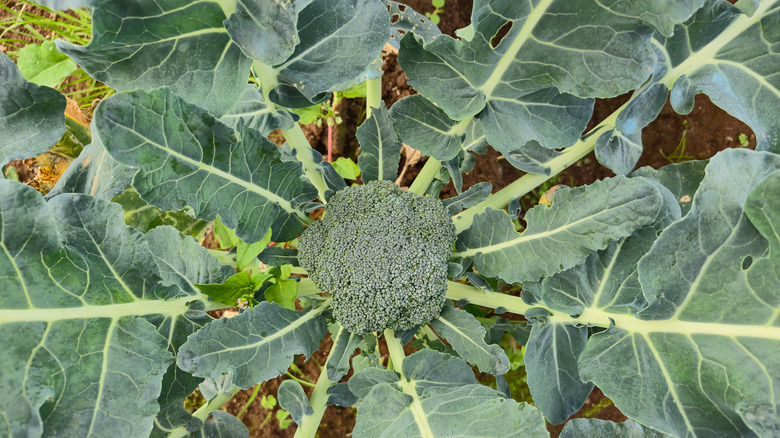
These popular brassicas need plenty of space to grow. Their large leaves spread out wide and can crowd or shade other plants that share the raised bed, but if you love them and have the space, they are totally worth growing in their own raised bed. Plant white, yellow, and purple cauliflower for an eye-catching display, or try the striking, chartreuse green romanesco, a cousin of broccoli that produces its flowers in perfect geometric spiral patterns.
Cane fruits
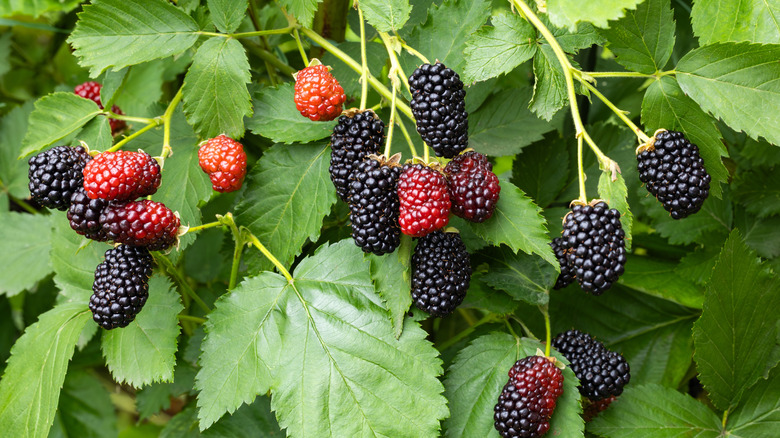
Although blackberries, raspberries, and similar soft fruits are easy to grow, a raised bed is one of the worst places to grow berries. That's because, as they grow, they turn into sprawling plants that may include viciously thorny canes. They will need lots of space to thrive and bear fruit, so they are best grown on their own, against a fence maybe, where you can try to trellis them to make harvesting easier.
Corn
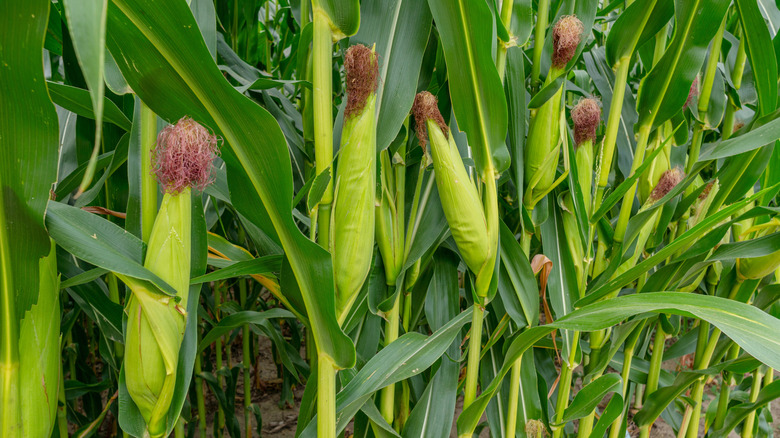
Grains like corn and wheat need lots of room to grow and prosper. That's because corn is wind-pollinated, so the corn stalks need to be planted close to one another to ensure pollination. Therefore, corn does better planted in the ground in rows to produce healthy ears with plump grains. Plus, having only a couple corn plants in your raised bed is hardly worth it, as the yield won't be near enough and you'll only be taking space from better suited crops.
Melons and watermelons
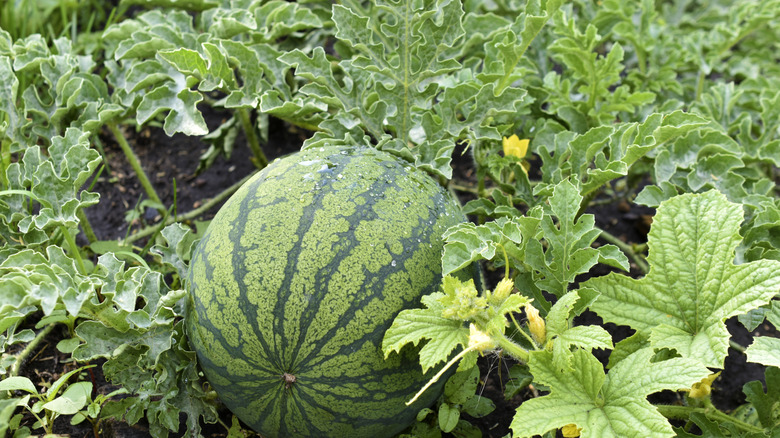
Melons are a tasty summer treat that are easy, low-maintenance plants to grow at home, but unfortunately they grow too large for your raised bed. Their trailing vines will spread wildly and take over the bed in no time. You can look for mini melon and icebox watermelon varieties, which are more compact and suitable for growing in containers, or you can trellis them to grow vertically. In any case, it's best to grow melons and watermelons in the ground or in their own container.
Potatoes
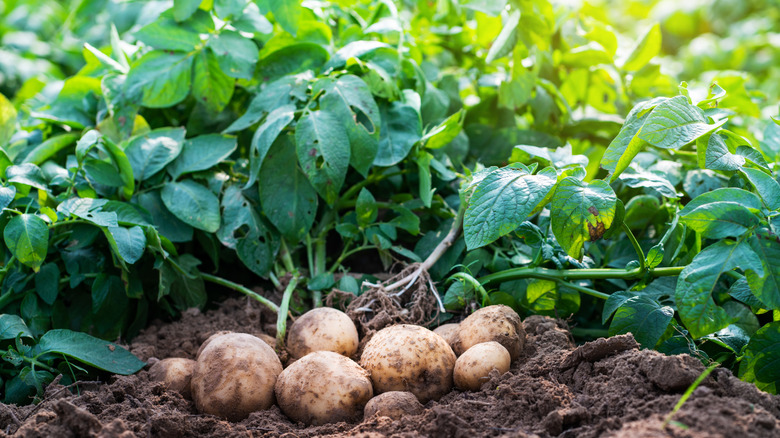
Yes, you can grow many types of potatoes in a large container, but not in a raised bed which they'll be sharing with other fruits or veggies. That's because the tubers need a lot of room to spread underground and the plants above ground take up a lot of space. Plus, potatoes are heavy feeders that can steal nutrients away from your other crops. And when it comes time to harvest and dig them up, you will undoubtedly affect other plants growing nearby.
Rhubarb
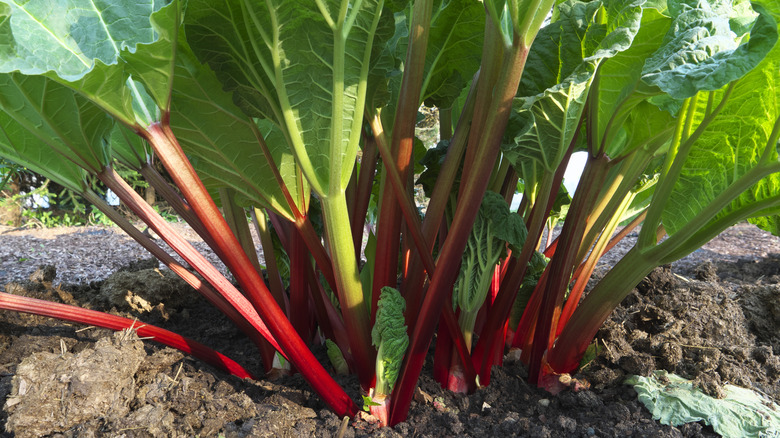
Rhubarb plants are easy to grow and quite attractive in the garden, and they are a treat when used in the kitchen in both sweet and savory recipes. However, they are best grown in large containers or in the ground, as they are perennial plants with large roots that need lots of space for the plant to develop properly. In raised beds, rhubarb may produce thin and weak stalks if the roots don't have room to grow.
Winter squash and pumpkins
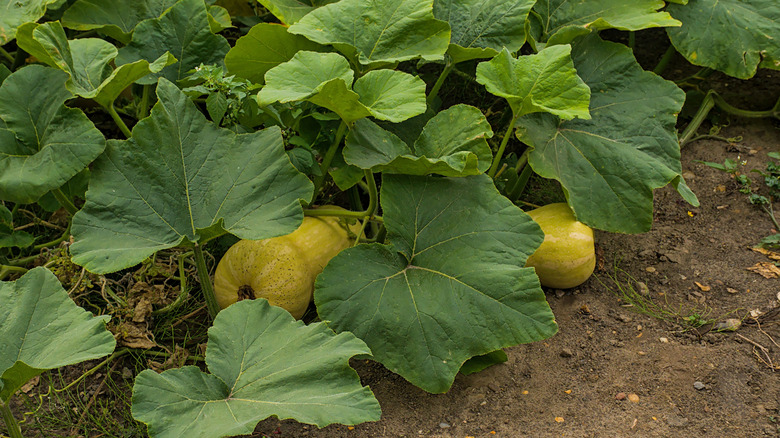
Tasty, healthy, and easy to grow, winter squashes and pumpkins are great in a large garden where they have room to roam and spread, but in a raised bed, they will quickly take over everything and the rest of your crops won't stand a chance. In fact, many home gardeners agree that pumpkins are really not worth growing at home at all. Buy them at the store, and save your raised bed space for summer squashes which grow more compact and can be trained on a trellis.