

Fireplace Ashes Can Boost Your Vegetable Garden — If You Use Them The Right Way
We may receive a commission on purchases made from links.
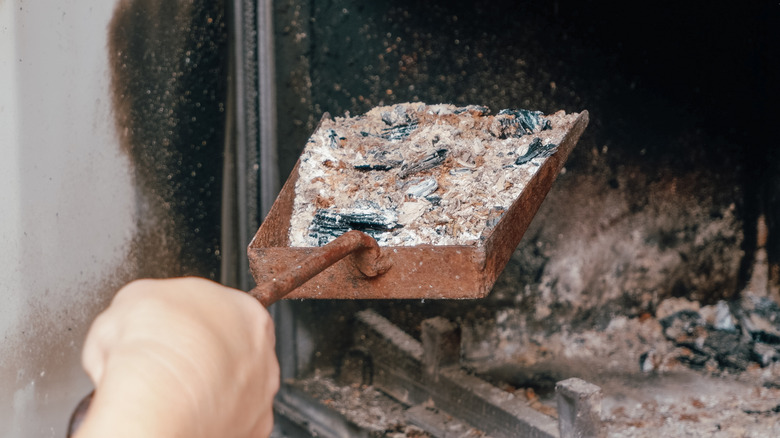
"Ashes to ashes," or whatever they say. Here at Tasting Table, we're singing the praises of those not-at-all-dreary ashes as the agent of new life — specifically, wood ash. In small doses, using wood ash in the home garden can benefit your crop as a thrifty, budget-friendly fertilizer for vegetables. This oft-discarded byproduct is a rich source of nutrients and a modifier of soil pH, which can enhance veggies, flowerbeds, trees, shrubs, and even the lawn (steering clear of new, young grass or anything freshly planted).
Why does it work? It's all about the wood's natural nutrient content. Wood's primary element is calcium carbonate (roughly 20% by volume), and it also contains potassium (5% to 10%) and micronutrients including phosphorus, magnesium, sulfur, iron, aluminum, manganese, boron, and zinc – all of which help promote plant growth, flowering, and fruiting. As a bonus, wood ash's gritty texture can help deter garden slugs and other veggie-harming pests, too.
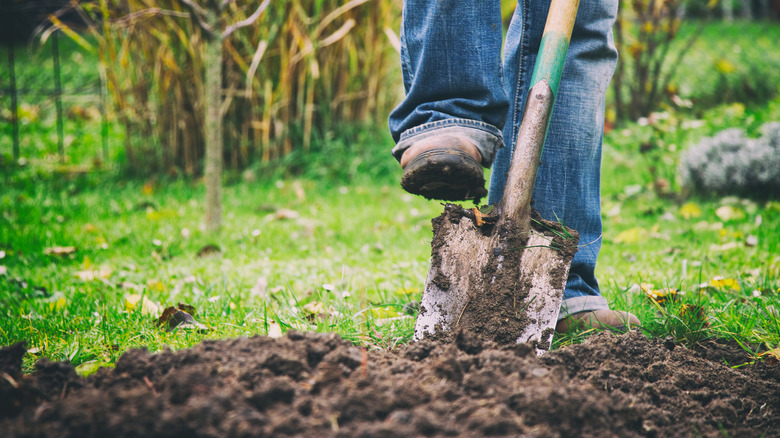
For edible gardens, sprinkle a thin layer of ash (roughly 2 ounces per square yard) across the top of your garden bed, then gently rake it into the soil. Repeat this process just once per year, ideally during the winter season, to avoid harming freshly-planted spring buds. Luckily, if you're burning lots of fires during the cold weather season, winter is also the time when wood ash will be most readily available in your home! Opt for a non-windy, non-rainy day, and be sure to wear a mask to avoid accidental inhalation.
Used sparingly, wood ash's dense nutrients can fertilize garden beds, cost-free
Wood ashes should be used sparingly, as too much can become toxic to your plants or (ironically) create a nutrient deficiency. Also, not all plants and soil types benefit from them. Wood ash's positive impact depends on three key factors: The type of soil in your garden, what you're growing, and where you live.
As we discussed earlier, wood ash is mostly calcium carbonate — and this highly alkaline element gives ash a natural liming effect. Happily, if you live in an area with naturally acidic soil, sprinkling a little wood ash can help neutralize the acidity, which is beneficial for vegetable growth. In this capacity, use roughly 4 cups of wood ash in place of 1 pound of commercial acid neutralizer (i.e., pelletized lime or aglime). To determine whether your soil would benefit from a little light liming, find out its existing pH level using a test kit. Vegetables generally thrive in soil with a pH of 6.5, and the pH should not exceed 7.5. Only use ash if the soil isn't too alkaline in the first place.
Asparagus, lilacs, and lavender love slightly alkaline soil. On the flip side, if you're growing plants that thrive in acidic soil, such as birch trees, red maples, rhododendrons, azaleas, blueberries, or raspberries, then steer clear of the wood ash. Alkaline soil is also not a good fit for growing potatoes, as it increases the risk of the potato scab virus.
Wood ash is also the secret ingredient to compost with the most
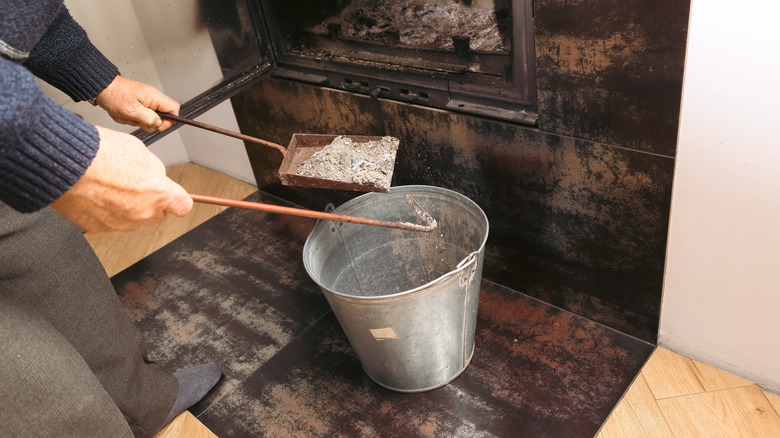
This tip works with wood ash from a home fireplace, wood-burning stove, or an outdoor fire pit. However, if you've burned treated, painted, or stained wood, cardboard, coal, or charcoal briquettes, the resulting ash can harm (not help) your garden. Only ashes from hard and soft woods should be used as a growth supplement (especially poplar, ash, birch, pine, or spruce).
A cord (4- by 4- by 8-foot stack of wood) will produce about 25 pounds of ash. Got leftovers? A small amount of wood ash can even be incorporated into compost bins. Because wood does not naturally contain nitrogen, it's a good idea to supplement the ash with other organic compost ingredients to satisfy the crucial nitrogen element. To do it, simply sprinkle the wood ash directly on top of the compost pile for every six inches of plant material added, and take care not to overdo it.
For a gentler application to your garden, work the wood ash into your compost pile, then sprinkle the resulting enriched compost as a mulch around vegetables and plants. Instead of your soil, the ash can neutralize acidic organic fruit and veggie scraps, quelling and balancing any harsh pH-altering properties for your garden, and leaving only the nutrients behind. Also, never mix wood ash with synthetic nitrogen (i.e., ammonium sulfate), which is commonly found in chemical fertilizers; when they meet, they produce toxic ammonia gas.