

The Next Big Trends In Chocolate We'll See In 2026
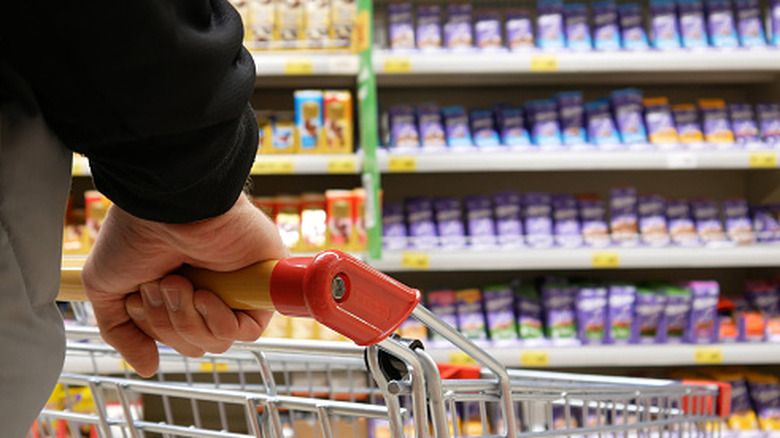
Food trends are always changing. Not only are there macro-level ones — like our predictions for what will happen in 2026 — but also trends within industries. From fast food trends to flavor pairings (we heard "fricy" is supposed to be particularly noteworthy), people are rubbing crystal balls left and right to predict what 2026 has in store.
In order to get some insight into what 2026 has in store for chocolate, we spoke with Nicole Patel, founder of Delysia Chocolatier. Chief among these predictions, which no one should be surprised about, is price. Patel explains that, due to tariffs, changing supply chains, and other factors, we can expect to see chocolate costs rise for consumers — and for companies to rethink their ingredients in response. "As a result, some mass-market manufacturers are adjusting formulations to manage costs, often using less cacao or alternative coatings," she says. This isn't a far-off thing, either; Reese's — and parent company Hershey's — have already come under fire for allegedly changing the recipe for its iconic cups.
That's not to say that customers will stop buying chocolate due to price or quality changes. It's more of a fork in the road, and one that will have consumers considering where to spend their money. "Overall, I think 2026 will be defined by a sharper divide between value-engineered chocolate and premium, ingredient-driven chocolate with consumers becoming much more aware of that difference," she says.
Greater opportunity for flavor pairings
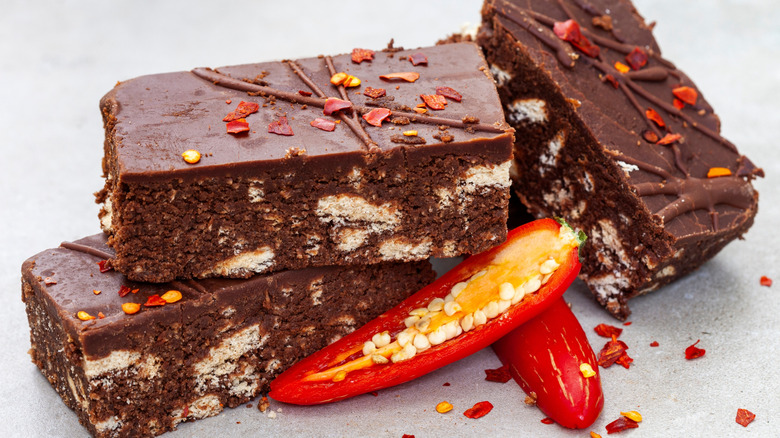
Chocolate being paired with other things is not a new concept; Dubai chocolate saw impressive popularity in 2025. Nicole Patel, founder of Delysia Chocolatier, expects this experimentation to continue. "Most people still think of chocolate as purely sweet, but cacao naturally has earthy, roasted, and even slightly savory notes that pair beautifully with spices, herbs, teas, and global flavors," Patel says. She wants to see a greater shift toward umami and savory chocolate. "I believe the future of chocolate is less about sweetness alone and more about depth, experience, and intentional flavor design."
In a similar vein, she also sees greater opportunities to pair chocolate with other things for a sensory-driven experience. She gives the example of her company's wine pairing collection, a truffle set that allows customers to taste and enjoy chocolate in new ways, drawing connections between the confections and their favorite alcoholic beverages. "That kind of interactive, sensory approach is still not prevalent in the chocolate space, but it changes how people engage with chocolate. They slow down, they compare, they notice texture and flavor evolution," she says. Besides wine and chocolate, it's fair to say that other pairings may become more popular, including cheese and chocolate and fruit and chocolate (like in the form of frozen chocolate-covered treats).
A growing market for plant- and value-based chocolate
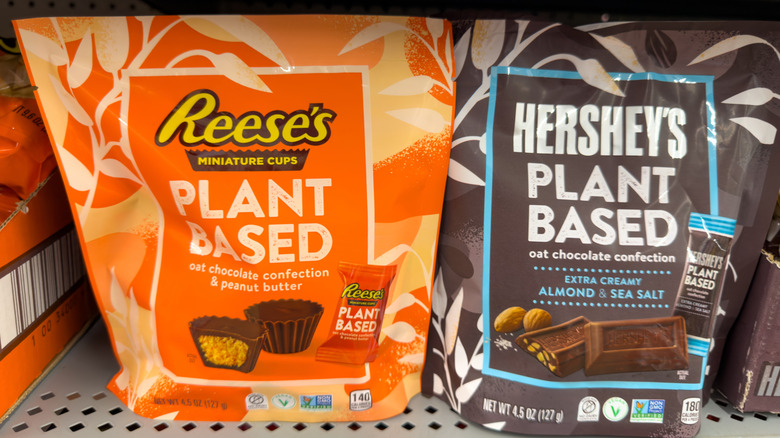
While some folks may argue that vegan food is falling out of favor among consumers, Nicole Patel suggests that it's full speed ahead when it comes to plant-based chocolate. "Vegan chocolate used to feel like a substitute, but today it can be just as rich and complex as traditional formulations," she says. Mainstream brands, including Hershey, have made moves to expand their plant-based offerings, debuting plant-based chocolate bars and Reese's cups in 2023.
Now, there is no shortage of vegan chocolate bars available, and per Patel, we can only expect to see the innovation within this space ramping up. "We've offered vegan options for years and plan to continue expanding that side of the business because consumers want indulgence that aligns with their values."
This value approach also carries over into clean sourcing, which Patel also identifies as a trend to watch out for in 2026. She explains that consumers are becoming more aware of ingredients and are championing ethical sourcing practices, simple ingredient lists, and high-quality flavors. "Clean labels, craftsmanship, and authenticity are increasingly important, which is helping artisan and small-batch makers stand out," she says.