

15 Travel Destinations Around The World That Belong On Every Food Lover's Bucket List
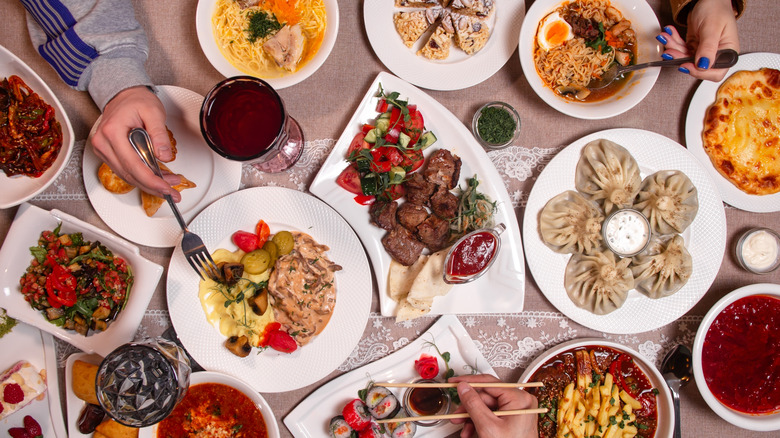
When seeking travel inspiration, many are drawn in by picture-perfect beaches, bucket-list landmarks, and luxury hotels. But, if you're a keen foodie, a country's cuisine will be just as compelling to you as what's on the itinerary. One of the most exciting parts about exploring somewhere new is immersing yourself in its culture, and there's no better way to get sucked in than sampling the local culinary offerings.
Across the world, many destinations have earned global reputations for their vibrant food scenes, and the variation in cooking styles and ingredient usage from place to place is fascinating to see. From the fragrant, spice-forward dishes of Southeast Asia to the fresh, colorful plates of the Mediterranean, every corner of the globe offers its own distinct flavors, and nothing beats experiencing those dishes in the places they were first created. So, if you're a food lover plotting your next big adventure, make sure to add these unmissable destinations to your travel wish list.
Japan
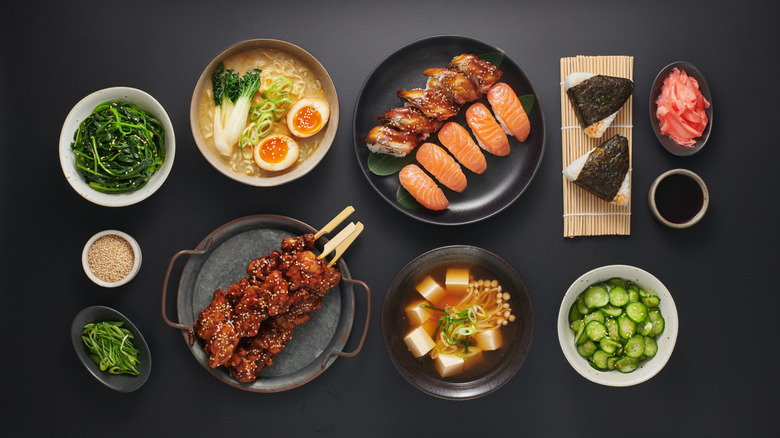
Japan welcomed a record-breaking 42 million tourists in 2025, and it's easy to see why. This country is known for its stunning landscapes, ancient traditions, and iconic pop culture, but the culinary scene is another huge part of Japan's identity. High-quality ingredients, exquisite presentation, and well-balanced flavors are all central to Japanese cuisine, making every meal feel like an experience in itself.
A common theme amongst these dishes is the focus on umami — the rich, savory taste that gives Japanese food its unique depth. This is achieved with simple, savory ingredients like soy sauce, miso, and seaweed, which are flavorful enough to shine without the backup of the bold spices and aromatics so often found in other Asian cuisines.
Sushi might be the first type of food that comes to mind here, and this is certainly a must-try for any visitor. The combination of sticky rice with fresh fish and veggies, carefully crafted into neat, delicate bites, perfectly demonstrates Japan's impressive attention to detail. Yakitori is another favorite, where skewered, marinated meat is grilled over a charcoal fire. There are, however, plenty of other dishes to explore. From steaming bowls of ramen and hearty gyoza to saucy stir-fried noodles, you can count on these Japanese classics to deliver the comfort factor.
Italy
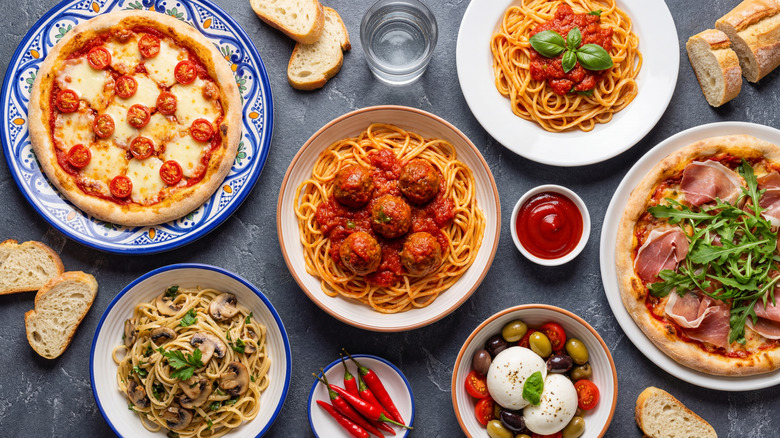
Italy is the home of simple yet flavor-packed comfort food, and there's no questioning the universal appeal of this country's cuisine. Here, the focus is on fresh, seasonal ingredients, which are often paired with a starchy base of pasta, rice, or polenta. Whether you're visiting the bustling streets of Rome or the tranquil hills of Tuscany, you won't have to look far to find dishes drenched in fragrant sauces, scattered with vibrant herbs, or adorned with creamy cheeses.
Onions and tomatoes are popular picks in Italian cooking, and these core ingredients pair especially well with aromatic herbs like basil and oregano. Extra virgin olive oil is a go-to for adding richness, which is balanced beautifully by the tang of balsamic vinegar, while mozzarella is a staple for melting onto pizza or layering into a wholesome Caprese salad.
Italian dishes are often shaped by regional influences, too. For example, the pizza Napoletana (known for its simple toppings and light, airy dough) originates from the city of Naples. And, if you're visiting Milan, consider sampling the region's famous saffron-infused risotto alla Milanese.
Thailand
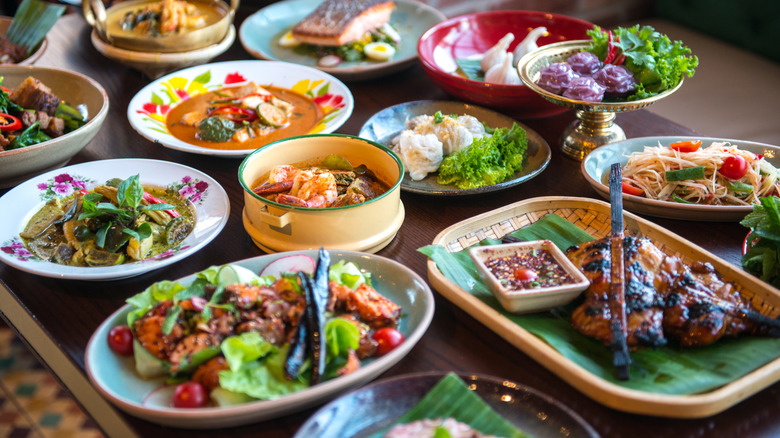
Travelers flock to Thailand for its stunning tropical beaches and ornate temples, and the vibrant food scene is just as much a part of the appeal. Thai cuisine is all about punchy, aromatic flavors, bright colors, and harmonious balance, and there's really something for everyone in this culinary paradise.
The five core flavor notes of Thai food are sweet, salty, sour, spicy, and bitter, which come together to create well-rounded, deeply layered dishes. Popular ingredients include fragrant aromatics like lemongrass, galangal, and makrut lime leaves, as well as umami-rich condiments such as soy sauce, fish sauce, and oyster sauce.
One of Thailand's best-loved dishes is pad Thai — a stir-fried noodle dish often made with shrimp or tofu, and flavored with tangy tamarind. Other notable mentions include the classic tom yum soup, with its signature sour and spicy broth, as well as the hearty Massaman curry, which offers a mild, aromatic heat and creamy coconut-based sauce. Street food is a huge part of the culinary landscape here too, with nutty satay skewers and sizzling fried rice dishes often served fresh from bustling market stalls.
Argentina
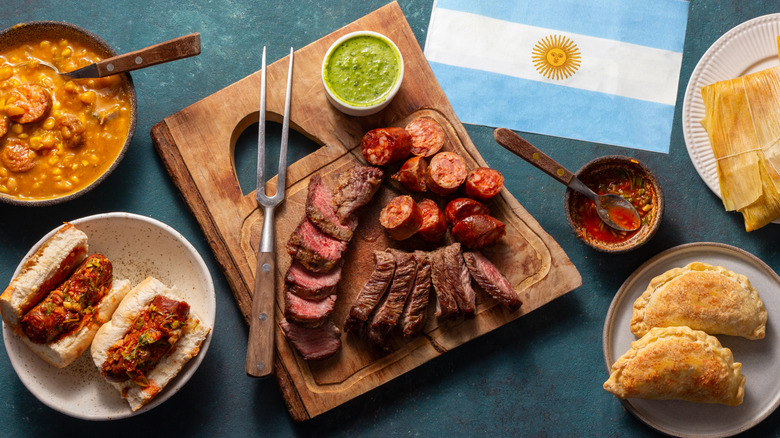
A true haven for meat lovers, Argentina is renowned for its world-class beef and hearty accompaniments. Here, barbecuing (known as asado) is as much a social event as it is a cooking technique, with slow-cooking over charcoal giving the meat a distinctive smoky taste and tender texture. The expertly cooked steaks and sausages are typically served with two sauces — a zesty, herb-loaded chimichurri and a crunchy salsa criolla, made with bell pepper, onion, and tomato.
While the asada experience is not to be missed, the humble empanada is another standout in Argentina's culinary scene. These portable filled pastries come stuffed with savory goodies like ground meat, cheese, and egg, and they're perfect for on-the-go snacking. Argentinians are big on dessert, too. In the capital of Buenos Aires, gelato is everywhere, with thousands of traditional heladerías scattered throughout the city. Dulce de leche is the most iconic ice cream flavor here, and thanks to its Argentinian origins, you'll find this indulgent caramel-like sauce incorporated into countless other sweet treats, such as doughnuts, pastries, and the famous alfajores sandwich cookies.
Portugal

Portugal is the perfect destination for seafood lovers and fans of rustic, Mediterranean-inspired flavors. With the Atlantic on its doorstep, this coastal gem is a hotspot for fresh fish dishes, such as grilled sardines, octopus, and bacalhau — a type of salted cod often served with fried potatoes and rice. Bright, herby ingredients like lemon, garlic, and cilantro are commonplace, perfect for adding depth without overpowering the natural flavors of the seafood.
Piri piri chicken is another staple of the Portuguese food scene, where the meat is marinated in a fiery chili-garlic mixture and grilled to charred, juicy perfection. You'll find this served at casual grill houses and gourmet restaurants alike, usually with a side of fries or rice. Let's not forget the sweets, either. Portugal's capital, Lisbon, is the birthplace of the beloved pastel de nata. Sitting proudly in bakery windows across the city, these sweet egg custard tarts have long been a hit amongst tourists, loved for their rich, creamy filling and golden, flaky exterior.
Indonesia
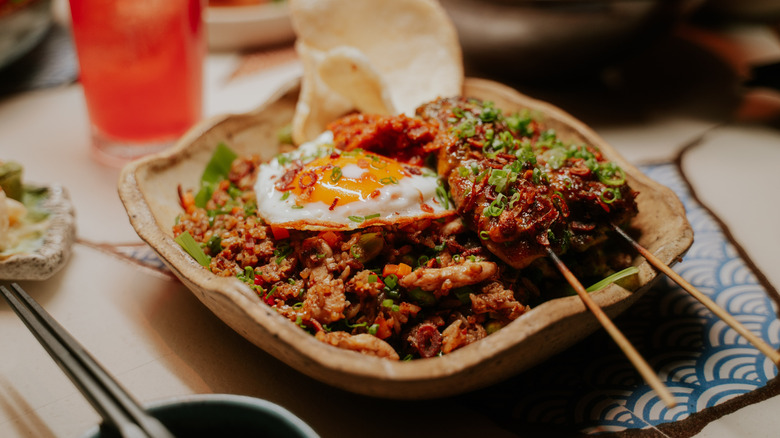
Characterized by bold, spicy ingredients, Indonesian food is celebrated for its deep, complex flavors. While the culinary landscape here is incredibly diverse, rice is the foundation of many meals, especially at breakfast time. Nasi goreng, one of the country's national dishes, sees rice fried with chiles, garlic, and kecap manis, and often topped with a fried egg, while nasi uduk combines the tender grains with creamy coconut, chicken, and tempeh.
On the dinner table, rendang is a staple. Deemed the world's most delicious food by CNN in 2017, this rich beef stew boasts an impressively rich, fragrant flavor and melt-in-the-mouth texture, achieved by slow-cooking the meat with coconut milk and a medley of aromatics like lemongrass, galangal, and garlic. The street food is another highlight, especially in major cities like Jakarta and Yogyakarta. Browse the bustling array of stalls, and you'll find everything from crispy spring rolls and deep-fried tofu to fermented soy beans and even sweet coconut cakes. Head to Indonesia's smaller islands, like Bali and the Gili Islands, and locally caught seafood dominates menus, with spice-infused steamed fish a favorite.
Peru
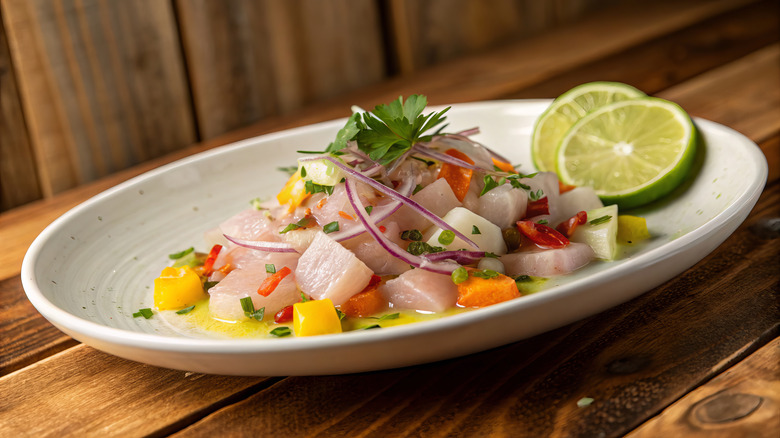
It might be home to one of the seven wonders, but Peru is also widely recognised as one of the most exciting culinary destinations in the world. Heavily shaped by Asian and European influences, Peruvian cuisine offers a unique blend of tradition and contemporary creativity. Fresh, local ingredients like chicken, fish, potatoes, and tomatoes play starring roles, while ají amarillo chiles and peppery cilantro are popular flavor-boosters.
Ceviche is undisputedly Peru's best-known dish. Fresh white fish is marinated in lime juice, mixed with chiles, red onion, and cilantro, and served with sweet potato or corn to create a refreshing, wholesome meal that's packed with bright, zesty flavor. And, there are plenty of other delicious dishes to discover. Peru's lomo saltado is a spicy, Chinese-inspired beef stir-fry with red onion, tomatoes, garlic, and soy sauce, that's typically served with crispy fries. Then, there's the somewhat divisive cuy, also known as guinea pig. It's not uncommon to see this delicacy served whole on special occasions, and the fried or roasted meat offers a similar, but slightly gamier flavor profile to chicken.
Spain
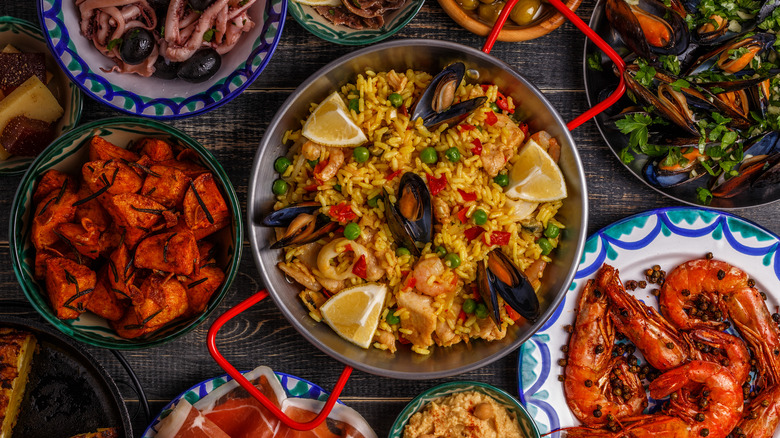
Spain's way of eating is deeply woven into the country's vibrant social scene, with dishes often designed for sharing amongst diners. A draw for many visitors is the tapas, and these small plates offer the perfect opportunity to sample a variety of flavors in one sitting. Traditional dishes include tortilla española (a type of omelet with potatoes and onions), elegant slices of jamón Ibérico, and gambas al ajillo, which sees fresh shrimp served in a sizzling mixture of olive oil, chiles, and garlic.
There are countless regional specialities to explore, too. Valencia is the birthplace of paella, the world-famous saffron-infused rice dish, typically cooked with seafood or meat, while Andalucía is known for its gazpacho, a refreshing chilled tomato soup. In the Basque region of Spain, pintxos are the appetizers of choice. Traditionally served on skewers, these tapas-like bites make the most of savory staples like crusty bread, meats, cheeses, olives, and peppers.
In the sweet realm, churros absolutely deserve a mention. Especially popular in Madrid, these crispy fried dough sticks come with a thick, chocolatey dipping sauce, making them an indulgent pick for breakfast or dessert.
Vietnam
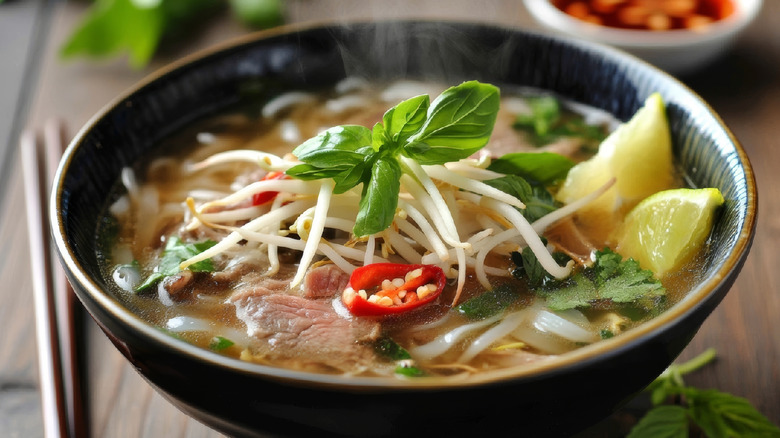
Step into the Vietnamese culinary realm, and you'll be greeted by fragrant herbs, crisp vegetables, and light, savory broths. Compared to some of its Southeast Asian neighbours, Vietnam offers a more subtle approach to cooking, focusing on clean, delicate flavors and creating the perfect balance of sweet, salty, and sour. Fish sauce is perhaps the most widely used ingredient here, found in everything from dipping sauces for shrimp and veggie-stuffed spring rolls to marinades for grilled pork and chicken. Rice is another essential, whether that's in the form of bouncy vermicelli noodles, soft rice paper wrappers, or simple steamed grains.
China's influence is evident throughout Vietnamese cuisine, particularly in its stir-fries and soups, but the country's food scene has also been shaped by its French colonial past. The banh mi sandwich is a shining example, where a crusty French baguette is piled with savory pate and cold cuts, pickled veggies, and fresh herbs. Vietnam's beloved noodle soup, pho, also reflects this fusion, combining Asian-style noodles and aromatics with a meaty, slow-cooked broth more akin to European technique. This French influence can even be found in Vietnamese desserts like banh flan, a creamy set custard inspired by the classic creme caramel.
Mexico
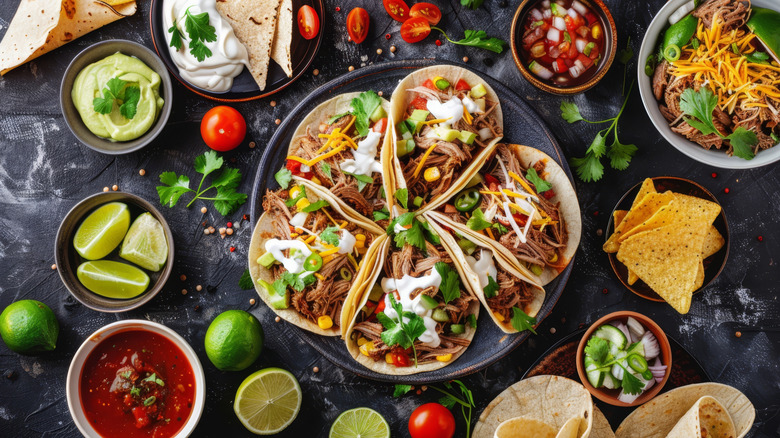
You're likely already familiar with the bold, spicy flavors that Mexican food has to offer. This country's colorful cuisine has had a significant impact on eating habits around the world, and while tacos, fajitas, or enchiladas might already be staples in your meal rotation, these favorites offer only a small glimpse into the diverse array of dishes that define Mexican cooking.
In Mexico's bustling cities and chic coastal towns, food sits at the center of everyday life. Tamales, one of the world's oldest foods, are deeply rooted in Mesoamerican culture. These steamed, corn-based parcels come filled with everything from pork and chicken to cheese and jalapeños. Pozole, a traditional meat-and-hominy stew, is another must-try, prized for its flavorful, slow-cooked broth. Street food is equally essential to the experience, with vendors serving up dishes like elotes (grilled corn slathered in cheese, lime, and chili) and quesadillas hot off the grill.
Mexican food is known for its depth of flavor, built with spices like paprika, cumin, and chili powder, alongside fragrant herbs such as oregano and cilantro. While many dishes pack plenty of heat, they're also carefully balanced with acidity and freshness, creating meals that appeal to a wide range of palates.
Malaysia
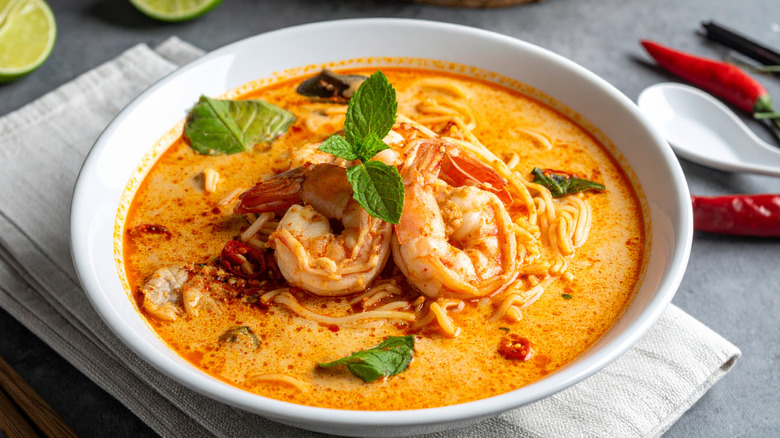
Malaysia's culinary scene offers a delicious reflection of its multicultural population, with Chinese, Thai, and Indian influences evident throughout the country's diverse signature dishes. Malaysian cuisine showcases a wide variety of flavors, though creamy coconut milk, warming turmeric, and citrusy lemongrass are all commonly used. Cooking styles vary from dish to dish, with stir-frying a popular technique for quick noodle and vegetable recipes, grilling being the go-to for satay skewers and seafood, and slow-simmering building depth in curries and stews.
Nasi lemak, which is considered Malaysia's national dish, features coconut-infused rice served with spicy sambal, crispy anchovies, and roasted peanuts. It's typically served for breakfast with sides like boiled eggs or fried chicken, and makes for a delightfully hearty start to the day. Laksa is another highlight. This spicy soup combines rice noodles with a rich coconut milk broth and tender shrimp or chicken. And, if you love street food, Malaysia won't disappoint. From flaky roti canai flatbreads and sizzling mee goreng noodles to sweet fruits like mangosteen and rambutan, there are new flavors to explore around every corner.
Turkey

It's the birthplace of the kebab, but there's more to Turkey than its world-famous meat-stuffed wraps. Turkish food is as diverse as the country itself, with a wide range of dishes that reflect its unique geographical position. Straddling both Europe and Asia, Turkey draws on a blend of culinary influences, from the bright, zesty notes of the Mediterranean to the deeper, spicier flavors found in Eastern cooking.
Of course, no visit to Turkey is complete without trying a locally made döner kebab. These succulent cuts of meat (typically lamb or beef) are traditionally cooked on a vertical rotisserie next to an open fire, before slices are shaved off and served with flatbreads, rice, sauces, and fresh salad. However, there are many other delights to sample. Mezze is another Turkish favorite, where a small spread of savory appetizers such as baba ganoush, hummus, cured meats, and olives is served together, all designed for sharing. There's manti, too — pillowy dumplings stuffed with lamb and onion and served with a garlicky yogurt sauce. And, for something sweet, a slice of flaky, syrup-loaded baklava offers the perfect indulgent finish.
Greece
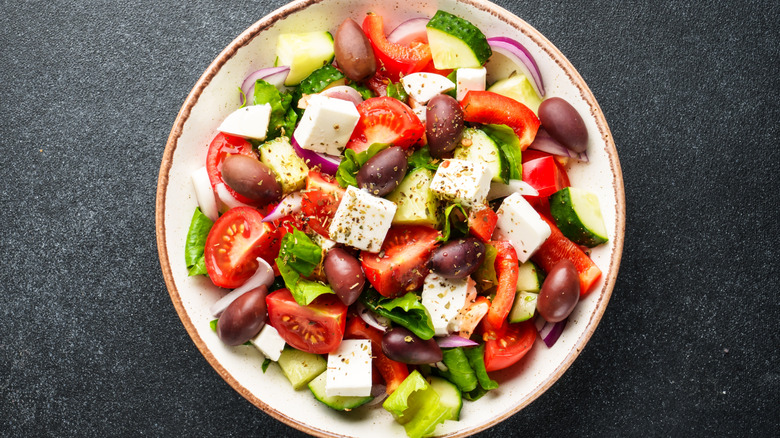
Celebrating fresh, wholesome ingredients, Greek cuisine is a colorful medley of veggies, legumes, cheeses, fruits, and herbs. The Mediterranean diet underpins the approach to eating here, with heart-healthy olive oil taking center stage in everything from crisp salads to creamy dips and flaky pies. Growing in abundance in Greece's balmy climate, lemons are also widely used, and their zesty brightness pairs beautifully with other foundational ingredients like garlic, oregano, basil, and mint.
One of Greece's most iconic dishes is moussaka — a layered casserole made with slices of eggplant, a meaty, tomato-based filling, and a rich bechamel sauce. Souvlaki, where grilled skewered meat is served in warm pitas with salad and tzatziki, is another example of Greek cuisine's irresistible balance of comfort and freshness. Feta cheese, tomatoes, and olives often come together in vibrant salads, too, with tart red wine vinegar being a popular addition to dressings.
Seafood is another key element of the culinary landscape here, especially on the Greek islands. At swanky beachside restaurants and traditional tavernas alike, you'll find plates piled with crispy calamari, succulent shrimp, and locally caught fish, often dressed simply with a squeeze of lemon.
Morocco
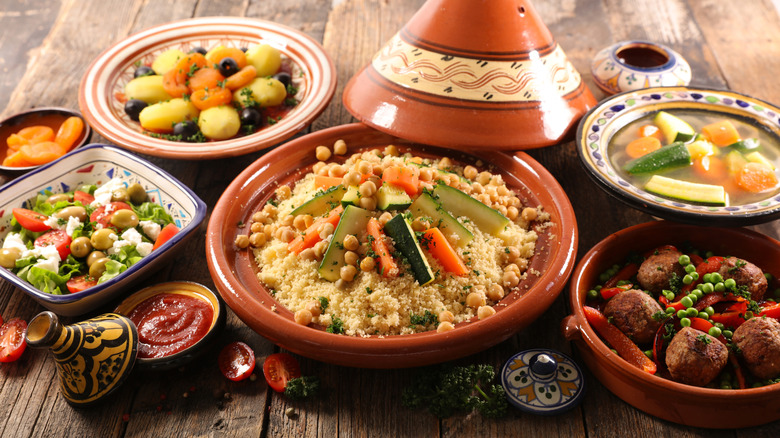
Moroccan cuisine is a real feast for the senses, with its spice-forward approach yielding a tempting selection of warming, comforting dishes built around nourishing whole foods. Influenced by Arab, Andalusian, and Mediterranean cooking techniques, Moroccan food makes exceptional use of robust spices like cumin, saffron, and cinnamon, often pairing these with vegetables, tender meats like lamb and chicken, and fluffy grains. Presentation is also a huge part of the appeal, and many dishes come carefully arranged, showcasing an array of contrasting colors and textures.
Slow-cooking is a widely used technique here, and this is the go-to for preparing the iconic Moroccan tagine. Made and served in distinctive clay pots, these stew-like dishes combine richly spiced meats with dried fruits, olives, vegetables, and couscous. Designed to be shared, it's often enjoyed communally between family and friends, and eaten with a traditional crusty bread called khobz. Other standout Moroccan dishes include pastilla — a unique chicken pie that blends sweet and savory flavors in an unlikely but surprisingly delicious way — and harira, a vibrant tomato-based soup with chickpeas and vermicelli noodles, which is commonly served to break the fast during Ramadan.
France

Quaint patisseries, bustling bistros, and romantic fine dining restaurants all play a role in defining French cuisine, firmly securing France's place as one of the world's most celebrated culinary destinations. While dishes can vary widely by region and season, the core principles of using high-quality ingredients and presenting them beautifully remain constant, and many classic French creations have become staples across the globe.
If you have a penchant for sweet treats, France's bakery scene is sure to delight. Stroll through Parisian streets, and you'll pass countless window displays piled high with golden, flaky croissants, pastel-hued macarons, and hand-crafted cakes. On cafe menus, there are plenty of savory options to explore, from the comforting croque monsieur (a toasted sandwich with cheese and ham) to the rustic French onion soup. And, on the dinner table, things get heartier still. One of France's most popular offerings is beef bourguignon, which sees the chunks of meat slow-cooked in a rich broth with carrots, mushrooms, aromatics, and herbs. Or, you could amp up the sophistication by ordering a decadent pile of moules marinières, where fresh mussels are simmered in a buttery white wine-garlic sauce.