

10 Mistakes Everyone Makes When Cooking Cabbage
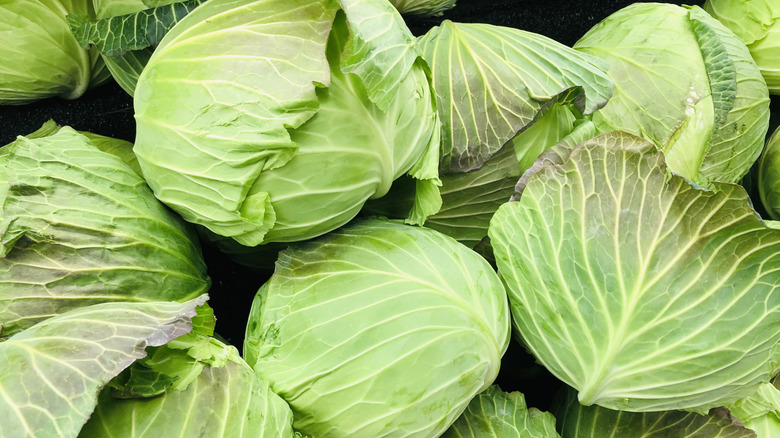
Cabbage is often relegated to the foods we buy when we are being frugal or on a health kick. It may be a food that you hated in your childhood, so you don't revisit it in adulthood, or you only eat it when you're making a specific recipe that includes it. This is a shame, as it's such a versatile food. It's also affordable, highly nutritious, and long-lasting, so it offers us benefits on all fronts. It's arguably one of the most underrated vegetables of our time. As a culinary-trained food business owner, I like to introduce people to cabbage in new ways they may not have tried, and often, they walk away with an open mind and more enthusiasm for it.
From what I've encountered with my clients and guests, most people aren't preparing cabbage the right way. Either they aren't familiar with all the various ways of preparing it, or they find cabbage intimidating and are unsure of how to handle it. In truth, cabbage can be a difficult vegetable to manage if you don't have some know-how, and there are various pitfalls that people can fall into. But once you learn how to avoid them, cabbage could become a part of your weekly meal rotation. Here are some mistakes that everyone makes when cooking cabbage.
Not giving it a thorough wash (there can be sand inside)
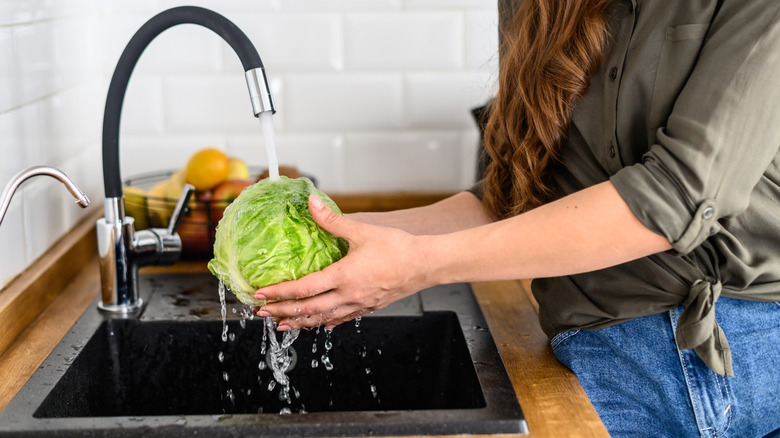
Some people think that, like an onion, the leaves in cabbage are so tightly wrapped that you don't need to wash the insides. Unfortunately, this isn't the case, and you need to thoroughly rinse cabbage, including the insides. There can be anything from dirt to bugs inside those leaves, and the only way to get them out is to wash them. It can be arduous, but it's worth the effort so you're not crunching on sandy bits or worms.
I approach washing my cabbage differently, depending on how I'm preparing it. I always start by removing the outer leaves, as they're probably the dirtiest and toughest. If you're making slaw, shred your cabbage first, and then wash those cabbage shreds in water a couple of times. If you're cutting the cabbage into wedges, run water through them from the open side of the wedge, submerge them in water, and drain. Repeat this a few times. Now, if you're using your cabbage leaves whole, remove and rinse each leaf individually; that way, you're sure every part has been washed. A bonus tip is that you shouldn't discard the outer leaves of the cabbage you removed. Instead, (after washing) use them in your next soup.
Thinking that boiling is the only cooking method for cabbage
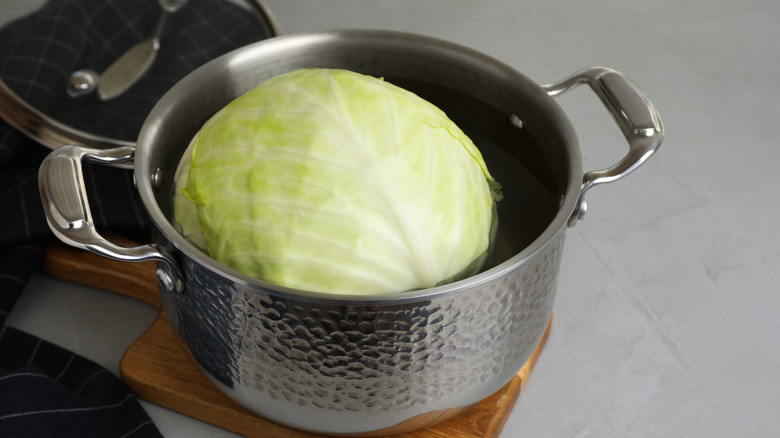
What many people don't seem to know is just how many ways there are to cook and eat cabbage. I find that people think of cabbage as either boiled or in coleslaw. Perhaps boiled cabbage is the way most people were introduced to it in their childhoods — in which case, it's no wonder they don't like it. Boiling cabbage is certainly one way to do it, but it isn't exactly the most appetizing method. While I enjoy cabbage in all forms, including boiled, there aren't many ways to infuse it with flavor or control its texture if you only boil it.
Cabbage can be roasted, sauteed, grilled, braised, stuffed, steamed, pickled, and eaten raw in various forms. All these methods have their benefits and can yield a much tastier cabbage. And, you don't need to be a highly skilled cook to try any of them; most are pretty simple and easy to achieve, even for beginners in the kitchen. So, next time you're thinking of boiling cabbage, give a new (to you) way a try!
Overcooking it
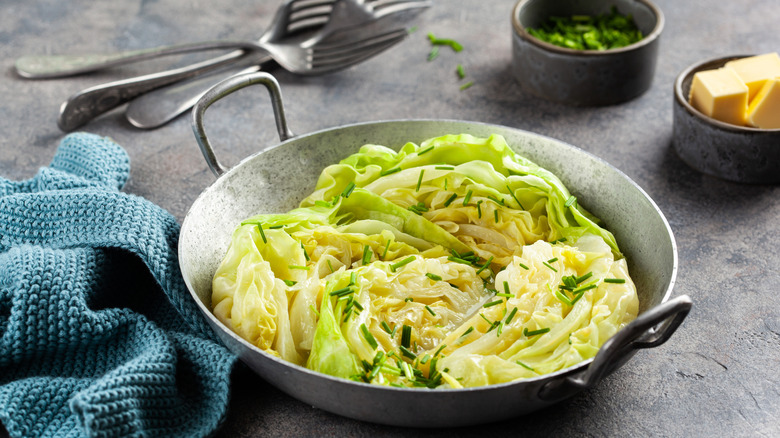
This tends to go hand in hand with boiling, but one mistake people often make is overcooking their cabbage. Overcooked cabbage is soft, mushy, and has little to no texture. I find that it also often loses its flavor when it's overcooked. While cabbage is a hardy leaf and can take some time to cook, there is such a thing as overdone cabbage.
My trusted way of avoiding this is by checking on the cabbage a quarter of the way through the cook time and then adjusting it according to what I find. If my cabbage hasn't really softened at all by this point, then I'll check again at the halfway point. If it has softened a little, I tend to reduce cooking time substantially; I think undercooked cabbage is far better than overcooked, personally. Whether you're braising, roasting, or sauteing, cabbage is always more satisfying to eat if it has a little bit of bite. Think of it as pasta, and you want it "al dente." Even if you are going for a soft end result, there's still a difference between it being slow-cooked until meltingly soft and being overcooked, soggy, and lifeless.
Not using enough fat
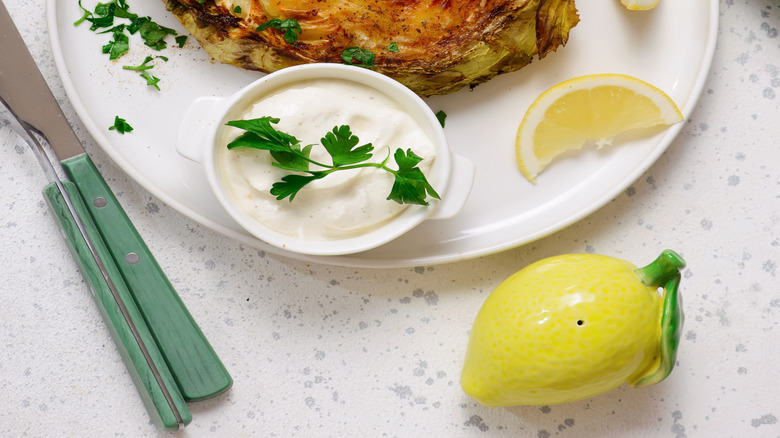
If the taste of cabbage doesn't appeal to you, perhaps you haven't been using enough fat when you cook it. Cabbage's flavor can really sing when cooked with butter or oil. The right amount of fat will help it caramelize and brown, bringing out its sweeter flavor and making it more dynamic. Even if you're steaming cabbage or using a non-browning cooking method, adding some melted butter to it with the right seasoning can make it really tasty. I tend to find that cabbage itself has a buttery flavor when cooked correctly, so highlighting that with some actual butter only helps bring out its best.
If you're used to stir-frying or sauteing your cabbage in oil, but find it becoming dry, then increase the amount of oil. Often, because cabbage can take a little longer to cook, the oil tends to get used up before it's ready. Adding another splash or two will help keep the cabbage moist as it cooks. Plus, if you're planning to char or brown some cabbage "steaks," then a high fat content will enable you to achieve that.
Overcrowding your cooking pan
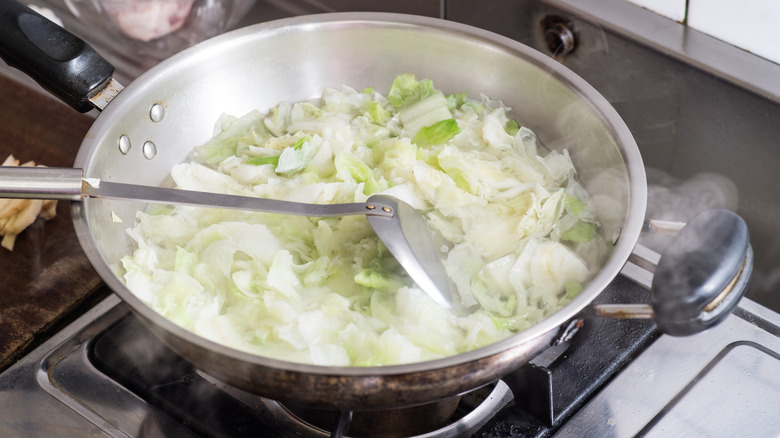
Cabbage can resemble spinach in that it's very high-volume when raw but tends to shrink significantly when cooked, though perhaps not as dramatically as spinach does. Cabbage has a high water content, and that is drawn out as it cooks. I've found that the longer you cook cabbage, the more its volume will decrease. With that in mind, many of us tend to add a huge volume of cabbage to the pan, knowing it will shrink eventually. The problem is that you can end up overcrowding the cabbage in the pan. This means it won't cook evenly, and, as a result, its flavors will develop at different rates. If you want to caramelize your cabbage as it cooks, overcrowding will prevent this.
Instead, add your cabbage to the pan in smaller batches, giving each batch a chance to brown and cook through before removing it for the next batch. This might take a little bit longer than you want, but the result will be way tastier, and you won't run the risk of having some extra chewy and undercooked bits of cabbage in your dish.
Letting your chopped cabbage dry out (soak it in water instead)
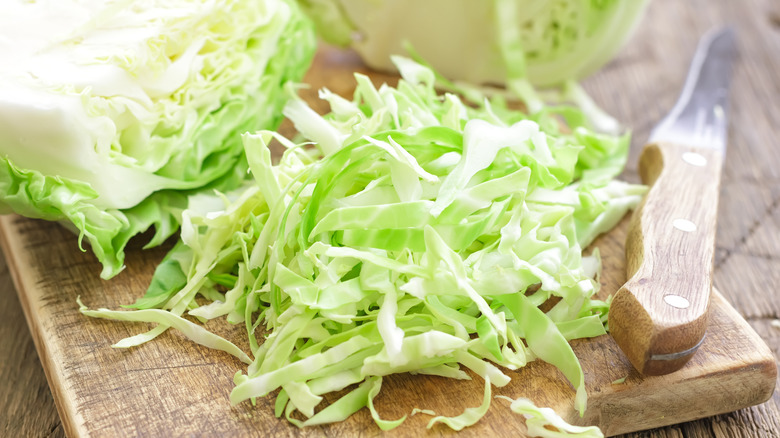
It's a win when you can make or prepare food in advance to avoid being overwhelmed on the day of. Whether you're having friends over in the evening or making something for a potluck, you might want to shred your cabbage ahead of time to get a jump on prep. Unfortunately, doing so can cause your cabbage to dry out. In order to keep it crisp, it's best to soak it in water until it's time to use it.
The reason why it pays to soak shredded cabbage in water is that it keeps your leaves moist and prevents them from wilting. In my experience, it even mellows out any unpleasant cabbagey aftertaste. That makes for a crisper, tastier coleslaw or even cabbage stir-fry when you're making it. So, if you're going to take this time-saving step, keep your sliced or shredded cabbage in a bowl of water until you're ready to use it.
Not seasoning it enough
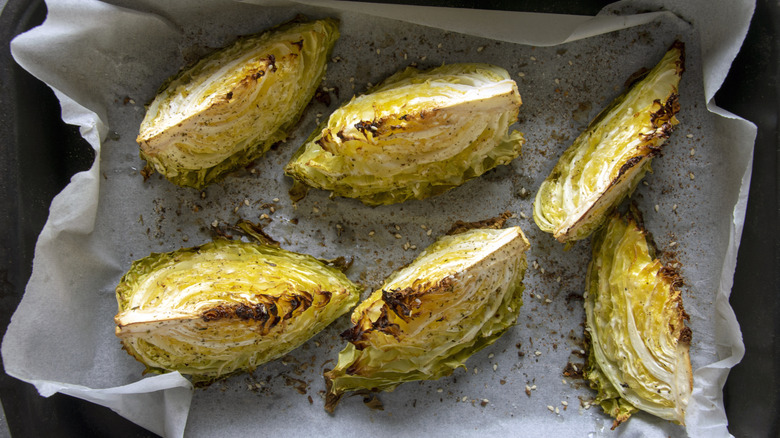
Just like we might not use enough fat when making cabbage, it's also pretty common to underseason it. Cabbage loves a good amount of seasoning, and it tastes infinitely better when you've done so adequately. Because it's so fleshy and filled with water, it needs a heavier hand than many other types of vegetables. This starts with adding enough salt, helping to bring out its savoriness, but it doesn't have to end there. Pepper is also a wonderful flavor with buttery cabbage, as it balances the sweetness and brings out its sharper flavors.
Seasoning cabbage also doesn't mean only sticking to spices. Using condiments like mustard, soy sauce, oyster sauce, hoisin sauce, horseradish, and more can make your cabbage dish truly exciting. As I've got a North African and Middle Eastern background, my cabbage rolls are often seasoned with a good amount of ground coriander, cumin, and tomato paste. The possibilities are endless. I also recommend always including some form of acid. Acid plays incredibly well with cabbage of all kinds, brightening it up. Anything from lemon juice to vinegar to wine will be delicious when cooked with cabbage.
Using the wrong type of cabbage for the recipe
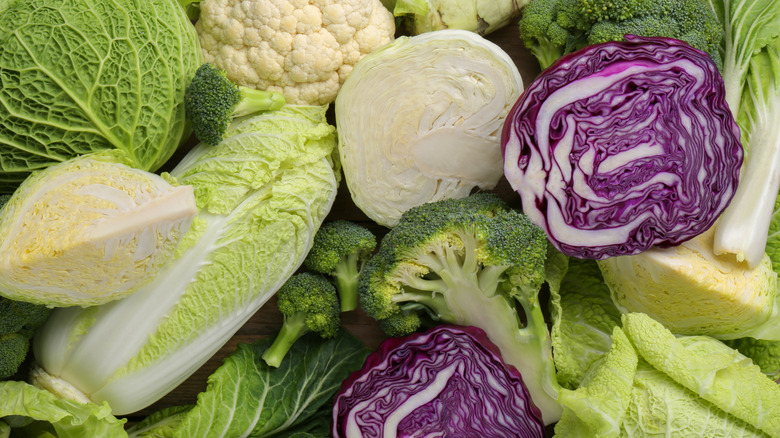
Something to always keep in mind is that not all cabbage is the same. Different cabbage types and varieties not only taste different, but also cook differently. A common mistake people make is applying any recipe to any type of cabbage. It won't always work.
Green cabbage is perhaps the most versatile, in my opinion, and there are many ways to cook it. But, if you're making roasted cabbage, for example, it's better to reach for red cabbage than green. Red cabbage is tougher and has a lower water content than green cabbage, meaning it stands up to heat better and won't take as long to roast. It also has more complex flavors that are brought out beautifully through roasting. I find that this results in a roasted cabbage that's sweeter and has a bit more pepperiness than roasted green cabbage.
Napa cabbage, on the other hand, is much more delicate than other types of cabbage. I find it can overcook quickly, and it also wilts faster, making it less than ideal for raw applications like slaw. So, instead of choosing it for slow-braising or roasting, it's great in a quick saute or stir-fry, and also works great for hot pot.
Cutting it inconsistently
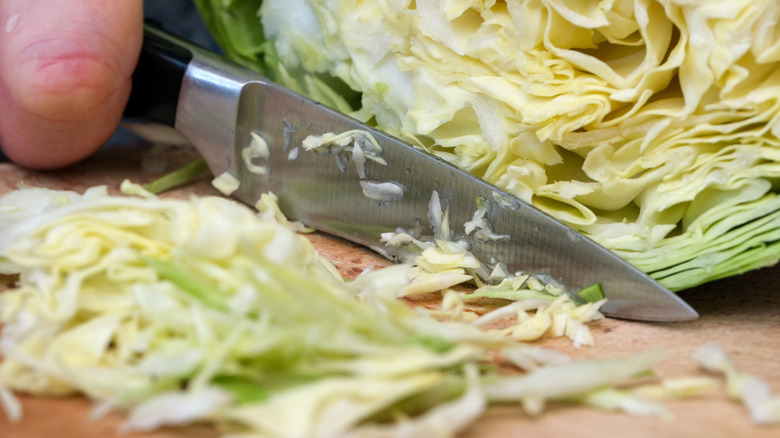
How you cut your cabbage will affect how it cooks. Naturally, larger chunks will take longer to cook than thinner shreds. That's why it's important to cut your cabbage consistently, so you avoid uneven cooking and a plate of cabbage that's both overcooked and undercooked at the same time. Depending on the recipe you're making, cut the size and shape accordingly. For slaw, you'll want to go thinner, but for a stir-fry, you will want larger chunks.
How you cut cabbage is especially important if you're roasting wedges. If the pieces aren't uniform, you will end up over-roasting the smaller pieces and under-roasting the larger ones. Give yourself plenty of room when cutting your cabbage and use a sharp knife to ensure clean, even cuts.
Thinking coleslaw is the only way to eat raw cabbage
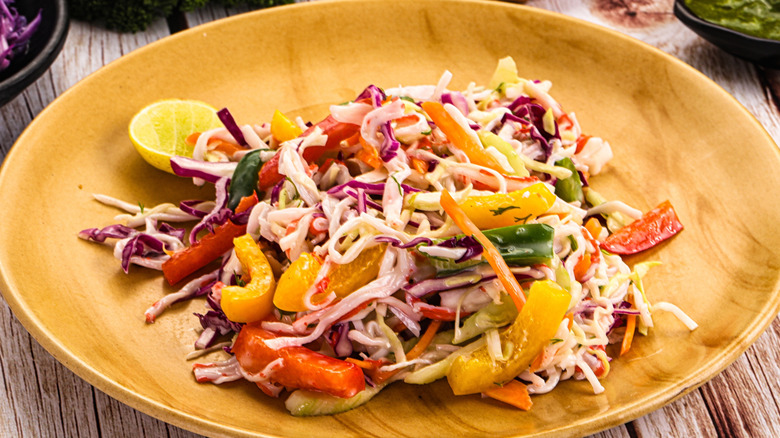
Coleslaw is a reliable staple. It's delicious and goes well with many meals. However, it can become pretty boring if coleslaw is the only way you eat raw cabbage, especially when raw cabbage can be so fresh, crisp, and versatile. There are many different salads that you can make with raw cabbage beyond coleslaw. For example, you can pair cabbage with cucumber to make this refreshing Korean-inspired salad, or turn up the heat and try this spicy and flavor-packed Southeast Asian cabbage salad.
Give your raw cabbage a Mediterranean touch and mix it up with some fresh dill and parsley, Kalamata olives, and a light olive oil dressing to make this Lahano salata (Greek cabbage salad). If you prefer to keep things very simple, then this crunchy purple cabbage salad will do the trick. Purple cabbage is shredded, mixed with carrots, and dressed with a red wine vinegar-Italian seasoning dressing. The possibilities of raw cabbage are truly endless.