

10 Costco Staples That Freeze Well So You Buy In Bulk Confidently
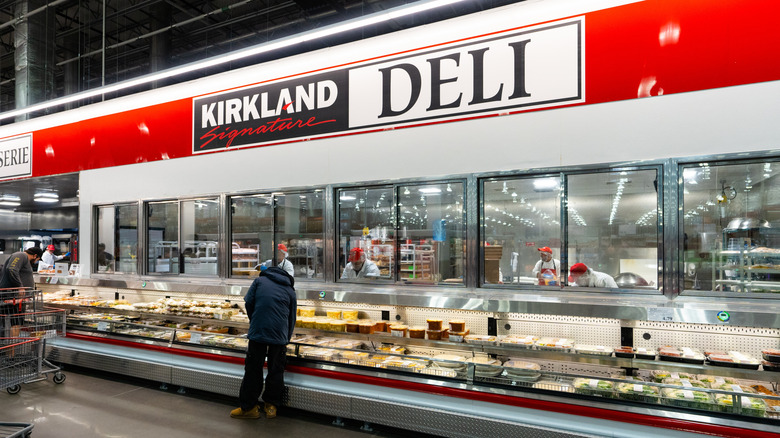
Whether you're feeding a large family, prefer the cost savings of buying in bulk, or are just super into kitchen organization, there's a good chance you're part of the coveted Costco cardholder club. And, while your first ever trip into the warehouse might have you feeling like a kid in a candy store, that glee may evaporate once you ask the inevitable question that plagues all Costco customers eventually: "Where the heck am I going to store all this food?"
Yeah, irresistible deals on prime rib cuts or multi-packs of ground beef are admittedly hard to pass up, even for the most self-controlled shoppers among us. But upon arriving home with five pounds of chicken breast, five pounds of ground beef, and a giant container of freshly-baked croissants, you realize that not even your bottomless pit of a teenager could get through all that food before it goes bad. Fortunately, we live in the 21st century, an era ripe with freezers galore, and preserving plentiful pounds of food is easier than ever. Get ready to buy a chest freezer if you don't already have one — once you know about all the Costco staples that freeze well, it'll basically be a household necessity.
Chicken breast
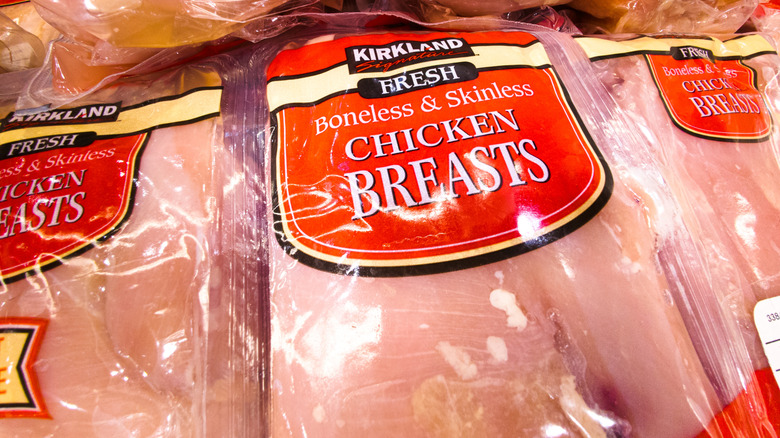
This may seem like a somewhat obvious freezer-friendly staple, but it merits discussion anyway. If your weekly meal prep regularly involves some iteration of rice and chicken breast, and you're not already buying your breasts from Costco, you're missing out on a whole slew of savings. If you think you'll never get through all that chicken before it goes bad, freeze it, friends. Just freeze it.
As Costco's chicken breasts come in multi-packs, it's easy enough to just separate the packs and toss a couple into your freezer. But if you want to make life a little easier on your future self, get part of your meal prep out of the way before you freeze them. Cut the breasts into cubes or strips (bonus: this will help them thaw easier later!) and divide them into weekly portions before storing in freezer-friendly Ziploc bags.
Lastly, make sure you put today's date on each bag with a permanent marker. Despite popular belief, most foods don't get an infinite life span once they're placed in the freezer, and dating the bags (or containers) will help you know when to eat them. Chicken, when frozen properly, will retain its quality for up to nine months, which should be plenty of time to get through a bulk purchase.
Breakfast pastries
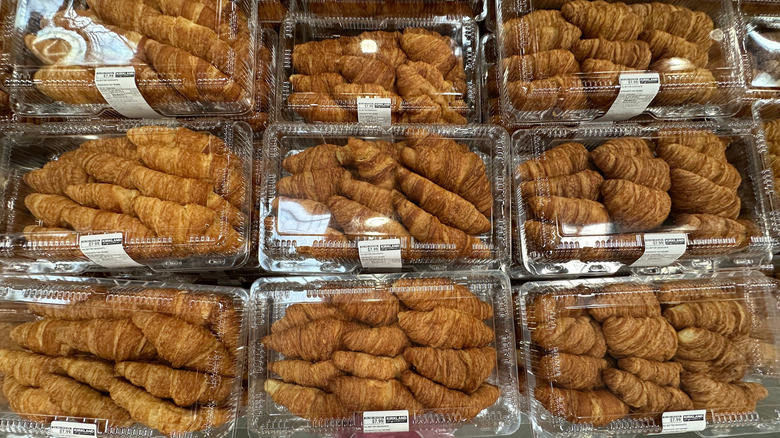
Who doesn't love indulging in a buttery treat for breakfast every now and again? Breakfast pastries have long cemented their cultural foothold, and hey, we wouldn't dissuade you from having one nearly every day if that's how you roll. But buying a pastry from your local bakery every day can put a strain on your wallet, and in this economy, penny-pinching is more of a necessity than a suggestion. The solution? Buy breakfast pastries in bulk at Costco.
You might be surprised to learn that you can actually freeze plenty of Costco pastries, from croissants to muffins, danishes, and even the store's cinnamon rolls. No matter what pastries you decide to buy in bulk, you'll want to employ the same basic protocol when prepping them for the freezer: namely, wrap them! Wrap your muffins or croissants (or danishes or cinnamon rolls) tightly in plastic wrap, one by one. Then, put the wrapped pastries into larger freezer-friendly Ziploc bags. It's really not overkill — it'll preserve the fresh flavor of your pastries for longer and prevent them from succumbing to freezer burn.
When prepping your pastries for eating, it's generally best to let them thaw while they're still wrapped. Your pastries won't stay fresh indefinitely, though. You should aim to consume your frozen stock within a couple of months, and again — remember to date those bags!
Ground beef
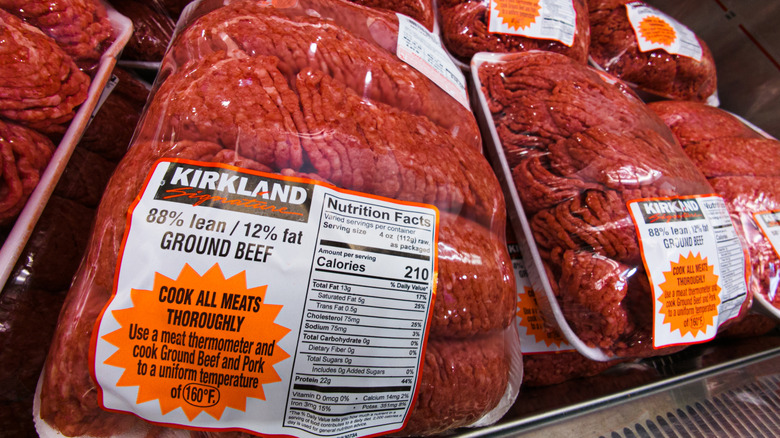
Costco's packages of ground beef are usually a stellar deal — the only problem is, each package is piled high with multiple pounds of beef, only suitable for cooking at once if you're feeding a household of 12. Fortunately for you, dear bulk shopper, ground beef is a wonderfully freezer-friendly staple that you should feel free to buy in bulk without worrying about spoilage (as is Costco's other ground meat).
When prepping your ground beef for the freezer, you'll want to follow the same basic protocol we've discussed already. Divide them into meal-size portions (likely 1 pound each); then, wrap them in plastic wrap, put the portions in a freezer bag, and date the bag. Ideally, use a rolling pin and press each bag to make thin, flat portions that will be much easier to thaw. For the safest option, make sure to thaw the meat in the fridge. You could also prep the meat beyond just portioning and freezing it — season it and turn it into burger patties or meatballs to get some variety out of your ground beef.
Technically, ground beef is safe to eat even after spending eons in the freezer, but its quality won't remain the same. To keep your beef tasting as fresh as possible, it's best to try to use it within about three months of being frozen.
Rotisserie chicken
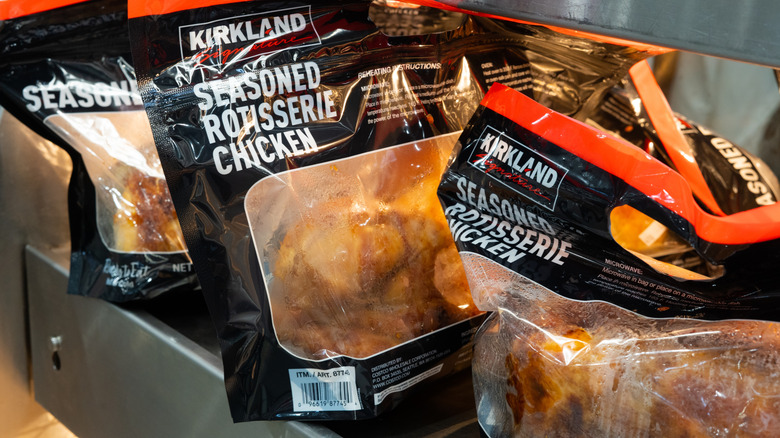
Yep, you read that right — Costco's famously delicious rotisserie chicken is also a freezer-friendly staple, which poses good news for those who can never manage to finish a whole rotisserie chicken before it goes bad. Freezing your seasoned, cooked rotisserie chicken may sound counterintuitive, but trust us: It lays the ground for insanely easy meal prep, and you won't be able to stop the practice once you've done it once.
To freeze your rotisserie chicken, make sure it's completely cool first. You can let the chicken cool while it's whole, or you can shred the meat to make it cool faster. Either way, make sure the meat is shredded before it goes into the freezer (in freezer-friendly, dated bags, of course!). Lay the bags as flat as possible so the meat freezes and thaws evenly. Voila — you now have shredded, cooked, already-seasoned chicken. Thaw it and portion it into your meal prep containers along with your choice of accompaniments, and that's all there is to it.
Don't toss that carcass out after shredding the meat, either. Save the remnants to make your own mouthwatering chicken carcass soup that's perfect during colder months. When frozen properly, your rotisserie chicken should still taste optimal as long as you enjoy it within four months of freezing.
Hard cheeses
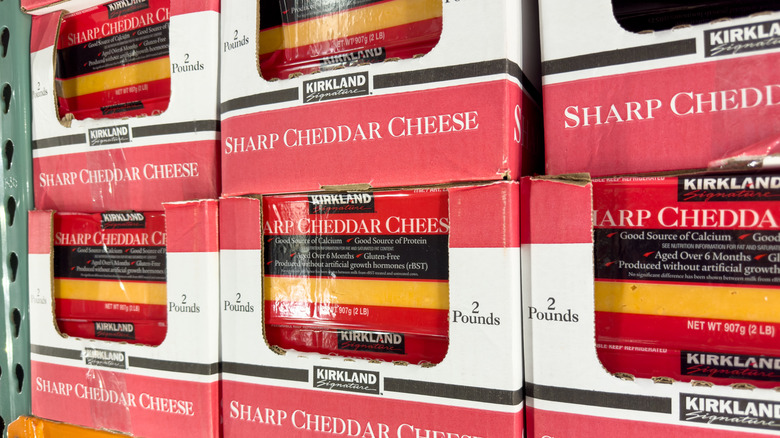
Did you know that hard cheeses are perfectly freezable? While you won't generally want to freeze soft cheeses, hard cheeses (when stored properly) can last up to six months in the freezer, so you can stop worrying about whether those pound-plus blocks you buy from Costco will go to waste.
Still, hard cheese is another food that requires some prep work before being stored in the freezer. We don't recommend freezing huge portions at a time; instead, slice your cheese into sandwich-sized slices, or you could even grate it before freezing. If you choose to slice it, it's a good idea to put pieces of parchment paper between the slices so you can separate them more easily once they're frozen. Bag them and date them and never worry about bulk cheese buys going to waste again. Let your cheese thaw at room temperature before cooking with it.
Ciabatta rolls
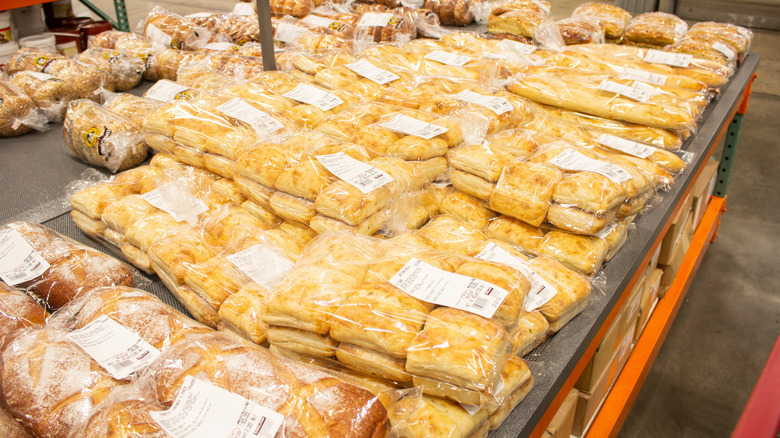
Who among us hasn't been drawn in by the tantalizing allure of freshly bakery bread when casually browsing the warehouse? If you've managed to ignore the mounds of soft loaves, congratulations — you have more self-control than most of us ever will. For those who find themselves succumbing to the bakery section's temptation, we have good news for you! Costco's bread is a great freezer staple.
You can really freeze any Costco bread (if you're freezing larger loaves, we recommend pre-slicing them), but we think that ciabatta rolls are one of the best freezer-friendly offerings. First, they require the least amount of prep work — as each roll is already one portion, all you have to do is wrap them individually before placing them into a (dated!) freezer bag and stashing them away for sandwich-making. Second, ciabatta rolls are easy to thaw in the microwave. And, honestly, the bread also just seems more sophisticated than other sandwich-building alternatives. When wrapped and stored properly, your rolls should retain their fresh-from-the-oven quality for about three months.
Butter
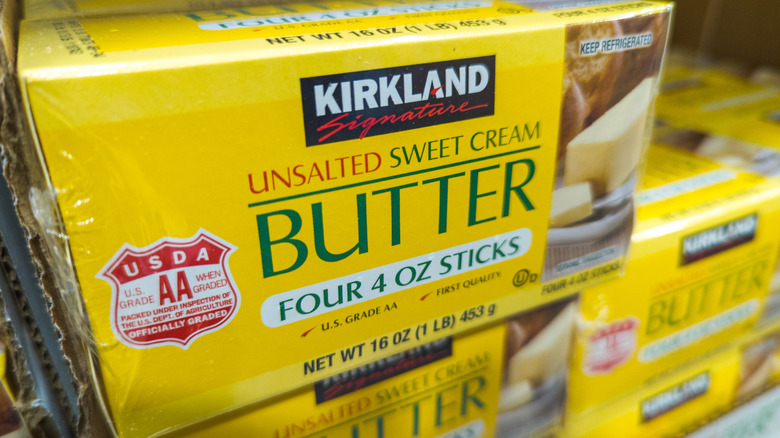
Yes, you can actually freeze butter, meaning that even non-bakers can take advantage of Costco's bulk butter deals. Admittedly, butter has a pretty long fridge life, but if you really don't use it that often, learning how to freeze it is well worth your time. Even bakers who are always buying butter will benefit from freezing it — do yourself a favor and make several butter blocks for croissants at one time, and freeze the excess to make your next pastry batches less labor-intensive.
Those among us who don't bake should feel free to just freeze the butter sticks in their pre-proportioned state (though, yes, you'll want to wrap them and bag them first). Or, if you feel like being extra, cut them into tablespoon-sized portions and wrap those individually for easy recipe prep. In general, salted butter will last longer in the freezer than unsalted butter; up to nine months as opposed to five. However you decide to freeze it, you can rest easy knowing your next bulk butter buy won't go to waste.
Fresh vegetables
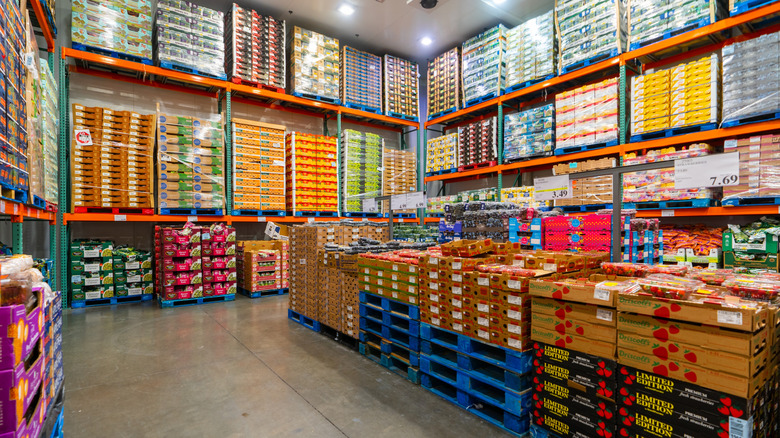
Have you ever bought a frozen vegetable medley or something similar, only to be disappointed by the proportion, quality, or cut of the ingredients? News flash: You should be making your own bags of frozen mixed veggies, particularly if you're feeding picky kiddos or just want full control over what goes into the vegetable blend. Plus, freezing veggies can make meal prep infinitely easier. You're welcome in advance.
Beyond just making your own bags of frozen mixed veggies, freezing vegetables is advantageous in tons of ways. Go ahead and grab bulk quantities of celery, carrots, and onions — once you get home, mince all of them and freeze into individual portions for a ready-to-go mirepoix. Freeze excess kale or spinach to use in smoothies — but make sure to blanch hard leafy greens before freezing. The same rule applies if you want to freeze individual portions of green beans or asparagus to extend their shelf life. One of our favorite hacks on lazy days is to just throw whole veggies (and scraps) into freezer bags before they go bad; then, when winter rolls around, they are easy additions to homemade bone broth. When stored properly, fresh veggies can last for up to a year in the freezer — just remember to date those storage bags!
Fresh fruit
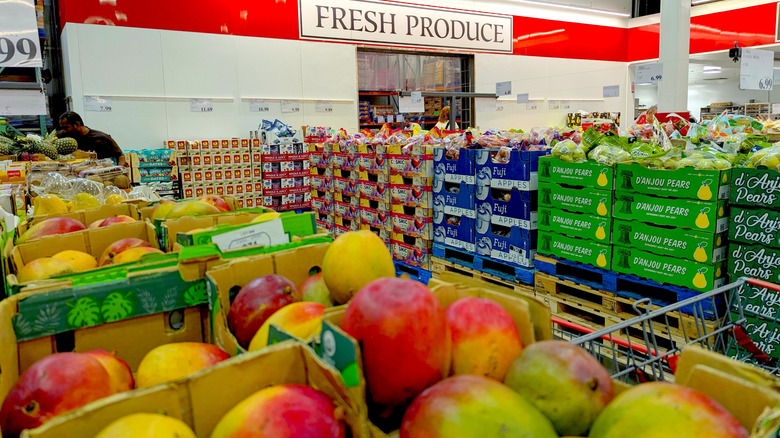
Bet you saw this one coming — another bulk buy you definitely shouldn't be afraid of is fruit. You can freeze pretty much any fruit you'd buy at Costco, and you don't just have to use the frozen fruit in smoothies. A little extra prep can make some fruit into freezer-fresh treats, too.
The obvious way to freeze fruit is to chop it up and bag individual portions to toss in the blender during smoothie season. Bananas, mangoes, berries, and pineapple are all great contenders here. Beyond that, you can also freeze grapes for a delightful frosted treat (seriously, if you've never snacked on frozen grapes, you're missing out!). Or, cover bananas in chocolate and place them in the freezer for a nutritious popsicle option. Freeze sliced apples in a cinnamon sugar mixture to prep for pie season.
However you do it, portion your fruit appropriately (ideally in single-pound servings per container) and, when thawing, thaw your fruit in cold water or overnight in the fridge. Well-packaged fruits could retain their quality for up to a year in a good freezer.
Deli meat
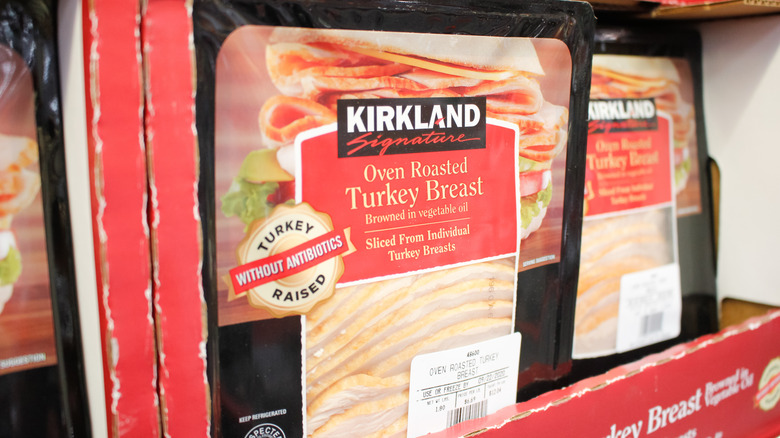
Costco has a wealth of pre-sliced deli meats, and most of them come in fantastic bulk sizes. Some are multi-packs of deli meat, which makes it easy enough to just separate the packages and toss the excess into your freezer. But some deli meat comes in one large package and will require portioning if you want to freeze it properly. In fact, for optimal results, we recommend pre-portioning and freezing even the multi-packs — it'll just make later prep easier on your end.
But before you start portioning and packaging, it's a good idea to consider what you're most likely to use the meat for. If you regularly make multi-meat sandwiches, save yourself some headache and build little stacks of deli slices to pop in the freezer. Layer turkey breast, roast beef, ham, and prosciutto, followed by a small square of parchment, and repeat ad infinitum. This will let you mix and match your deli meats for various meals, and it'll make thawing them a breeze.
As always, bag, date, and freeze. Deli meat stays safe indefinitely when frozen, but the quality starts to go south after a month or two, so you'll want to consume it relatively quickly after freezing.