

7 Best Sodas To Pair With Gin
We may receive a commission on purchases made from links.
There is a long and storied history when it comes to drinking gin. This juniper-based, botanical-infused, clear liquor dates to the Middle Ages, when the earthy, piney juniper berry was used for medicinal purposes, which is why so many gin bottles today look like old apothecary bottles. Fast forward to the late 1600s when genever — similar juniper spirit — became popular, setting the scene for gin. In the 19th century, advances in production capabilities, such as the invention of single-column distillation that brings more purity than traditional copper pot, led to the introduction of a juniper-forward London dry gin that became the most popular gin option. Soon, producers began infusing it with exotic fruits, spices, herbs, and other botanicals, creating a versatile gin selection that we still enjoy today.
Gin enthusiasts found ways to enjoy the spirit in a variety of gin cocktails, including martinis and highballs. Though gin can work with various mixers, it goes especially well with sodas as carbonated drinks can cut through the liquor's richness while helping deliver a more fragrant, fresh, and light cocktail. Still, due to gin's distinct and complex flavor, some sodas work better than others. To find out which soda types work best with gin, I conducted a taste test by mixing various sodas with traditional and modern-style gins, determining the best options. I utilized my experience, training, and expertise as a Certified Sommelier, spirits writer, and gin lover to narrow down the best seven options.
Tonic
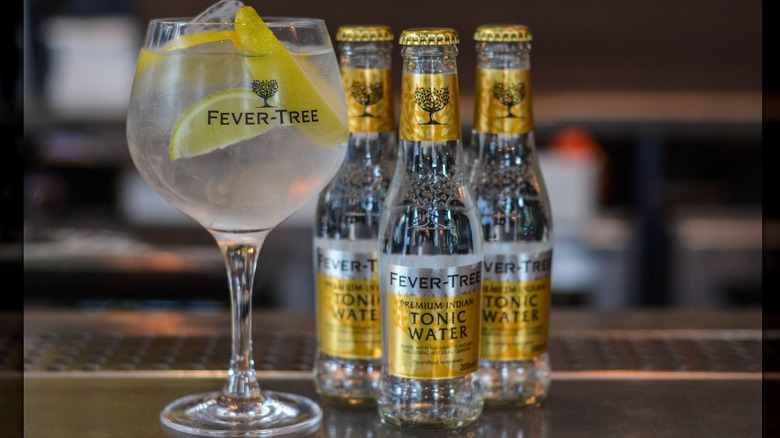
The combination of gin and tonic water is a classic cocktail that generations of spirit enthusiasts have loved for decades. Individually, each offers a distinct taste. Gin's flavor comes from the piney juniper base along with the blend of fruits, spices, and other botanicals, while tonic's profile comes from the inclusion of bitter quinine, with sweet sugar balancing the taste. The quinine in tonic comes from the bark of the cinchona plant.
Like gin, tonic's early uses were for medicinal properties. British officers drank tonic with sugar to help fight malaria during their occupation of India in the mid-1800s. They added the combination to their daily allocation of gin, creating the earliest version of the classic gin and tonic. When you combine gin with tonic water, the result is a complex cocktail with ingredients that complement each other while creating balance.
The bitterness of the tonic enhances gin's botanical flavors, while the sweetness makes the drink more palatable. Add in a healthy dose of ice and a squeeze of lime, and you have a completely refreshing, easy-drinking cocktail. The bitterness in the tonic works well with modern gins that have some sweetness, such as the fruity and floral Nolet's Silver Gin or rose and cucumber-filled Hendrick's. It is also best to use high-quality tonic water brands, such as Fever-Tree, as tonic imparts a significant amount of flavor and, along with carbonation, it lends the drink its signature refreshing character.
Ginger Ale
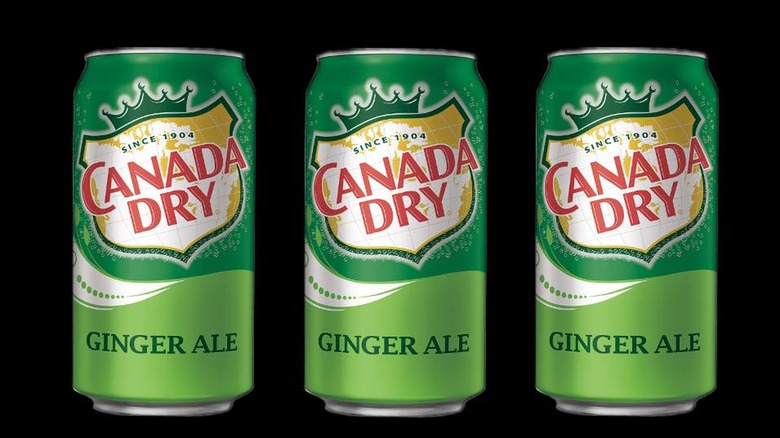
Adding ginger ale or ginger beer to your favorite gin highball is one of the best decisions you can make. As ginger is a common addition in gin's botanical blends, mixing the two elements enhances that spicy, sweet, and slightly bitter earthiness. At the same time, the peppery profile of ginger soda pairs well with citrus and warm spice notes you'll typically find in gin.
Ginger ale is less intense in flavor than ginger beer, working well with softer gins, such as Citadelle that has a subtle juniper profile accentuated by fresh citrus and spices. Higher alcohol gins, such as The Botanist Distiller's Strength 100 proof gin with a bold, juniper-forward flavor, are more robust, finding a perfect partner in the piquant, sharp-tasting ginger beer. It should be noted that ginger beer is traditionally fermented — production creates bubbles as a byproduct, similar to beer — and though it's not technically a soda, when mixed with gin, it delivers a soda-like character that best works with full-flavored gins. Try the combination in a gin-gin mule or a gin Rickey.
Beyond unaged gin, ginger-flavored drinks harmonize with barrel-aged gins, such as Four Pillars Whiskey Barrel Gin. Barrel aging usually lends warm spice, caramel, and toasty vanilla flavors to gin, all complementing the spicy, sweet taste found in ginger drinks. Additionally, effervescence cuts through the rich and toasty profile of aged gin.
Club Soda
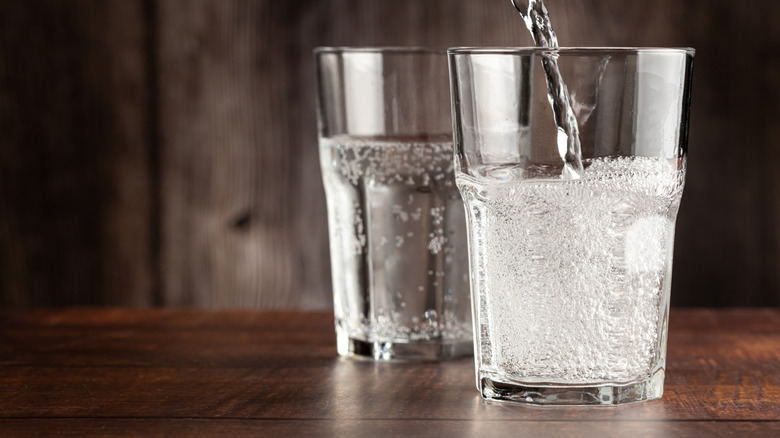
Mixing flavorless club soda with flavor-forward gin puts the spirit's authentic taste on full display without hiding behind aromatic ingredients or sweeteners. The difference between drinking gin with club soda versus tonic is that soda has a crisp, clean, and refreshing character that allows any gin to be the star. While club soda works well in various cocktails, there are several soda types, so it's essential to use the one that matches your preferred gin style.
A classic Plymouth gin, such as Plymouth Original Gin, with citrusy, spicy notes and a smooth profile pairs well with softly effervescent club soda, such as Fever-Tree. In this pairing, gentle yet persistent bubbles allow gin's delicate nuances to shine. Conversely, highly carbonated club sodas, with big, bold bubbles, such as Canada Dry or Q Mixers, pair well with robust high alcohol Navy Strength gin. The high alcohol in the Navy Strength gin allows the botanical blend to pop, helping to enhance the taste of each ingredient. This style best works with very fizzy sodas as carbon dioxide further stimulates the palate, making the flavors more prominent. Gin with a softer, more nuanced taste will get lost in those aggressive bubbles. Preferably, add a twist of lime to introduce a tart citrus nuance that will balance and highlight gin's citrus notes.
Lemon-Lime Soda
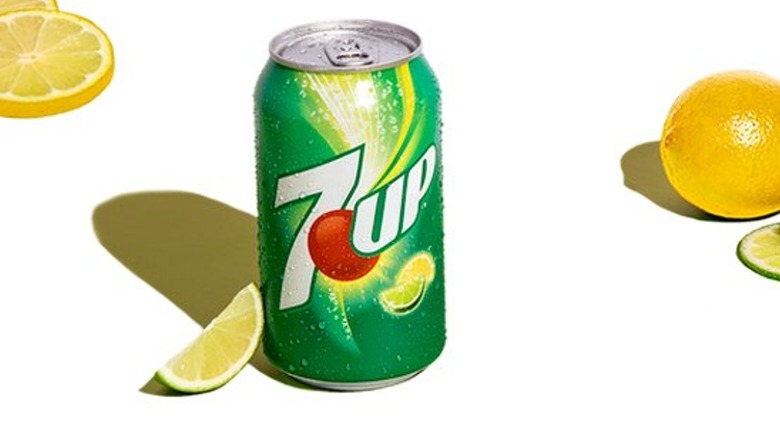
Many cocktail lovers do not care for quinine's bitter taste, making the classic tonic a non-starter. However, if they enjoy the sweetness that is often associated with tonic water, it's best to pair gin with lemon-lime soda, such as 7UP or Sprite. This combination offers typical tonic sweetness without the following bitterness. The lemon-lime flavor helps balance the piney, earthy juniper in the gin. The soda also delivers the taste of the classic lemon or lime garnish that you usually find in gin and tonics. This allows you to forgo adding anything beyond the soda to create a thirst-quenching, highly refreshing cocktail.
The combination is especially good with citrus-forward gins, such as Bombay Sapphire East gin or Gunpowder Irish Gin that's infused with Sardinian citrus. The flavors will complement each other, creating a fruit-forward cocktail that is bright, crisp, and light. When deciding which soda is best, keep in mind that the two drinks are not interchangeable. Sprite is a touch sweeter and slightly fruitier than 7UP, while 7UP has a lighter, crisper, and brighter flavor. Either option will work, but expect a combination with 7UP to be somewhat lighter, while the gin and Sprite mix will potentially create a sweeter-tasting drink, which may mask more delicate gin flavors.
Sparkling Grapefruit Soda
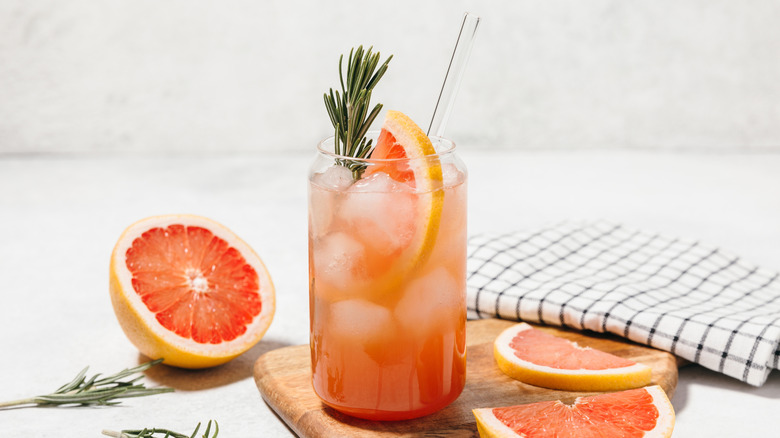
Give your salty dog cocktail a twist by using grapefruit soda instead of grapefruit juice. The carbonation delivers refreshing qualities, while the tart, tangy, and bittersweet citrus flavor enhances gin's citrus notes and balances the earthiness of the juniper. The result is a full-flavored, complex cocktail.
The complexity comes through remarkably well with a full-flavored, bold gin, such as the 2025 Monkey 47 Distiller's Cut. This limited release label consists of a blend of 48 botanicals, with fleur de sel as the signature ingredient for the year. The salt in the gin further balances the overall flavor, allowing you to skip the salted rim on the salty dog cocktail if you choose. As salt is a flavor enhancer, the inclusion of the seasoning in the gin elevates the flavor of every botanical that gin may display. Unsurprisingly, it does the same with any mixer that you decide to pair it with.
While there are quality sparkling grapefruit sodas from mixer brands such as Q Mixers, options like Squirt offer plenty of piquant, zesty grapefruit flavor with ample bubbles. Or, if you don't care for the sugary sweetness that soda contains, enjoy gin with Spindrift Grapefruit Sparkling Water. The drink contains real grapefruit, lemon, and orange juice with plenty of fizzy carbonation, allowing you to incorporate citrusy taste without the inclusion of sugar.
Sparkling Lemonade
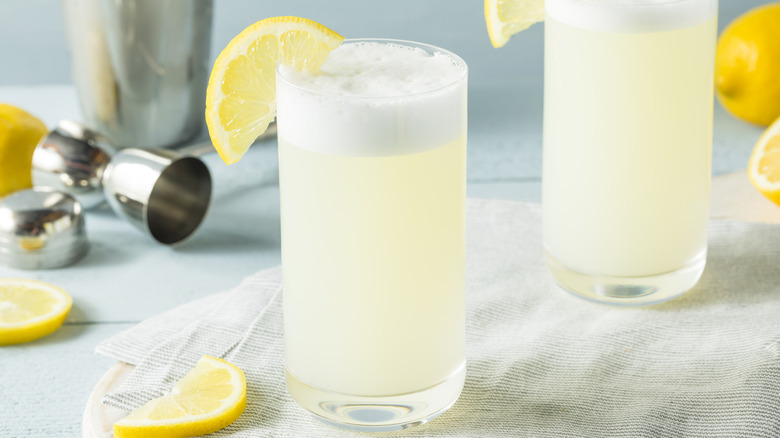
Tom Collins is a classic gin cocktail that mixes gin with lemon juice, simple syrup, and club soda. Using a sparkling lemonade soda, such as Fever-Tree Sparkling Sicilian Lemonade or Sanpellegrino Limonata, you can easily create a 2-ingredient version of the drink. The combination of gin and sparkling lemonade delivers bubbly carbonation, a refreshingly bright citrus profile, and a perfect amount of sweetness. The resulting cocktail is thirst-quenching and light on the palate.
The sweet lemon flavor and lively, bubbly effervescence cut through the richness and complexity of the gin, bringing balance to the drink. Besides balance, all that tangy citrus sweetness creates a zesty and refreshing cocktail. Additionally, the sweetness helps balance that typical juniper-forward character, and at the same time it helps to enhance gin's botanicals, primarily citruses and spices. I suggest adding a sprig of fresh rosemary to gin cocktails. This addition imparts a delicate herbaceous note, highlighting gin's natural earthiness. If rosemary is too strong for your palate, try lemon basil or fresh mint to harmonize with the mixer's refreshing lemony flavor.
Elderflower Tonic
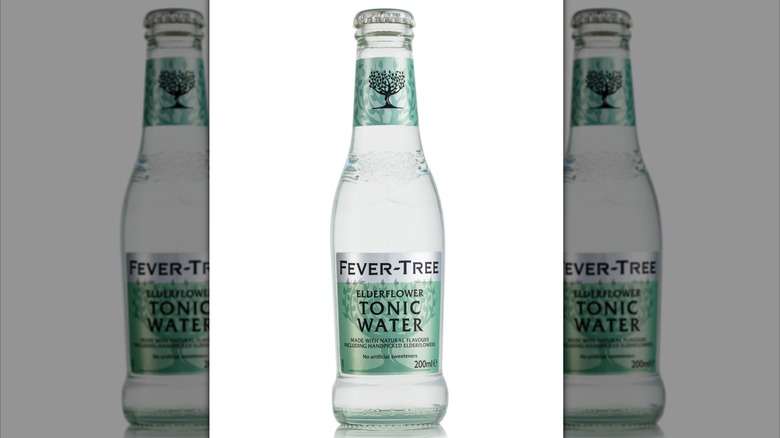
Elderflower is one of the most popular cocktail additions. The slightly fruity and intensely floral white flower has delicate notes of citrus, ripe pear, sweet lychee, wildflower honey, freshly cut grass, and white flowers. Elderflower tonic water offers an aromatic, elegant twist on traditional tonic. The drink blends fruity and floral aroma of white elderflower blossom with the typical quinine bitternes and sugary sweetness. The combination creates a balance that, when paired with fragrant, floral gin, lifts the palate, creating a well-rounded drink.
Fever-Tree blends the essential oils of English elderflowers with responsibly sourced quinine to produce its premium elderflower tonic. Picking the blossoms at their peak ensures the oils will have the richest, most pronounced fragrance. Enjoy the mixer with floral-forward, aromatic gins, such as the sustainably produced Harmony Gin from Holistic Spirits, or with Waterloo Prickly Pear & Rose gin, which we think is one of the most interesting gins released in 2025. These modern gins feature subtle juniper flavors and natural botanical sweetness that works well with the bitter quinine and floral elderflower notes, creating a multifaceted, complex, and refined cocktail. Adding a twist of lemon introduces a zesty and refreshing note without being abrasive or overpowering those delicate floral nuances.
Methodology
To create these recommendations, I began by taste-testing sodas with various styles of gin to identify which gin and soda combinations worked, and which did not. I drew upon my knowledge and training as a Certified Sommelier, spirits writer with 20-plus years of experience, and an enthusiastic gin drinker. The complexity of gin, with layers of nuanced characteristics from an array of fruits, spices, and other botanicals wrapped in a juniper-based bow, needs a proper mixer to bring its flavors to life. The appropriate pairing is essential in creating balance.
Whether you prefer a heavily juniper-forward London dry gin or one of the more modern options using regionally sourced botanicals, each of the recommended sodas — some accompanied by a preferred garnish — will easily complement a wide variety of gin styles. The pairing will bring the full potential of botanical flavors to the forefront while delivering perfect harmony in the glass.