

14 Foods With More Iron Than Beef
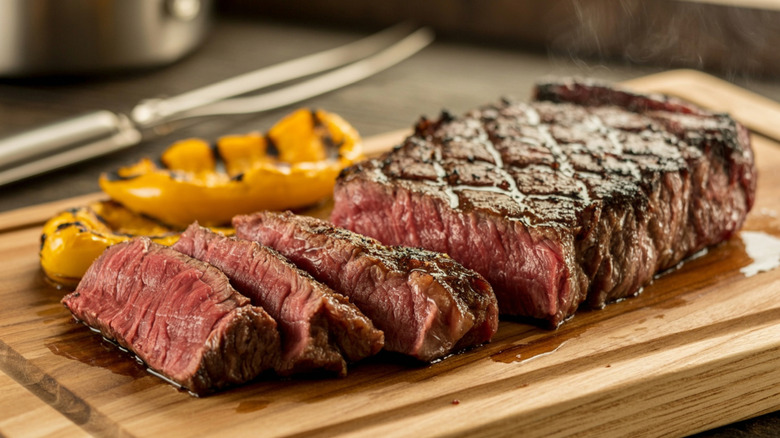
Although most of us would love nothing more than eating a delicious, perfectly-cooked steak for dinner at least once a week, the unfortunate truth is that we should all be eating less red meat in our diets, as red meat is linked heart disease and can lead to an increased risk of cancer. Many people look to red meat as a good source of not just protein but also iron, but in reality, there are so many foods that are a better source of iron.
The National Institute of Health recommends that adult males between the ages of 19-50 years consume 8mg of iron daily, while adult females in the same age range require 18mg daily (this increases to 27mg per day for pregnant women). For males between the ages of 14-18, the NIH recommends 11mg of iron daily, and 15mg of iron per day for females in the same age bracket. A 3-ounce portion of beef, which is a standard serving size, has only 2 ½ mg of iron, which is low in comparison to the rest of the foods on this list. From seafood to legumes to vegetables, the high iron content of some of the below foods may pleasantly surprise you.
Oysters
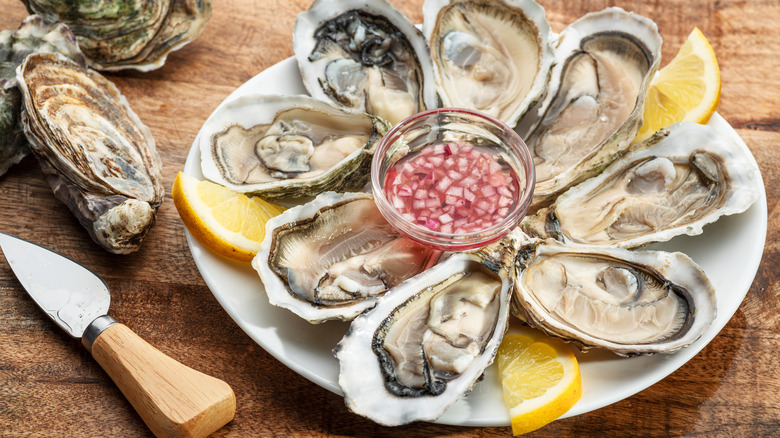
Oysters are tiny, briny, healthy powerhouses. High in protein and vitamins and minerals like B12, oysters are also a great source of iron, containing nearly 7mg of iron per serving of three oysters. Considering that post people don't eat just a single oyster at a time, it's easy to get all of that iron.
Spinach
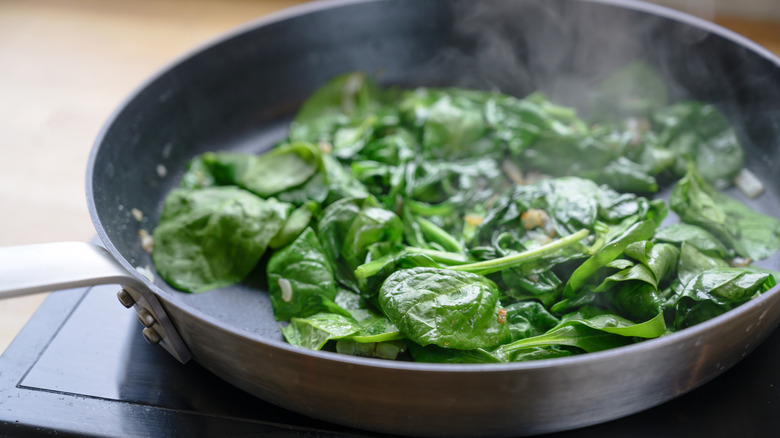
Popeye's instincts were correct when it came to his spinach consumption. While it may not give you superhuman strength, cooked spinach has 6.4mg of iron per 1 cup serving, getting you well on your way to your daily recommended iron intake. Check out our best tips you need when cooking with spinach to make folding this super green into your diet even easier.
Mussels

Mussels are another mollusk that ranks high on our list of iron-packed foods. They may be similar to oysters in appearance, however in contrast to oysters which are mostly eaten raw, mussels are best eaten when cooked, and steaming is a common way to gently cook them. The bivalves offer up 5.7mg of iron per 3 oz serving, excluding the weight of the shells. If you're new to eating mussels, start with something simple like our creamy garlic mussels recipe.
Jerusalem artichokes (aka sunchokes)
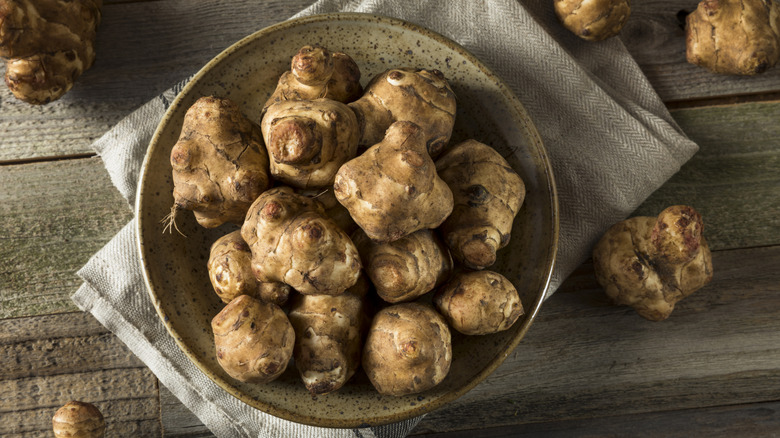
If you've never heard of Jerusalem artichokes, they probably aren't what you'd expect. Also known as sunchokes, they are small root tubers that actually grow underneath certain sunflowers, with an exterior skin that resembles ginger. One cup of sunchokes has 5.1mg of iron, making them a great addition to add to your lunch or dinner rotation if you're looking to up your iron intake.
Lima beans
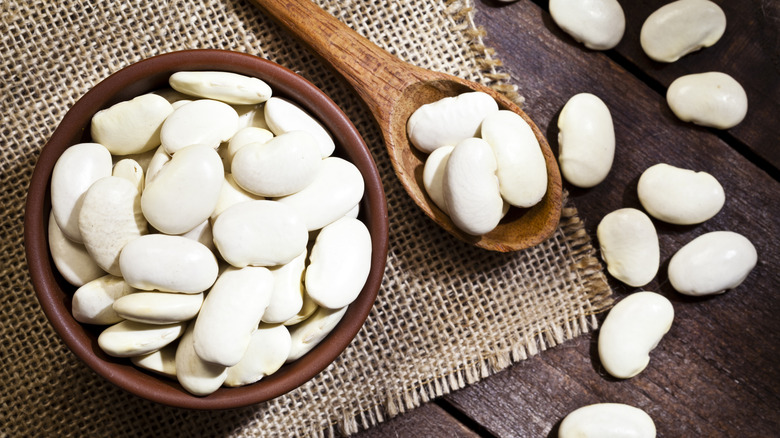
Lima beans are nutritious for many reasons, with 12 grams of protein and 9 grams of fiber per cup. They are also great sources of manganese, copper, and magnesium, and each cup of cooked lima beans has 4.9mg of iron per serving. Lima beans are large and cook up beautifully plump, soaking up flavors easily. The big pale beans are great in stews as well as in chilled salads.
Soy beans
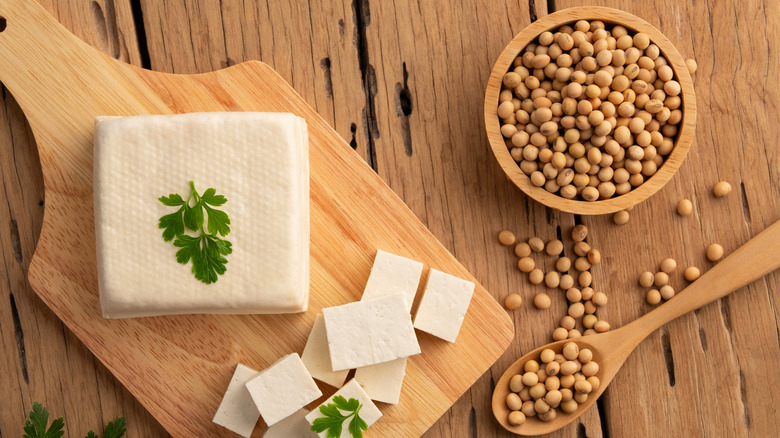
Soy beans are one of the most nutrient-packed beans you can add to your diet. With 4.4mg of iron per ½ cup serving, soy beans are used in many soy-based foods like tofu and soy milk. Edamame, which is a soy bean grown specifically to be harvested young, have less iron than fully mature soy beans, but are still a decent source of iron.
Swiss chard
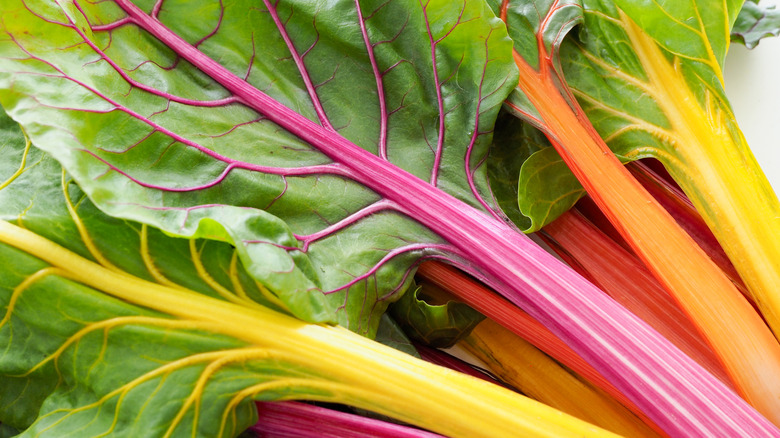
Swiss chard, also known as rainbow chard, has 4mg of iron per 1 cup serving. The dark green leafy tops are tender, while the stems are great for chopping or slicing finely and sauteeing, but the stems also make great pickles. If you're new to working with Swiss chard, try our recipe for warm rainbow chard and bacon salad.
Duck breast
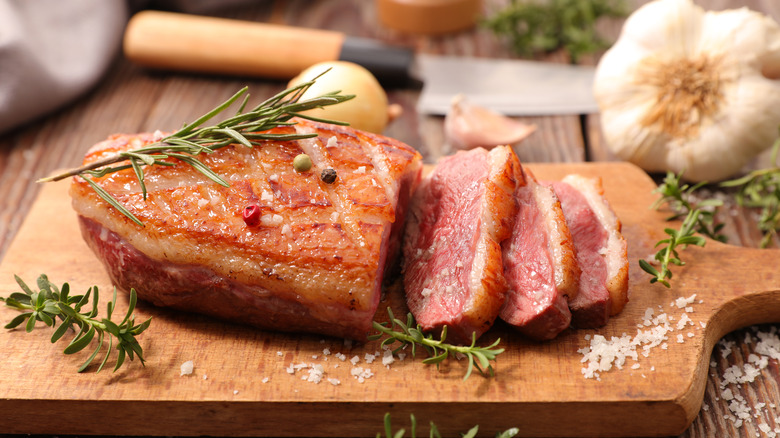
While duck legs get a lot of the spotlight, like in the traditional French dish duck confit, a duck breast is a luxuriously decadent piece of meat when cooked properly, as the thick layer of fat on top is rendered down and cooked to crispy perfection. Duck breast contains 3.8mg of iron per 3 oz serving, and is high in protein. Before trying your hand at home, learn how Ina Garten prepares a perfectly tender duck breast.
Stewed tomatoes
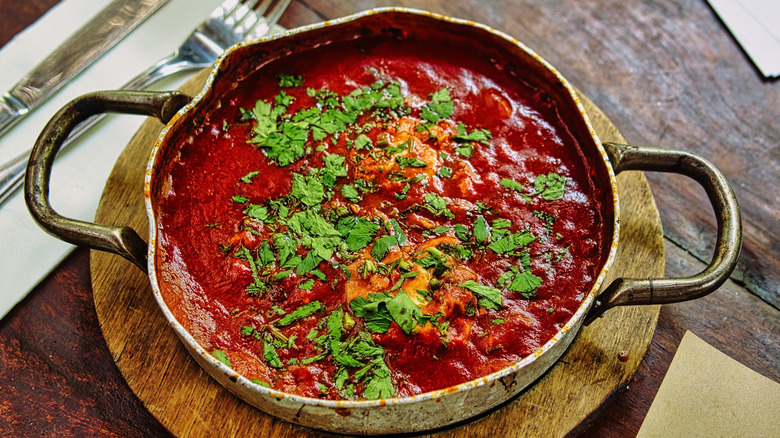
An item that you likely already have languishing in the back of your pantry, stewed tomatoes boast 3.4mg of iron per 1 cup serving. Stewed tomatoes can be widely used in a variety of dishes and cuisines, like shakshuka, pasta sauces, chili, soups (like minestrone), or even stuffed peppers. Check out our best tips for cooking with canned tomatoes to easily incorporate them into your kitchen rotation.
White beans
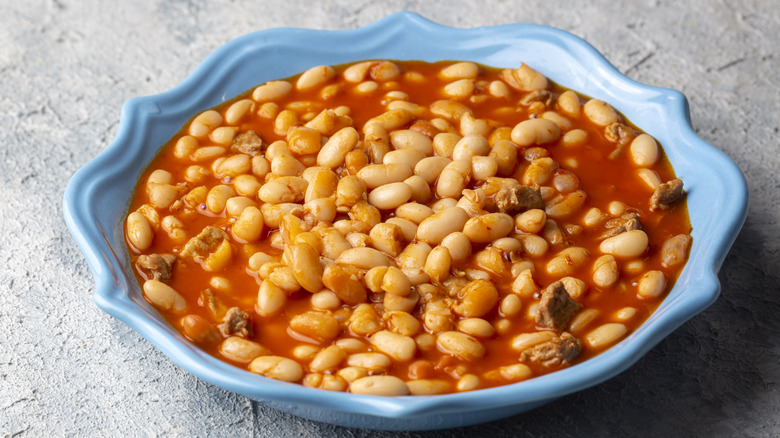
Similar to lima beans but smaller and sometimes more versatile, white beans have 3.3mg of iron per 1 cup serving. A can of white beans is an essential pantry staple that can be easily turned into many meals. White beans are a great addition to a punchy, acidic tuna salad, simple enough to turn into a dip or spread, and a good source of protein and carbohydrates in soups, like this Italian-style white bean and tomato soup.
Lentils
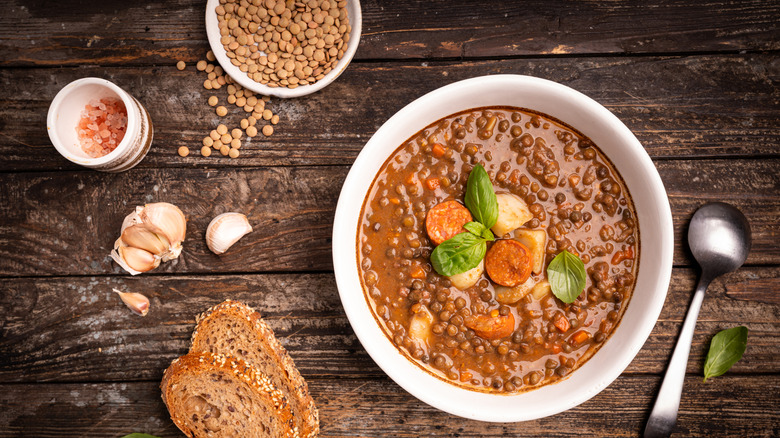
Packed with both protein and fiber, lentils are a versatile pantry that are often overlooked. A 1-cup serving of lentils contains 3.3mg of iron. There are many different types of lentils from deep black, firm beluga to yellow lentils that melt into soups or curries. It's easy to use lentils at home in many types of preparations, with adding them to your next salad being one of the easiest ways.
Asparagus
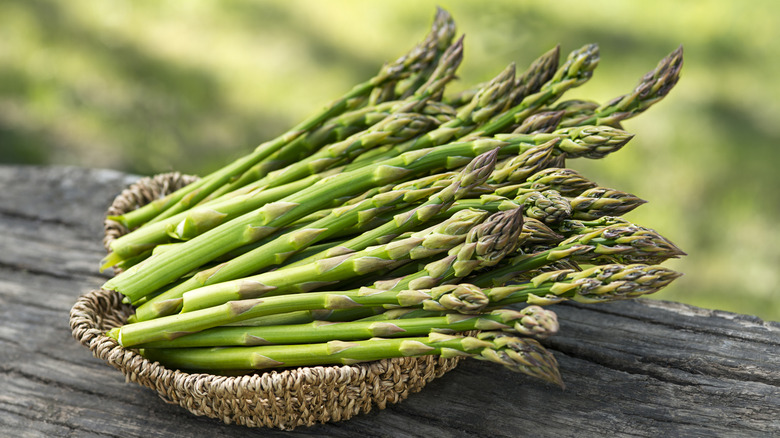
While most people eat asparagus grilled or sauteed, the tall, green vegetable actually loses some iron in the cooking process. Raw asparagus has 2.9mg of iron per 1 cup serving, and is great when thinly shaved with a peeler or sliced into thin rounds for a crunchy addition to salads or other meals. Avoid these 14 mistakes everyone makes with asparagus before adding it to your next meal.
Beets
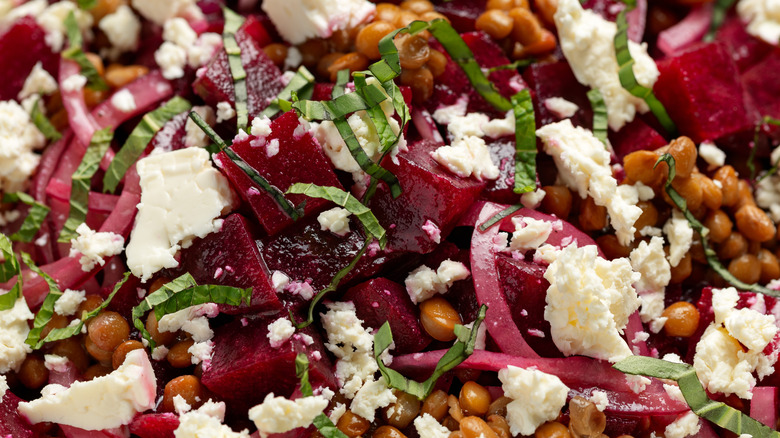
Beets tend to have a bad reputation, but when cooked and seasoned properly, they can be really delicious and tender. A single cup serving of beets has 2.9mg of iron, still a bit more than a serving of beef. Roasted, marinated beets pair well with creamy cheeses like goat or feta, along with candied walnuts and lots of fresh herbs. If you're looking for ways to start eating more beets, check out our beet recipes you'll want to eat on repeat.
Bison
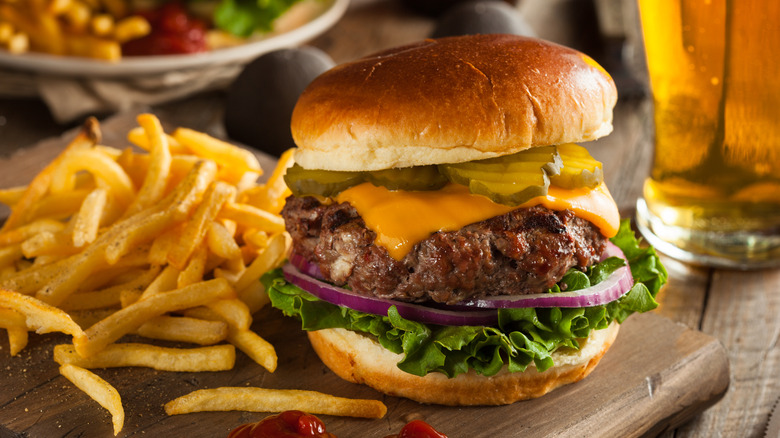
Edging out beef just slightly in terms of iron content, a three-ounce serving of bison meat contains 2.7mg of iron. Bison may not be the easiest type of meat to find in your area, but ground, pre-packaged bison meat is usually the most common to find in a traditional grocery store. Grab a pound's worth next time you see bison meat, and learn how to cook bison burgers so they don't dry out.