

10 Reasons People Think They Hate Vegan Food, According To An Expert
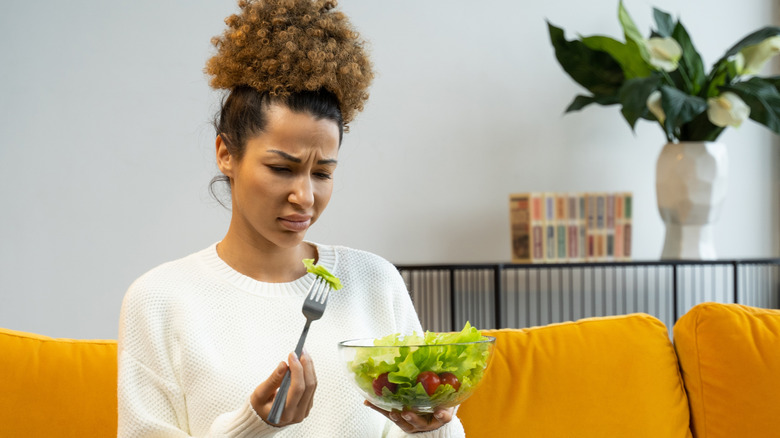
There is quite a bit of stigma about vegan food out there. Sometimes folks assume it's bland, while others have concerns about getting wrapped up in the lifestyle associated with it. Perhaps they've tried a vegan dish at a friend's house that didn't satisfy their preferences, or they just enjoy meat and cheese too much to give plant-based recipes a try. But truthfully, vegan food is just like any other cuisine: It varies greatly.
While many people choose never to go vegan, plenty end up dabbling in the plant-based world, with or without realizing it. For those who feel as though they "hate" vegan food, ask yourself: Do you like pasta marinara? Peaches? What about chips and guac? Have you ever met a plate of French fries you didn't like? If so, you may like vegan food after all! Remember, enjoying some vegan foods does not mean you need to go fully vegan. And it's always difficult to judge something before you've really given it a chance.
As a plant-based chef and recipe designer with a certificate in plant-based nutrition from Cornell and a degree in cultural anthropology with a focus on food and culture, I have conducted a deep dive into the culture, stigma, and preconceived notions surrounding the vegan diet. As an ex-bacon fanatic myself, I too once thought that I hated vegan food. For foodies like us, it's important to try new foods with an open mind, so let's dive into the top reasons people think they hate vegan food, so we can better understand this cultural divide. Perhaps you will come out the other side and be tempted to give vegan food another chance.
They're expecting it to taste like meat and cheese
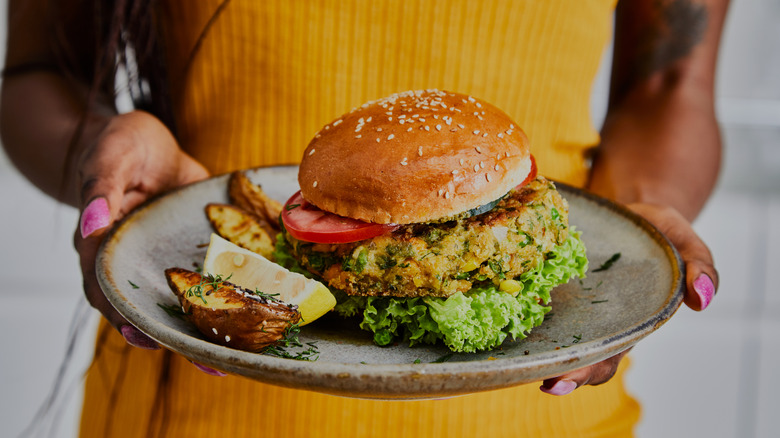
I hear folks say all the time, "I think fake meats are gross," "This doesn't taste like meat," or "You can tell this isn't really cheese." They aren't wrong. There are very few brands that have hit the nail on the head and created plant-based alternatives that taste very similar to the real thing. Yes, these products have made mountains of progress in the past decade, but there is still a long way to go. The best fix for this? Don't expect something that's not made out of meat, cheese, or eggs to taste just like meat, cheese, or eggs. Consider it its own food and appreciate the flavors for what they are, all the while enjoying what little crossover does exist.
Some plant-based alternatives don't even try to replicate meat. For instance, a black bean burger is its own thing and has never attempted to taste like meat. So, if you're put off by a Beyond or Impossible burger, try something completely different so the expectation isn't there. Throw a grilled mushroom between two buns, give a crispy quinoa patty a try, or bread and grill an eggplant slice instead for your sandwich. Use vegan ingredients that can be made into meat alternatives, but accept them for the vegetable they are. After all, how incredible does mushroom shawarma sound? But if you are expecting your mushroom shawarma to taste like lamb shawarma, you might be disappointed. No need to lower your expectations; just change them.
They think it's flavorless
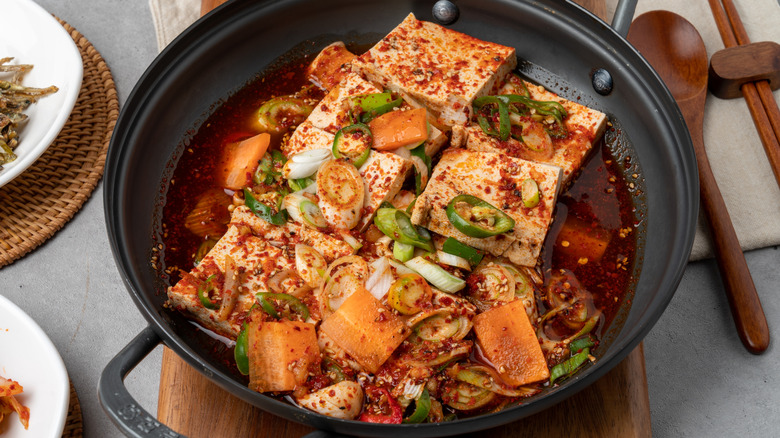
When someone says, "Tofu is bland," all I hear is: "I don't know how to cook with tofu." Folks often complain about vegan foods being flavorless — and they do make a point. Most ingredients are relatively bland until they're seasoned, paired, marinated, or cooked in a way that makes them mouthwatering. Plain tofu is boring, just like unseasoned chicken is, and not trying to add flavor to it (and to other vegan foods) is a big mistake. Luckily, there are recipes out there that can show you the way.
If you're a grill master, then you know the importance of a good marinade. Pre-made marinades and seasoning packets can elevate tofu, tempeh, seitan, and just about any vegetable. If you're going to add tofu to your stir-fry, try tossing it in some garlic, ginger, and sauce before it even hits the pan. If you usually add salt, pepper, minced onions, and parsley to your ground beef, do the same for your vegan ground beef. You can even alter your cooking method – pan-frying, air-frying, mashing, whipping, and browning — to make your plant-based foods taste great. At the end of the day, season and add flavor to vegan foods just as you would non-vegan food, and if you're feeling lost, follow recipes to help you get your footing.
They're used to boring side dishes
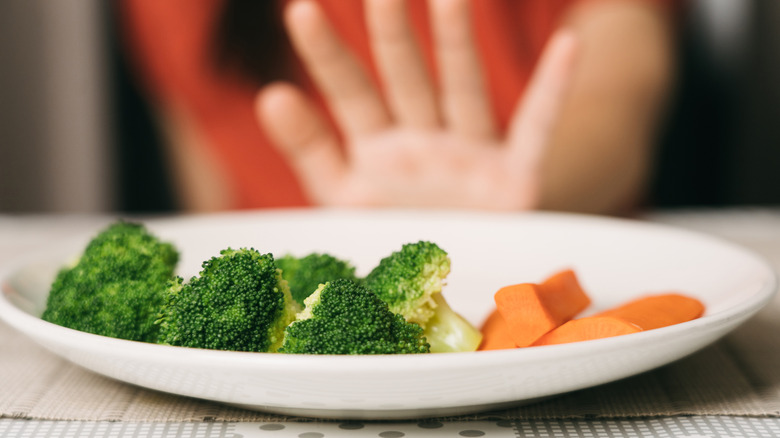
If you grew up on mushy steamed Brussels sprouts, yellow-green broccoli, stringy asparagus, and dry corn on the cob, then it's no wonder you may have an aversion to vegetables. All too often, side dishes are an afterthought, and they are usually vegetable-based. What if those side dishes were given the same amount of attention as the main dish — if they were seasoned to perfection, cooked until just tender, or drizzled with sauce? Then people might just have a little more appreciation for the produce in their lives.
There are many ways to zhuzh up your vegetables and plant-based sides. If you enjoy fried chicken, try battering and frying tofu, mushrooms, broccoli, or eggplant. Be sure to season that batter or breadcrumb mixture and serve it with a dipping sauce as you would meat. In the fall, roast root vegetables, slathered with a maple syrup, garlic, olive oil, and chili powder marinade, in the oven. When in doubt, simply use a mixture of soy sauce and olive oil to season your al dente vegetables. Get some inspiration by following plant-based food vloggers on Instagram or TikTok. If vegetables and vegan foods feel like a chore, it's no wonder you have an aversion to them. Let's have fun and make them mouthwatering instead.
They are picturing rabbit food
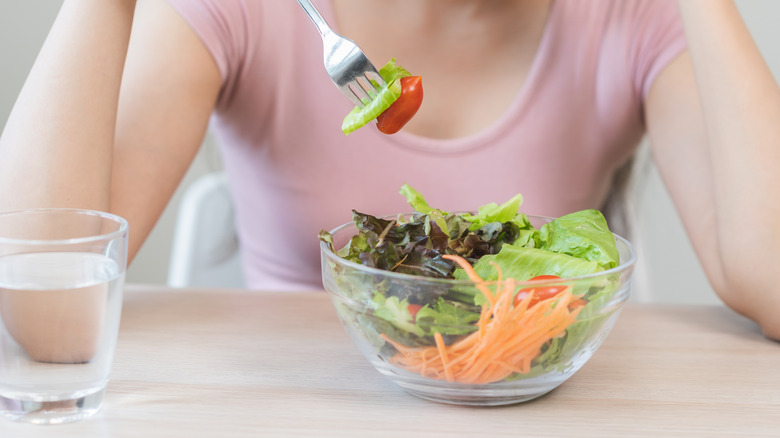
As a former meat-lover, I assumed vegans just sat around eating raw carrots, side salads, and tofu. Oh boy, was I wrong. That iceberg lettuce salad you're picturing, topped with matchstick carrots, raw red onion, croutons, and whole cherry tomatoes, is far from the norm. Like with any category of food, vegan recipes can be boring and unsatisfying, or they can be mouthwatering and tantalizing. Looking for the latter? Enter deep-fried artichoke hearts, spicy peanut butter sauce, tangy garlic aiolis, coconut ice cream, cashew cream mac and cheeze, fried avocado tacos, and jackfruit pulled pork.
Even though cooking vegan narrows the scope of ingredients you can use, it also offers an opportunity to try new ingredients. It can be a challenge and broaden culinary horizons, especially when seeking inspiration from other cultures that eat primarily plant-based diets. It's estimated that there are somewhere around 200,000 species of edible plants on the planet, so you shouldn't feel limited to "rabbit food."
They are worried about getting enough protein

Many folks are concerned with "getting their protein." Meat, dairy, and eggs are protein-dense foods, but just because you're not eating animal products doesn't mean you're not getting enough protein. The notion that vegan food doesn't contain enough protein can cause people to label vegan food nutritionally inadequate and dislike it altogether.
Sure, there is vegan food that lacks nutrients and protein and typically — but not always — vegan dishes have less protein than meat dishes. But that doesn't mean that a vegan diet will set you up for protein deficiency. The amount of protein you need is calculated based on body weight, caloric need, and physical activity. But to give you some perspective, the recommended daily intake (RDI) of protein for an average adult, per the USDA, is between 46 and 56 grams per day. That means you could average a little less than 20 grams per meal, and even less if you snack.
So what does that look like in the vegan world? There are 20 grams of protein in just 1 cup of tofu, 7 grams in 2 tablespoons of peanut butter, and about 18 grams in a cup of cooked lentils. Foods like cruciferous vegetables, dark leafy greens, and even mushrooms contain protein, as do most vegetables and vegan staples like cashew cream, tempeh, and whole grains. That said, protein is everywhere in the plant world, so don't let that one nutrient hold you back from experimenting in different cuisines.
They don't want to abandon food traditions

It may feel like choosing to eat more vegan foods can be life-altering, especially considering that food is such an integral part of our cultures, family traditions, and religions. Pivoting to being plant-based can feel like losing those traditions, and it might have impacts on your friends and family too. Any threat to the norm can be easily labeled as bad, or leave folks feeling hateful toward it.
Ice cream dates, s'mores by the fire, pizza parties, and Christmas roasts all center around animal products, but their real purpose is social connection. Don't let those traditions fade; just pivot your food choices to be more vegan inclusive. If you're used to celebrating Independence Day around a grill, then marinate some peppers and grill some zucchini. Does your family drink hot cocoa every Christmas morning? Swap yours out with soy milk. Change your meat-heavy Thanksgiving into a vegan-inclusive one complete with plant-based sides and vegan roasts. Vegan foods don't have to threaten your traditions, as long as you remember that social connection is at the heart of each and every one.
They think vegan foods are expensive

Meat alternatives can be expensive. That freezer section full of tofu chicken patties, seitan steak tips, mushroom bacon, and watermelon sushi might just break the bank. However, you don't need to sustain yourself primarily on these processed products. Instead, you can swap your chicken tacos for ones made with beans, meatballs with mushrooms, and steaks with eggplant. Meat and cheese can be some of the most expensive items in your shopping cart, especially when compared to more budget-friendly choices like beans, lentils, tofu, and produce.
In fact, vegetarians and vegans actually spend less on groceries, on average, than their meat-eating counterparts. In addition, according to research published in Cureus and the American Journal of Lifestyle Medicine, vegans are less likely to develop non-communicable diseases and less likely to be prescribed medication to treat said diseases, potentially resulting in significant medical bill savings.
If you go out to a restaurant, you may find vegetarian and vegan options to be the cheapest thing on the menu. Even if you splurge on that trendy mushroom vegan bacon or plant-based Parmesan cheese every now and again, you'll still save plenty on your long-term grocery bill. So don't hate vegan food for being expensive; just be selective about what you choose to buy and enjoy the savings.
They don't like processed meat alternatives
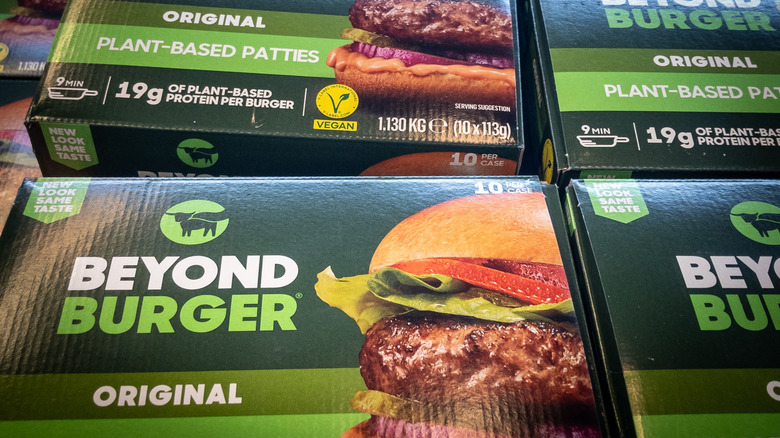
Hey, I hear you. Vegan meat, egg, and cheese alternatives are not everyone's cup of tea. As someone who's tried a variety of different meat alternatives, I can confirm that they vary greatly in palatability. Some are delicious and almost indistinguishable from the real thing, while others don't cut it in the flavor or texture department. Folks who have tried these plant-based alternatives and felt they came up short shouldn't be dissuaded from vegan foods altogether.
If you're on the fence about these products, you can always try improving their flavor by seasoning them, altering your cooking method, or changing the texture. I doubt you'd cook up your meat, dairy, and egg-based dishes without hitting up the spice cabinet, so why not do the same for a plant-based alternative? But if you really don't like those alternatives, then why force the friendship? Instead of vegan ground beef, load up your tacos with beans. Instead of fried vegan chicken, try fried lion's mane mushrooms. There's no need to push vegan cheeze when cashew cream is so darn delicious. At the end of the day, taste is subjective, so you are going to like and dislike some foods. You don't have to give up on all vegan foods or hate them just because you didn't like the Boca Burger the one time you tried it.
They don't feel confident in their cooking abilities

If you're not confident in the kitchen, throwing new ingredients like nutritional yeast, cashew cream, and tempeh into the mix can be intimidating and overwhelming. It's like learning a whole new cuisine, especially if you're working with ingredients you've never heard of. This is why I strongly recommend getting a cookbook or finding a food blogger whose recipes fit your tastes. Even better, grab a friend to try out some vegan recipes with and take that journey together. You'll likely zero in on a handful of go-to dishes, which can be a launching pad and confidence booster. Wade in; there's no need to cannonball on your first day.
I actually find vegan cooking to be less complicated. Worrying about the bacteria in raw meat, reaching certain temperatures to kill those bacteria, and bleaching my kitchen time and time again added so many extra steps. You should still wash your produce and follow directions carefully, but you won't have to worry about some food safety standards, including cooking your proteins to a certain temperature. Start by playing around with vegan classics, like pasta marinara, before tackling cashew cream or mushroom bacon to set yourself up for success. There are plenty of vegan recipes that take less than 30 minutes and require minimal ingredients.
They think it's all or nothing

Eating a vegan meal is not a commitment. In fact, it's hardly considered experimental eating. Many folks are under the impression that once you start trying vegan foods, you're bound for life. In the same way that eating gluten-free cookies or a keto breakfast scramble doesn't lock you into that diet for good, you can choose your own plant-based adventure. Even if you go as far as to declare yourself a vegan one week, it doesn't mean you can't change your mind the next.
The best way to approach vegan food is with an open mind. Give it a try at a reliable restaurant, save a vegan recipe on Pinterest to try this weekend with your partner, or order an oat milk latte one morning to see what it tastes like. Ordering that slice of vegan pizza doesn't have to be a life-altering decision, but if it is, I'm sure you'll find plenty of support along the way.