

9 Pros And Cons Of Quartz Countertops
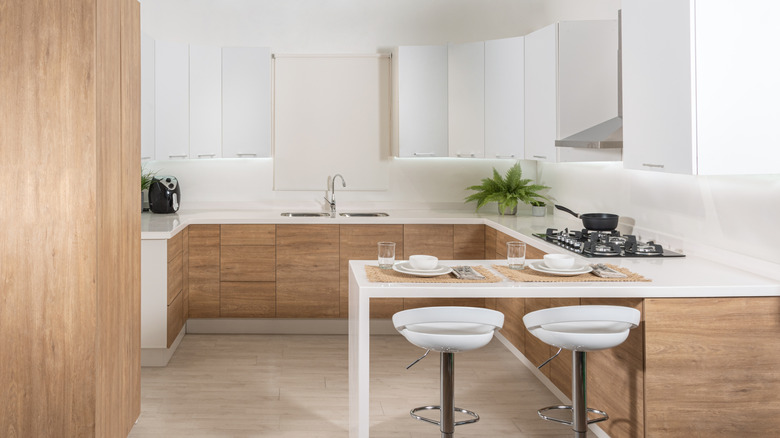
Thinking about redesigning your kitchen or currently in the process of a kitchen renovation? You're probably pretty excited to explore all of the different choices at your disposal. Choosing the best kitchen appliances, selecting the ideal sink, and picking a timeless cabinet color are all important parts of the kitchen renovation process. But there's one aspect of your kitchen renovation that's arguably more important than anything else: the countertops. After all, this is your workspace, a part of the kitchen that needs to be both attractive and practical.
Therefore, you'll really want to think carefully about the material you're using. Granite, marble, and even stainless steel are all options to consider. But what about quartz? We've spoken with kitchen renovation experts, including Carla Bast, design principal at Carla Bast Design; Miko Pasanen, founder and business developer of Miko LLC; Alison Johnson, interior designer of Practically Perfect Homes; and Wendy Glaister, CEO, founder, and principal designer at Wendy Glaister Interiors, to learn about the pros and cons of quartz countertops so you can decide if they're right for your kitchen. Whether you decide to settle on quartz or go with granite, these tips will lead you to a better, more customized kitchen.
Pro: There are more colors and designs you can choose from than you can with, say, granite
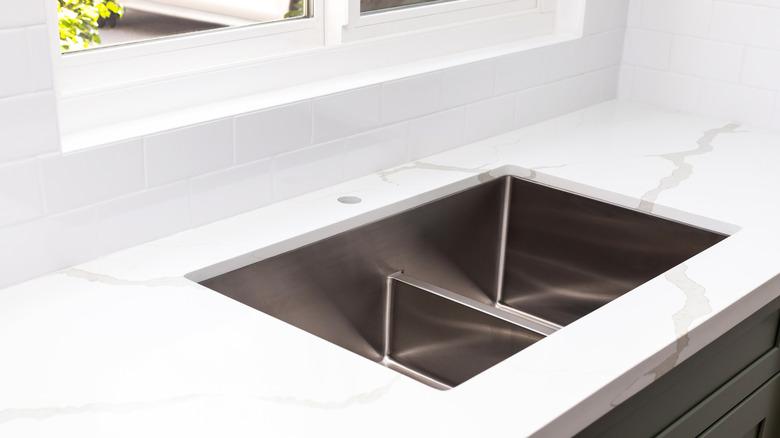
If you really want to customize the look of your kitchen and have a lot of control over how your countertops turn out, then quartz may just be the best option for you. That's because, according to interior designer Carla Bast, these countertops offer a lot of variety and can easily be customized. "Quartz countertops are an engineered stone product made up of natural quartz (93%). But they are also manufactured with additional compounds such as polymer resins, making it technically 'engineered,'" Bast explains. "This means that, as a man-made product, it is much more customizable than granite."
What does that mean for you? Well, you'll get to choose from a wide range of different colors, which is great if you're going for a specific look in your kitchen. White, black, cream, and various other color options might be available depending on the contractor you're working with. Selecting a specific pattern is also possible. Want to go for more of a natural look? Even though quartz is engineered, it can still be made to look like natural stone.
Con: Quartz is quite a bit heavier than granite, which can make installs tricky
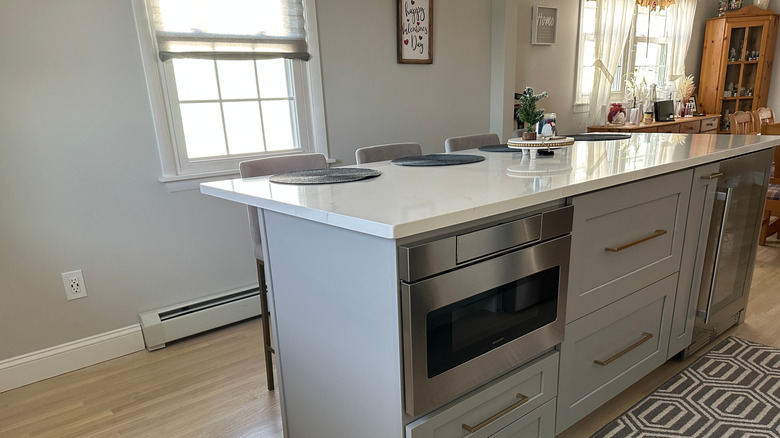
When you're thinking about renovating your kitchen, you're probably thinking of the day-to-day of using the space. However, it's also important to consider the installation process, which can ultimately affect how much you're going to pay for your new countertops. According to Carla Bast, thinking about a material's weight is important in determining what the final cost might be. "Because of its engineering, quartz is quite a bit heavier than granite," she explains. "So, professional installation could possibly be more expensive." And if you have a lot of awkward angles, lots of cutouts, or special seams in your kitchen countertops, then you could be looking at a decent chunk of change to get quartz countertops installed.
Technically, some people may be able to install quartz countertops on their own. Keep in mind, though, that the extra weight of quartz countertops could pose a serious issue if you plan on DIYing your kitchen renovation. If you don't have serious home reno skills, then quartz countertops are likely too tricky to try to install on your own.
Pro: Quartz is easy to maintain
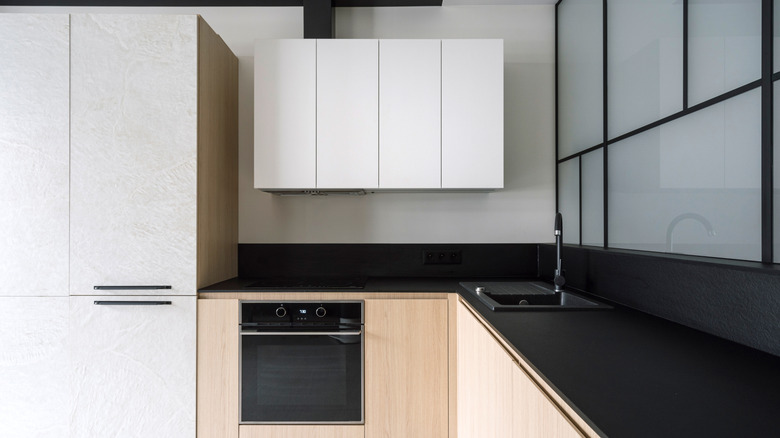
If you're the kind of person who doesn't do much cooking but just wants your kitchen to look nice, then you can choose basically any kind of countertop that looks appealing to you. On the other hand, if you're regularly cheffing it up and are constantly using your kitchen to prepare meals for yourself and your loved ones, then it's important to choose a practical material for your kitchen countertops. Quartz is a good option on that front, since it's not quite as finicky as other types of kitchen countertops, like marble and travertine.
"Quartz is an easy-to-maintain solid surface countertop material, built for daily wear and tear," says Carla Bast. It's quite hard, which means it's not going to be easy to scratch or dent it. Plus, says Bast, "It isn't porous (due to the engineering process), so it repels stains and spills." Therefore, you're not going to have to worry a lot about maintenance. Just clean it regularly, since, as opposed to other types of materials, you're not going to have to polish or seal your quartz countertops. For anybody who's looking for low-maintenance countertops, quartz can definitely make a lot of sense.
Con: Quartz countertops can be expensive
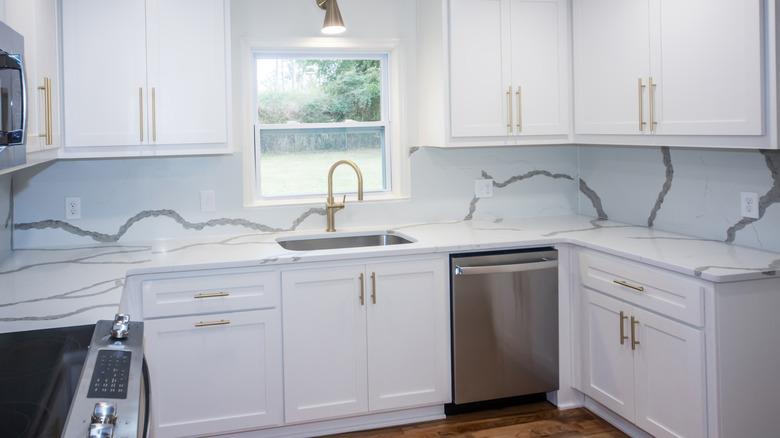
Let's be honest: Renovating your kitchen generally isn't a cheap process. Any home upgrade can be expensive, but since there are so many specialized materials that go into a kitchen, it can be an especially pricey process. If you're like most homeowners, then you're carefully considering the cost of every facet of your kitchen renovation. That's where one of the biggest cons of quartz countertops comes in: They can be expensive. "Quartz isn't cheap, so it's definitely an investment," says Miko Pasanen of Miko LLC.
However, you'll want to take a closer look at the cost of quartz countertops compared to your other options. For example, in the past, quartz was generally considered cheaper than granite, although in recent years, quartz has become more expensive. But it also depends on the type of quartz you're getting — there are more and less affordable varieties out there. Ultimately, you'll want to ask about quartz countertop pricing for each sample you look at and assume that you're going to have to dole out some serious dollars to get nice quartz countertops. Depending on exactly what you choose, though, it could still be a good financial decision compared to your other options.
Pro: It's antimicrobial, which makes it a hygienic choice
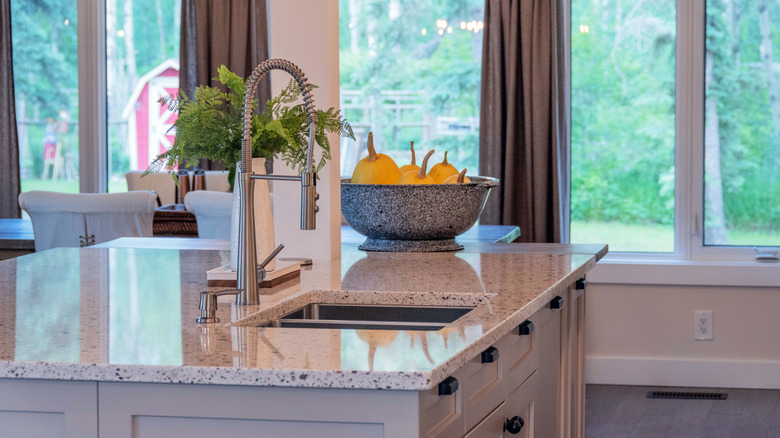
We've already mentioned the fact that quartz countertops are non-porous, which makes for easier cleanup and less maintenance compared to other types of countertops. But that non-porous quality is great for another reason: It makes your kitchen's work surface a lot more hygienic. "As a chef or cook, it is great, as the non-porous surface makes it antimicrobial," explains interior designer Wendy Glaister. That means it's resistant to the growth of bacteria, mold, and mildew. And since kitchen countertops are often wet and exposed to lots of bacteria from the food you're cooking, this antimicrobial factor can be beneficial.
What's even better is the fact that you don't need to keep resealing it for it to maintain its non-porous, antimicrobial quality. This is yet another reason why quartz countertops are a great option if you're looking for a really practical, functional countertop surface that doesn't require a fussy maintenance schedule.
Con: You can't put heat directly on a quartz countertop
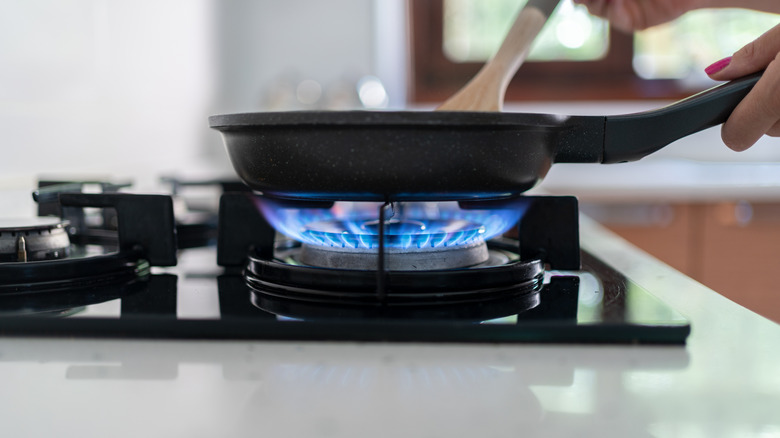
One of the best features of quartz countertops is the fact that they're quite strong — you don't have to worry about scratching or nicking the surface easily. That may leave you to believe that there's not much you can do to them that will damage them at all. Unfortunately, though, that's not the case. Heat is one element that can do some serious damage to your countertops. "It can handle heat fairly well, but don't put a hot pan straight on it—you could end up with a burn mark or crack," says Miko Pasanen.
This is because too much heat can affect the resin in quartz. This can, as Pasanen suggests, create discoloration on the surface of your countertops. That being said, it's easy to protect this surface from damage from heat: Just make sure to put a trivet down when you're placing a hot pot or pan on your countertop.
Pro: It has a consistent appearance, so what you see is what you get
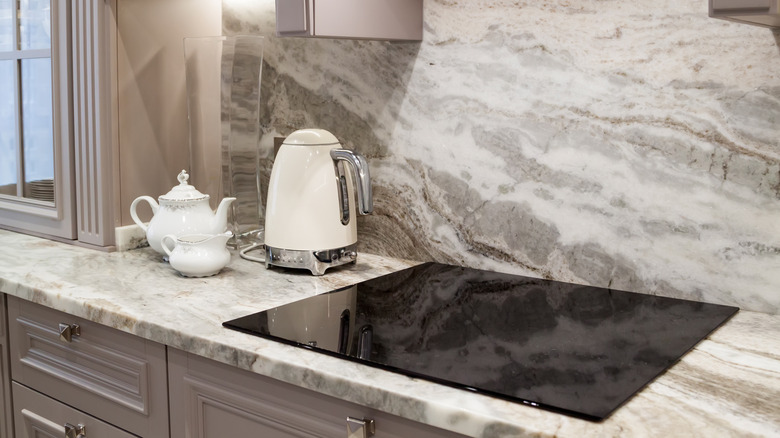
When you're working with natural stone, it can be difficult to know exactly what you'll be getting when your countertop actually arrives. This is because there's so much variation in real stone. While some homeowners seek out that variation, it can be a disappointment if the actual piece of stone you get doesn't look exactly how you wanted it to.
If you want to have more control over the appearance of your countertop, you might want to opt for quartz. This is because its appearance is very consistent. Therefore, what you see in the showroom is what you're going to get when it arrives at your house to be installed. Whether you care about matching your countertops to your cabinets perfectly or you just want to be more sure about what your kitchen is going to look like once the renovation is complete, choosing quartz countertops can give you peace of mind that you're not going to be surprised after the install.
Con: It doesn't have the same varied look as natural stone
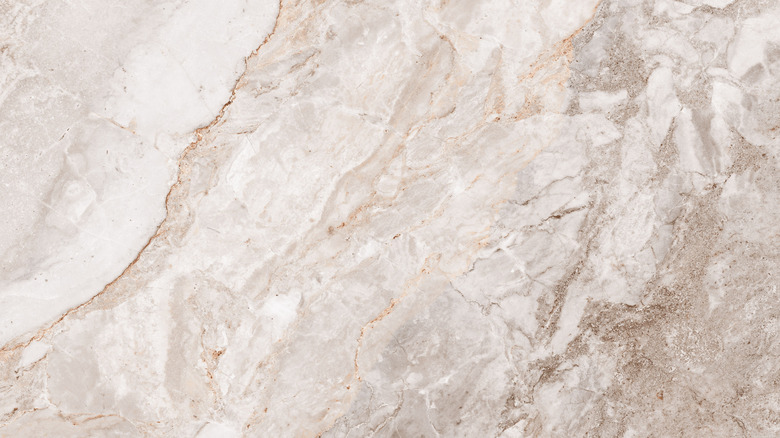
The standardness of quartz countertops is a huge appeal to some homeowners who want to have more control over what their kitchen ultimately looks like. But for others, that certainty might not have the same appeal. Natural stone is a popular option because it looks, well, natural. Its variation gives it character that some homeowners specifically seek out. People who are looking for that kind of look probably aren't going to be huge fans of quartz.
"If you're someone who loves the dramatic movement or natural variation of a true stone," says interior designer Alison Johnson, "quartz might feel a little too uniform." Ultimately, this really just comes down to your sense of style. Both options can look nice depending on the style of the kitchen in question. Granite and marble may be better options for those who prefer a more natural look. You can also find quartz countertops that look like marble from some contractors.
Con: You can only use quartz indoors
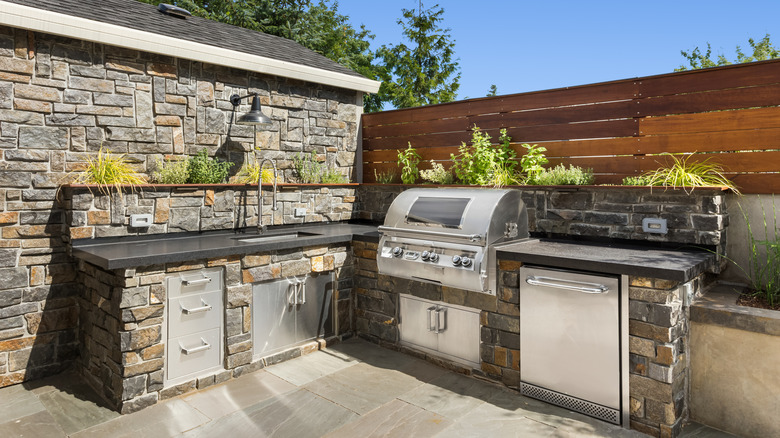
There's one final question you need to ask yourself when you're trying to decide whether you want to install quartz countertops in your home kitchen or not: Are you choosing countertops for an indoor or outdoor kitchen? If you're renovating an indoor kitchen, then everything we mentioned above applies. However, if you're building an outdoor kitchen, then you should know that quartz countertops aren't going to work. This may surprise you, considering the fact that quartz is such a strong material, but there's a good reason why quartz doesn't work for outdoor kitchens.
When the quartz is exposed to direct sunlight, its color will slowly start to fade thanks to the resins present in the material. After a while, it won't even look like the sample you picked out anymore. If you are looking for a countertop material that will work outside, you're better off choosing something like slate, granite, or marble, which can hold up to the natural elements better than engineered quartz.