

10 Foods With More Calcium Than Milk
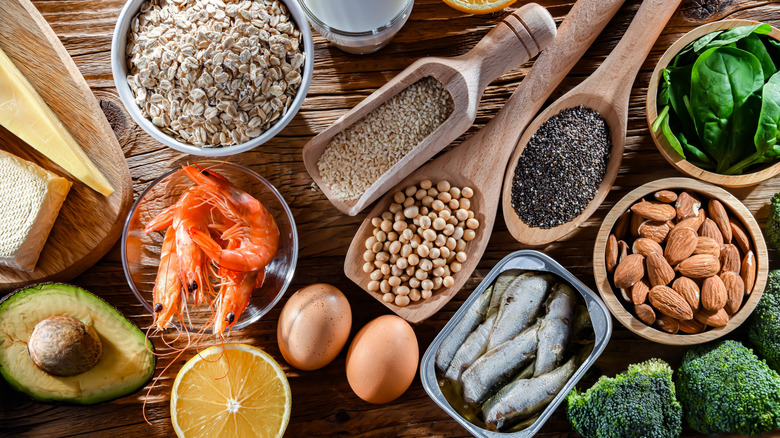
Calcium might be the most famous mineral on the periodic table, but most people only think about it when someone mentions milk. Milk is an efficient source, offering about 300 milligrams per cup, but it's not the only one. Calcium needs partners, like magnesium, vitamin D, vitamin K, and even fat to be properly absorbed. That's why getting it from different sources of whole foods instead of supplements is a better strategy.
The reason we associate milk so closely with calcium has a lot to do with successful marketing. Mid-century campaigns turned the "milk builds strong bones" idea into national folklore, but calcium is everywhere once you really start paying attention. It's in tofu, nuts, greens, fish, and cheese in varying concentrations, often with a broader spread of minerals attached. The trick is not to chase a single superfood, or reduce the joy of cooking and eating into a pallid nutrition profile.
You don't need to hit your daily value in one sitting, either. You can include calcium-rich ingredients in accessible recipes you make throughout the day — a splash of milk in your coffee, a handful of almonds post-workout, or cheese melted into dinner all add up. Bones store and release calcium on a rolling schedule, and your body's pretty good at using what it gets, when it gets it. Think of getting enough calcium (or any nutrient) less as a quota and more as a routine. Milk still holds its place, but it doesn't have a monopoly on strong bones.
Tofu
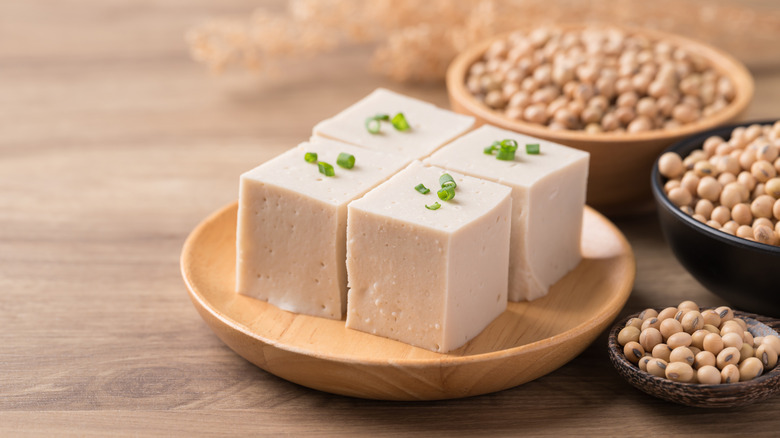
When soybeans are coagulated with calcium salts, firm tofu becomes a powerhouse for bone health. A half-cup serving of tofu can supply up to an incredible 861 milligrams of calcium. It's also high in protein, measuring 21 grams in that same half cup. Versatile and mild, it absorbs flavor like a sponge. You can slice it into a stir-fry or even throw silken versions into a smoothie for a low-effort, high-calcium boost.
Yogurt
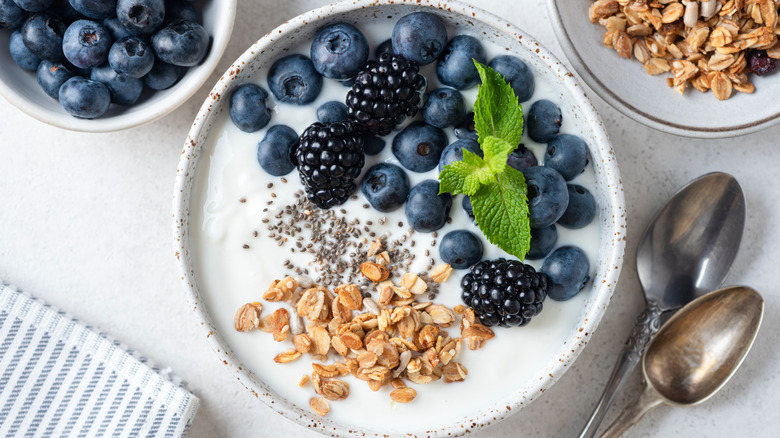
Another dairy product with lots of calcium is nonfat plain yogurt. It can have up to 488 milligrams of calcium per 8-ounce serving, meanwhile low-fat has a bit less with 448 milligrams. Both varieties of Greek yogurt instead fall into the 200 milligram range. The ingredient is versatile, swirling well into sweet or savory. You could up your intake by eating it throughout the day, if you wanted — add it over berries and granola for breakfast, and blend it with fresh herbs and cukes in a tzatziki for dinner.
Parmesan Cheese
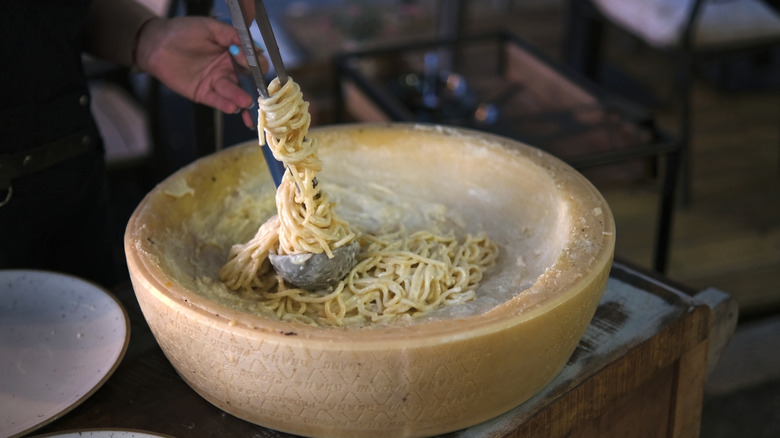
Hard cheeses concentrate everything, including minerals. Two ounces of real parmesan, grated or shaved, offers about 484 milligrams of calcium. Its firm texture comes from aging, which removes moisture and intensifies taste. A generous sprinkle over greens, pasta, or soup adds a depth of salty, umami flavor, and the rind can also be simmered into broth to extract what's left. Avoid the powder that comes in the shaker, it can have added cellulose (wood pulp!) for bulk.
Mozzarella Cheese
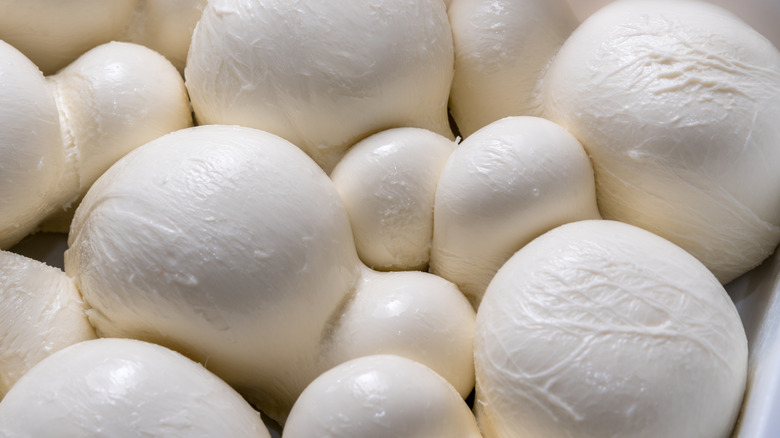
Easy, cheesy, mild and stretchy, fresh mozzarella brings 442 milligrams of calcium in a 2-ounce serving. Freshly made versions are softer and higher in moisture, while packaged mozzarella (especially, part-skim) is drier, denser, and saltier. Either way, it's a reliable source of calcium that melts perfectly and pairs naturally with veggies, grains, and eggs without imparting much of a strong flavor. It's also the kind of cheese that string cheese is made of!
Nettles

Nettles, a wild green, are one of the few vegetables that find their place on this list, with 428 milligrams of calcium per cup, when cooked. They make a great pesto, or blanch and use them like you would kale or spinach. In the spring, they grow freely across much of North America, Europe, Asia, and Africa. Wear gloves if you forage them yourself, or skip the sting and find them fresh or frozen at co-ops, farm stands, or online from small producers.
Almonds
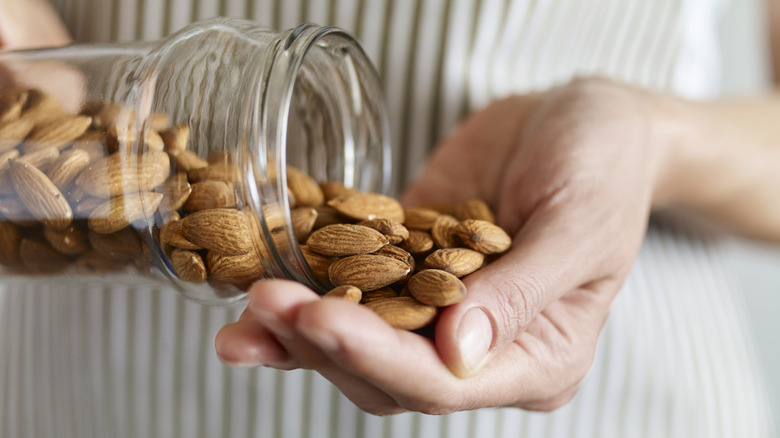
A cup of raw almonds offers around 370 milligrams of calcium, along with fiber and healthy fats. While you're unlikely to eat a whole cup in one sitting (unless they're spicy dill pickle flavored, maybe?) even a handful contributes meaningfully to daily intake. Toast them, grind into almond butter, or chop and sprinkle them into oatmeal or salads. Soaking them overnight can make nutrients, including minerals, slightly more absorbable. It'll also make their texture softer.
Sesame seeds
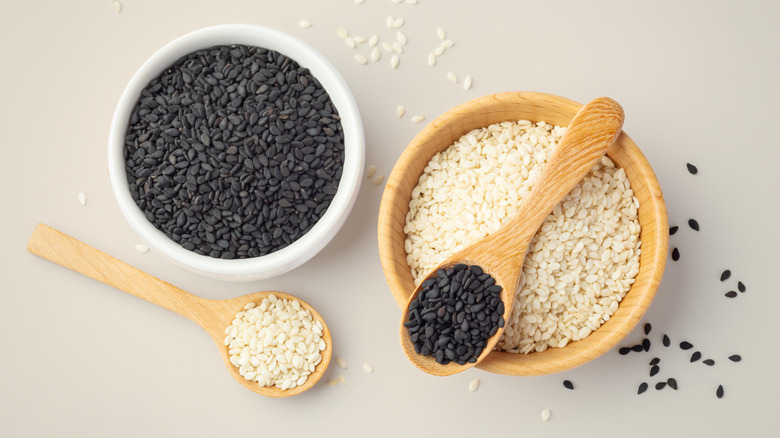
A quarter cup of sesame seeds has 351 milligrams of calcium, with most of it stored in the hulls. This means unhulled seeds (including tahini made from them) retain the most nutrients. Toasting briefly before use brings out their oil and aroma without reducing calcium content. Again, you might not want to eat a full serving in one sitting, but a little tahini stirred into hummus, added to some dressing, or even a bite or two of halva will add up.
Ricotta Cheese

Ricotta is a fresh cheese that offers about 337 milligrams of calcium per cup. Soft and slightly sweet, it can be incorporated into lasagna or dessert. Spread it on toast with honey or whisk it into pancakes. It can also be used in place of cottage cheese, and lots of other rich recipes, too. If you have a gallon of milk that needs to be used, you can easily make your own ricotta with just milk, lemon juice, and salt!
Sardines

Tiny but mighty, the edible bones in canned sardines are what push the calcium count a bit above milk. A regular 3-ounce serving brings in about 324 milligrams of calcium. They're yummy on crackers with mustard, on a charcuterie board with other tinned fish, and are also a great hiking or emergency food kept in the car or backpack. Sardines also supply omega-3 fatty acids and vitamin D, both of which support calcium absorption.
Cheddar Cheese
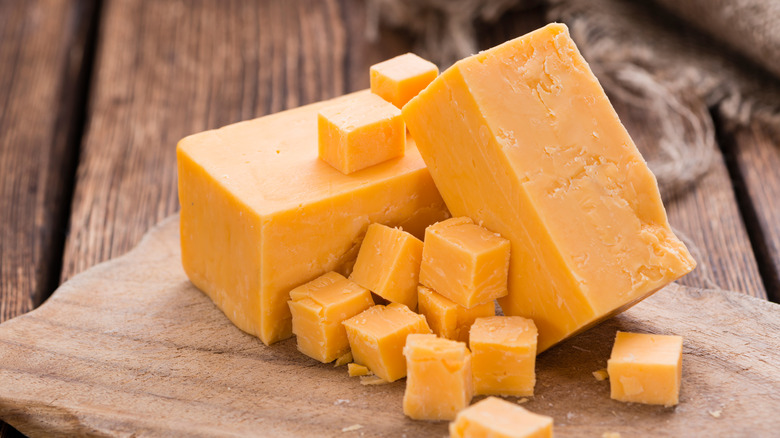
A modest pile of shredded cheddar delivers roughly 306 milligrams of calcium in only a 1.5-ounce serving. So, basically ... that "decadent" mac and cheese is healthy. Because it's aged, the calcium becomes more concentrated as water content drops. A sprinkle over broccoli or scrambled egg is a flavorful (and beneficial) upgrade, so go ahead and order extra cheese.