

16 Ways To Use Extra Brewed Tea
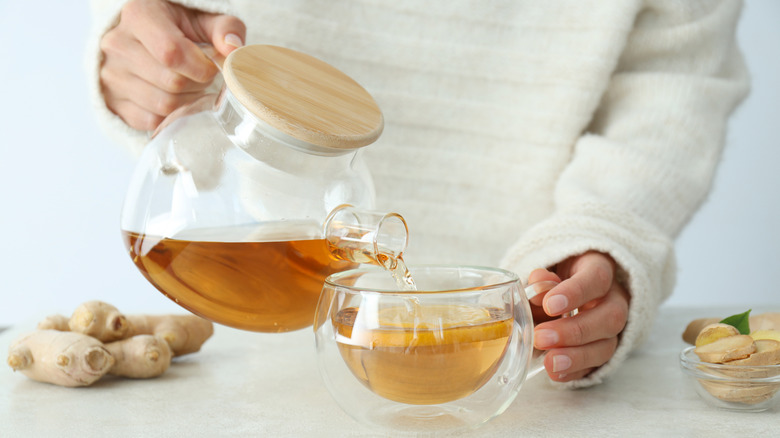
Imagine this: You make yourself a nice, hot cup of tea, then step away for a moment to let the dog out or answer the phone. One thing leads to another, and you come back an hour later to find a cold cup of tea right where you left it. As if that weren't tragic enough, your tea might even be steeped so strongly that one sip has you puckering your lips. But wait: don't toss it down the drain just yet. Aside from repurposing it for iced tea, there are plenty of ways to use leftover brewed tea in the kitchen, amplifying the flavors of sweet and savory dishes alike.
Of course, there are several recipes where tea leaves can add spectacular new dimensions to a dish. For instance, tea leaves can take compound butter to a whole new level. But for the purposes of this article, we will specifically focus on how to transform leftover brewed tea into intriguing dishes and provide suggestions suitable for black, green, white, and herbal teas. Whether you accidentally prepared too much tea, forgot about your cup, or had to rush out the door before finishing it, we are certain that one of these myriad solutions will strike your fancy.
Boil tea with rice
If you have ever made biryani or pilaf, then you already know that cooking rice with spices and a few vegetables leads to a fragrant, irresistible dish that might even stand on its own without any accompaniments. To make a sweeter rice dish, you can substitute some of the water with a tea rich in spices like cinnamon or star anise (masala chai comes to mind). This would work well with a dish like apfelreis, a dish that combines apples with rice, sugar, and raisins. Meanwhile, lemon tea adds tanginess to the rice, which could complement roasted cashews or chicken.
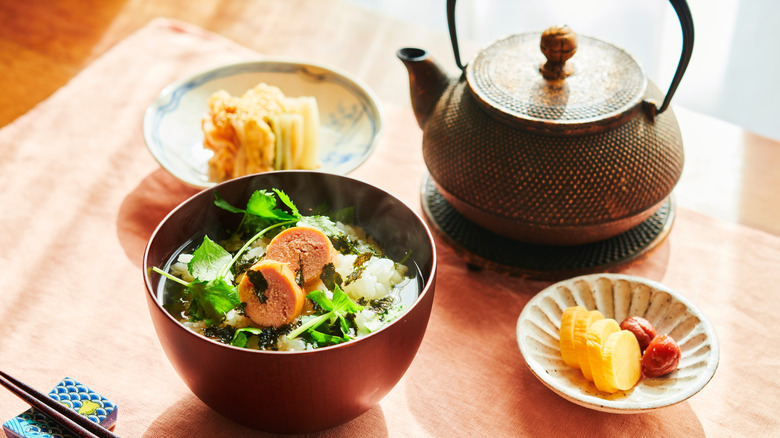
Don't feel like you have to limit yourself to rice; grains like bulgur and millet can play nicely with tea too. Just be aware that richer-flavored grains might obscure the flavor of the tea. You also don't necessarily even have to cook the rice in tea; you can use the tea as a broth to pour over it instead. This is the traditional method for making ochazuke, a Japanese dish that often calls for genmaicha (though other green teas will also work if that's what you have on hand).
Blend tea into smoothies
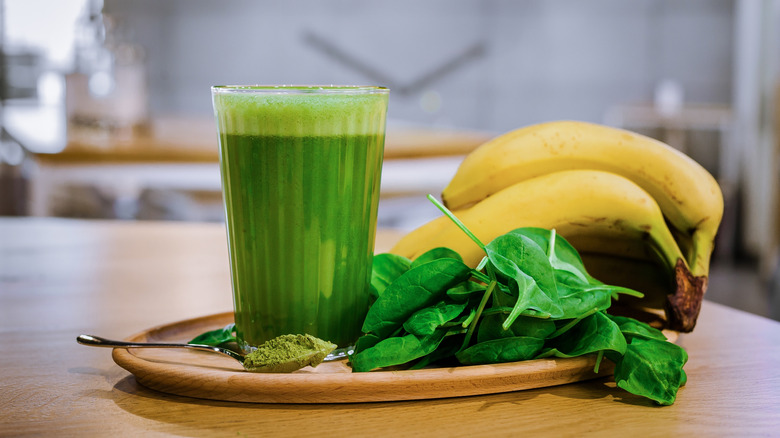
Adding tea to smoothies can provide a little boost of slow-burning caffeine, while also supplementing the flavors of other fruits, veggies, and herbs. Though known for its earthy flavors, green tea is not to be underestimated as a smoothie addition. As long as it has not been steeped for too long, green tea can complement green smoothies, as well as ones teeming with berries and stone fruits. Similarly, matcha is being used more and more frequently to balance out the sweetness of smoothies and lend various health benefits. We already know how beautifully strawberries and matcha play off one another in latte form; now just imagine the potential of a strawberry matcha smoothie.
Alternatively, if you have a cup of masala chai needing to be used, try this recipe for a vanilla chai protein smoothie. You can always add more spices if the tea flavor is not strong enough, and an herbal tea like rooibos could also work well. Finally, if you are working with a lighter tea like chamomile, it might shine alongside a subtler fruit like banana.
Add tea to overnight oats
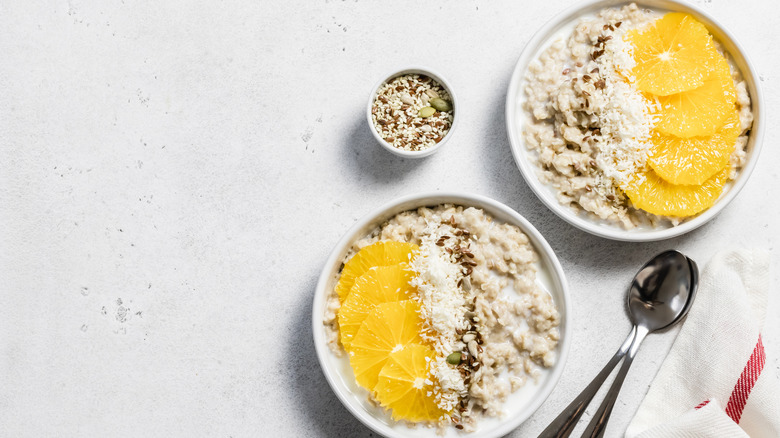
For a low-stress way to repurpose your leftover brewed tea, add it to overnight oats in place of another liquid. In fact, this technique is in vogue right now, with plenty of folks realizing that tea can transform your oatmeal, making it both flavorful and caffeine-infused. Currently, Earl Grey is one of the trendiest teas to add to overnight oats. It's great for lending a rich, yet slightly floral, flavor, and it shines alongside ingredients like tahini, vanilla, fig, and blueberries.
But the sky is the limit. Fruitier flavors like orange and hibiscus can add brightness and tartness to your morning bowl. Indeed, bircher muesli is often made with orange juice or zest anyway, so an orange tea would work great here.
Freeze tea into ice pops
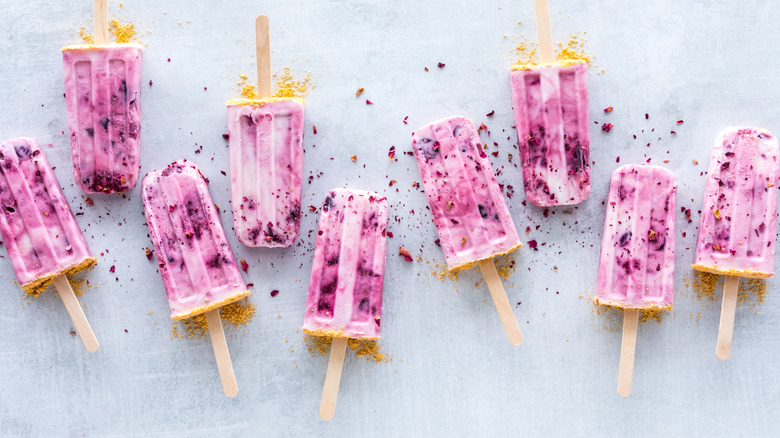
It doesn't get easier than pouring leftover brewed tea into popsicle molds and sliding the tray into the freezer. This treat will seriously hit the spot on a hot summer day, but we're not opposed to enjoying tea pops year round, either. Bright, tart tea flavors like hibiscus, cranberry apple, orange, and strawberry can often stand on their own, without the need for any other ingredients (though feel free to sweeten the tea pops as necessary).
If you have more time on your hands and want to make your pops more interesting, though, you can blend tea with fruit before freezing it. Try combining chamomile tea with apple, black tea with orange juice, or rooibos tea with plum. Incorporating small chunks or slices of fruit will make your pops more aesthetically pleasing, not to mention giving them some texture. You could also forgo the fruit altogether for extra milk and sugar.
Simmer tea into soup
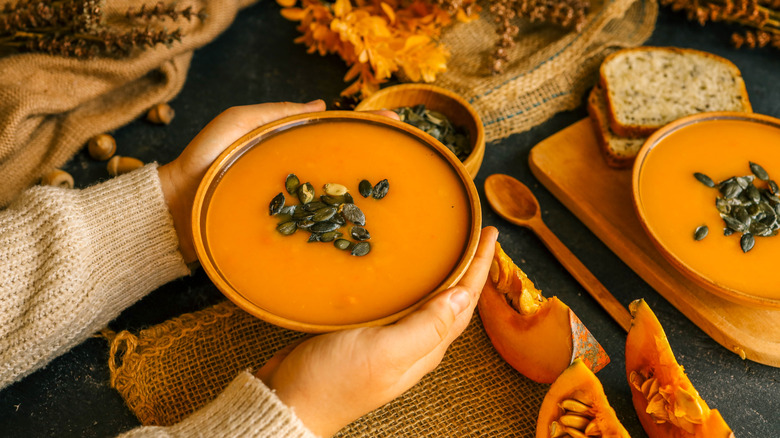
By the time soup season officially arrives in your household, you have probably already sipped on a few cups of tea. So next time you find yourself with leftover brewed tea, try adding it to a simmering pot of soup, perhaps as a substitute for some of the required liquid. Just keep in mind that if you are removing broth from your recipe, you might want to add in extra garlic and onions to keep the base flavorful.
Be cognizant of flavor pairings when making this substitution, too. For example, ginger tea would work great in a wide variety of soups, from sweet potato soup to clear vegetable soup. On the other hand, green tea might go better with pea soup or miso soup, which are lighter and earthier in flavor. For any soup that calls for lemon juice, you might find that lemon tea provides a lovely hint of tanginess.
Use tea for poaching and steaming foods
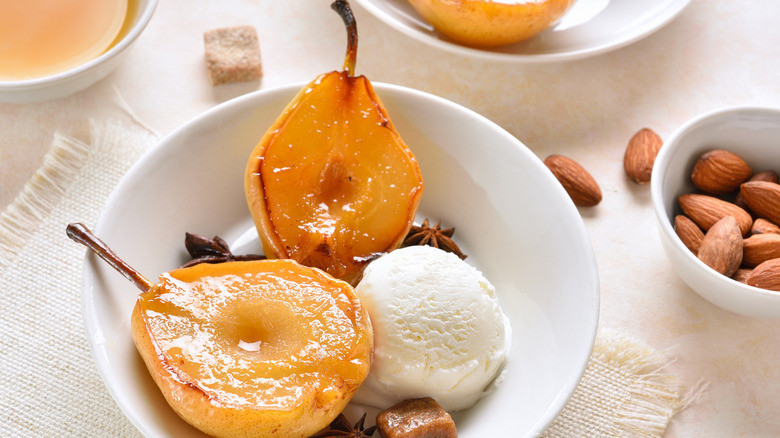
Poaching a food means simmering it in a bit of liquid, such as water, wine, or broth. This technique is commonly used for delicate ingredients like eggs, fish, and fruit. Because the liquid is not at a roaring boil, the food's texture is better preserved. Naturally, you can poach your fruit in tea for a flavorful twist. Using a sweet tea adds complex flavors that would otherwise need to be added ingredient by ingredient. You can also try using a tart tea, like cranberry or hibiscus, in place of red wine in certain recipes.
Steaming food with tea can similarly help you achieve extra flavor without damaging its structural integrity. Take white tea: It can be used to steam pork buns, crab legs, or sliced vegetables. The stronger your brew, the more flavor you will be able to detect in the end result.
Repurpose tea into frosting or glaze
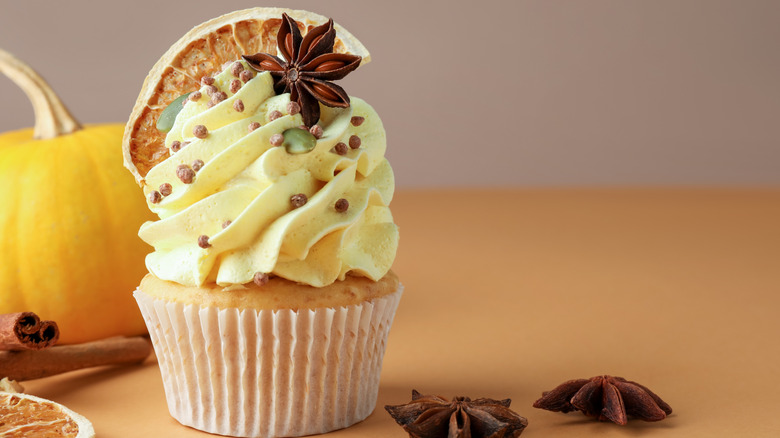
Though you won't need much tea to flavor a frosting or glaze (too much liquid will throw off the texture), you certainly may be able to tell the difference in the end result, especially if your tea has been strongly brewed. Remember that you can always add more spices as needed to bump up the flavor profile.
Naturally, when we think of a frosting or glaze, we imagine that it is destined for a sweet delicacy like cupcakes or cookies. It's true: There are myriad recipes for masala chai cupcakes and lemon loaves where tea would naturally shine on top. However, you shouldn't dismiss savory recipes just yet. Black sweet tea can find its way onto glazed ham for the ultimate Southern touch to your holiday meal.
Add tea to bread or cake batter
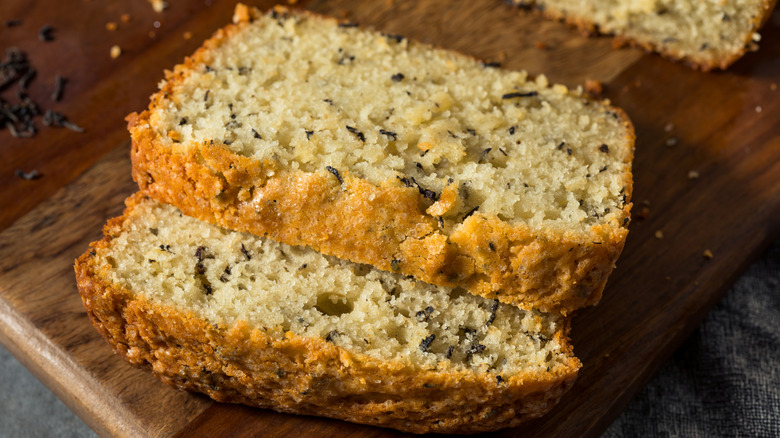
Brewed tea can easily replace some of the liquid in baked goods like breads and cakes. You should keep in mind whether you are replacing a thicker liquid like milk or a thinner liquid like water. Replacing a substantial amount of milk could disrupt the fat balance in your recipe, leading to a cake that is somewhat dry, bland, and chewy. That said, cow's milk is not extremely high in fat, so you might still get away with swapping it with tea, depending on the recipe. Coconut milk, however, usually has more fat and should not be substituted.
If you don't feel like experimenting, there are plenty of traditional recipes that call for tea. For instance, if you have extra Irish breakfast tea, you could use it to soak dried fruits and make tea brack, an Irish specialty. Or try incorporating an earthier tea like green tea (read: matcha) into cookies or cakes. The grassy flavors of green tea aren't for everyone, though, so you may wish to choose a crowd-pleasing tea variety like masala chai or rooibos for infusing your next dinner party dessert.
Use tea in a marinade or brine
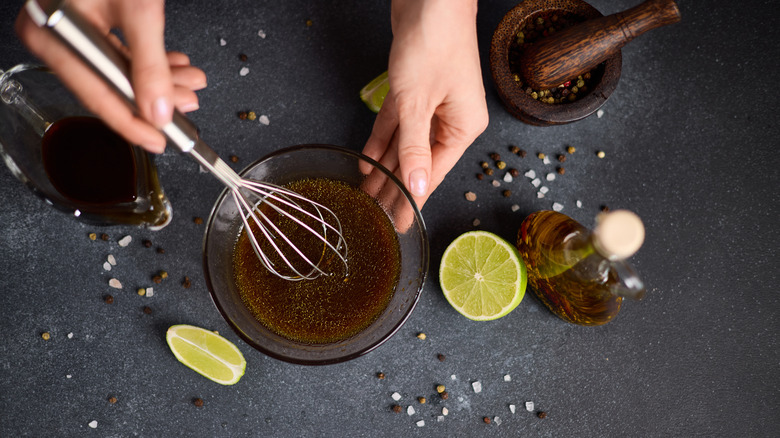
Thanks to its high tannin content, black tea can be used to tenderize meats, as well as flavor vegetarian alternatives like tofu, seitan, and tempeh. In fact, strongly brewed sweet tea is a popular brine ingredient for fried chicken, and it works impressively well in a marinade for grilled chicken, too. Not in a poultry mood? You could also incorporate sweet tea into a marinade for steak. Marinades are quite forgiving, so feel free to experiment and make adjustments to your favorite recipes. You may add other ingredients to your marinade — like soy sauce, garlic, and spices — as you see fit.
Though plenty of recipes call for it, black tea is not your only option for marinades. For instance, hojicha tea can be transformed into simple syrup and used to replace the sugar content in marinades. After all, this green tea might surprise you with its smoky flavor, which has a natural affinity for meat.
Give your cookies a flavorful twist
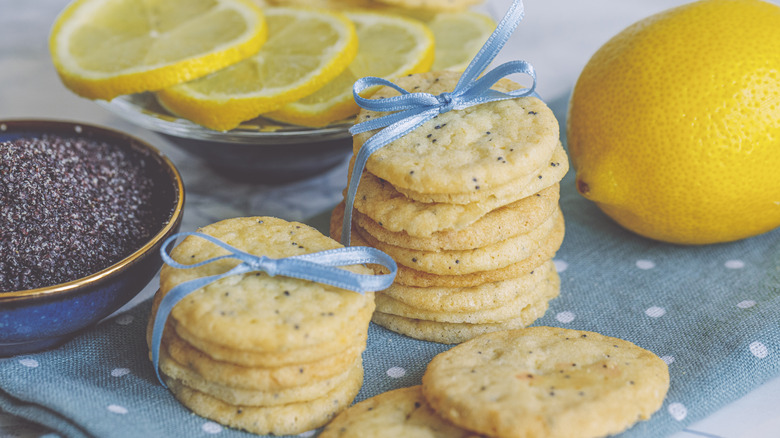
Sure, you could dip your cookies into tea. But why not infuse them with tea in the first place for an extra boost of flavor? It's certainly possible to substitute some of the liquid in a cookie recipe for tea. However, as we discussed earlier in regards to breads and cakes, you should be mindful when doing so. If it's a thick cup of masala chai that you are using to replace milk, you may not have to worry. But if it's a thin cup of raspberry tea, you might find that the texture of your cookies will change dramatically. Of course, it depends on the type of cookie, too.
Then comes the flavor factor. If you are working with a more delicate tea, we suggest incorporating it into a batch of cookies with subtler tasting notes. This might mean infusing your chocolate chip cookies with a dose of lavender, amping up your butter cookies with the power of peach, or infusing your shortbread cookies with the calming flavors of chamomile. Stronger teas like matcha can be striking in smaller amounts, perhaps alongside nuts in a biscotti recipe.
Transform tea into pudding
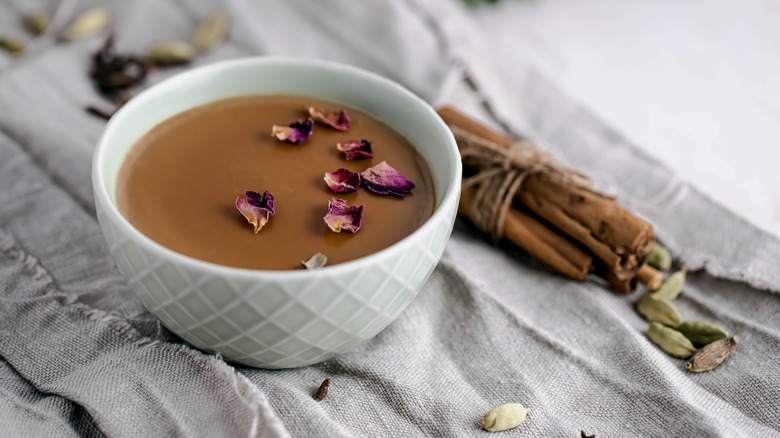
While kids may love receiving pudding cups in their school lunchboxes, we shouldn't forget that this classic dessert is an option for adults, too. Especially when pudding has been infused with tea, anyone with a refined palate can appreciate its nuances and deeply satisfying texture. Although you could eat pudding straight from the bowl with a spoon, layering it into tall parfait glasses alongside ingredients like sliced fruit and crushed nuts could make for an aesthetically pleasing dinner party dessert. For example, Earl Grey tea pudding could pair well with whipped cream, dark chocolate, and walnuts.
If a fiber-packed chia pudding is more your jam, then you can use tea here, too. Simply replace some or all of the liquid you usually use to prepare chia pudding, and you'll have a delicious breakfast ready the next morning. For a creamier texture, follow this method with milk-based teas, or only substitute a portion of the milk usually required with the tea.
Simmer tea with sugar to make simple syrup
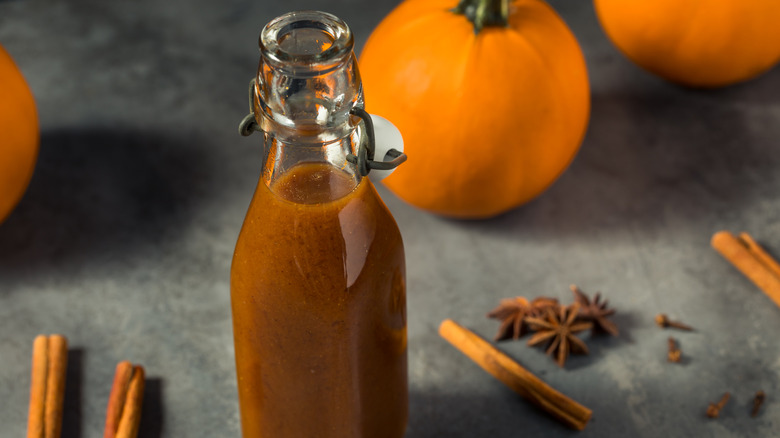
In its most basic form, simple syrup is a mixture of sugar and water that has been simmered on the stovetop until well combined. Simple syrup is used to sweeten coffee and cocktails, but also to glaze cakes, dress fruit salads, sweeten whipped cream, and more. But if you have been to any modern coffee shop, then you already know that when you start experimenting with flavored simple syrups, you'll have opened Pandora's box.
Luckily for us, tea can directly replace the required water content in practically any simple syrup recipe. It's an easy way to flavor simple syrup without the hassle of pureeing fruits or washing herbs, though using such ingredients in conjunction with tea and sugar can make for some spectacular discoveries. Try adding chamomile syrup to hot milk before bedtime or mixing chai syrup into an old fashioned. If you have extra butterfly pea tea, it will stand out beautifully in a simple syrup used to sweeten lemonade.
Make a refreshing sorbet or sherbet
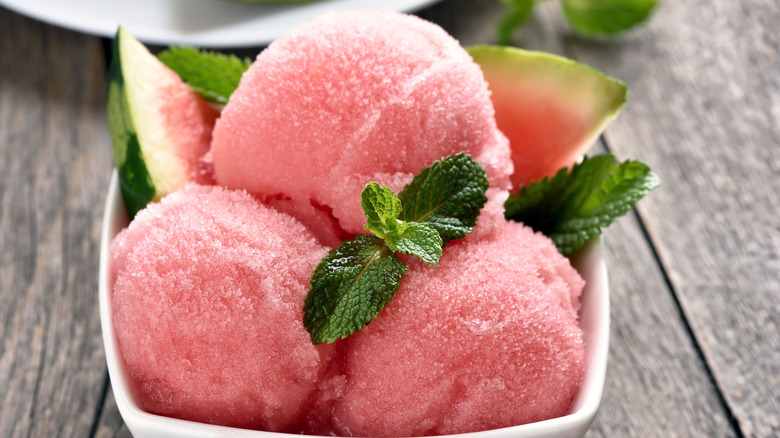
Sorbet is a frozen combination of simple syrup and fruit juice, puree, wine, or another vibrantly flavored liquid. Of course, that can include tea! Meanwhile, sherbet is much the same, but with a little dairy thrown into the mix. Either frozen dessert would be lovely when infused with tea varieties like pomegranate, strawberry, hibiscus, peach, cherry, lemon, hibiscus, raspberry, or orange. Fruit is usually, but not always, present in these desserts. If you do choose to incorporate fresh produce, you'll be amazed at the flavor combinations you can achieve with fruits like strawberries, mangos, cherries, and raspberries. Don't forget herbs like basil and mint, too.
One easy way to tap into the flavors of tea in sorbet or sherbet is to first prepare a homemade simple syrup, but replace all or some of the water content with tea. The syrup can then be combined with pureed or juiced fruits before being placed into the freezer to set. Another option is to combine a basic simple syrup with tea and fruit. Just be mindful of how much you adjust the liquid content while experimenting with the latter technique; a lower sugar-to-water ratio could result in an icy sorbet.
Freeze tea into ice cubes
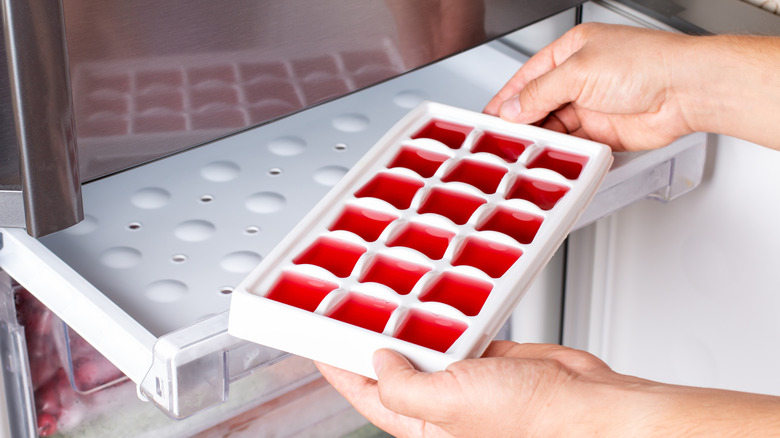
Struggling to meet your daily hydration quota? Make water more enticing by dropping a few ice cubes consisting of tea into your H2O. Not only will your glass of water look prettier, thus encouraging you to reach for it more often, but once the ice cubes start to melt, your water will also be infused with fresh flavors and health benefits to boot.
Even if you have your water intake under control, ice cubes made of tea can be an excellent addition to alcohol-free beverages and cocktails. Or, next time you want to slurp on a tall glass of iced tea, pop a few ice cubes of the same or a complementary flavor into your glass so that the flavors are only amplified, not diluted. Bonus points if you add fruits like blueberries and raspberries to your ice cubes.
Simmer tea with fruit to make compote
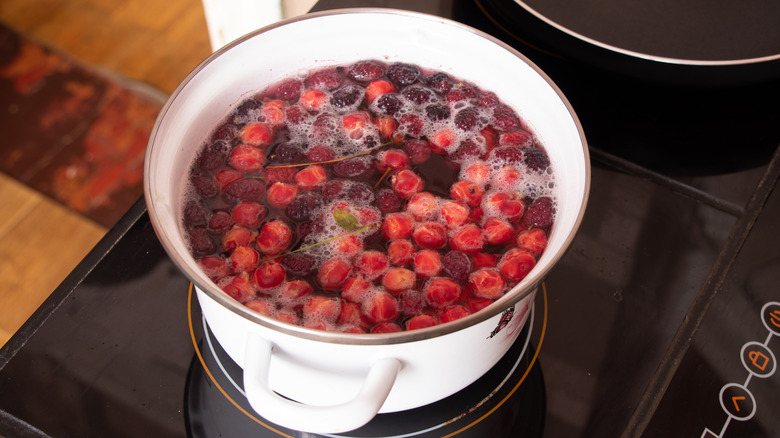
From pancakes and waffles to yogurt and French toast, there are a plethora of reasons to offer compote on the breakfast table. Desserts like cheesecake and brownies may also scream for a side of soft, juicy fruit. And while the name may sound fancy, compote is often nothing more than fruit simmered with a sweetener like sugar or maple syrup.
Frequently, a healthy splash of water is necessary to make sure the compote does not scorch the bottom of the pot, and here you can use tea instead. Adding other ingredients that absorb liquid, such as chia seeds, will allow you to pour more tea into the pot. Don't forget to add spices for extra flavor, if desired. For instance, vanilla bean would complement a strawberry black tea compote, while cloves would play nicely with an apple-orange tea compote.
Repurpose tea into a cocktail or mocktail

Instead of reaching for fruit juice or soda, experiment with brewed tea in cocktails and mocktails. It will add sweet, earthy, tangy, or even smoky tasting notes to your beverage. Depending on the variety, tea might even lend some natural sweetness. For instance, if you want a calming nightcap without any added sugar, try combining lavender tea with blueberry, mint, and/or basil. Alternatively, if you want a refined beverage to sip on during an evening dinner party, let black tea take the place of bourbon in a smoky mocktail.
Transforming your brewed tea into simple syrup first may make your drinks extra smooth and sweet, but this is not strictly necessary. You can still follow your favorite beverage recipes while substituting some of the liquid for tea, as long as you accommodate for any missing or additional sweetness. Not only can you swap out juice and soda for tea, but you can also replace alcohol. For instance, hibiscus tea, which is known for its tartness, is perfect for replacing alcoholic spirits like vodka because it lends a similar mouthfeel.